What Happens If You Wash A Dry Clean Only – Risks Explained
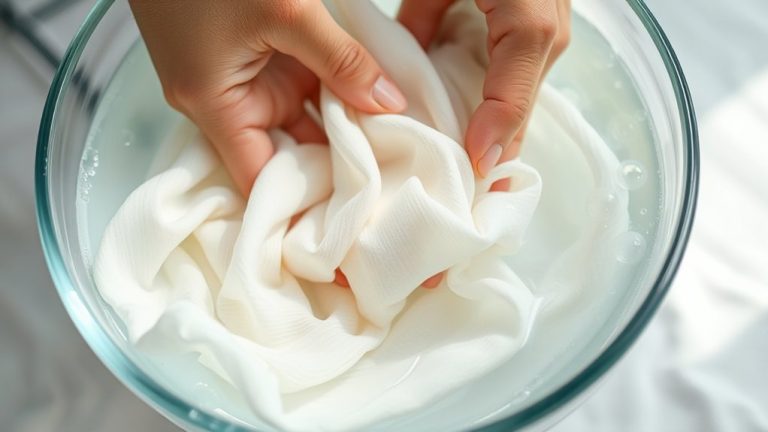
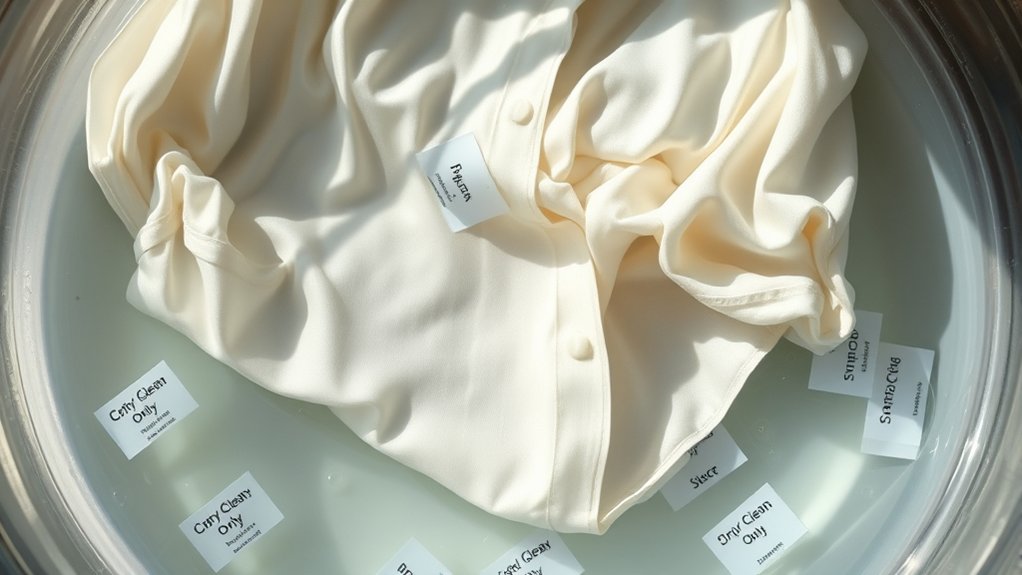
If you wash a dry clean only garment, you risk irreversible damage like shrinkage, color fading, and loss of shape. Delicate fibers such as silk, wool, or cashmere can weaken, tear, or felt. Embellishments might loosen or break too.
Leather and suede can stiffen or crack when wet. Improper washing often leads to costly repairs or having to replace the garment. So, it’s really important to understand these risks and how to care for your clothes properly.
Knowing the right methods can help you protect your clothes and make them last longer. It’s worth taking the time to follow the care instructions!
Why Are Some Clothes Labeled “Dry Clean Only”?
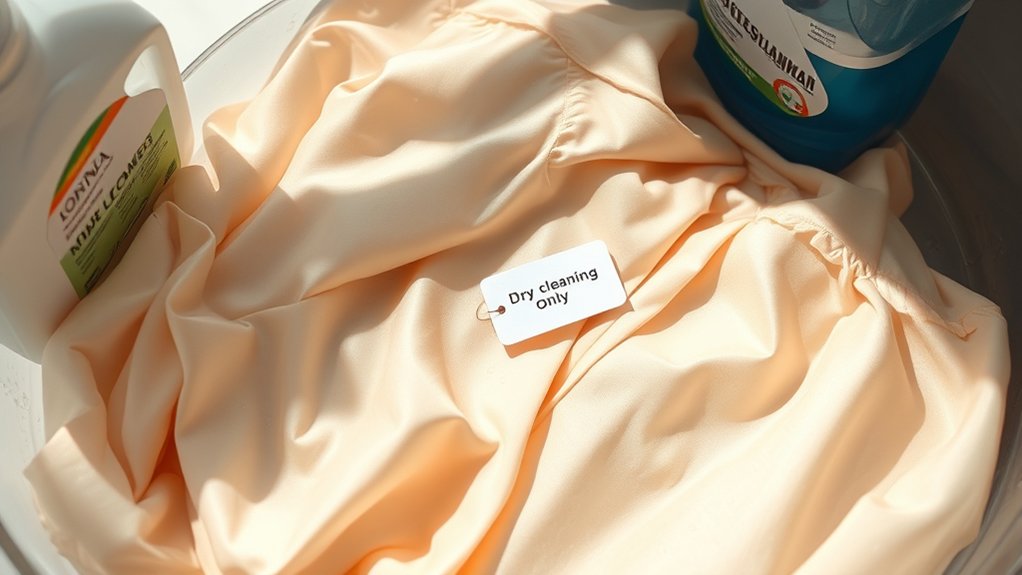
Why do some clothes come with the “Dry Clean Only” label? It’s mainly about fabric durability and the washing methods used. These garments often feature delicate fabrics like silk, wool, or rayon, which can easily shrink, warp, or lose shape when exposed to water.
Washing or machine cleaning can damage special finishes, embellishments, or internal linings, which compromises the garment’s structure and appearance.
Also, dyes in these fabrics are often not waterfast, so they might bleed or fade during water-based washing.
Structured items with padding or tailored fits rely on dry cleaning to keep their original design intact.
The label is basically a manufacturer’s guideline, warning you to avoid washing methods that might cause irreversible damage and shorten the garment’s lifespan.
How Washing Causes Shrinkage and Warping in Dry Clean Only Fabrics
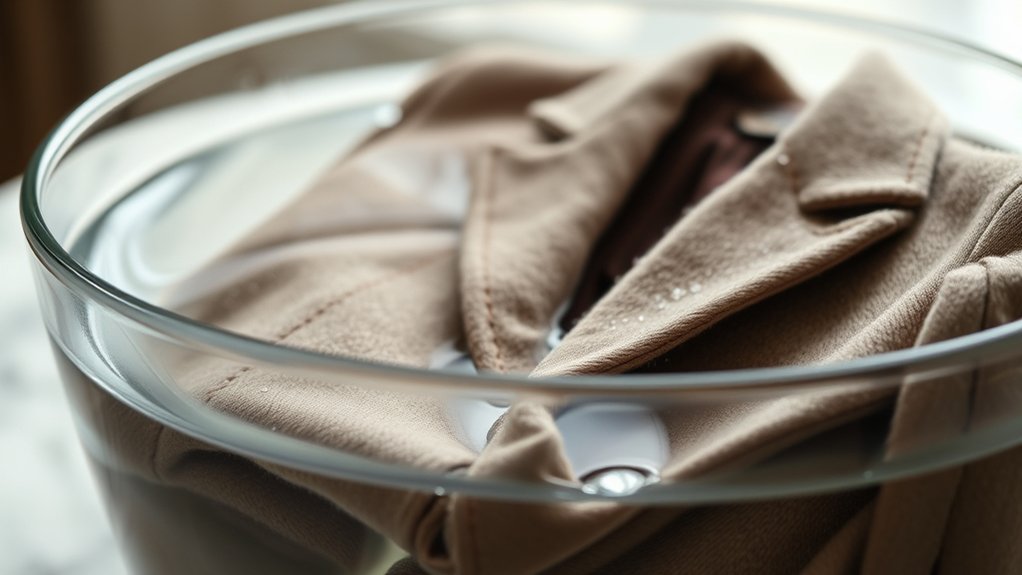
When you wash dry clean only fabrics like wool or silk in water, their fibers absorb moisture and contract, causing shrinkage. Heat and agitation in washing machines further warp delicate fabric fibers, distorting their shape and breaking down structural integrity. This damage is often irreversible.
Here’s a quick look at the main factors and how they affect your clothes:
| Factor | Effect on Fabric Fibers | Resulting Damage |
|---|---|---|
| Water Absorption | Fibers swell and contract | Shrinkage |
| Heat | Fibers soften and deform | Warping and distortion |
| Agitation | Fibers weaken | Loss of shape |
| Delicate finishes | Structural breakdown | Warping |
| Irreversibility | Permanent fiber alteration | Garment unusable or costly |
Knowing these risks can really help you avoid costly mistakes when handling dry clean only garments. So, it’s best to stick to the care instructions and keep your clothes looking great!
What Happens to Colors When You Wash Dry Clean Only Clothes
Beyond the physical damage like shrinkage and warping, washing dry clean only clothes also affects their colors. When you expose these garments to water, the delicate dyes can weaken, causing color bleeding or uneven fabric fading.
Dark and brightly colored fabrics are especially vulnerable. Their dyes often aren’t waterfast and may transfer onto other clothes, leading to unwanted stains. Repeated washing speeds up this fading, dulling the garment’s original vibrancy and robbing it of its intended look.
Since the dye bonds are fragile, even a single wash risks uneven discoloration, making it hard to restore the item’s appearance. To preserve your clothes’ colors and prevent bleeding, it’s best to avoid washing dry clean only items at home.
How Washing Changes Your Garment’s Shape
Although you might be tempted to wash dry clean only garments at home, doing so can drastically alter their shape. Fabric distortion happens because water and agitation cause shrinkage, warping, or flattening of details like pleats and embroidery.
Structured pieces, such as blazers, often suffer shape changes, with shoulders and seams becoming misshapen. Internal parts like padding or lining may also shift, permanently changing the garment’s fit and silhouette.
| Cause | Effect on Garment |
|---|---|
| Water exposure | Shrinkage, warping |
| Agitation | Flattened pleats, folds |
| Heat | Wrinkles, fabric distortion |
| Padding/lining | Deformed fit, shape alteration |
Washing risks compromising your garment’s original design and structure. So, it’s usually best to stick with the recommended care instructions to keep your clothes looking their best.
How Washing Harms Silk, Cashmere, and Delicate Fibers
Since silk, cashmere, and other delicate fibers have fragile protein structures, washing them at home can quickly damage their texture and appearance. You risk fiber deterioration as water and agitation weaken these fibers, causing silk to lose its luster and develop tears.
Silk and cashmere’s delicate protein fibers weaken with water and agitation, risking texture loss and tears.
Cashmere can felt, shrink, and stiffen, which really changes how it feels and looks. Plus, color bleeding is a common issue with these fabrics, leading to staining or dulling that degrades their visual appeal.
Repeated washing speeds up this breakdown, shortening the lifespan of your garments. The structural integrity of these fibers is easily compromised, resulting in permanent damage like holes or fraying.
To keep the softness and beauty of silk and cashmere, it’s best to avoid washing them at home and rely on professional dry cleaning instead.
Damage Risks for Leather, Suede, and Embellished Garments
When you wash leather, suede, or embellished garments at home, you risk stripping natural oils and damaging delicate decorations. Leather damage often happens because water removes essential oils. This leaves the material stiff, brittle, and prone to cracking.
Suede suffers in a similar way. Water can cause warping, shrinking, and uneven dye fading. So it’s not just about getting it wet—it’s about how the material reacts afterward.
Embellished garments have an even higher risk. Agitation and moisture can loosen or break beads, sequins, and embroidery. This can lead to irreversible loss of texture and aesthetic appeal.
Plus, water exposure can cause dyes to bleed, creating discoloration and patchiness. These fabrics need careful handling because standard washing methods can ruin their structure and decorative elements.
To avoid damage to leather and embellishments, it’s really important to follow professional cleaning advice. Try to resist the temptation to wash these at home—you’ll protect your garments much better that way.
Alternatives to Washing Dry Clean Only Clothes
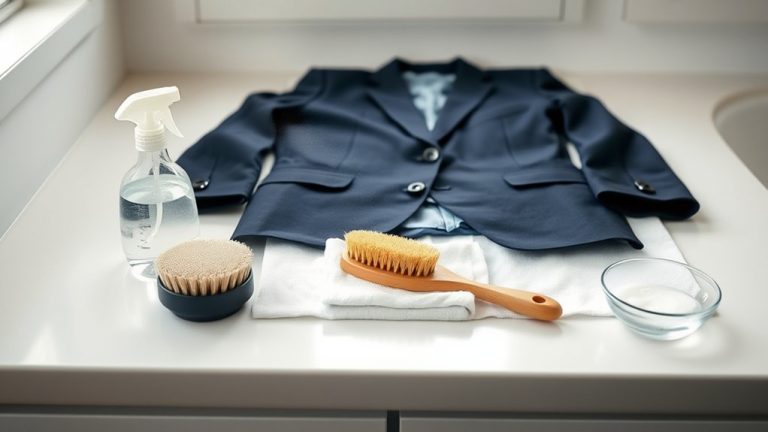
How can you care for dry clean only garments without risking damage from traditional washing? Start with spot cleaning using a mild, fabric-specific detergent to handle small stains. This ensures effective stain removal without the need for full washing.
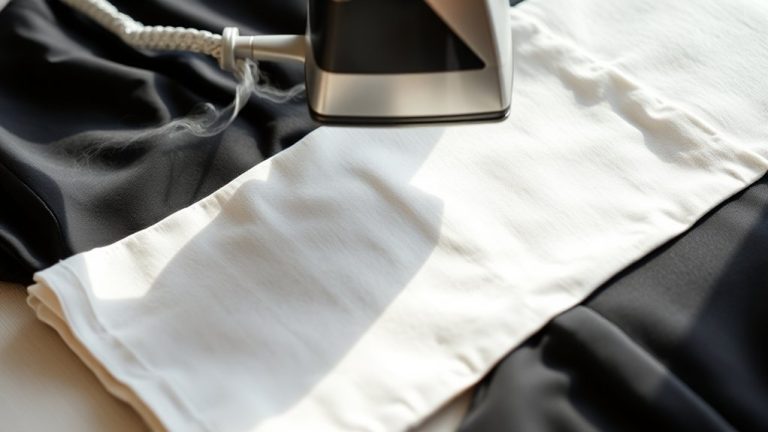
To refresh and dewrinkle, try steaming or fabric sprays. These methods help preserve the garment by maintaining its shape and texture.
Steaming and fabric sprays refresh garments while preserving their shape and texture effectively.
Some fabrics may tolerate gentle hand washing in cold water with delicate detergents, but be sure to test carefully first. Always air dry flat on a clean surface to prevent shrinkage or distortion.
For delicate or heavily soiled items, professional stain removal and cleaning services are still the safest choice to protect your clothing. These alternatives help you maintain your garments’ integrity while minimizing the risks that come with conventional washing methods.
Why You Should Always Choose Professional Dry Cleaning
While spot cleaning and gentle home care can help maintain some dry clean only garments, they often fall short of the thorough protection and preservation professional dry cleaning provides.
When you choose professional dry cleaning, you rely on specialized solvents that clean delicate fabrics effectively without causing shrinkage or distortion.
Experts understand textile care intricacies, handling embroidery, embellishments, and tailored structures with precision. This careful process preserves fabric durability, maintaining the garment’s shape, color vibrancy, and texture longer than home methods can.
Additionally, professionals perform meticulous stain removal and finishing steps that are impossible to replicate at home. By trusting professional dry cleaners, you minimize the risk of irreversible damage and costly repairs caused by improper washing.
This way, your garments stay in ideal condition through repeated wear.
Frequently Asked Questions
Can Dry Clean Only Clothes Be Safely Hand Washed Instead?
You can sometimes hand wash dry clean only clothes, but only if the fabric care label allows it. Choose gentle washing methods, cold water, and mild detergent to avoid damage. When unsure, consult a professional cleaner.
It’s always better to be safe than sorry. Hand washing can work for some fabrics, but not all. So, check that label carefully before you start.
How Do Home Dry Cleaning Kits Compare to Professional Services?
Think of home kits like a small flashlight in a dark cave. They use limited chemical solvents and risk fabric shrinkage.
On the other hand, professionals have powerful equipment that ensures thorough cleaning. They also help preserve your garment’s integrity with expert care. So, while home kits are convenient, pros really bring the extra level of care your clothes need.
What Are Signs a Dry Clean Only Garment Is Damaged After Washing?
You’ll notice fabric shrinkage, color fading, and loss of shape when a dry clean only garment’s damaged.
Watch for wrinkles, stiffness, or weakened fibers. These signs mean the fabric’s integrity has been compromised after washing.
Are There Specific Detergents Safe for Dry Clean Only Fabrics?
Think of detergent alternatives as a gentle whisper to your fragile fabrics. You can use pH-balanced, delicate fabric care detergents designed for wool or cashmere. But always proceed cautiously and follow care labels to protect your garment’s integrity.
It’s better to be safe than sorry when handling dry clean only items. So, take your time and treat your clothes with the care they deserve.
How Often Should Dry Clean Only Clothes Be Professionally Cleaned?
You should professionally clean dry clean only clothes every 3 to 4 wears to keep the fabric durable. This helps maintain the quality and look of your garments over time.
Between cleanings, try using proper stain removal techniques. This way, you avoid damage and keep the fabric’s integrity intact. It also helps prevent premature wear or fading, so your clothes stay fresh longer.
Conclusion
You might be tempted to wash “dry clean only” clothes at home, but is the risk really worth it? Washing can cause shrinkage, color fading, and damage delicate fibers like silk or cashmere.
Leather and embellished garments can suffer irreversible harm. Instead, consider spot cleaning or airing out your clothes between uses.
When in doubt, trust professional dry cleaning to preserve your garments’ look and longevity because some fabrics simply need special care.