What Does Do Not Dry Clean Mean – Important Care Guide
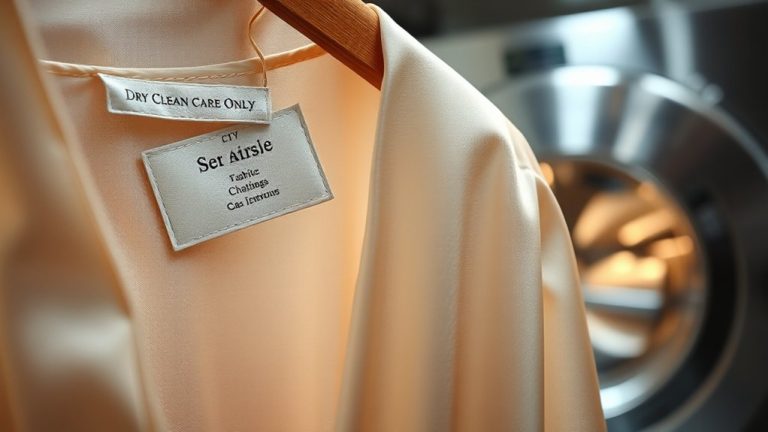
When a garment’s label says “Do Not Dry Clean,” it means you should avoid traditional dry cleaning solvents and processes that can damage delicate fabrics, adhesives, or embellishments. These methods can cause shrinking, fading, or deterioration of coatings and glued components.
Instead, opt for gentle hand washing or spot cleaning and avoid heat or harsh chemicals. Understanding these precautions helps preserve your garment’s quality and appearance.
Keep exploring to discover safe care tips and when to seek professional help.
Meaning of “Do Not Dry Clean” Labels
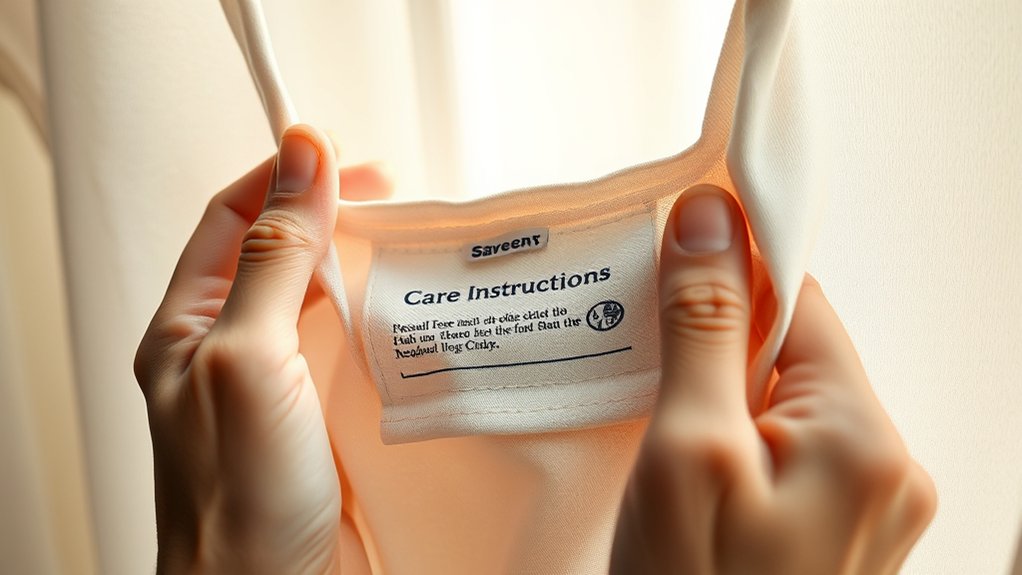
Although you may be tempted to dry clean certain garments for convenience, “Do Not Dry Clean” labels warn that the fabric or construction could be harmed by the solvents or cleaning methods used. These labels reflect strict label accuracy, ensuring you avoid damage to sensitive components rather than just the fabric composition.
“Do Not Dry Clean” labels protect delicate fabrics and garment components from harmful solvents and cleaning methods.
It’s not only about the material but also about delicate features like glued seams, embellishments, or water-sensitive finishes that dry cleaning can ruin. For example, fabrics with rubberized coatings or PU faux leather may soften or crack under dry cleaning solvents.
Following these labels prevents irreversible damage, shrinkage, and loss of garment shape.
Trusting label accuracy helps you maintain your clothing’s quality and longevity by respecting its specific care requirements. So, even if dry cleaning seems easier, it’s best to stick to what the label says to keep your clothes looking their best.
Fabrics and Components Sensitive to Dry Cleaning
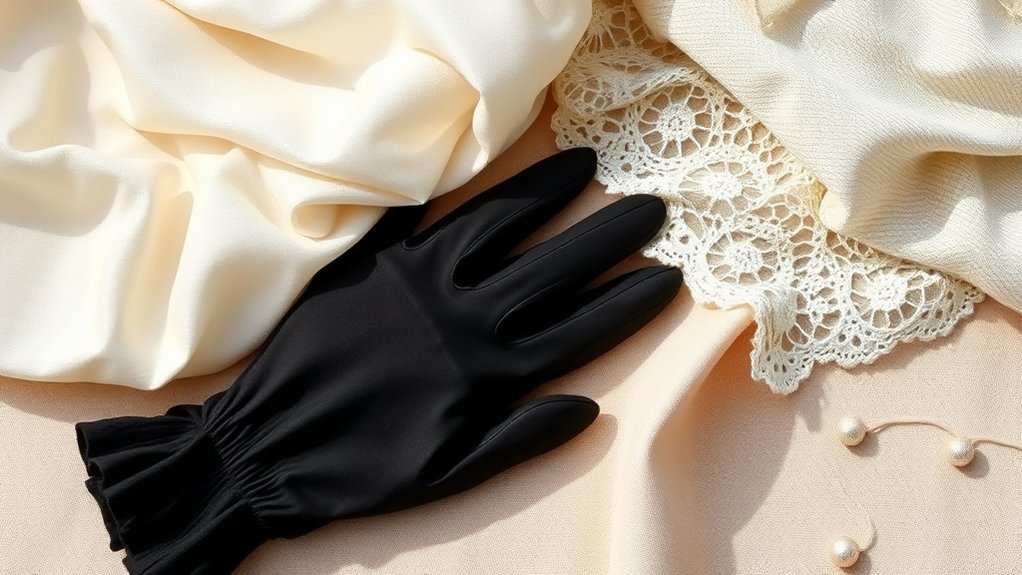
When you handle garments with rubberized coatings, PU faux leather, or laminated plastics, you need to be especially cautious about dry cleaning. These materials often experience adverse fabric reactions to dry cleaning solvents.
Rubberized coatings may soften, dissolve, or lose adhesive properties.
PU faux leather can peel or crack because its finishes aren’t very stable.
Laminated plastics might wrinkle, bubble, or even melt under standard dry cleaning conditions.
Plus, certain adhesives in fast fashion items can break down or become brittle, which speeds up component deterioration.
It’s important to understand these vulnerabilities so you can avoid damage and keep your garments in good shape. Always check labels carefully.
And when in doubt, think about alternative cleaning methods instead of dry cleaning to protect sensitive materials.
Why “Do Not Dry Clean” Clothes Lose Color and Embellishments
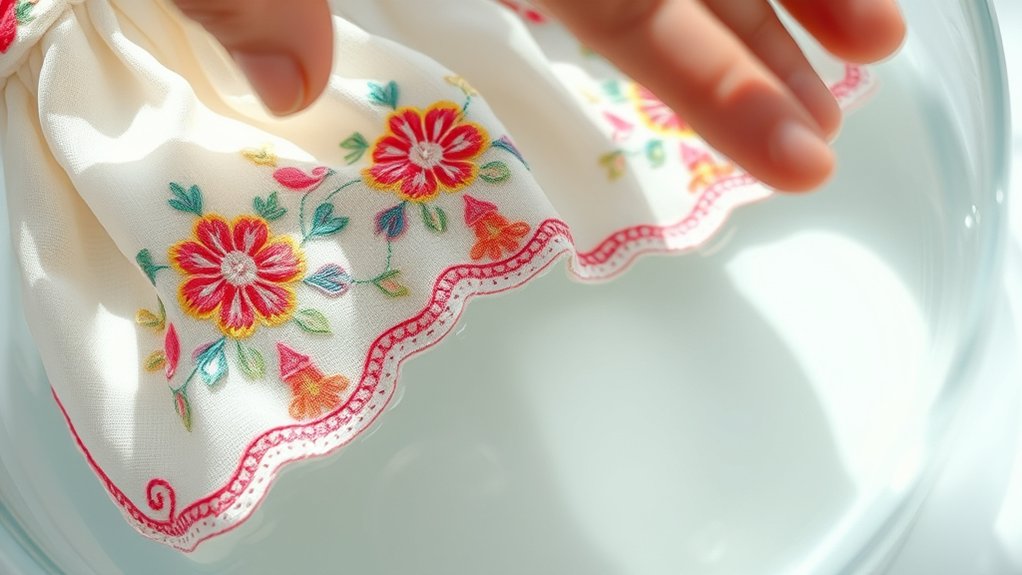
When you dry clean clothes that say “Do Not Dry Clean,” the solvents used can actually cause the dyes to bleed or fade. This is especially true for delicate fabrics or those with metallic finishes.
On top of that, the adhesives that hold on embellishments like beads and sequins can start to weaken. When that happens, these decorative elements might fall off or get damaged.
Solvent Sensitivity of Dyes
Why do some clothes lose their color or embellishments after dry cleaning? The answer lies in the solvent sensitivity of certain dyes and decorations. When exposed to dry cleaning chemicals, some materials react poorly, causing damage. Here’s why:
Metallic dyes and low-cost fast-fashion dyes often bleed or fade because they don’t resist solvents well. Reactive prints can dissolve or smear when chemicals get into the fabric.
Plastic embellishments like cheap beads and sequins soften or fall off since solvents break down their structure.
Adhesive-backed decorations loosen up as solvents weaken the glue holding them in place. Knowing about this sensitivity helps you avoid damage. That way, your clothes stay vibrant and intact for longer.
Embellishment Adhesive Breakdown
How exactly do dry cleaning solvents cause your clothes to lose their embellishments? These solvents often lead to adhesive degradation, especially with the low-quality glues common in fast fashion.
When the adhesive softens or breaks down, embellishments like beads and sequins become loose, resulting in embellishment detachment.
Also, the mechanical agitation during dry cleaning can make this worse by physically loosening glued decorations. Once the adhesive is compromised, embellishments may fall off or become misshapen.
This causes permanent damage that’s difficult or costly to repair.
Color Bleeding and Fading
Beyond the risk of adhesive breakdown, dry cleaning solvents can also cause significant color bleeding and fading in garments labeled “Do Not Dry Clean.” These solvents interact with unstable dyes and special fabric finishes, often dissolving or smearing colors and weakening decorative elements like sequins and beads.
You should understand that color stability depends heavily on dye compatibility with dry cleaning chemicals. When dyes aren’t compatible, they fade or bleed unevenly.
To protect your clothes, consider these factors:
- Unstable, low-cost dyes often dissolve in solvents, causing discoloration.
- Reactive prints may smear, ruining patterns.
- Metallic and low-bleed finishes are prone to fading.
- Embellishments glued to fabric can lose adhesion, leading to loss.
How Dry Cleaning Can Damage Your Clothes’ Construction
When you dry clean clothes, the solvents used can actually weaken the adhesives that hold fabrics and embellishments together. This means there’s a risk that parts might come apart or get damaged.
Plus, the heat and agitation during the process can be tough on delicate trims, glued components, and water-resistant finishes. Knowing these risks can really help you take better care of your garment’s construction and make it last longer.
Solvent Effects On Fabrics
Why do some garments warn against dry cleaning despite its name? Dry cleaning solvents can cause unexpected solvent reactions that lead to fabric deterioration. These chemicals, like perchloroethylene, aren’t always gentle on all materials and finishes.
When you dry clean certain fabrics, you risk damaging their integrity in ways you mightn’t expect.
Here’s how solvents affect your clothes:
- They dissolve or soften rubberized coatings, weakening the fabric’s surface.
- Plastics and laminations may wrinkle, bubble, or melt under solvent exposure.
- PU coatings on faux leather can peel, crack, or lose their finish.
- Heat-sensitive interlinings can shrink or deform, distorting garment shape.
Understanding these effects helps you protect delicate garments from irreversible damage caused by dry cleaning solvents. So, it’s good to know before you send that special piece to the cleaners!
Damage To Adhesives
Although dry cleaning is designed to clean delicate fabrics, it can inadvertently damage the adhesives that hold your clothes together. The solvents and heat used in the process may cause adhesive deterioration, weakening the bonds that secure seams and glued components.
This bond failure can lead to separation of bonded fabrics, bubbling, cracking, or delamination. This is especially true for fast fashion or layered garments with solvent-sensitive adhesives.
As a result, glued parts like labels or inner layers might loosen or fall off, which can compromise the garment’s construction. You could end up with deformation and reduced durability, often meaning you’ll need repairs or even a replacement.
Risks To Embellishments
Since dry cleaning involves strong solvents and mechanical agitation, it can pose significant risks to the embellishments on your clothes. These processes threaten embellishment stability and may accelerate adhesive deterioration, which can compromise your garment’s look and structure.
Here’s how: solvents can weaken or dissolve adhesives holding beads and sequins, causing them to loosen or fall off. Mechanical agitation risks breakage or detachment of delicate decorative elements.
Heat and chemicals may crack, discolor, or peel plastic or metallic embellishments. Bonded fabrics with glued embellishments can face separation or delamination during cleaning.
Understanding these risks helps you protect your garments by avoiding dry cleaning when the label advises against it. That way, you keep your clothes looking great and lasting longer.
Safe Alternatives for “Do Not Dry Clean” Clothes
When a garment’s label says “Do Not Dry Clean,” you’ll want to opt for gentler cleaning methods to avoid damaging the fabric.
If the fabric durability allows, hand washing with mild detergent and cold water is a safe choice.
Air drying flat or hanging in a well-ventilated area preserves the garment’s shape and prevents damage from heat.
For stain removal, spot cleaning with a damp cloth and mild soap effectively tackles minor stains without harming the fabric.
You can also use delicate cycles and wash bags for home laundering to protect delicate items.
Always consult the care label or seek professional advice when uncertain, ensuring you maintain your garment’s integrity while safely cleaning “Do Not Dry Clean” clothes.
Spot-Testing and Preparing “Do Not Dry Clean” Garments at Home
How can you assure your “Do Not Dry Clean” garment stays intact during home cleaning? Start with fabric testing to ensure colorfastness and fabric reaction. Use a mild detergent and water on a hidden spot, applying it gently with a white cloth or cotton swab. Watch for dye transfer or damage before proceeding.
Follow these steps for effective stain removal and preparation:
- Perform fabric testing on an inconspicuous area.
- Check for any dye bleeding or fabric weakening.
- Remove loose dirt or stains carefully before cleaning.
- Use gentle hand washing methods and air dry the garment flat or on a hanger.
Avoid harsh chemicals and heat to maintain your garment’s integrity while cleaning at home. It’s really about being gentle and patient with your clothes. That way, you keep them looking great without any risks.
When to Ask a Pro for Help With “Do Not Dry Clean” Items
After carefully spot-testing and preparing your “Do Not Dry Clean” garment for home care, you might encounter situations where professional expertise becomes necessary.
If your item contains sensitive components like adhesives, embellishments, or coatings, improper cleaning can cause irreversible damage.
Garments with rubberized coatings, PU faux leather, or plastics especially require caution. These materials can melt or peel during dry cleaning.
When faced with intricate details such as beads or reactive dyes, seeking a professional ensures fabric preservation and effective stain removal without risking harm.
If you’re uncertain about the best cleaning method, consulting an experienced cleaner is essential.
Professionals can provide alternative techniques like wet cleaning or specialized spot treatments.
These methods help protect your garment’s integrity while avoiding the risks associated with dry cleaning solvents.
Common Mistakes That Harm “Do Not Dry Clean” Clothes
Although you might be tempted to clean “Do Not Dry Clean” garments at home, certain common mistakes can cause significant damage. Proper fabric care is essential for garment preservation, so avoid these errors:
- Washing with water or home dry cleaning kits, which can cause shrinkage, distortion, or color bleeding.
- Using aggressive cleaning methods that damage delicate embellishments like beads or glued components.
- Ignoring care labels and machine washing or tumble drying, weakening fibers and causing irreversible harm.
- Applying heat or high agitation, which deforms structured fabrics and sensitive linings.
Repeated improper cleaning speeds up fabric deterioration and shortens your garment’s lifespan. So, it’s really important to follow care instructions carefully if you want to keep your “Do Not Dry Clean” clothes looking their best.
Frequently Asked Questions
Can “Do Not Dry Clean” Labels Be Removed or Altered?
You shouldn’t remove or alter “Do Not Dry Clean” labels because label removal risks voiding warranties and causing damage. Alteration risks include violating care instructions and safety regulations. So, always follow original labels or consult a specialist.
It’s really important to stick with what the label says. If you’re unsure, asking a professional can save you a lot of trouble down the line. Don’t take chances with your clothes!
Do All Dry Cleaners Refuse Clothes Labeled “Do Not Dry Clean”?
Not all dry cleaners refuse clothes labeled “do not dry clean,” but many will, considering fabric compatibility and stain removal challenges.
You’ll find some specialists willing to take risks, but it’s generally safer to follow the label’s advice. Better to be cautious than sorry!
How Can I Identify if a Vintage Garment Has a “Do Not Dry Clean” Label?
You can identify a “do not dry clean” label on vintage garments by checking for faded or sewn-in instructions. Look closely at the fabric too, especially if it’s fragile or prone to deterioration. These signs often hint that dry cleaning could cause damage.
Also, keep an eye out for symbols that advise against dry cleaning. They’re usually there to prevent harm during stain removal processes. It’s a good idea to follow these warnings to keep your vintage piece in great shape.
Are There Specific Detergents Recommended for “Do Not Dry Clean” Clothes?
You’ll choose gentle detergents, avoid harsh chemicals, and select pH-neutral formulas. For delicate fabric types, use mild, specialized detergents as an alternative cleaning method. This helps preserve your “do not dry clean” clothes’ texture and color safely.
How Does Washing Machine Type Affect “Do Not Dry Clean” Garment Care?
Your washing machine type affects fabric alternatives and stain removal by controlling agitation and water levels. Front-loading or high-efficiency washers offer gentler cycles, protecting delicate fabrics labeled “do not dry clean” from damage during home washing.
It’s important to choose the right settings to keep your clothes safe. These machines help reduce wear and tear compared to traditional top-loaders. So, if you’re handling delicate items, a gentler wash makes a big difference.
Conclusion
When you see “Do Not Dry Clean” on your clothes, treat them like fragile treasures that need gentle care. Dry cleaning can strip colors and weaken fabrics, turning your favorite pieces into shadows of their former selves.
Instead, choose safer cleaning methods and spot-test carefully at home. If in doubt, don’t hesitate to consult a professional.
Protecting your garments guarantees they stay vibrant and strong, like a well-tended garden blooming season after season.