Can You Dry Clean A Weighted Blanket – Safe Cleaning Tips
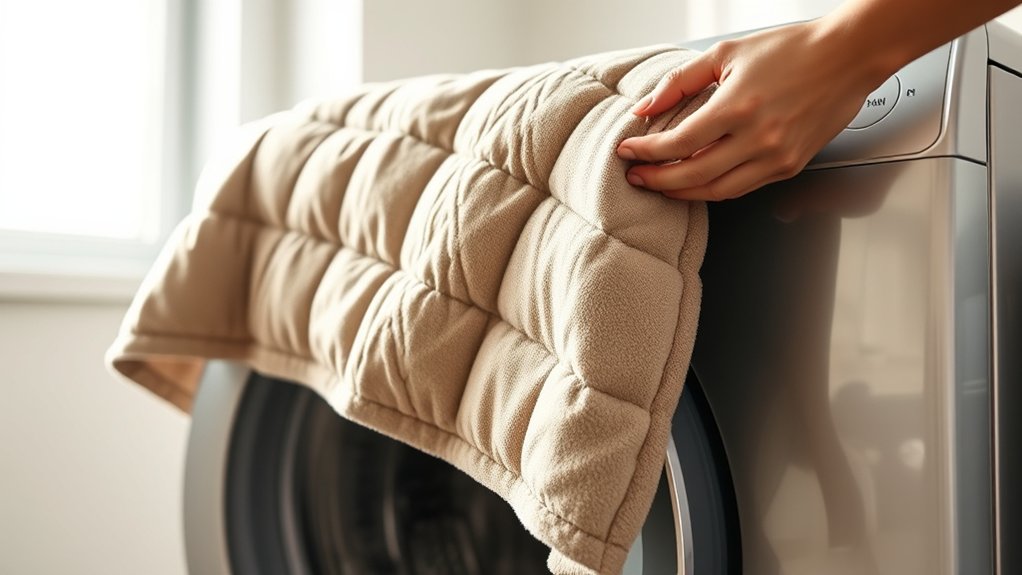
You can dry clean your weighted blanket only if the care label approves it and the fillings, like sand, rice, or beans, are compatible with dry cleaning solvents. Be cautious, as chemicals and agitation can weaken fibers, damage seams, or clump certain fillings. This could potentially shorten your blanket’s lifespan.
Spot cleaning or gentle hand washing with mild detergent is often safer for delicate fabrics. To protect your blanket’s quality and durability, understanding proper cleaning and maintenance methods is essential. Taking a little extra care can go a long way in keeping your blanket in great shape.
When Is Dry Cleaning Recommended for Weighted Blankets?
If your weighted blanket contains natural fillers like sand, rice, or beans, you should opt for dry cleaning to prevent damage from machine washing. Material compatibility is really important here. These natural fillers and delicate fabrics can deteriorate or clump when exposed to water and agitation.
Always check the care label. If it says “dry clean only,” make sure to follow that recommendation strictly. Dry cleaning is also great for stain removal without compromising intricate stitching or fabric integrity.
Professional cleaners use solvents instead of water, which means they can clean thoroughly while preserving both the weighted components and the outer material. This method minimizes the risk of damage and helps keep your blanket looking and working great over time.
Choosing dry cleaning when needed ensures your weighted blanket stays safe, clean, and durable.
How to Check If Your Weighted Blanket Needs Dry Cleaning
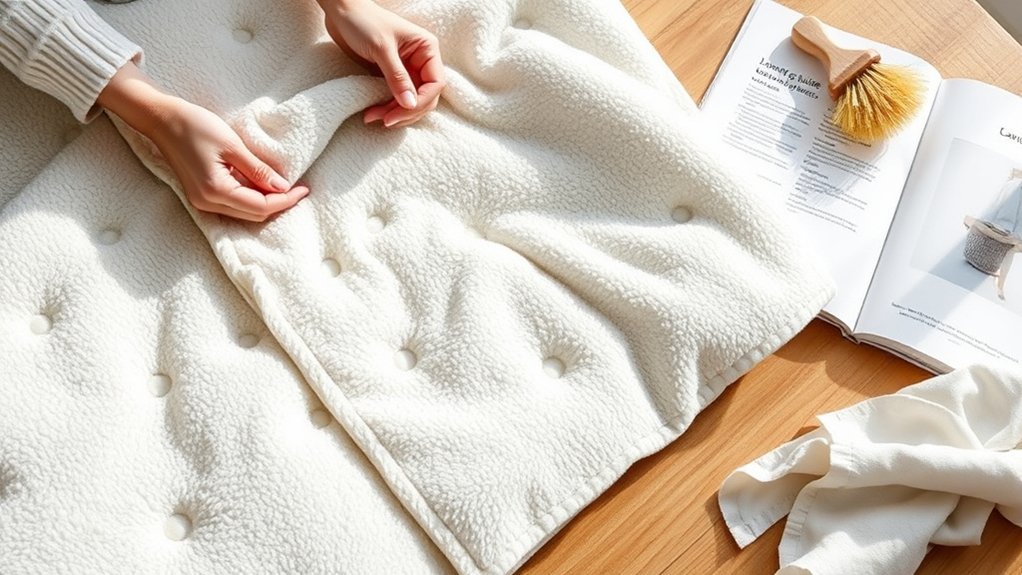
When determining whether your weighted blanket requires dry cleaning, start by carefully examining the care label for specific manufacturer instructions. Check for explicit directions such as “dry clean only” or symbols like a circle with a “P” or “F,” which indicate professional dry cleaning is recommended.
Also, consider fabric compatibility. Blankets filled with natural materials like sand, rice, or beans generally need dry cleaning to maintain structural integrity and avoid damage.
Think about the type of stains present too. Delicate fabrics or those with embedded natural fillings often benefit from professional stain removal through dry cleaning.
If the label permits machine washing or spot cleaning, dry cleaning might be unnecessary. So, always prioritize the manufacturer’s guidance to guarantee proper maintenance and longevity of your weighted blanket.
Why Dry Cleaning Can Be Risky for Weighted Blankets
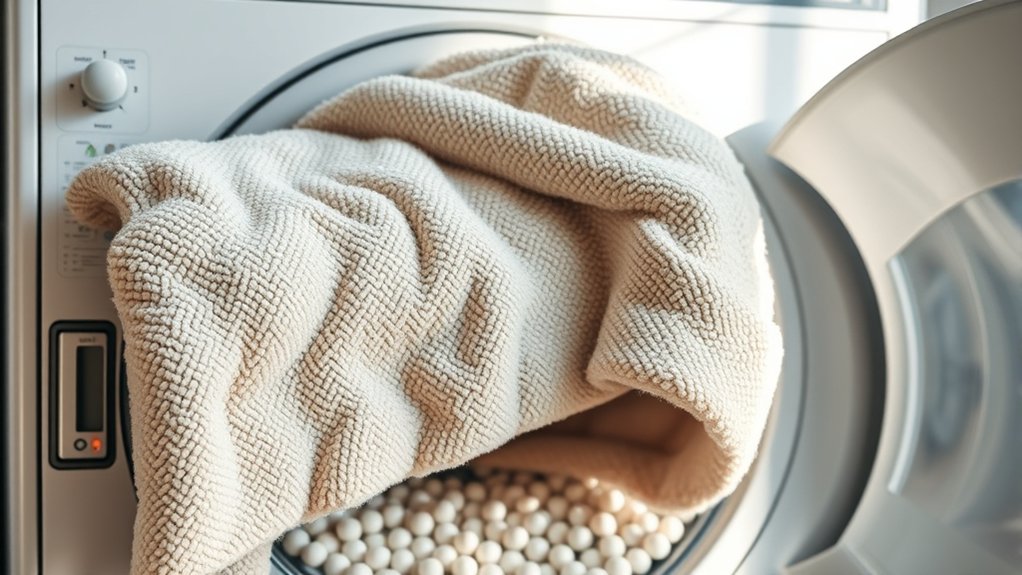
Although dry cleaning might seem like a convenient option, it can pose significant risks to your weighted blanket’s fabric and filling. The solvents used in dry cleaning often cause chemical damage, weakening fibers and degrading the internal beads or pellets.
This deterioration reduces the blanket’s lifespan and effectiveness.
Plus, the agitation during dry cleaning can compromise seam integrity, leading to loosened or ripped stitching, especially in blankets with heavy or delicate seams. Many weighted blankets containing natural fillings like sand, rice, or beans are particularly vulnerable.
Dry cleaning can cause these materials to break down or clump.
Since not all weighted blankets are labeled safe for dry cleaning, choosing this method could void warranties or cause irreversible damage to your investment.
Safe Alternatives to Dry Cleaning Weighted Blankets
You can safely clean some weighted blankets at home by using gentle machine wash or hand wash methods, just as the care label suggests. It’s pretty straightforward and helps keep your blanket in good shape.
But if your blanket needs a bit more delicate care, professional cleaning services are a great option. They’re effective and reduce the risk of any damage.
Either way, both choices help maintain your blanket’s shape, weight distribution, and fabric quality. So, you can keep it cozy and looking great without worrying too much!
Home Washing Options
Two effective home washing options provide safe alternatives to dry cleaning weighted blankets, especially those made from polyester, cotton, or similar materials.
First, spot cleaning targets localized stains, minimizing water exposure and preserving fabric integrity.
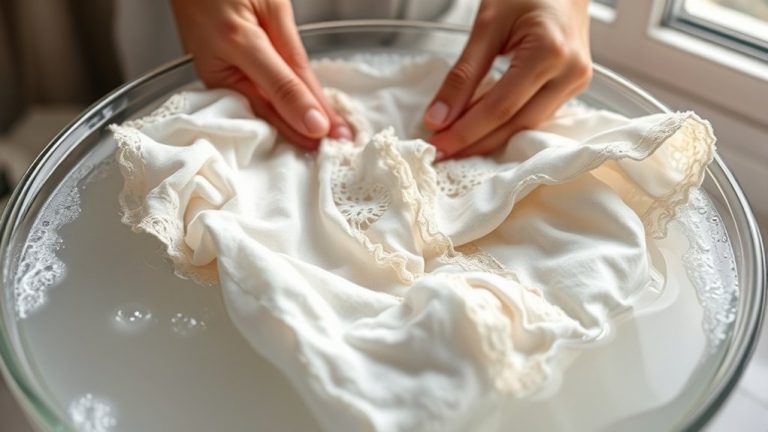
Second, hand washing with mild detergent and cold water is ideal for delicate fabric types or blankets with sensitive fillings.
Always consult the care label to determine appropriate cleaning frequency based on usage and fabric resilience.
Avoid machine washing unless explicitly recommended, as agitation can damage internal fillers or stitching.
By sticking to manufacturer guidelines and choosing the right fabric-specific methods, you help keep your blanket durable and comfortable without needing dry cleaning.
These home washing options balance thorough cleaning with material preservation.
This way, your weighted blanket stays safe and effective over time.
Professional Cleaning Services
Many dry cleaners experienced with heavy linens accommodate weighted blankets labeled “dry clean only,” ensuring the filling remains intact. When selecting a service, confirm their expertise with bulky items and ask about their cleaning frequency recommendations to keep your blanket in ideal condition.
Relying on professional cleaning not only safeguards the blanket’s structural integrity but also extends its lifespan. It’s a safe alternative to traditional dry cleaning methods that might expose the fabric to excessive heat or harsh chemicals.
This way, your weighted blanket stays effective and comfortable over time.
How Dry Cleaning Affects Different Weighted Blanket Fillings
Several weighted blanket fillings respond differently to dry cleaning, so it’s important to understand how this method affects each type. Fill compatibility plays a big role here.
Natural fibers like sand, rice, or beans usually tolerate dry cleaning well because it prevents water damage and agitation that can break them down.
Natural fibers such as sand, rice, or beans handle dry cleaning well, avoiding water damage and agitation.
Glass beads and plastic pellets also do well with dry cleaning. They keep their weight distribution steady without clumping, which is a huge plus.
For delicate fillings and fabric covers, dry cleaning helps preserve the fabric by lowering the risk of breakage and wear you often get from washing machines.
That said, always check the care label first. Some natural or eco-friendly fillings mightn’t be good candidates for dry cleaning and may need other cleaning methods instead.
Knowing these differences helps you pick the safest way to clean your weighted blanket, keeping it in great shape for longer.
Preparing Your Weighted Blanket for Dry Cleaning
Before you send your weighted blanket for dry cleaning, you’ll want to carefully check its care label to confirm that this method is suitable. Different fabric types, such as cotton or polyester blends, may respond differently to dry cleaning solvents, so verifying compatibility is essential.
Remove any removable covers or accessories to guarantee thorough cleaning and prevent damage.
Inspect the blanket for tears or loose stitching, repairing any issues to avoid worsening during the process.
Evenly distribute the filling and make sure it’s securely sewn to prevent shifting.
Address any stains with appropriate pre-treatment methods compatible with dry cleaning to enhance stain removal effectiveness.
Finally, inform the dry cleaner about the blanket’s weight and filling type to tailor the cleaning approach precisely and protect your blanket’s integrity.
This way, you’ll be sure your blanket stays in great shape throughout the cleaning.
What to Expect From Dry Cleaning Services
Once you’ve prepared your weighted blanket properly, understanding what happens during dry cleaning can help you set realistic expectations. Dry cleaners use solvents rather than water, which helps keep the fabric compatible and protects delicate fillings. They also use specialized equipment designed for bulky, heavy items to avoid any damage.
You’ll need to specify the fabric type and filling so they can tailor the cleaning process just right. Dry cleaning effectively targets stain removal, oils, and allergens without the risks you get with washers or dryers.
Just make sure the care label approves dry cleaning to avoid any mishaps.
- Solvent-based cleaning preserves fabric compatibility
- Specialized machines handle weighted blanket weight and bulk
- Clear communication on fabric and filling required
- Effective stain removal without water damage
- Care label verification ensures safe cleaning choices
Easy Tips to Maintain Your Weighted Blanket’s Quality
To maintain your weighted blanket’s quality, you should regularly inspect it for rips, loose threads, or any other damage that could worsen over time. Using a removable duvet cover helps protect the blanket from dust, spills, and frequent washing. This preserves fabric durability and minimizes color fading.
Store your blanket in a cool, dry, and well-ventilated area to prevent mold and mildew, which can degrade the fabric fibers. Always follow the manufacturer’s washing and drying guidelines to avoid damaging the weighted components or fabric integrity.
After cleaning, fluff or reshape the blanket to maintain even weight distribution and its original plush feel. These steps will extend the blanket’s lifespan and guarantee consistent performance without compromising fabric durability or color vibrancy. Just a little care goes a long way!
Frequently Asked Questions
Can Weighted Blankets Be Machine Washed Without Damaging Them?
You can machine wash weighted blankets safely if the fabric care label permits. Just be sure to use gentle cycles and mild detergent. This helps protect the blanket while getting it clean.
If the label doesn’t recommend machine washing, it’s best to rely on dry cleaning methods. This way, you preserve the filling and fabric integrity. It helps avoid any damage during cleaning. So, always check the care instructions before washing!
How Often Should I Clean My Weighted Blanket?
You should clean your weighted blanket every 2 to 4 weeks to keep the fabric in good shape and help prevent allergies. It’s a good idea to use a removable cover that you can wash weekly.
This helps protect the filling and keeps your blanket lasting longer. Plus, it’s an easy way to keep everything fresh and clean without much hassle.
Are There Specific Detergents Recommended for Weighted Blankets?
You should use mild, liquid detergent types formulated for delicate fabrics as cleaning agents. Avoid harsh chemicals, bleach, optical brighteners, and dyes to protect your weighted blanket’s fabric and filling.
This helps ensure safe, effective cleaning every time. Just stick to gentle detergents, and your blanket will stay in great shape!
Can Weighted Blankets Be Safely Tumble Dried?
Think of tumble drying your weighted blanket like walking a tightrope. You need to balance fabric care and drying techniques carefully.
You can tumble dry on low heat and use dryer balls. Just make sure to check frequently to avoid damage or clumping of the filling.
What Should I Do if My Weighted Blanket Has a Stain?
Check your weighted blanket’s fabric compatibility first. Then, apply appropriate stain removal techniques, like using a mild stain remover or dish soap for grease. Gently treat the stain to avoid spreading it around.
Make sure to follow the care label instructions carefully. This helps prevent any damage to the fabric or the filling inside. Taking these steps will keep your blanket looking and feeling great!
Conclusion
You can dry clean your weighted blanket, but it’s often unnecessary and risky, especially with certain fillings like glass beads. For example, Sarah’s blanket lost its even weight distribution after dry cleaning, which made it uncomfortable to use.
Instead, check the care label and opt for gentle machine washing or spot cleaning. Preparing your blanket properly and maintaining it regularly helps keep it safe and lasting longer.
Always weigh your options carefully before choosing dry cleaning to protect your investment. Taking a little extra time with care can really pay off in the long run.