How To Dry Clean At Home Without A Kit – Simple Methods
You can dry clean at home without a kit by using gentle handwashing and steaming techniques on delicate fabrics like silk or wool. Use cool water and mild detergent, avoid harsh agitation, and air-dry flat or hang in a ventilated, shaded area to preserve shape.
Refreshing clothes with steam or natural solutions like vinegar or vodka helps remove odors and stains safely. This approach avoids harmful chemicals and maintains fabric integrity.
Explore how to care for special fabrics and reduce chemical residues effectively. It’s easier than you might think!
Why Dry Cleaning Chemicals Are Harmful
Although dry cleaning effectively removes stains and preserves delicate fabrics, the chemicals involved, especially tetrachloroethylene (perc), pose significant health and environmental hazards. You need to understand that perc is classified as hazardous due to its strong links to cancers and neurological damage.
Exposure can cause liver, kidney, and lung damage, along with cognitive impairments affecting mood and memory.
Chemical safety concerns extend to vulnerable populations, including pregnant women and unborn children, who face increased risks. Furthermore, perc contaminates water systems and indoor air, leading to substantial environmental impact and health risks in communities near dry cleaning facilities.
Recognizing these dangers underscores the importance of minimizing exposure and exploring safer, chemical-free alternatives for garment care to protect your health and the environment.
Dry Clean Only Fabrics Safe to Wash at Home
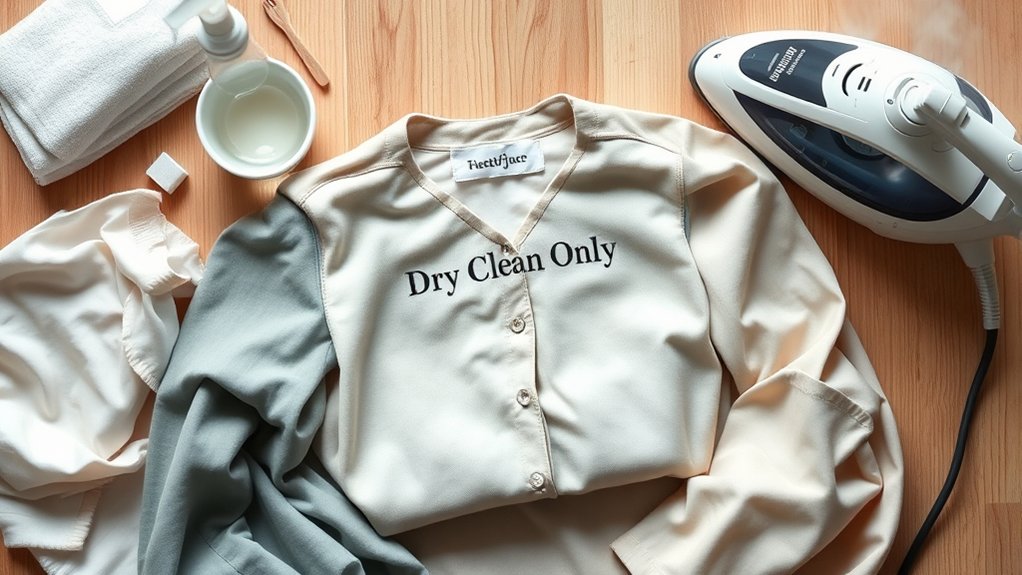
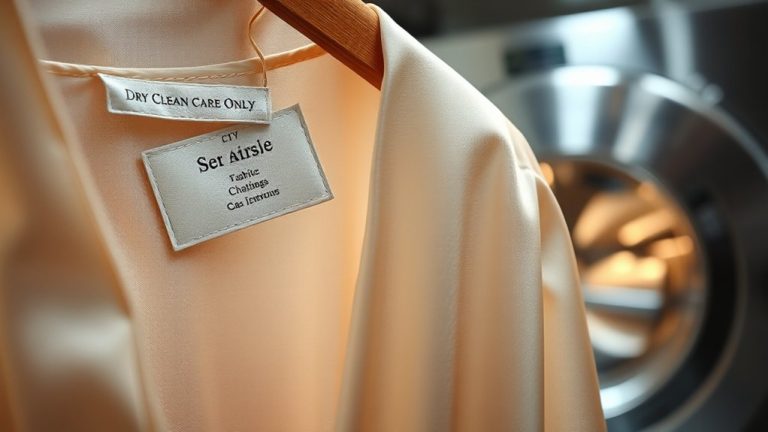
When you handle “dry clean only” fabrics like silk, wool, or cashmere with care, you can safely clean them at home using gentle steam or hand-washing methods. These approaches maintain fabric flexibility and enhance color preservation without resorting to harsh chemicals.
To do this effectively:
Use low-temperature water and mild detergents to prevent fiber damage and color fading. Employ a garment steamer or gentle hand-wash techniques to refresh the fabric while preserving its natural texture.
Dry items flat or use low heat with wool dryer balls to maintain shape and fabric integrity.
How to Handwash Dry Clean Only Clothes
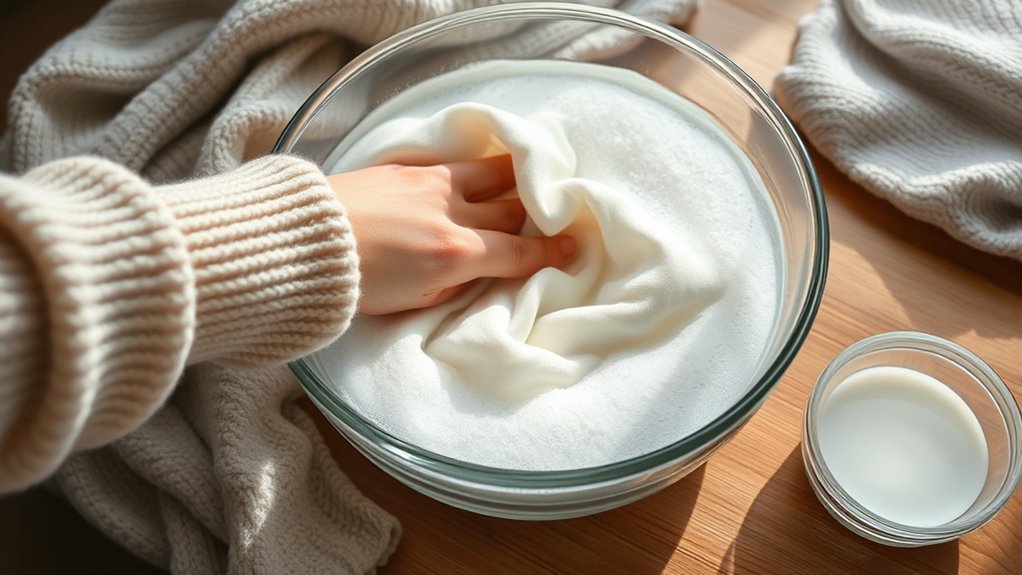
You’ll want to use cool water and a mild detergent to gently handwash your dry clean only clothes. Try to avoid any harsh agitation or wringing, as that can damage the fabric.
After you’ve washed them, make sure to rinse thoroughly to get rid of any detergent residue that might harm the material.
Once that’s done, lay the garment flat or hang it in a well-ventilated area. Just keep it away from direct heat so it dries properly without shrinking or warping.
Gentle Washing Techniques
If you want to preserve the quality of dry-clean-only garments, handwashing with cool water and a gentle detergent is essential. Avoid fabric softeners because they can degrade delicate fibers. To prevent color bleeding and damage, follow these precise steps:
First, pre-treat stains using a mild all-purpose cleaner. Gently agitate the affected area without harsh rubbing. This helps lift the stain without hurting the fabric.
Next, soak the garment in cool water with a specialized wool wash or gentle detergent for 15-30 minutes.
Then softly swirl or press the garment—never wring it—to keep the fibers intact.
Finally, rinse thoroughly with cool water to remove all detergent residues. This step minimizes the risk of stiffness or discoloration.
This method ensures thorough cleaning while protecting your garment’s texture and color during handwashing. It’s a simple way to keep your delicate clothes looking great.
Proper Drying Methods
After carefully handwashing your dry-clean-only garments, managing moisture removal and drying becomes the next critical step to maintain fabric integrity. Start by rolling delicate fabrics or sweaters in a clean towel to press out excess water without wringing. This helps prevent fiber distortion.
Then, lay items flat on a dry towel placed on a drying rack. This absorbs moisture evenly and helps maintain the shape.
If you prefer hanging, use padded or wide-shoulder hangers in a well-ventilated area. Make sure it’s away from direct sunlight to avoid color fading.
For down-filled pieces, go for a low-heat or cool dryer cycle with wool dryer balls. This ensures fabric softening and gentle, even drying.
These methods preserve texture, prevent damage, and extend garment life effectively after handwashing.
Refreshing Delicate Clothes With Steam and Gentle Wash
While delicate fabrics demand careful handling, steaming offers an efficient way to refresh them by vaporizing odors and loosening surface dirt without water exposure.
To guarantee steaming safety and fabric compatibility, follow these steps precisely:
Ensure safe and effective steaming by carefully following recommended steps for fabric compatibility and protection.
- Test a small, inconspicuous area to confirm the fabric tolerates steam without damage or discoloration.
- Hang garments in a well-ventilated space. Ideally, use a handheld steamer outdoors or in a bathroom during a hot shower to leverage natural humidity.
- Optionally, lightly mist clothes with a water and white vinegar mixture before steaming to neutralize odors and maintain fabric integrity.
This controlled steam application reduces chemical residues and wrinkles. It preserves delicate fibers while rejuvenating your garments efficiently and safely.
Removing Stains and Odors Without Harsh Chemicals
You can easily get rid of stains and neutralize odors using natural ingredients like vinegar, baking soda, and even vodka—no need for harsh chemicals.
For example, a diluted vinegar solution works wonders on organic stains. And if you’re dealing with mildew or musty smells on dry-clean-only fabrics, vodka is a great go-to.
To boost these effects, try steaming your clothes and then air-drying them outside. This not only helps remove odors but also leaves your fabrics feeling fresh.
It’s a simple, effective way to keep your garments clean without any harsh stuff.
Natural Stain Removal
Although commercial stain removers offer convenience, you can effectively remove stains and odors at home using natural methods that avoid harsh chemicals. These techniques also help prevent damage from fabric softeners and reduce risks of color bleeding.
Follow these steps:
- Apply a 1:1 mixture of white vinegar and water to stains. This solution acts as a natural deodorizer and stain remover without compromising fabric integrity.
- For dry-clean-only garments, dampen a clean cloth with vodka and gently blot the affected area to neutralize odors and light stains.
- Use sunlight exposure to break down organic stains and disinfect fabrics naturally. Just be sure to avoid prolonged drying to minimize color fading.
Odor Neutralizing Techniques
When odors cling to fabrics, neutralizing them without harsh chemicals preserves both the garment’s integrity and your health. Dampen a clean cloth with white vinegar and gently blot odor-affected areas to neutralize musty smells effectively.
Alternatively, hang clothes in a well-ventilated bathroom during a steamy shower. Steam breaks down odor-causing bacteria naturally.
For stronger odors, spray a vodka-water mixture onto fabrics. This eliminates smells without scent masking or chemical residue.
Use outdoor sunlight to air out natural fibers like wool and cashmere. UV rays kill microbes while providing gentle fabric softening.
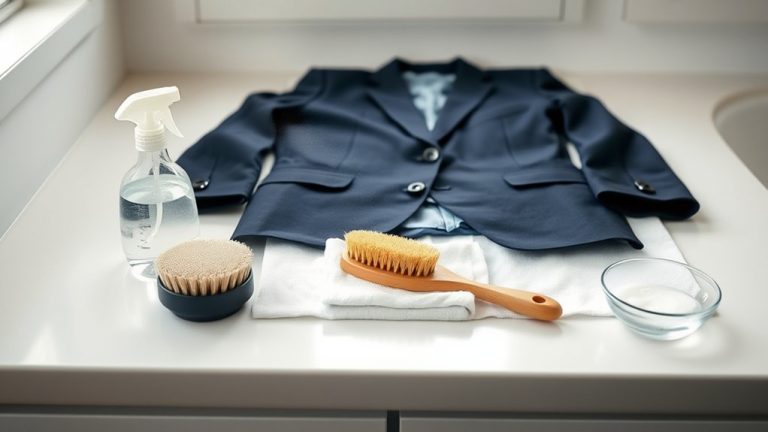
Regularly brushing garments with a clothes brush removes dirt and odor residues, maintaining fabric freshness.
These precise methods guarantee odor neutralization while avoiding harsh chemicals, preserving both fabric quality and your health.
Air Drying Tips to Maintain Garment Shape
Since improper drying can easily distort garment shapes, it’s essential to use appropriate techniques that preserve fabric integrity. Start with proper hanger selection: use padded or wide-shoulder hangers to support structure and prevent deformation during air drying.
Proper hanger choice is key to preventing garment distortion during air drying and preserving fabric shape.
Next, for delicate fabrics, use a drying rack, preferably mesh, to lay items flat. This helps avoid stretch and distortion.
Finally, deal with excess moisture by rolling sweaters or similar fabrics in a clean towel before flat drying. This reduces water weight and minimizes misshaping.
Always dry garments in a well-ventilated area away from direct sunlight. This ensures even airflow and prevents fading.
Avoid hanging heavy, wet garments for long periods because their weight can cause permanent stretching. Follow these steps and you’ll help maintain your garments’ original shape and fabric integrity.
When to Skip Home Washing and Choose Professional Cleaning
If your garment features intricate embellishments like beading or sequins, you should skip home washing to prevent damage. Embellishment caution is critical because agitation can loosen or ruin these delicate details.
Likewise, avoid attempting to clean heavily soiled or oil-based stains yourself, as these require professional stain removal techniques.
High value fabrics such as silk, wool, and cashmere demand specialized care to prevent shrinking, fading, or weakening.
Additionally, garments with zippers, velcro, hooks, or complex construction like tailored suits and formal dresses should be professionally cleaned to maintain structural integrity.
In these cases, entrusting your clothing to experts guarantees preservation of fabric quality and appearance, avoiding costly errors that home methods can cause.
When in doubt, choose professional cleaning to protect your investment.
Reducing Chemical Residue and Outgassing Dry Cleaned Clothes
Although dry cleaning effectively removes stains and dirt, it often leaves behind chemical residues and volatile organic compounds (VOCs) that can offgas from your clothes. To reduce chemical offgassing and promote safer wear, try these ventilation techniques.
Air out garments outdoors or in a well-ventilated space, like a porch or breezy area. This helps the VOCs and residues evaporate naturally.
You can also use a hand steamer outdoors to speed up the release of embedded chemical residues. It really helps with the offgassing process.
Keep airing your clothes until all detectable chemical odors disappear completely. That way, you can be sure there are minimal residual chemicals left.
Frequently Asked Questions
Can I Dry Clean at Home Using Household Items Like Vinegar?
Yes, you can use vinegar for DIY stain removal and to freshen up dry-clean-only fabrics by lightly deodorizing them.
But keep in mind, it’s not a full substitute for professional dry cleaning when dealing with heavy stains or deeply embedded dirt. So, vinegar can help for small touch-ups, but don’t rely on it for serious cleaning jobs.
How Often Should I Dry Clean My Clothes at Home?
Think of your clothes as delicate instruments. You should dry clean them at home every 3 to 4 wears for gentle stain removal and ideal clothing freshness.
Adjust how often you do it based on the fabric type and how active you’ve been. That way, you keep your clothes looking great and feeling fresh without overdoing it.
What Is the Best Way to Store Dry Cleaned Clothes?
To guarantee fabric preservation, store dry-cleaned clothes in breathable garment bags on padded hangers. This helps keep the shape intact and lets the fabric breathe.
Make sure to keep them in a cool, dry, and well-ventilated space. Avoid overcrowding your clothes because that can cause damage and wrinkles.
Taking these simple steps will help your clothes stay fresh and in great condition for longer. It’s all about giving them the right environment to rest until you wear them again.
Can Dry Cleaning at Home Damage Embellishments or Sequins?
Nearly 60% of DIY dry cleaning attempts risk embellishment safety. You must use gentle techniques to guarantee sequin preservation. Avoid heat and excessive moisture, which can loosen adhesives or warp delicate decorative details during at-home cleaning.
Taking care with your approach really makes a difference. It’s all about being gentle to keep those embellishments looking their best. So, take your time and treat your clothes with care!
How Do I Handle Dry Cleaning Large Items Like Coats or Suits?
When handling large items like coats or suits, you’ll want to use fabric alternatives like silk or wool-safe detergents. These are gentler and help keep the material in good shape.
Make sure to focus on targeted stain removal techniques. Hand washing gently is the way to go—avoid any agitation because that can damage the fabric.
After washing, air dry your items on padded hangers. This helps maintain their integrity and shape without causing any stretching or misshaping.
Conclusion
Think of your delicate garments like fragile glassware. You wouldn’t toss them in a dishwasher without care. By handwashing with gentle methods and avoiding harsh chemicals, you preserve their integrity and avoid the toxic residue typical of dry cleaning.
Studies show that 60% of dry cleaning solvents linger on clothes, causing irritation. When you steam, spot-clean, and air dry thoughtfully, you extend your garment’s life. This way, you keep it pristine without professional intervention.