How To Clean Lg Thinq Washing Machine – Step By Step Guide
To clean your LG ThinQ washing machine, start by removing and thoroughly washing the detergent drawer with mild detergent. Next, clean the door gasket using a bleach-water or vinegar solution, then scrub and dry it completely.
Disconnect the water hoses to soak and rinse the inlet filters. Run the Tub Clean cycle with a cleaning tablet or bleach solution monthly to prevent odor and buildup.
Wipe the exterior gently with a damp cloth. Following these steps guarantees peak performance and hygiene. If you want, I can share more detailed tips to help you maintain your washer effectively.
What You’ll Need Before Cleaning Your LG Washer
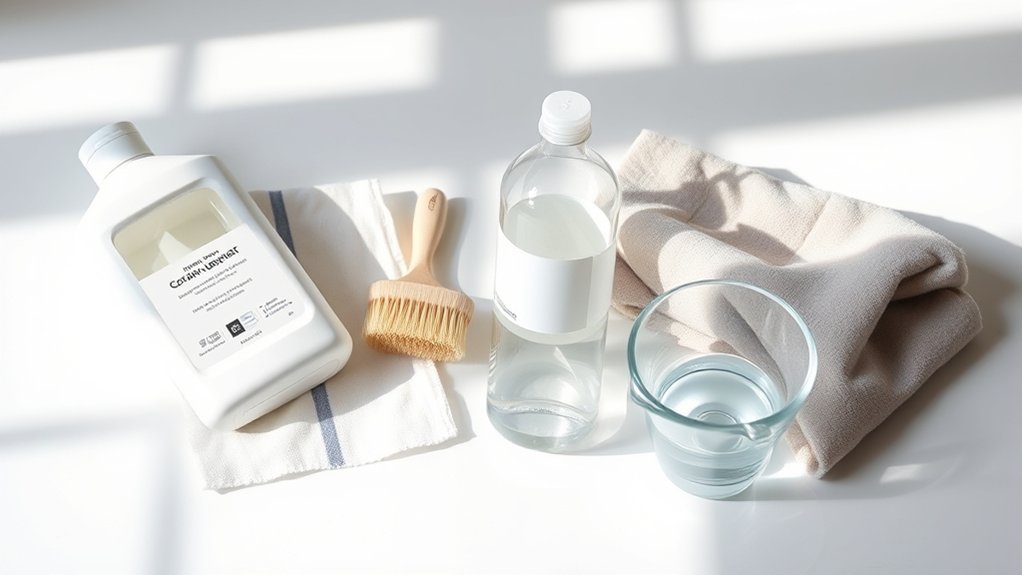
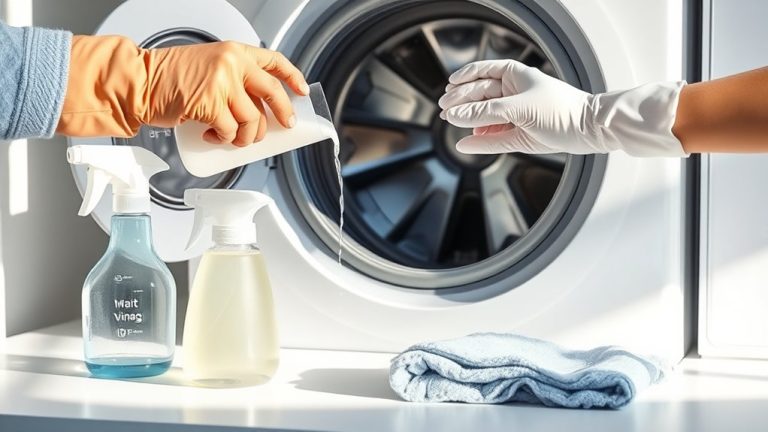
Before you begin cleaning your LG ThinQ washing machine, gather four essential supplies: a soft-bristle brush, mild detergent, cleaning tablets or vinegar, and a bucket or tray to catch water from the drain pump and hose areas.
Also, get a clean cloth for wiping surfaces and another one for thorough drying to prevent moisture from sticking around.
Use a suitable cleaning solution—either the recommended cleaning tablets or a vinegar-based alternative—just make sure it’s compatible with your model.
Choose cleaning tablets or a vinegar-based solution, ensuring it’s safe for your LG ThinQ washer model.
It’s a good idea to check your washer’s user manual to confirm specific cleaning instructions and find the best cleaning solution to avoid any damage.
Try to set aside some time each month for maintenance to stop detergent buildup and keep your washer running smoothly.
Having these supplies ready will make the cleaning process easier and help protect your LG ThinQ washing machine for the long haul.
How to Remove and Clean the Detergent Drawer
Keeping the detergent drawer clean prevents mold buildup and guarantees your LG ThinQ washer dispenses detergent properly.
To remove detergent residue effectively, first pull the detergent drawer out until it stops, then press the back tab to fully detach it.
Clean the inner tray using mild detergent and hot water. You can use a pipe cleaner for tight spaces to avoid clogging. Rinse all parts thoroughly to eliminate any detergent traces before reinserting.
Pull the drawer out until it stops. Press the back tab to release the drawer. Soak and scrub with mild detergent and hot water. Use a pipe cleaner for hard-to-reach areas. Rinse and securely reinsert the drawer.
Try to do this regularly to keep your washer working at its best and to prevent buildup.
Step-by-Step Guide to Cleaning the Door Gasket and Seal
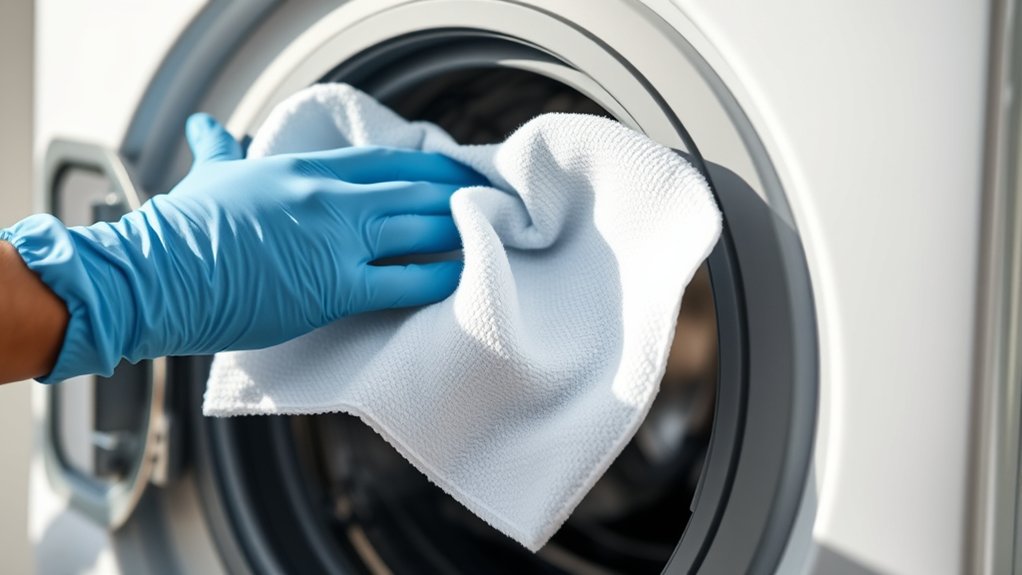
Cleaning the door gasket and seal of your LG ThinQ washing machine requires a careful approach to prevent damage while eliminating mold and mildew.
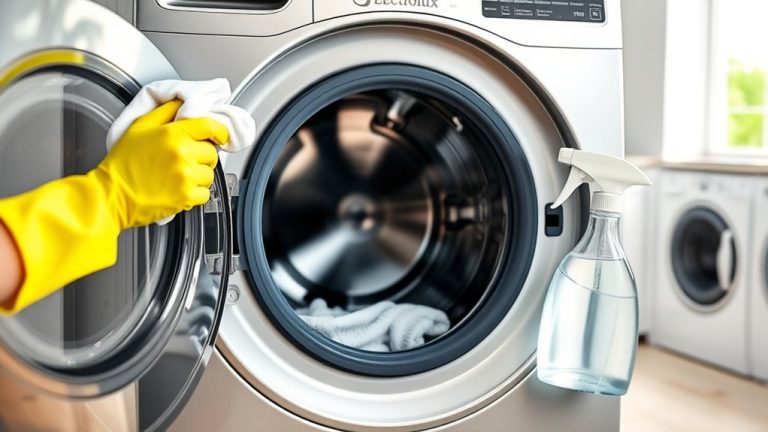
First, mix one part bleach with three parts water or use white vinegar. Dampen a soft cloth with the solution to clean the gasket gently, avoiding abrasive materials that could harm the rubber.
Dab the solution into the seal thoroughly and let it sit for 15 minutes to break down buildup. Afterward, wipe the gasket completely dry to prevent moisture retention, which encourages mold growth.
Inspect the gasket regularly for residue or buildup that could compromise the seal and cause leaks.
To keep things fresh and running smoothly, try to clean the gasket every month. It really helps maintain hygiene and peak performance.
Safely Cleaning Your LG Washer’s Inlet Filters
Maintaining your LG ThinQ washing machine goes beyond the door gasket; paying attention to the inlet filters is just as important to keep water flowing efficiently.
To safely clean the inlet filters, start by turning off the water supply and unplugging the washer.
Next, disconnect the hot and cold water hoses. Carefully remove the inlet filters from the inlet valve and soak them in vinegar or a lime scale remover to dissolve any buildup. Rinse them thoroughly with warm water before putting them back in.
Finally, reattach the hoses securely and restore the water supply. Make sure to check for leaks once everything is back in place.
Visualize the process:
- Turning off water and unplugging the machine
- Unscrewing and removing inlet hoses
- Extracting inlet filters from the valve
- Soaking filters in vinegar solution
- Reinstalling filters and hoses securely
Regular cleaning helps preserve efficient water flow and keeps your machine performing well.
How to Clean the Drain Pump and Filter for Better Performance
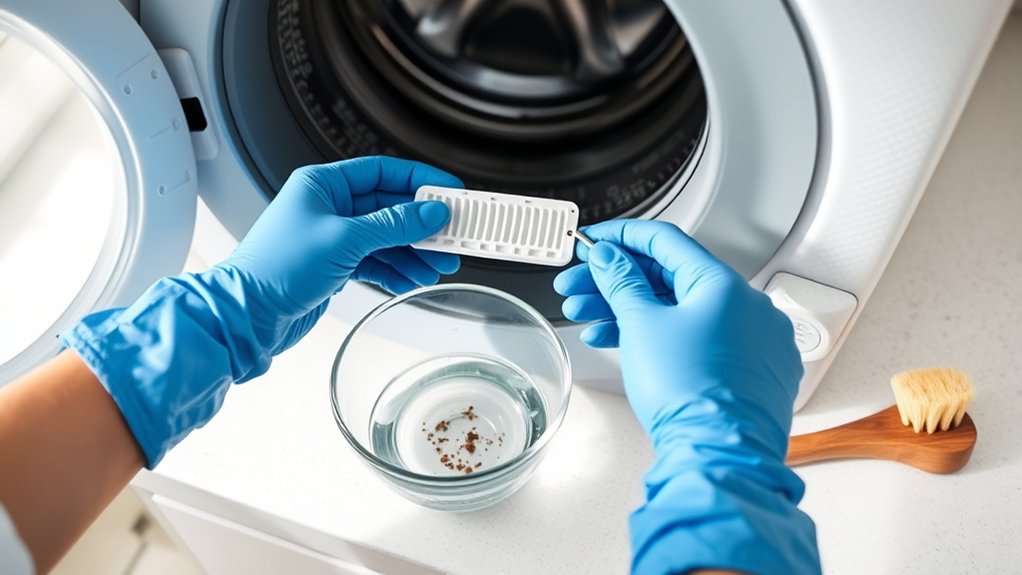
One essential step to confirm your LG ThinQ washer runs smoothly is to clean the drain pump and filter regularly. Start by unplugging the washer and opening the bottom-left service panel. Unclip the drain hose and remove the cap to drain excess water.
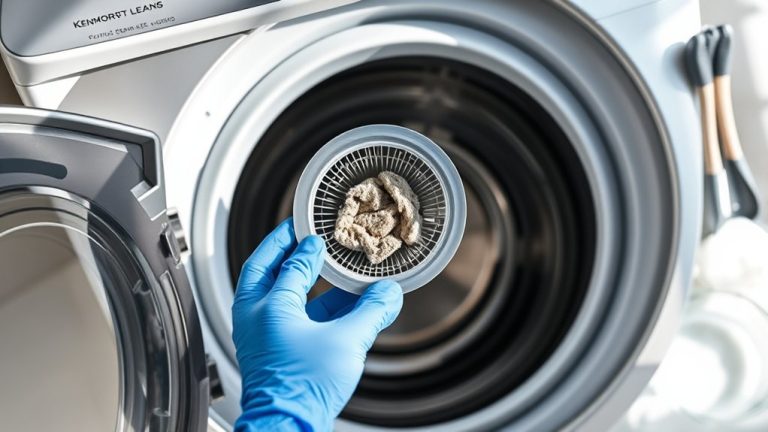
Next, twist the pump filter counter-clockwise to remove it. Use a soft-bristle brush to clean the lint and debris thoroughly. After cleaning, securely reattach the filter and close all components to prevent leaks.
Regular maintenance prevents drainage issues and optimizes performance.
| Step | Action | Tip |
|---|---|---|
| Access | Open service panel | Bottom-left corner |
| Drain & Remove Filter | Unclip hose, remove filter | Drain water before cleaning |
| Clean & Reassemble | Brush lint, reattach filter | Confirm secure closure to avoid leaks |
How to Run the Tub Clean Cycle
Start by removing all clothing and foreign objects from the drum to guarantee an effective Tub Clean cycle.
Next, select the [TUB CLEAN] option on your LG ThinQ washing machine’s control panel.
Place a commercial cleaning tablet or a bleach-water solution (1 part bleach to 3 parts water) in the main detergent compartment.
Press [START/PAUSE] to initiate the tub clean cycle, which runs approximately 1 hour and 23 minutes.
After completion, leave the door and detergent dispenser open to ventilate the washer and prevent moisture buildup.
Visualize these steps:
- Empty drum with no clothes inside
- Main detergent compartment opened
- Control panel showing [TUB CLEAN] selected
- Tablet placed securely in the detergent compartment
- Washer door and dispenser left ajar post-cycle
Run this tub clean cycle monthly or weekly for three weeks if odors persist.
It’s an easy way to keep your washer fresh and running smoothly!
Choosing Between Vinegar and Cleaning Tablets for Your LG ThinQ Washer
You can use vinegar as a cost-effective alternative by pouring it directly into the drum for a basic clean. It’s a simple way to freshen up your washer without spending much.
However, cleaning tablets designed specifically for washing machines go a step further. When you place them in the detergent compartment, they work to target detergent buildup and odors more thoroughly.
For the best results, it’s a good idea to follow LG’s guidelines and pick the method that suits your cleaning needs the most.
Vinegar Usage Benefits
Two primary options exist for maintaining your LG ThinQ washer’s cleanliness: vinegar and specialized cleaning tablets.
Vinegar acts as a natural, cost-effective cleaner that removes odors and mineral deposits efficiently. When using vinegar, mix one part vinegar with three parts water, letting it sit for 15 minutes to target seals and gaskets.
Pour this solution directly into the drum during the Tub Clean cycle for best results. Regular vinegar use helps prevent mold and mildew by keeping the interior dry and fresh, especially with proper ventilation after cycles.
Keep in mind, while vinegar is effective for monthly maintenance, it may be less potent than commercial cleaners for heavy buildup.
- Neutralizes unpleasant odors
- Dissolves mineral deposits
- Cleans seals and gaskets thoroughly
- Prevents mold and mildew growth
- Supports cost-effective, natural maintenance
Cleaning Tablet Advantages
Although vinegar provides a natural cleaning option, cleaning tablets offer targeted effectiveness specifically formulated for washing machines. They contain enzymes and surfactants that break down detergent buildup and odors more efficiently than vinegar. Cleaning tablets also reduce the risk of damage to seals and components, which vinegar might cause if undiluted.
LG recommends using their branded cleaning tablets for peak machine performance. Plus, they’re convenient. Just place a tablet in the detergent compartment and run the Tub Clean cycle.
| Feature | Vinegar | Cleaning Tablets |
|---|---|---|
| Cleaning Power | Moderate, natural acids | High, enzymatic and surfactant |
| Machine Safety | Risk of seal corrosion | Formulated to protect components |
| Ease of Use | Requires measuring & mixing | Simple, ready-to-use tablet |
How to Clean the Exterior Without Damaging the Washer
A soft cloth dampened with a mild cleaner effectively removes stains and spills from the exterior of your LG ThinQ washing machine without causing damage.
To maintain the finish, avoid abrasive cleaners or scouring pads that can scratch the surface.
Regularly cleaning the exterior prevents grime buildup and preserves the appliance’s appearance. After wiping, make sure the surface is thoroughly dried to avoid water spots or damage.
For stubborn stains, use a gentle, non-abrasive cleaner formulated for appliances to keep things safe and effective.
Use a microfiber or soft cotton cloth. Apply a mild cleaner diluted as per instructions. Gently wipe in circular motions to lift dirt.
Rinse the cloth and remove residue with clean water. Then dry the surface completely with a dry, soft cloth.
Preventing Mold and Odors in Your LG ThinQ Washer
To keep mold and odors from building up in your LG ThinQ washer, try running the Tub Clean cycle once a month.
Using a recommended cleaner during this cycle helps get rid of any detergent buildup.
It’s also a good idea to regularly clean the detergent dispenser, rubber door gaskets, and lint filter.
This helps reduce moisture and prevent blockages that can cause problems.
After every wash, just leave the door and detergent drawer open for a while.
This allows air to circulate inside and keeps things fresh.
It’s a simple habit that really makes a difference!
Mold Prevention Tips
When you want to keep your LG ThinQ washer free from mold and odors, focus on maintaining key components regularly. Implement these mold prevention tips to guarantee peak hygiene and performance.
Thoroughly clean the door gasket and seal with a solution of white vinegar or diluted bleach to inhibit mold growth.
Clean the detergent dispenser and compartment regularly to remove soap residue that encourages mold.
Leave the door ajar after each wash to promote airflow and reduce moisture buildup inside the drum.
Run a monthly Tub Clean cycle with white vinegar or commercial tablets to eliminate detergent residues.
Inspect and clean the lint filter and drain pump filter frequently to avoid clogs and standing water that cause odors.
Odor Removal Techniques
Maintain your LG ThinQ washer’s freshness by running the Tub Clean cycle monthly. This helps prevent odor buildup and guarantees peak performance.
If you notice musty smells, try running the Tub Clean cycle weekly for three weeks. This will help eliminate odors effectively. Also, clean the door gasket and seal with a bleach-water or vinegar solution to fight mold.
Always leave the door and detergent dispenser open after each wash to reduce moisture. It really makes a difference in keeping things fresh. Don’t forget to regularly check and clean the detergent dispenser and inlet filters to avoid residue buildup that causes odors.
| Task | Frequency |
|---|---|
| Run Tub Clean cycle | Monthly (or weekly if odor) |
| Clean door gasket & seal | Monthly |
| Leave door & dispenser open | After each wash |
| Clean detergent dispenser & filters | Periodically |
Maintaining Washer Freshness
Although LG ThinQ washers are designed for efficiency, preventing mold and odors takes a bit of consistent care. Keeping your washer fresh really comes down to routine cleaning and good ventilation.
It helps to run the tub clean cycle regularly using cleaning tablets or even vinegar to get rid of buildup and odors.
After each wash, try leaving the door and detergent dispenser open for a while so they can dry out.
Don’t forget to clean the door gasket once a month with diluted bleach or vinegar to clear away any residue. Taking clothes out promptly after the cycle finishes also helps reduce moisture, which keeps mold at bay.
You should also check and clean the drain pump and inlet filters regularly. This ensures proper drainage and prevents any stagnation that could cause smells or damage.
- Run tub clean cycle with tablets/vinegar routinely
- Leave door and dispenser open post-wash
- Clean door gasket and seal monthly
- Remove clothes immediately after cycle ends
- Check and clean drain pump and inlet filters regularly
When to Contact LG Support About Washer Cleaning Issues
How do you know if your LG ThinQ washing machine requires professional support for cleaning issues?
If the musty odor sticks around even after several Tub Clean cycles, it’s time to contact LG support.
If you notice mold or mildew on the door gasket and seals despite regular cleaning, that’s another reason to get professional help.
Also, if your washer keeps failing to drain properly after you’ve cleaned the drain pump filter, don’t wait—reach out to LG support quickly.
If you see error codes or your machine malfunctions during the Tub Clean cycle and manual troubleshooting doesn’t fix it, that’s a clear sign you need expert assistance.
Finally, if the Tub Clean cycle won’t finish or the cleaning doesn’t seem as effective even after following all the maintenance steps, contact LG support for a thorough check and solution.
Frequently Asked Questions
Can I Use Bleach in My LG Thinq Washing Machine Regularly?
You shouldn’t use bleach regularly in your LG ThinQ washing machine.
Bleach usage is safe only when diluted (one part bleach to three parts water) and applied sparingly. Typically, this means using it once a month during the Tub Clean cycle.
Frequent bleach use can damage rubber seals and internal components.
Always put bleach in the designated compartment and run a rinse cycle afterward to remove residue. This helps prevent odor and protects your machine’s lifespan.
How Often Should I Clean My LG Thinq Washing Machine?
You should follow a cleaning frequency of once a month to keep your LG ThinQ washing machine in top shape.
If you detect musty odors, increase cleaning by running the Tub Clean cycle weekly for three weeks. The TCL code will notify you after about 30 cycles, prompting cleaning.
Make sure to regularly clean components like the detergent dispenser and gaskets to prevent buildup.
Keeping up with this schedule helps your machine perform at its best and last longer.
It’s a simple routine that really pays off in the long run.
Will Cleaning Affect My Washer’s Warranty?
Did you know 90% of LG ThinQ users maintain warranty validity by following cleaning guidelines?
Cleaning your washer won’t void the warranty as long as you avoid damage and use approved products.
To address warranty concerns, always follow manufacturer instructions and run the Tub Clean cycle regularly.
It’s a good idea to document your maintenance activities for proof if needed.
For precise terms, consult your warranty info or contact LG support before cleaning to stay fully compliant.
That way, you can keep your washer in great shape without any worries.
Can I Clean the Washer While Clothes Are Inside?
You shouldn’t clean the LG ThinQ washer with clothes inside to guarantee proper laundry safety. Running a cleaning cycle with laundry present prevents thorough removal of detergent buildup and residue.
Always remove all garments before starting the Tub Clean cycle to maintain ideal washer hygiene and performance.
This practice protects internal components like the drum and gasket. It helps make sure your machine stays in top condition and operates safely and efficiently over time.
What Are Signs My LG Thinq Washer Needs Professional Servicing?
If your LG ThinQ washer starts showing common issues like persistent error codes or a TCL warning, it’s time to call a pro.
You’ll also want expert help if you notice musty odors lingering or water leaking around the seals.
If the drum refuses to spin or drain properly, don’t hesitate to get professional servicing.
And don’t ignore grinding or banging noises. These mechanical red flags need precise, professional attention to keep your washer humming smoothly.
Conclusion
Cleaning your LG ThinQ washer might seem tedious, but skipping it leads to mold and odors that degrade performance. By regularly tackling the detergent drawer, gasket, filters, and pump, you guarantee efficient, long-lasting operation.
Using vinegar or tablets offers simple solutions. Plus, gentle exterior cleaning helps preserve your machine’s finish. It’s really about keeping things fresh and running smoothly.
Don’t let a small buildup turn into costly repairs. Stay proactive and contact LG support if issues persist. Maintenance today means reliability tomorrow.