Can You Hand Wash Dry Clean Only Clothes – Safe Methods Explained
You can hand wash many “Dry Clean Only” clothes using cold water, a gentle detergent, and very careful handling to avoid shrinkage, color bleeding, or distortion. First, test a hidden area for colorfastness to guarantee safe washing.
Avoid hand washing delicate fabrics like silk, wool, or heavily embellished items. These need professional care to maintain quality.
Proper rinsing and flat drying preserve shape and fiber integrity. Exploring these methods will help you safely clean vulnerable garments.
Can You Hand Wash Dry Clean Only Clothes?
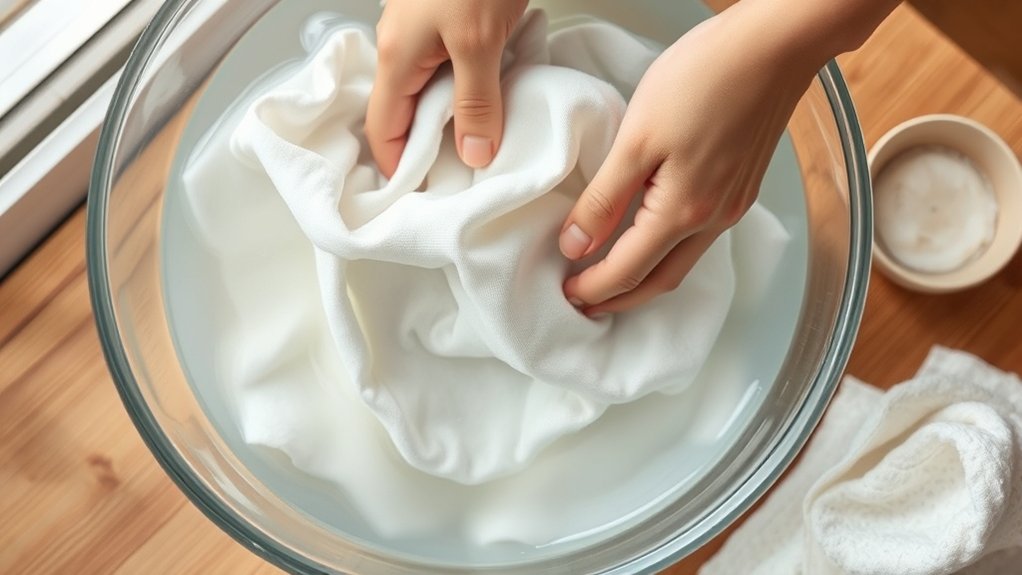
Although many garments labeled “Dry Clean Only” are sensitive to water, you can hand wash them with extreme caution. The fabric durability of these items is often compromised by water sensitivity, making improper washing risky. To minimize damage, use cold water and a mild detergent formulated for delicate fabrics.
Many “Dry Clean Only” garments can be hand washed cautiously using cold water and mild detergent for delicate fabrics.
Handle the garment gently to avoid shrinkage, distortion, or color bleeding. Before washing the entire piece, perform a spot test on a hidden area to check for colorfastness.
Always consult the care label for specific instructions.
If you’re uncertain about the fabric’s response to water, professional cleaning remains the safest choice.
Dry Clean Only Fabrics to Avoid Hand Washing
Which fabrics should you never hand wash despite the temptation to do so? Delicate materials like silk, wool, rayon, velvet, and taffeta are highly susceptible to fabric deterioration through shrinkage, stretching, or distortion when exposed to water and agitation.
Also, garments adorned with beads, sequins, or embroidery risk losing embellishments during hand washing. Items featuring coatings, metallic finishes, or bonded layers can suffer surface damage or weakening of adhesives, which further compromises their integrity.
Structured or tailored pieces such as suits and blazers will likely lose their shape. Plus, fabrics with intricate finishes or delicate trims are prone to damage and color bleeding. To avoid irreversible harm, you should refrain from hand washing these fabrics.
Their delicate nature really demands more controlled cleaning methods to keep them looking good and lasting longer.
When to Choose Professional Dry Cleaning Instead

Recognizing when to opt for professional dry cleaning is essential to preserving the integrity of your dry clean only garments. When dealing with delicate fabrics such as silk, wool, or heavily beaded items, professional cleaning is the safest choice. Hand washing risks shrinking, color fading, and distortion, especially with structured or embellished pieces.
Professional dry cleaning safeguards delicate fabrics like silk and wool from shrinking, fading, and distortion.
Also, home methods often fail to remove stains effectively without damaging the fabric. Professional cleaning uses specialized solvents that guarantee thorough dirt and stain removal while keeping the fabric in good shape.
If you’re unsure about the garment’s care requirements, it’s best to follow the label instructions and seek professional cleaning. This way, you ensure your clothes last longer and look great.
Choosing professional dry cleaning protects your investment and prevents irreversible damage that home washing might cause.
Why You Should Test for Colorfastness First
How can you avoid ruining your dry clean only clothes with color bleeding during hand washing? The key is testing for colorfastness first. This means applying a small amount of water or mild detergent to a hidden area to see if the fabric dye bleeds or causes color transfer.
If color transfers to a white cloth, the garment isn’t colorfast and should not be hand washed.
| Fabric Type | Likelihood of Color Bleeding | Test Area | Action if Bleeding Occurs |
|---|---|---|---|
| Silk | High | Inside hem | Avoid hand washing |
| Wool | High | Inner seam | Avoid hand washing |
| Rayon | Moderate | Underarm | Avoid hand washing |
| Polyester | Low | Hidden tag | Proceed with caution |
Make sure to use the same water temperature and detergent concentration you plan to use for washing. This little test helps prevent unwanted dye transfer and keeps your fabric looking great.
Choosing the Right Detergents and Supplies
After confirming your garment’s colorfastness, selecting the appropriate detergent and supplies becomes the next critical step to preserve the fabric’s integrity. You want to avoid fabric softeners and harsh chemicals that might cause color bleeding or weaken the fibers. It’s best to choose a gentle, pH-neutral detergent designed specifically for delicate fabrics. This helps keep your clothes soft and prevents damage.
Confirm colorfastness, then use gentle, pH-neutral detergent to protect delicate fabrics and prevent damage.
Here are a few things to keep in mind:
- Use detergents labeled for hand washing or delicate fabrics only.
- Avoid bleach and fabric softeners since they can discolor or weaken fibers.
- Measure detergent accurately by following the product instructions to prevent residue buildup.
- For sensitive materials like silk or wool, pick specialized detergents that protect the fabric’s structure.
Taking this cautious approach means your dry clean only clothes will stay intact and vibrant after hand washing. It’s all about treating your garments with the care they deserve!
How to Hand Wash Dry Clean Only Clothes
Before you start hand washing, take a moment to check the care label carefully. It’s also a good idea to remove any loose dirt or stains from your garment first.
Next, fill a basin with cool or lukewarm water and add a gentle detergent made specifically for delicate fabrics. This helps prevent any damage.
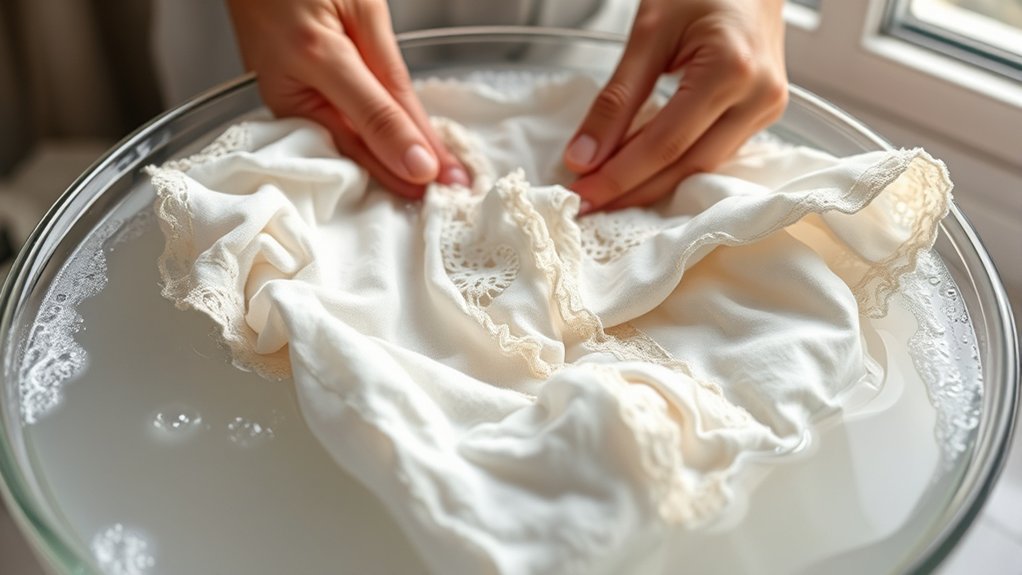
When you’re ready, gently submerge the item in the water. Swirl it around softly—try not to rub or wring the fabric.
This way, you’ll keep the garment’s integrity intact throughout the whole process.
Preparing Garments Properly
Two essential steps guarantee your dry clean only garments are ready for hand washing: verifying the care label instructions and selecting the appropriate detergent. Begin by carefully checking the label to confirm hand washing is safe.
Perform fabric testing on a hidden area to ensure the detergent won’t damage fibers or color.
For stain removal, treat spots gently with a mild solution before full washing.
Before submerging your garment, prepare it properly by following these steps:
- Turn the garment inside out to protect embellishments and finishes.
- Use cool or lukewarm water with a pH-neutral detergent formulated for delicates.
- Avoid rubbing or wringing to prevent fiber damage.
- Rinse thoroughly and lay flat on a clean towel to absorb moisture evenly.
This cautious preparation helps maintain fabric integrity during hand washing.
Gentle Washing Techniques
Although hand washing dry clean only clothes requires extra care, following precise techniques can preserve their delicate fibers and finishes. Begin by testing a small, hidden area with water and gentle detergent to confirm colorfastness.
Soak the garment in cool water mixed with a fabric-specific detergent for up to 30 minutes, allowing for effective stain removal without agitation.
Gently swirl the fabric without rubbing or wringing to prevent distortion and damage.
After washing, rinse thoroughly with cool water to remove detergent residue.
Press out excess water by rolling the garment in a clean towel. Avoid twisting it.
Finally, lay the garment flat on a clean towel or hang it in a ventilated area away from direct sunlight or heat. This helps keep the fabric in good condition and maintains the garment’s shape and integrity.
Rinsing and Removing Excess Water Safely
You’ll want to rinse your garment gently in cool, clean water to protect its fibers and keep the colors from fading.
Try not to twist or wring the fabric because that can stretch or damage it. Instead, press the item softly between two dry towels to soak up the extra water without squeezing too hard.
Gentle Rinsing Techniques
When rinsing dry clean only garments, gently swish them in cool, clean water with a small amount of delicate detergent. This helps prevent agitation. Keeping the water temperature just right is key to preserving the fabric’s softness and avoiding shrinkage or damage.
Try not to wring or twist the fabric, as that can distort the fibers.
To rinse and remove excess water safely, use cool water to rinse thoroughly and make sure no detergent residue is left behind. Support the garment with your hands so it doesn’t stretch while you rinse.
Then, gently press the fabric between clean towels to soak up moisture without wringing. Handle the fabric carefully to keep it soft and maintain its shape.
Following these gentle techniques really helps protect your dry clean only clothes during hand washing. It’s all about being precise and kind to the fabric.
Safe Water Removal
Two clean towels provide the safest way to remove excess water from dry clean only garments without causing damage. After rinsing, gently press the garment between the towels to absorb moisture. Never wring or twist, as this risks fiber distortion.
Support the fabric carefully with your hands during rinsing to maintain shape and protect delicate fibers.
For additional water removal, lay the garment flat on a dry towel and apply even pressure by pressing gently. This technique safeguards fabric integrity and helps with stain removal by preventing waterborne spread.
Only once most moisture is extracted should you hang or lay the garment flat to dry. Following these precise steps ensures ideal fabric care while minimizing damage during water removal after hand washing.
It’s a simple routine that really makes a difference.
Safe Drying Techniques for Delicate Dry Clean Only Clothes
Although delicate dry clean-only garments require special care, you can safely air dry them by laying each piece flat on a clean, dry towel. Gently reshape it to preserve its form. This technique prevents stretching and distortion common in heavy or delicate fabrics.
Proper drying plays a vital role in maintaining your garment’s integrity after stain removal or fabric repair. So, it’s worth taking the time to do it right.
Follow these guidelines for safe drying:
- Avoid hanging wet garments to prevent fabric distortion.
- Keep the drying area well-ventilated and shielded from direct sunlight or heat sources.
- Never tumble dry or use high heat, as this weakens fibers and causes shrinkage.
- Make sure garments are completely dry before storing to avoid mold or odor buildup.
Frequently Asked Questions
How Often Can I Safely Hand Wash Dry Clean Only Clothes?
You should hand wash dry clean only clothes sparingly, considering fabric durability and using gentle hand washing techniques. Limit it to occasional refreshes every few months to avoid weakening fibers or damaging delicate finishes.
It’s best to be cautious because these fabrics can be pretty sensitive. When you do wash them by hand, use cool water and a mild detergent. Always handle the garment gently to keep it looking its best.
Can Hand Washing Dry Clean Only Clothes Remove All Stains?
If you hand wash a silk blouse with protein stains, you won’t remove all stains due to fabric durability limits. You’ll risk color fading and incomplete removal, so cautious treatment or professional cleaning is preferable for thorough results.
It’s really about being careful with delicate fabrics like silk. Sometimes, even gentle hand washing isn’t enough to get everything out. So, when in doubt, taking it to a professional cleaner is usually your best bet.
Are There Specific Detergents to Avoid With Dry Clean Only Fabrics?
You should avoid detergents with enzymes, bleach, optical brighteners, or harsh surfactants. Dry clean only fabric types have chemical sensitivities that can easily be damaged by these ingredients.
Instead, use gentle, pH-neutral detergents that are formulated specifically for delicate fibers. This helps prevent damage or discoloration and keeps your clothes looking their best.
It’s really about being careful and choosing the right products to protect those special fabrics.
How Do I Store Dry Clean Only Clothes After Hand Washing?
Did you know 85% of fabric damage happens because of improper storage? It’s true! So, when you’re storing dry clean only clothes after hand washing, it’s important to be careful.
Try using breathable garment bags or wrapping your clothes in acid-free tissue paper. Then, keep them in a cool, dry place to help preserve their quality.
Following these simple storage tips can really make a difference in how long your clothes last. Just a little extra care goes a long way!
Can Hand Washing Affect the Garment’s Shape or Fit Over Time?
Yes, hand washing can cause fabric distortion and color fading if not done carefully. You’ll need to use gentle techniques and avoid excessive agitation to preserve the garment’s shape and fit over time.
Just be mindful when you’re washing by hand. Taking it slow really helps keep your clothes looking their best.
Conclusion
You can hand wash dry clean only clothes cautiously, but treat them like fragile glass. One wrong move could cause damage. Always test for colorfastness first and choose gentle detergents designed for delicates.
Avoid harsh agitation, rinse thoroughly, and remove excess water with care. When in doubt, trust professional dry cleaners to preserve your garment’s integrity. Following these precise steps minimizes risk, ensuring your delicate fabrics stay safe and intact.