How Can I Dry Clean At Home – Easy Methods Guide
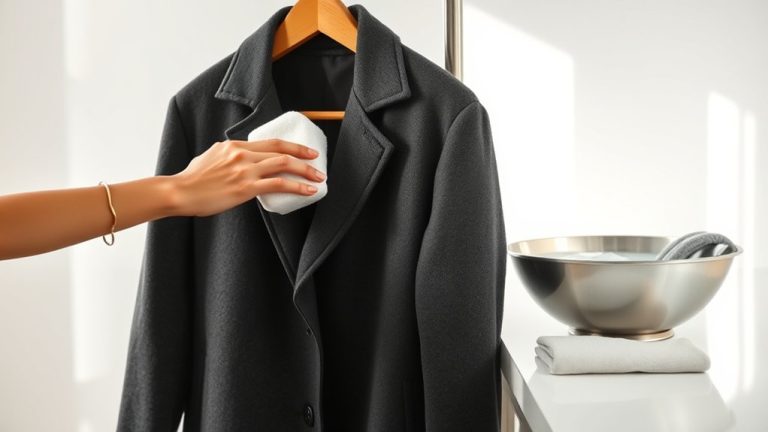
You can dry clean at home by first checking your garment’s care label and testing for colorfastness using a mild vinegar-water solution. Treat light stains gently with eco-friendly detergents, then hang the garment in a well-ventilated area to air out odors and dry.
Use breathable garment bags and avoid heavy soils or delicate fabrics like leather. Following precise steps preserves fabric integrity and extends wear. Explore further to master every detail for effective home dry cleaning.
Can You Dry Clean Clothes at Home?
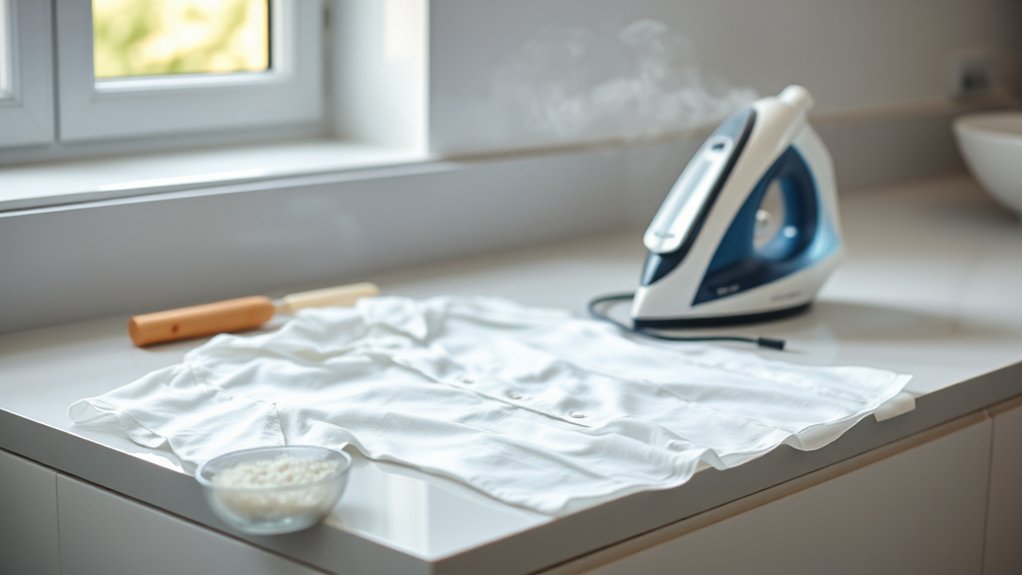
Although not all garments labeled “dry clean only” can be safely cleaned at home, you can refresh certain fabrics like wool, cashmere, and silk using gentle methods such as steaming and airing. These techniques help maintain fabric durability by minimizing exposure to harsh chemicals and water.
Home dry cleaning is best suited for lightly soiled garments. Deep stains often require professional stain removal to avoid fabric damage.
You should always consult the care label before attempting any home treatment because improper methods risk shrinking or fading.
While home methods can extend the life of your garments between professional cleanings, they don’t fully substitute professional dry cleaning.
Materials Needed for Home Dry Cleaning
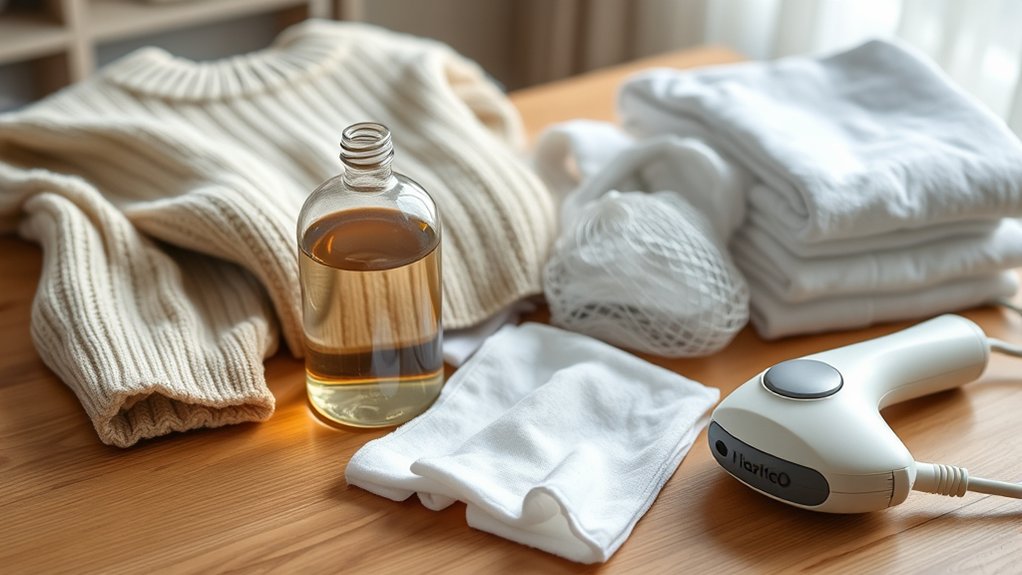
To dry clean your clothes at home effectively, start by gathering some essential supplies like white vinegar, baking soda, and a clean microfiber cloth. These items will help you get the job done without any hassle.
Next, make sure you prepare a well-ventilated area. This is important because it helps minimize your exposure to any cleaning fumes that might be released during the process.
Also, don’t forget to use fabric-safe tools such as garment bags and mild detergents. These will protect your delicate materials and keep your clothes looking great throughout the cleaning.
Essential Cleaning Supplies
When preparing for home dry cleaning, gathering the right materials guarantees effective results while protecting your garments. Essential supplies include white vinegar, a natural deodorizer and stain remover that helps maintain fabric softness and color preservation. Baking soda is also vital for absorbing odors and freshening fabrics prior to airing.
Use a clean microfiber cloth to gently wipe and polish delicate surfaces without damaging fibers. Additionally, employing a garment bag during air-drying shields clothing from dust and abrasions, preserving their texture and hue.
Though not part of materials, make sure you work in a well-ventilated area to prevent moisture accumulation, which can compromise fabric integrity.
This precise selection of supplies optimizes cleaning efficacy while safeguarding your garments’ quality and appearance. Just remember, having the right stuff on hand makes all the difference when you want your clothes looking fresh and well cared for.
Preparing Cleaning Environment
Since proper preparation directly impacts your cleaning results, you need to assemble specific materials before starting home dry cleaning. Creating an ideal cleaning environment enhances fabric care and optimizes stain prevention. Focus on these essentials:
- Natural Cleaning Agents: White vinegar and baking soda serve as effective deodorizers and stain removers. They help reduce chemical use while keeping your fabric’s integrity intact.
- Ventilated Space: Work in a well-ventilated area to help fabrics dry faster and get rid of any lingering odors. This step is really important for thorough fabric care.
- Protective Storage: Use a breathable garment bag to protect cleaned items from dust, odors, and damage. This way, your garments stay fresh and in great shape after cleaning.
Also, keep a clean microfiber cloth handy for precise touch-ups and to remove any residue. It’s a simple trick to make sure your fabrics look their best throughout the process.
Fabric-Safe Cleaning Tools
Although home dry cleaning doesn’t require industrial machines, you’ll need specific fabric-safe tools to achieve ideal results. Essential materials include eco-friendly detergents for gentle cleaning and fabric softening agents to maintain garment texture.
You can use white vinegar as a natural deodorizer and baking soda to absorb odors before airing out clothes. A clean microfiber cloth effectively removes dust and light stains without damaging fibers.
| Tool | Purpose | Application |
|---|---|---|
| Eco friendly detergent | Gentle yet effective cleaning | Mix with water for stain removal |
| Microfiber cloth | Dust and light stain removal | Wipe surfaces carefully |
| Garment bag | Protects fabric during drying | Store or air-dry clothes safely |
Make sure to use these tools in a well-ventilated area to guarantee maximum drying and odor control. It really helps keep your clothes fresh and looking great!
How to Prepare Garments for Home Dry Cleaning
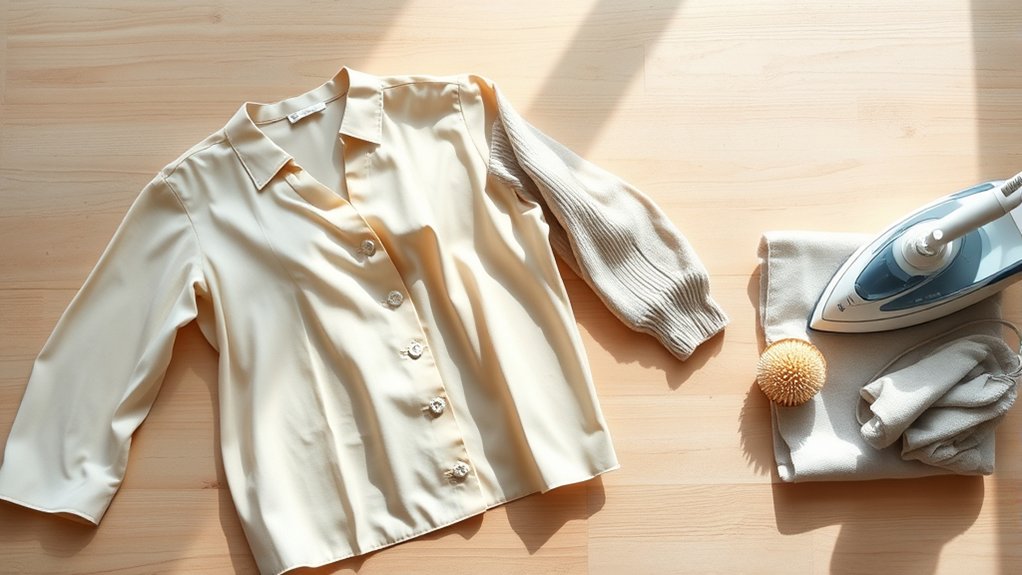
Before you begin home dry cleaning, make sure you thoroughly prepare each garment to achieve the best results and avoid damage. Fabric durability and stain resistance can vary a lot, so proper preparation is really important.
First, check the care label. Confirm the garment is suitable for home dry cleaning by reviewing the fabric type and any “dry clean only” instructions. This helps you avoid damaging delicate materials like fur or leather.
Next, perform a spot test. Use a Q-tip with water or a mild solution on an inconspicuous inside seam to test colorfastness. This way, you can make sure the fabric won’t bleed or discolor.
Finally, air out the garment. Hang the item in a well-ventilated area, like near an open window, to let fresh air circulate. This helps reduce any odors before you start cleaning.
These simple steps will help keep your fabric durable and maintain stain resistance during your home dry cleaning process.
How to Remove Stains Before Dry Cleaning
Before you start dry cleaning at home, it’s important to first figure out what kind of stain you’re dealing with. This way, you can pick the right spot treatment that will actually work.
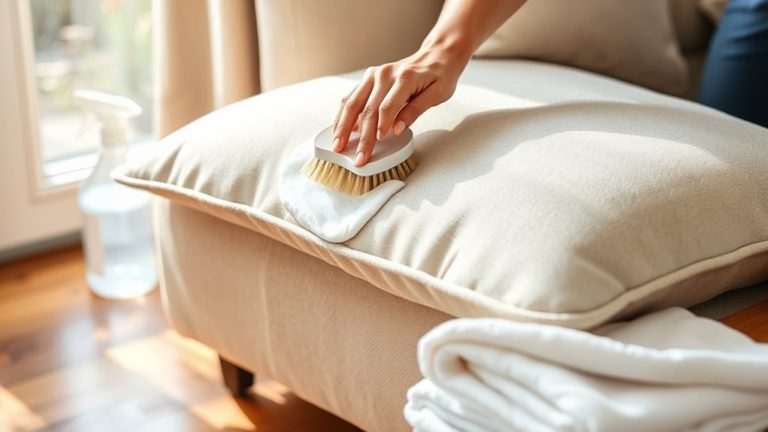
You can use safe pre-cleaning solutions like diluted white vinegar or some dish soap. Just apply them gently with a clean cloth so you don’t harm the fabric.
And remember, always test any stain remover on a hidden part of the fabric first. Let it sit for a little bit before you move on to the next step.
Identifying Stain Types
How do you effectively tackle different stains before dry cleaning? Accurate fabric identification and targeted stain removal are crucial. Each stain type demands a tailored approach to prevent damage and ensure successful cleaning.
Protein-based stains like blood and sweat require cold water and enzyme cleaners. Avoid heat because it can set the stain, making it harder to remove.
Oil and grease stains respond best to dish soap or solvent-based removers. These break down lipids without harming the fibers.
Fruit and beverage stains benefit from blotting with a white vinegar-water solution. This helps neutralize pigments and acids.
Act quickly when treating fresh stains, and never rub them. Rubbing only pushes stains deeper into the fabric.
Recognizing stain types lets you pick the right pre-cleaning methods. That way, you can get the best results from your home dry cleaning.
Spot Treatment Techniques
Where should you begin when tackling stains prior to dry cleaning? Start with targeted stain removal by applying a small amount of stain remover or an equal parts white vinegar and water solution directly to the stain. Gently blot with a clean cloth to avoid fabric damage.
Use a Q-tip or soft-bristled brush to work stubborn stains carefully without spreading them. For fresh stains, dab with cold water or mild detergent solution before air drying.
Always test your chosen fabric treatment on an inconspicuous area to prevent discoloration.
Tailor your approach to the stain type: baking soda works well for grease, alcohol is good for ink, and specialized agents are best for wine stains. Precise spot treatment techniques really make a difference and improve your chances of removing stains effectively before you move on to dry cleaning at home.
Safe Pre-Cleaning Solutions
Why wait to address stains when you can tackle them effectively with safe pre-cleaning solutions? Before dry cleaning at home, removing stains promptly preserves fabric integrity and enhances cleaning results. Use chemical alternatives and eco-friendly solutions to minimize damage and environmental impact.
Follow these steps:
- Mix equal parts white vinegar and water for an eco-friendly solution. Dab the stain gently with a Q-tip to target precisely without spreading.
- Conduct a spot test on an inconspicuous area to ensure no discoloration occurs.
- For oil-based stains, apply mild dish soap directly and blot carefully. Avoid rubbing to prevent fabric damage.
Step-by-Step Home Dry Cleaning Process
Although dry cleaning at home requires careful attention, following a precise step-by-step process guarantees effective results without damaging your garments. Start by hanging the item in a well-ventilated, breezy area to eliminate odors and reduce wrinkles naturally.
Next, apply stain removal tips by spot testing a white vinegar and water solution on a hidden area to ensure colorfastness. Use eco-friendly detergents to hand wash the garment in cold water, rinsing thoroughly and gently wringing out excess moisture.
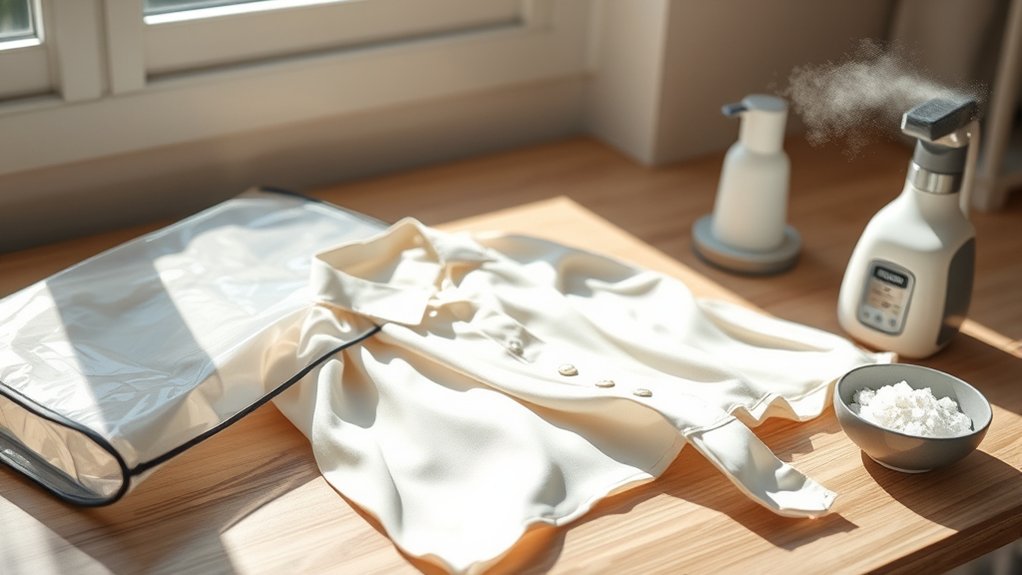
Sprinkle baking soda over the damp fabric to absorb odors, then air it out for several hours or overnight.
Finally, use a handheld steamer, maintaining a safe distance from the fabric to remove any remaining wrinkles without causing damage.
This method guarantees safe, effective at-home dry cleaning. Give it a try, and you’ll see how easy it is to keep your clothes fresh and looking great!
Which Fabrics Can and Can’t Be Dry Cleaned at Home
Since different fabrics respond uniquely to cleaning methods, knowing which materials you can safely dry clean at home is essential. Fabric durability and stain types play critical roles in this determination.
Understanding fabric durability and stain type is key to safely dry cleaning at home.
Generally, you can dry clean these at home:
- Cotton, linen, and polyester. These fabrics have high durability and tolerate home dry cleaning well, especially when stains are light.
- Silk, wool, cashmere, and velvet. These delicate fabrics require professional care due to their sensitivity and risk of damage.
- Leather, suede, beaded, and sequined items. Avoid home dry cleaning entirely because their texture and embellishments are vulnerable to harm.
Always heed “dry clean only” labels as they signal materials with low durability that could suffer permanent damage from home methods. Use home dry cleaning only for lightly soiled garments, not heavy stains.
How to Store Clothes After Home Dry Cleaning
After completing home dry cleaning, proper storage plays a key role in maintaining your garment’s condition. Make sure your clothes are completely dry to prevent mold and mildew. Using breathable garment bags is a great way to shield them from dust and pests.
Store your garments in a cool, ventilated area away from direct sunlight. This helps preserve the fabric’s integrity. Also, avoid overcrowding your closet so air can circulate and reduce wrinkling.
It’s a good idea to regularly inspect your stored clothes for any moisture or damage. Air them out from time to time to keep them fresh.
| Step | Action | Purpose |
|---|---|---|
| Dry Clothes | Guarantee complete dryness | Prevent mold growth |
| Use Breathable Bags | Cover garments | Protect from dust and odors |
| Organize Closet Space | Avoid overcrowding | Allow air circulation |
| Monitor & Air Out | Check periodically | Maintain freshness and fabric health |
Effective clothing storage and closet organization really help extend your garment’s longevity.
When to Seek Professional Dry Cleaning
When you encounter garments labeled “dry clean only” or those made from delicate materials like silk, leather, or fur, professional dry cleaning is crucial to preserve their quality. Professionals use advanced equipment and conduct thorough fabric inspection to tailor the cleaning process precisely.
You should seek professional dry cleaning when your clothing is heavily soiled or stained beyond home treatment capabilities. Also, if garments have intricate trims, structured shapes, or complex construction requiring expert finishing, it’s best to go pro.
And if you’re ever uncertain about the fabric’s care instructions or cleaning methods and want to avoid accidental damage, professional dry cleaning is the way to go.
Relying on professional fabric inspection and equipment ensures your garments maintain their integrity, appearance, and longevity. In these cases, professional dry cleaning is definitely the safest option.
Frequently Asked Questions
How Often Should I Dry Clean Clothes at Home?
You should dry clean clothes at home every 4 to 6 weeks, but this can vary depending on the fabric type and whether the garment has any stains.
Delicate or heavily soiled clothes usually need more frequent attention. On the other hand, spot cleaning can help you stretch the time between full dry cleanings.
Can Home Dry Cleaning Remove Strong Odors Permanently?
You can’t achieve permanent odor elimination with home dry cleaning using chemical alternatives alone. These methods reduce surface smells temporarily, but strong odors embedded deep in fabrics require professional solvents for effective, lasting removal.
Basically, home treatments can freshen things up for a bit, but if the smell is really set in, they usually won’t cut it. Professionals have the right tools and chemicals to get those tough odors out for good. So, if you’re dealing with strong smells, it’s worth considering a professional clean.
What Are Common Mistakes to Avoid During Home Dry Cleaning?
You must avoid chemical residues by using only fabric-safe cleaners and never harsh chemicals. Don’t overload drying space or skip spot tests, or you risk fabric damage and discoloration that compromises your garment’s integrity permanently.
Taking these steps helps keep your clothes looking fresh and lasting longer. It’s a small effort that really pays off in the end!
How Do I Handle Dry Cleaning of Clothes With Embellishments?
You should prioritize embellishment care by avoiding water submersion and using gentle spot cleaning with mild detergent. Protect delicate fabric by covering embellishments during steaming, and air out to freshen.
Save heavy soil cleaning for the professionals. This way, you keep your clothes looking great without risking damage to the delicate details.
Is It Safe to Dry Clean Vintage or Antique Garments at Home?
You shouldn’t risk home dry cleaning vintage fabrics; their delicate fibers and embellishments demand expert care.
Antique preservation needs specialized solvents and techniques only professionals provide. This ensures your garment’s integrity and helps prevent irreversible damage or color loss.
It’s really best to leave these treasures to the experts who know exactly how to handle them safely.
Conclusion
You can effectively dry clean many garments at home, saving both time and money. Did you know that nearly 60% of clothes labeled “dry clean only” can be safely cleaned using home methods? By carefully following preparation, stain removal, and cleaning steps, you preserve fabric integrity and extend garment life.
However, always assess fabric type and stains to avoid damage. When in doubt, trust professional services to guarantee ideal care. It’s better to be safe than sorry, right? Taking these precautions helps keep your clothes looking their best.