How To Clean Dry Dog Poop Out Of Carpet – Easy Guide
To clean dry dog poop from your carpet, start by wearing gloves and gently softening the stain with a warm, damp cloth for several minutes. Carefully scrape away softened pieces with a plastic spatula. Then apply an enzyme cleaner or a vinegar-and-soap solution to break down stains and odors.
Scrub lightly, rinse with warm water, and dry thoroughly to prevent mold. If stains or smells persist, it might need deeper care or professional help.
Keep going to discover more helpful tips and tricks.
Gather Supplies for Cleaning Dry Dog Poop From Carpet
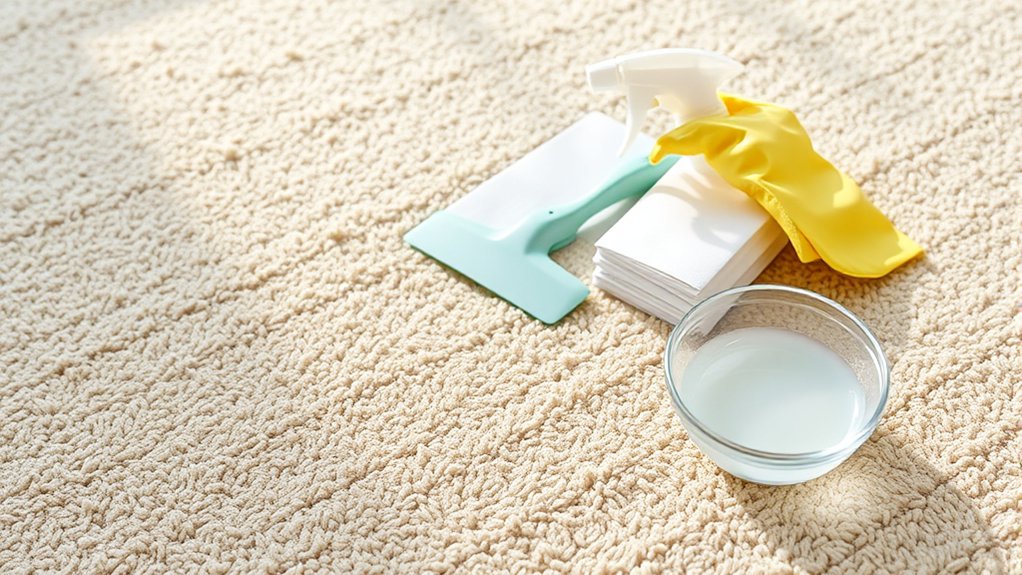
Before you start cleaning dry dog poop from your carpet, make sure you gather the right supplies to protect yourself and effectively remove the mess. First, wear gloves to shield your hands from bacteria and dirt. Grab a plastic scraper or spatula to gently lift the hardened feces without pushing it deeper into the carpet fibers.
After scraping, you’ll want to vacuum the area thoroughly to clean up any loose particles. Prepare a cleaning solution using dish soap, white vinegar, and warm water to treat any remaining stains or odors.
But remember, always test this solution on a small, hidden part of your carpet first to avoid discoloration or damage.
Having these tools ready helps you clean your carpet safely and efficiently. It’s all about being prepared so you can get the job done without any hassle.
How to Soften and Remove Dried Dog Poop Safely
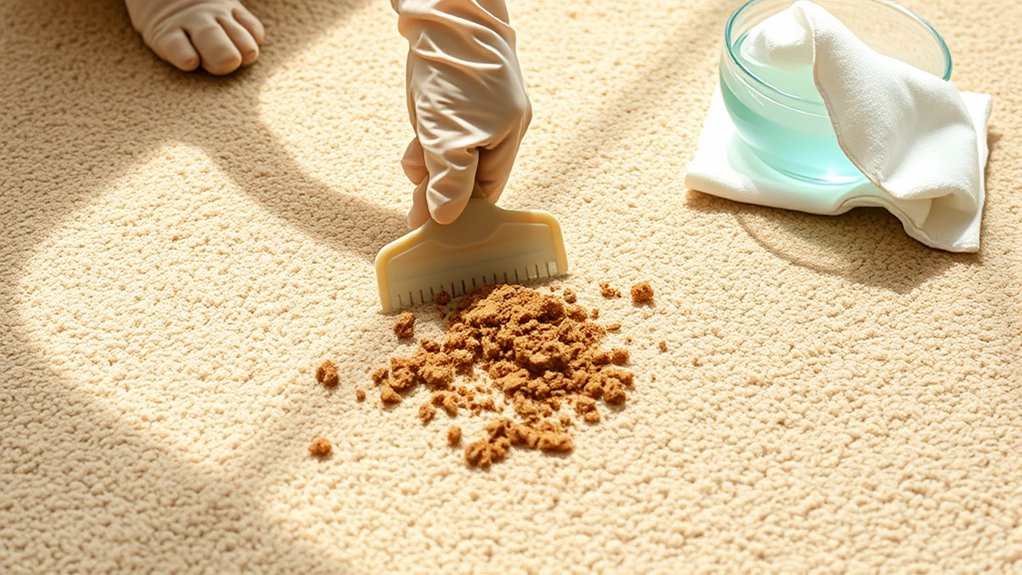
When you want to remove dried dog poop from your carpet, start by softening it with a damp, warm cloth pressed gently onto the stain for several minutes. This helps loosen the fibers in the affected area, making cleaning dog poop easier.
Follow these steps:
- Apply the warm, damp cloth and hold it for 5 to 10 minutes to soften the dried matter.
- Use a plastic scraper or spatula to carefully lift off the softened feces without damaging carpet fibers.
- Vacuum the affected area thoroughly to remove debris and loose particles.
- Repeat moistening and scraping if any residue remains until fully removed.
This careful process ensures you safely clean dog poop without harming your carpet. It’s a simple way to keep your carpet looking fresh without any damage.
Use Enzyme Cleaners to Remove Dog Poop Stains and Odors
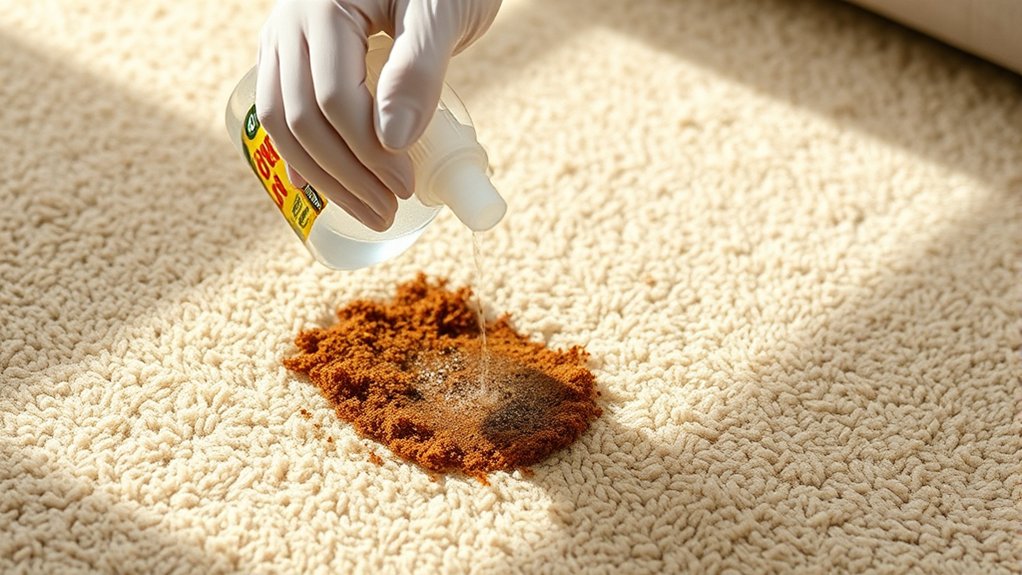
Although removing the solid matter is essential, tackling the stains and odors left behind requires a different approach. Enzyme cleaners are your best bet because they contain biological agents that break down organic waste like dog poop at a molecular level.
Apply the enzyme cleaner generously over the stained area, making sure it’s fully covered. Let it sit for at least 10-15 minutes so the enzymes can digest the organic material thoroughly.
If the odor persists, you can repeat the application or leave the cleaner on overnight for deeper action.
Always follow the manufacturer’s instructions to protect your carpet while getting the best results. Using enzyme cleaners effectively removes both stains and odors, leaving your carpet fresh and clean.
Scrub and Rinse the Carpet After Dog Poop Removal
Since dry dog poop can leave behind stubborn residue, you’ll want to gently scrub the affected carpet area using a soft-bristled brush or cloth dipped in warm water mixed with a small amount of dishwashing detergent. Follow this practical approach to scrub and rinse effectively:
First, scrub the spot lightly to loosen any leftover grime without damaging carpet fibers. Then, rinse the area with plain warm water to remove soap and debris, which helps prevent dirt buildup.
Next, blot excess moisture with a clean, damp cloth to avoid oversaturation and potential mold.
If stains are stubborn, just repeat scrubbing and rinsing until the carpet looks clean and smells fresh.
Finish by drying the area thoroughly with a towel or using a fan to prevent mildew. This method keeps your carpet fresh and safe.
DIY Cleaning Solutions Without Commercial Products
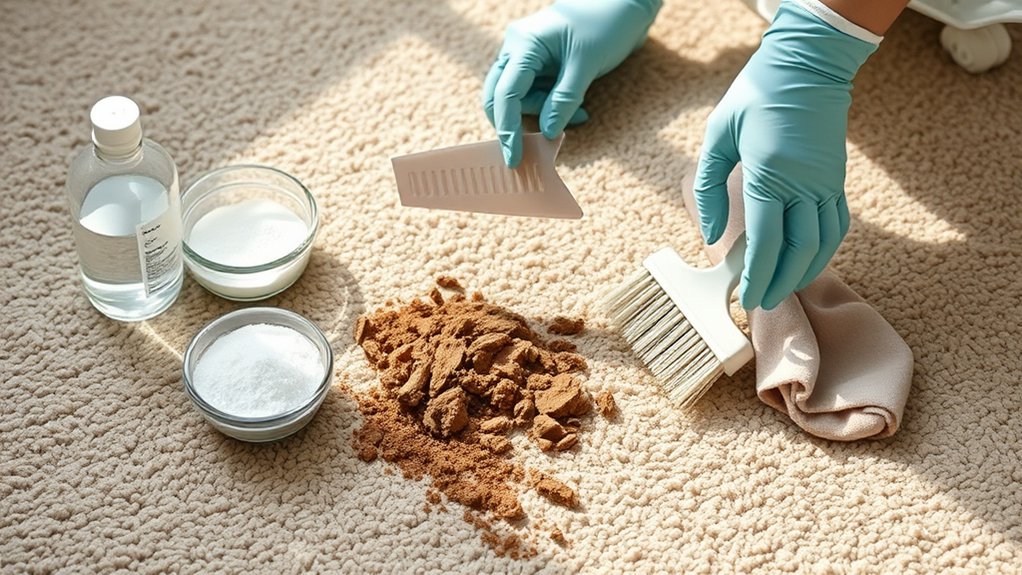
If you prefer to avoid commercial products, you can easily create an effective cleaning solution using common household ingredients. Mix equal parts white vinegar and water, then add a few drops of dishwashing liquid to boost stain and grease removal.
Before applying, test this mixture on a small, hidden area of your carpet to make sure it won’t cause discoloration. Spray the solution generously over the dry dog poop stain and let it sit for 10-15 minutes to loosen debris.
Afterward, blot the area gently with a clean cloth or sponge to lift the residue. Once dry, vacuum the carpet thoroughly to remove any remaining particles and help restore a clean carpet.
This DIY method is practical and gentle, giving you a reliable way to tackle stains without harsh chemicals. It’s a simple trick that really works!
How to Neutralize Lingering Dog Poop Smells
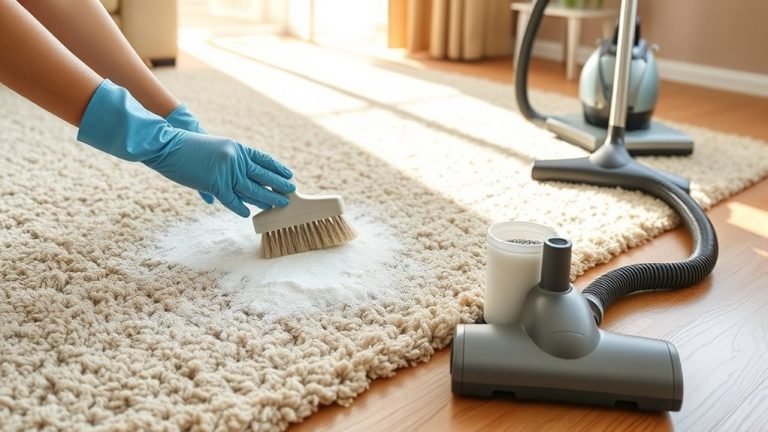
To tackle lingering dog poop smells, start by sprinkling baking soda over the area. It helps absorb those stubborn odors before you vacuum it up.
Then, using an enzyme cleaner can really make a difference—it breaks down the odor-causing bacteria for a deeper clean.
Also, don’t forget to open up the windows and let the room air out well.
Letting the carpet dry completely is key, too, because it helps prevent any musty smells from sticking around.
Baking Soda Application
When you sprinkle baking soda directly onto the dry spot, it quickly absorbs moisture and neutralizes unpleasant odors that linger in your carpet. This natural deodorizer is safe and effective for tackling stubborn smells.
To get the best results, follow these steps:
- Generously apply baking soda over the affected area to maximize odor absorption.
- Let it sit for at least 30 minutes, or overnight for stronger odors.
- Vacuum thoroughly to remove the baking soda along with trapped odors.
- If the smell persists, repeat the application and vacuuming process.
Using baking soda this way not only freshens your carpet but also prevents harsh chemicals from damaging fibers. It’s a simple, eco-friendly solution to keep your home smelling clean and fresh.
Enzyme Cleaner Use
Although baking soda helps reduce odors, enzyme cleaners tackle the root of lingering dog poop smells by breaking down organic waste molecules in your carpet.
To use enzyme cleaners effectively, apply them generously over the affected area and let them sit for 10-15 minutes.
These pet-safe solutions won’t harm your carpet fibers but will neutralize stubborn pet stains and odors.
If the smell persists, simply reapply the cleaner and let it work overnight before blotting or vacuuming.
Regular use after cleaning prevents scent buildup, so your dog won’t be tempted to return to the same spot.
Using enzyme cleaners is a practical, thorough way to keep your carpet fresh and odor-free after dealing with dry dog poop.
Ventilation And Drying
Enzyme cleaners work wonders on breaking down organic waste, but proper ventilation and drying help finish the job by eliminating lingering odors and moisture.
To neutralize dog poop smells effectively, follow these steps:
- Open windows and use fans to improve ventilation. This helps disperse airborne odors quickly.
- Allow the carpet to dry completely after cleaning. This prevents mold and reduces smells.
- Apply odor-neutralizing agents like enzymatic sprays or baking soda during drying. These break down odor molecules.
- Maintain air circulation to speed evaporation of residual moisture. This stops odors from being absorbed into carpet fibers.
Keeping the air moving and the carpet dry really makes a difference. It’s all about making sure those smells don’t stick around longer than they’ve to.
How to Deal With Moldy or Old Dog Poop Stains
Since moldy or old dog poop stains have had time to set and may harbor mold, cleaning them requires extra care and effective techniques. Start by softening the poop with a damp cloth or gentle heat to make scraping easier and reduce airborne mold spores.
Next, apply an enzyme-based cleaner to break down the organic residue and tackle mold growth effectively. You can also use a mixture of white vinegar and water to disinfect and inhibit further mold development.
After cleaning, confirm the carpet dries thoroughly with good ventilation to prevent lingering odors and new mold. Taking these steps helps you clean old, stubborn poop stains safely and thoroughly, restoring your carpet and keeping your home healthy.
Prevent Future Carpet Accidents With Training Pads and Routines
You can cut down on carpet accidents by using training pads in specific spots and sticking to a bathroom schedule that fits your dog’s needs.
It really helps to reward your dog right after they use the pad because that way, they understand exactly where it’s okay to go.
Plus, setting clear routines and boundaries makes things easier for both of you. It keeps your home clean and stress-free, which everyone appreciates!
Benefits Of Training Pads
Although accidents on the carpet can be frustrating, training pads offer a practical solution by providing your dog with a designated indoor spot to eliminate. These pads help you clean dog poop more easily and prevent future messes.
Here’s how training pads benefit you and your pet:
- They reduce carpet accidents by giving your dog a specific spot indoors.
- Their leak-proof, absorbent design contains messes, making cleanup simple.
- Consistent use reinforces good bathroom habits, especially for puppies or apartment dogs.
- Placing pads near doors encourages your dog to link them with bathroom needs.
Using training pads not only saves your carpet but also supports your dog’s potty training progress. It makes life cleaner and less stressful for both of you.
Establishing Consistent Bathroom Routines
When you establish consistent bathroom routines, your dog learns when and where to relieve itself. This greatly reduces the chance of accidents on your carpet. Using training pads indoors creates a clear, designated potty spot. It makes it easier for your dog to understand what you expect.
Try to schedule bathroom breaks every 2-8 hours to reinforce this routine. Doing so helps prevent accidents caused by pent-up needs.
Place training pads near exits or familiar areas. This helps your dog shift smoothly from indoor to outdoor toileting.
Maintaining predictable bathroom routines reduces stress and confusion. It also promotes cleanliness and comfort for both you and your dog.
Positive Reinforcement Techniques
Since consistent training pads and routines lay the groundwork, positive reinforcement techniques help solidify your dog’s good potty habits. Using positive reinforcement encourages your dog to associate training pads with rewards, making accidents less likely.
Here’s how you can apply these techniques effectively:
- Reward your dog immediately with treats, praise, or affection when they use training pads correctly.
- Place training pads near exits to ease the *changeover* from indoor to outdoor potty habits.
- Stick to a regular bathroom schedule, taking your dog out every 2-8 hours based on their age.
- Consistently reinforce good behavior to prevent future carpet accidents and build lasting habits.
When to Call a Professional or Replace Your Carpet
If you’ve tried multiple times to clean dried dog poop from your carpet but still notice lingering odors, stains, or mold, it’s time to think about calling a professional. Professional cleaning can tackle deep-set contaminants and sanitize your carpet effectively.
However, if the damage or mold is extensive, carpet replacement may be the safest choice to protect your health. It’s better to be safe than sorry when it comes to your home environment.
| Situation | Recommended Action |
|---|---|
| Lingering odor or stain persists | Professional cleaning |
| Mold growth over 9 months | Professional cleaning or carpet replacement |
| Extensive damage or repeated failure | Carpet replacement |
Frequently Asked Questions
Can Dry Dog Poop Cause Permanent Carpet Discoloration?
Yes, dry dog poop can cause permanent carpet discoloration, especially if it contains dyes or pigments that stain fibers.
If you don’t act quickly, mold and bacteria can grow, making stains harder to remove.
You’ll want to use enzymatic cleaners that break down organic matter to prevent lasting damage.
Is It Safe to Use Bleach on Carpet Stains From Dog Poop?
You shouldn’t use bleach on carpet stains from dog poop. It can discolor or weaken fibers, causing lasting damage and voiding warranties. Bleach fumes can also irritate your respiratory system, especially in enclosed spaces.
Instead, try enzymatic cleaners designed for pet stains. They’re safer and more effective.
Always test any cleaner on a hidden spot first to avoid surprises.
Protect your carpet and your health by choosing gentler, pet-friendly options. It’s a smarter way to keep things clean without the risk.
How Long Does It Take for Enzyme Cleaners to Work?
Enzyme cleaners usually take between 30 minutes and 24 hours to break down stains and odors.
You’ll want to let the cleaner sit for at least 10-15 minutes in warm, moist conditions to speed things up.
For tough stains, you might need to apply it multiple times over a few days.
Be patient. It’s worth it to fully eliminate the mess without damaging your carpet.
Can Dry Dog Poop Spread Bacteria in the House?
Yes, dry dog poop can definitely spread bacteria in your house. When it’s disturbed, bacteria like Salmonella and E. coli can become airborne or transfer to your hands, shoes, and other surfaces.
This increases contamination risks for everyone in your home.
To keep your family safe, you’ll want to clean it up carefully and use effective cleaners that eliminate these germs completely. Doing this helps prevent infections and keeps your living space healthy.
It’s worth the extra effort to stay on top of it.
What Are the Best Tools for Scraping Dog Poop off Carpet?
The best tools for scraping dog poop off carpet are a plastic scraper or putty knife because they gently lift the mess without damaging fibers. You’ll also want disposable gloves and paper towels to handle waste safely.
For stubborn spots, an old toothbrush or soft-bristled brush helps loosen dried material.
Finally, a stiff-bristled or upholstery brush can reach deep into the pile, and a vacuum cleans up leftover debris. It’s pretty straightforward once you have the right tools on hand.
Conclusion
Cleaning dry dog poop from your carpet might feel like untangling a stubborn knot, but with the right steps, it’s totally doable. Think of it like gently unwinding a ball of yarn. Patience and the right tools make all the difference.
Remember, even small efforts prevent bigger stains and odors later. With these tips, you’ll protect your carpet and keep your home fresh. You’ll show your furry friend that accidents don’t have to be permanent messes.