Can You Dry Clean A Tie – Proper Care Tips
You can dry clean a tie, but only when it’s visibly stained or after a major spill. This helps avoid weakening the fabric. Always check the care label and let your cleaner know the fabric type.
For minor spots, try spot cleaning or gentle steaming instead. Avoid machine washing, harsh chemicals, or direct ironing because these can ruin the texture and shape.
Proper storage and careful wrinkle removal also help extend your tie’s life. Want to keep your ties looking sharp and lasting longer? Discover more expert tips to do just that.
When to Dry Clean Your Tie
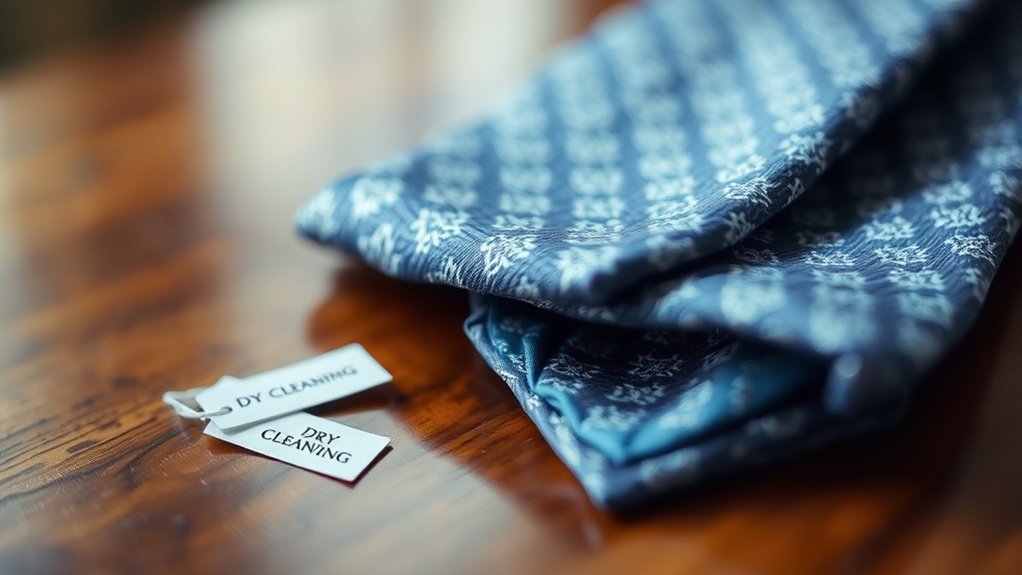
Although regular wear can cause dirt and oils to build up on your tie, you should only dry clean it when it’s visibly stained or after a significant spill. Over-cleaning, especially frequent dry cleaning, can weaken the fabric and shorten your tie’s lifespan.
Take a close look at the stain before deciding. Minor spots often respond well to spot cleaning or steaming, which helps preserve the tie’s integrity. It’s always a good idea to check the care label for specific instructions.
Many silk ties, for example, recommend dry cleaning only under certain conditions. Keeping up with regular maintenance without going overboard on cleaning strikes the right balance between looking good and keeping the fabric healthy.
How Different Tie Fabrics Handle Dry Cleaning
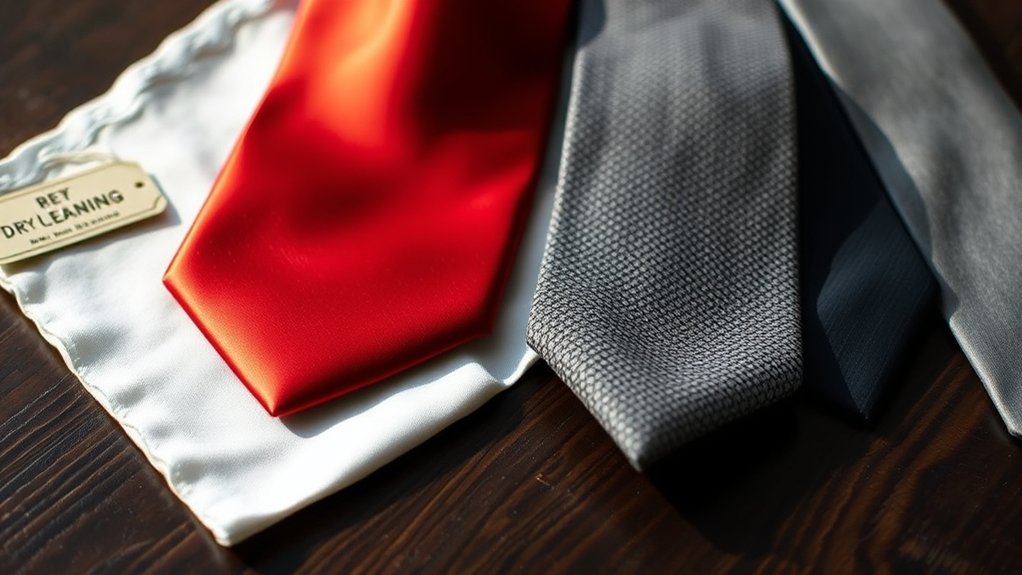
When caring for ties, understanding how different fabrics respond to dry cleaning is essential to maintain their appearance and longevity. Silk ties require dry cleaning to preserve their luxurious texture and avoid water damage.
Wool ties benefit from dry cleaning to maintain shape and prevent shrinkage.
Cotton ties, known for their fabric durability, often need dry cleaning to retain a crisp look and prevent color fading.
Synthetic or polyester ties are more resilient but still should be dry cleaned to uphold their low-maintenance qualities.
Knitted ties, being delicate, demand careful dry cleaning to protect their intricate knit structure from stretching or distortion.
Adjust your cleaning frequency based on fabric type and wear to guarantee your ties look their best over time. It’s all about giving each fabric the care it needs so your ties last longer and stay sharp.
Effective Spot Cleaning Techniques Before Dry Cleaning
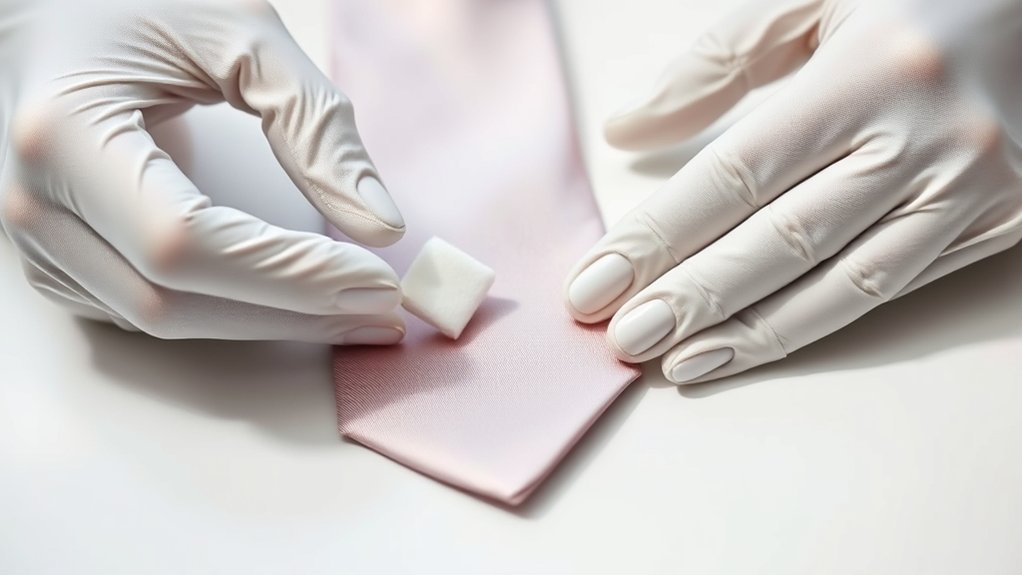
Since stains can set quickly, you should act immediately by blotting the affected area with a clean, white cloth or cotton swab. Avoid rubbing, as this can spread the stain and damage delicate tie fibers, increasing the risk of fabric shrinkage.
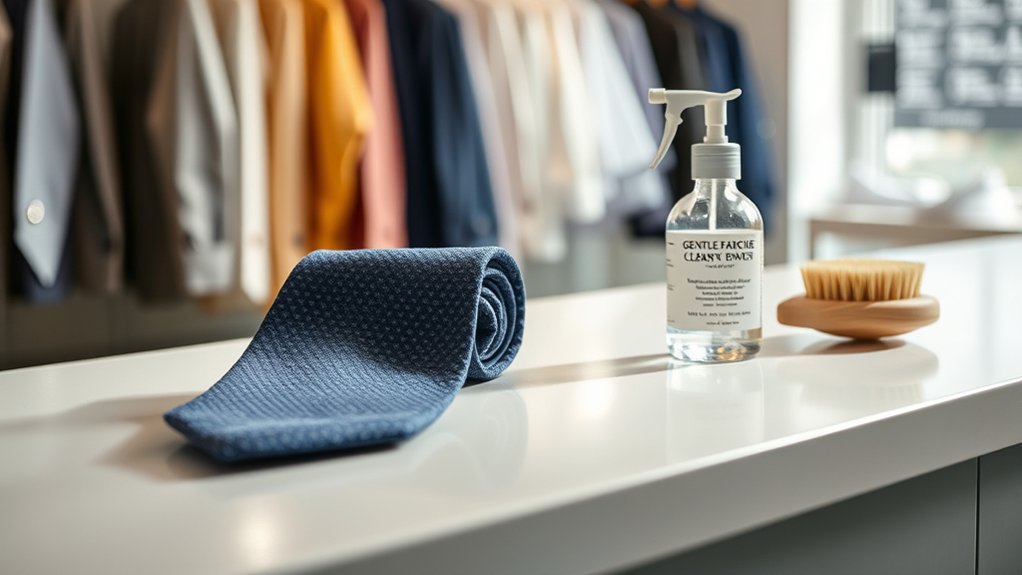
Use a mild cleaning solution, like diluted detergent or a specialized stain remover, but always test it on a hidden spot first to prevent color bleeding.
Gently dab the stain without scrubbing to lift it effectively.
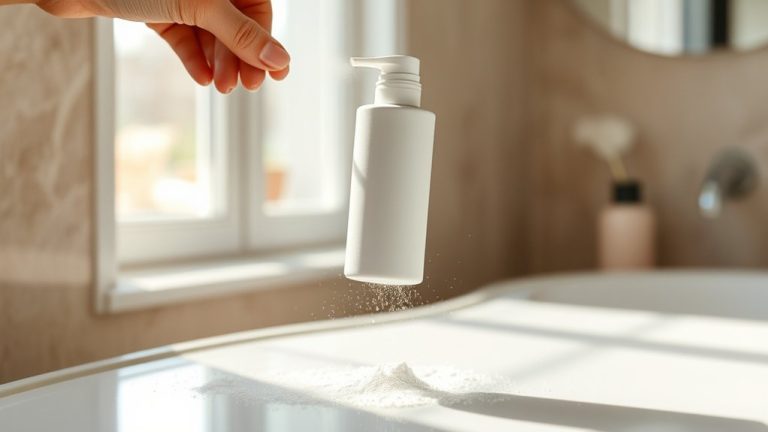
For oil-based stains, sprinkle talcum powder, cornstarch, or baking soda, let it sit for 10-15 minutes, then brush off.
After treatment, rinse with a damp cloth and air dry the tie flat in a shaded, cool area to avoid water rings and heat damage.
These steps prepare your tie well for professional dry cleaning. Taking care early really makes a difference!
Removing Common Tie Stains at Home
When you notice a stain on your tie, it’s best to act quickly. Just blot it gently with a clean cloth to stop it from setting in.
Then, you can try using homemade cleaning solutions that match the type of stain you’re dealing with.
But before you go all in, always test your solution on a hidden spot first to make sure it won’t damage the fabric.
For things like oil or beverage stains, there are special techniques for those fabrics that can help lift the mark without hurting the fibers.
Just take it slow and be gentle!
Quick Stain Response
How quickly you respond to a stain can make all the difference in preserving your tie’s appearance. To maintain fabric durability and stain resistance, immediately blot fresh stains with a clean cloth or paper towel to prevent setting.
For oil or grease stains, apply talcum, cornstarch, or baking soda. Let it sit for 10 to 15 minutes, then brush off before gentle cleaning.
Blot coffee, tea, or wine stains with a damp cloth. Then carefully apply a vinegar and water or salt solution to absorb the stain.
Use mild cleaning solutions like diluted detergent or specialized removers. Apply them gently with a cotton swab or cloth.
Always test any stain removal method on a hidden area first. This helps avoid fabric damage or color fading, so your tie stays pristine longer.
Homemade Cleaning Solutions
Prompt attention to stains sets the foundation for successful cleaning, but knowing which homemade solutions to use can make restoring your tie easier and safer.
For minor stains, gently dab a mixture of equal parts white vinegar and water to lift the mark. Oil or grease stains respond well to baking soda or cornstarch. Just sprinkle it on, let it sit for 10 to 15 minutes, then brush it off to absorb the residue.
Mild dish soap with cool water works great for spot cleaning food or beverage spills. Remember to blot gently without rubbing to avoid spreading the stain.
Ink stains need careful treatment—apply rubbing alcohol or hand sanitizer with a cotton swab before rinsing.
Always test homemade solutions on a hidden area first to make sure the color doesn’t run and the fabric holds up. These simple stain prevention tips help keep your tie looking sharp without risking damage.
Fabric-Specific Techniques
Although ties come in various fabrics, each requires distinct stain removal methods to maintain their appearance and integrity. To preserve fabric durability and enhance stain resistance, treat oil and grease stains by sprinkling talcum, cornstarch, or baking soda. Then, brush off after 10-15 minutes.
For coffee and tea stains, blot immediately and dab with equal parts vinegar and water to prevent setting.
Red wine stains call for prompt salt application to absorb liquid, followed by cold water rinsing.
Ink stains respond well to dabbing with rubbing alcohol or hand sanitizer, but make sure to test first on a hidden area.
Food stains should be carefully lifted with a blunt object, then blotted with mild detergent solution and rinsed. This way, the tie’s fabric stays intact and durable.
What to Tell Your Dry Cleaner
When you bring your tie to the dry cleaner, make sure to clearly mention what fabric it’s made of. This helps them take care of it the right way.
Also, don’t forget to point out any stains—tell them exactly where they’re and how long they’ve been there. That way, they can give your tie the proper treatment it needs.
Sharing these details really helps keep your tie looking great!
Fabric Type Disclosure
How should you communicate the fabric type of your tie to your dry cleaner? Start by clearly specifying the exact material, whether silk, wool, cotton, or polyester. This helps guarantee the right cleaning method that respects the fabric’s durability.
If your tie is made from delicate or sensitive materials like silk or knitted fabrics, make sure to mention how sensitive the material is. This prompts gentle handling and keeps your tie safe.
Always check and mention the care label’s recommendations. These guide safe cleaning practices and help avoid any damage.
Also, if your tie has special finishes or embellishments, be sure to tell your cleaner. This prevents exposure to harsh chemicals or aggressive techniques.
Stain Details Explanation
What details should you provide your dry cleaner about a stain on your tie? For effective stain removal, clearly identify the stain type (oil, wine, ink) and disclose the tie’s fabric (silk, wool) to respect fabric sensitivity.
Also, let them know how long the stain has been there, since fresh stains are usually easier to treat. It’s a good idea to mention any previous cleaning attempts too, so they can avoid chemical conflicts.
Don’t forget to point out any delicate features like embroidery or patterns that might need special care.
| Detail to Share | Reason for Disclosure |
|---|---|
| Stain type | Enables targeted stain removal |
| Fabric type | Ensures appropriate cleaning method |
| Duration of stain | Indicates ease of removal |
| Previous treatments | Prevents chemical reactions |
Providing these details helps your dry cleaner preserve your tie’s quality and appearance.
Safe Wrinkle Removal Without Dry Cleaning
Two simple methods can effectively remove wrinkles from your ties without resorting to dry cleaning.
First, use a handheld steamer held at a safe distance to gently relax fabric creases. Just be sure to avoid direct contact that could damage delicate fibers or fabric patterns.
Second, hanging your tie in a steamy bathroom during a hot shower lets natural moisture soften wrinkles. This way, you avoid exposing the tie to ironing hazards.
Avoid using an iron directly on ties, especially those with embroidery or intricate patterns, because this can cause irreversible damage. Instead, if ironing is necessary, place a cloth barrier between the iron and the tie and use the lowest heat setting.
For silk and delicate ties, lightly mist with water and smooth wrinkles by hand. This helps preserve the fabric’s integrity and keeps your tie looking sharp.
Tie Storage Tips to Reduce Dry Cleaning
Although it’s tempting to hang ties on racks, this practice often leads to unwanted wrinkles and creases. Instead, use storage innovations such as loosely rolling or folding your ties to maintain their shape and prevent fabric damage.
Store them in a cool, dry place away from direct sunlight to avoid fading and deterioration. This helps cut down on how often you need to get them dry cleaned.
Applying a fabric protector spray before storage creates an effective barrier against stains and dirt. This means you’ll minimize trips to the professional cleaner.
Plus, rotating your tie collection regularly gives each piece a good rest between wears, which keeps them looking fresh longer.
Avoid These Common Tie Care Mistakes
When caring for your ties, you must avoid common mistakes that can quickly ruin their appearance and durability. Never machine wash or dry your ties, as this damages material durability by distorting fabric and weakening stitching. Avoid harsh chemicals and bleach, especially on silk, since they degrade delicate fibers.
Don’t scrub stains vigorously; doing so frays fibers and spreads stains, increasing cleaning frequency unnecessarily. Also, refrain from ironing ties directly, particularly embroidered or patterned ones, to prevent fabric damage.
Finally, avoid improper storage like long-term hanging, which causes wrinkles and misshaping.
Frequently Asked Questions
Can Dry Cleaning Affect the Color Vibrancy of My Tie?
Yes, dry cleaning can cause color fading and fabric damage, especially with delicate ties. You should always inform your cleaner about your tie’s colors to minimize risks and preserve its vibrancy.
Choosing careful, professional cleaning helps keep your tie looking fresh. It’s all about making sure the process is gentle on those colors you want to shine. So, don’t hesitate to speak up to your cleaner about what your tie needs!
How Often Should I Replace a Tie Instead of Dry Cleaning?
You should replace ties after 10-15 wears, especially with delicate fabric types like silk. Frequent cleaning accelerates wear, so limit dry cleaning to 3-5 times before considering replacement.
This helps maintain your tie’s quality and appearance. It’s better to keep your ties looking sharp than risk damage from over-cleaning. Just keep an eye on how often you wear and clean them!
Are There Eco-Friendly Dry Cleaning Options for Ties?
You might think dry cleaning a tie means chemical chaos, but eco-friendly solvents and sustainable practices prove otherwise.
You can confidently choose green dry cleaners that use biodegradable agents and minimize environmental impact while keeping your ties pristine.
Can Dry Cleaning Remove Odors From Ties Effectively?
Yes, dry cleaning effectively removes odors from ties, especially delicate fabric types like silk. You should maintain regular cleaning frequency to prevent buildup, ensuring your ties stay fresh and odor-free without compromising their quality or appearance.
Keeping your ties fresh is all about consistency. If you clean them regularly, you won’t have to worry about stubborn smells sticking around. Plus, dry cleaning is gentle enough to keep your ties looking sharp and new.
Is It Safe to Dry Clean Vintage or Antique Ties?
You shouldn’t dry clean vintage or antique ties without caution. Delicate fabric types and harsh cleaning solvents can damage them.
It’s a good idea to consult a professional who has experience with such fabrics. That way, you can be sure your tie is treated safely and preserved properly.
Taking these steps helps keep your vintage or antique tie looking its best for years to come.
Conclusion
You might think every stained or wrinkled tie demands dry cleaning, but often gentle spot cleaning or careful steaming does the trick. While dry cleaning can save delicate fabrics, overusing it risks damage and shortens your tie’s life.
By storing ties properly and treating stains promptly, you diminish the need for harsh chemicals. Balancing careful home care with professional help ensures your ties stay sharp without unnecessary wear.