How To Clean Shower Curtain In Washing Machine – Simple Guide
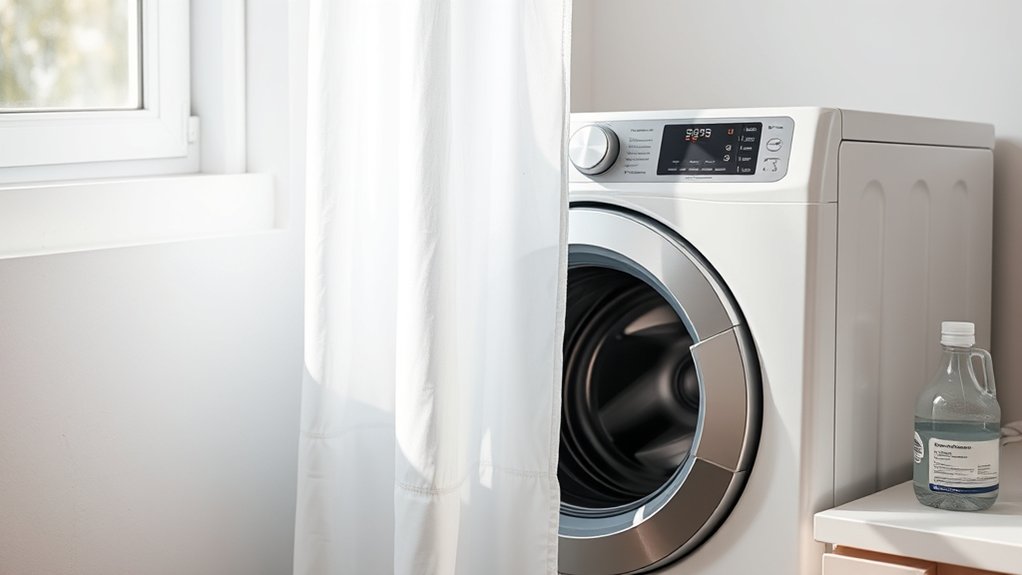
To clean your shower curtain in the washing machine, first remove it and any metal rings. Then, check the care tag to see what’s recommended.
Wash it on a gentle cycle with warm or cool water. Add 1 cup of baking soda and a couple of towels to help balance the load.
Use a mild detergent and avoid bleach. After washing, air dry the curtain instead of using the dryer.
If you have a plastic curtain, stick to cool water and skip fabric softeners.
Keep up with regular washing to prevent mildew. You’ll find it much easier to tackle stains and odors when you do.
How To Prepare Your Shower Curtain For Washing
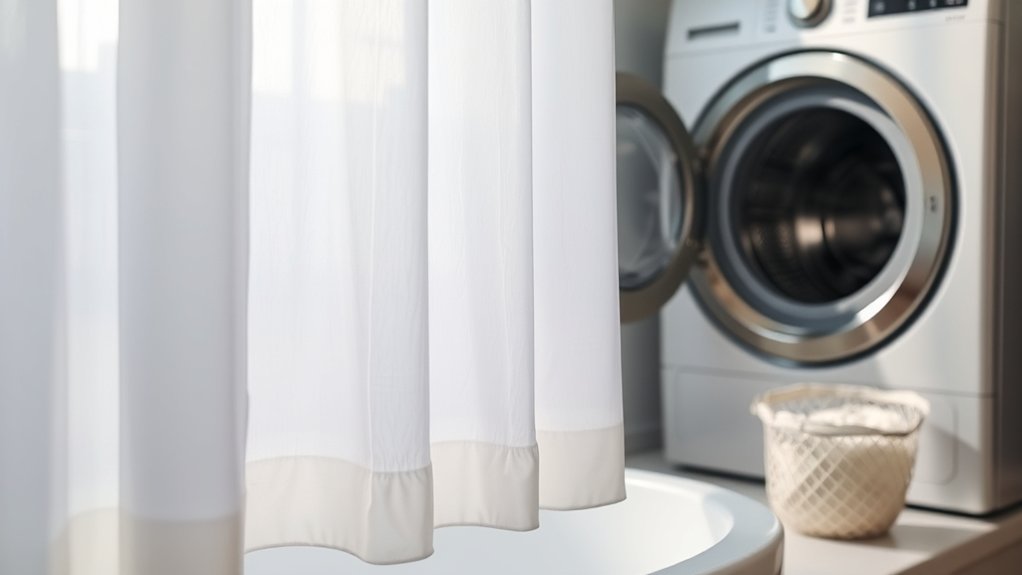
Before you start washing your shower curtain, take a few simple steps to prepare it properly. First, remove the shower curtain from the rod and detach any metal rings to avoid damage during washing.
Next, check the care tag for specific instructions and recommended water temperatures.
Place the curtain in the washing machine along with one or two bath towels to balance the load. Use a gentle cycle with warm or cool water, and add a cup of baking soda for extra cleaning power. Avoid using harsh detergents or bleach.
Once the cycle finishes, hang the curtain back on the rod to air dry. Try to steer clear of the dryer to prevent any melting or warping, especially with plastic or vinyl curtains.
This preparation guarantees a safe and effective clean.
How To Choose Washer Settings For Shower Curtains
When you’re picking washer settings for your shower curtain, go for a delicate cycle to keep the fabric safe.
It’s best to set the water temperature to warm or cool so you don’t accidentally cause any damage.
Also, use a low spin speed to minimize wear when it’s drying.
Don’t forget to check the care label too — it’ll have specific instructions tailored to your curtain.
Oh, and here’s a handy tip: toss in a couple of bath towels to help balance the load and give your curtain a better clean.
Water Temperature Selection
Although it might seem simple, choosing the right water temperature is essential for cleaning your shower curtain effectively while preserving its material.
For fabric curtains, use warm water in your washing machine to remove dirt without weakening fibers. If you have plastic shower curtains, stick to cool or warm water to prevent melting or warping.
Always check the care label before washing to follow any specific temperature guidelines. Using a gentle cycle is important because it reduces agitation, helping maintain your curtain’s shape and integrity.
Adding one or two bath towels can balance the load and provide extra scrubbing action.
Cycle Type Options
Since shower curtains can be delicate, choosing the right washer cycle is essential to avoid damage while ensuring a thorough clean. When selecting cycle type options, you want to prioritize settings that protect the fabric or plastic without compromising cleanliness.
Keep these tips in mind:
- Use the gentle cycle to prevent wear and tear.
- Select warm water to effectively clean without melting plastic.
- Include towels to balance the load and improve dirt removal.
- Choose a low spin speed to reduce stress on the curtain.
Always check the care label for specific instructions before washing. This helps you pick the best cycle type options tailored to your shower curtain’s material.
That way, it stays in great shape wash after wash.
Spin Speed Settings
Choosing the right spin speed is essential to protect your shower curtain from damage during washing. Set your washing machine to a low spin speed to prevent delicate materials like plastic or vinyl from warping or tearing.
Always opt for the gentle cycle, which minimizes wear while thoroughly cleaning your curtain.
To balance the load and guarantee even spinning, add one or two bath towels alongside the curtain. This helps reduce wrinkling and keeps the machine stable.
Don’t forget to check the care label on your shower curtain for specific spin speed recommendations, as different fabrics may have unique requirements.
Using warm water instead of hot protects the material, making your washing process both safe and effective. It’s a simple step that really makes a difference in keeping your curtain looking good for longer.
How To Choose Detergents And Additives For Washing
When you pick detergents and additives for washing your shower curtain, opt for gentle, non-toxic formulas that won’t damage the fabric or plastic. Harsh chemicals can weaken fibers or cause discoloration, especially on delicate curtains.
So, it’s best to choose your cleaning agents carefully to keep your curtain fresh and mildew-free.
Use a mild, non-toxic detergent to clean effectively without harming the curtain. Adding 1 cup of distilled white vinegar to the wash cycle helps fight mildew and adds freshness.
You can also include ½ to 1 cup of baking soda to neutralize odors, especially on fabric curtains.
For plastic curtains, consider adding a few drops of mineral oil in the rinse water to maintain flexibility and prevent cracking.
How To Add Towels For Washing Shower Curtains
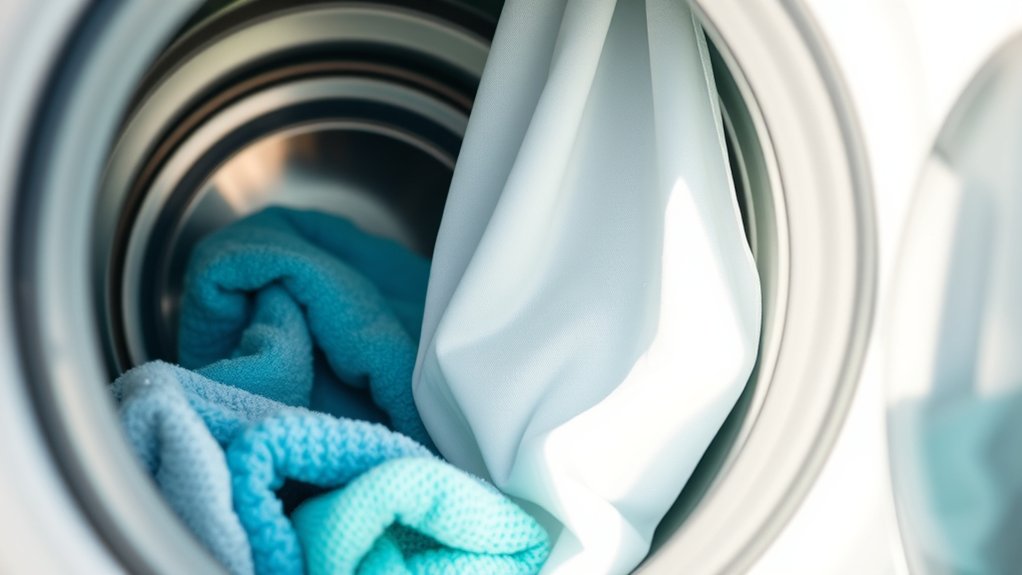
To improve cleaning efficiency and protect your shower curtain during the wash, add one or two bath towels to the machine. These towels help balance the load, reducing wrinkles and preventing the curtain from getting damaged.
Make sure the towels are a similar color to your curtain to avoid any color bleeding.
During the wash cycle, the towels work by scrubbing away dirt and grime from the curtain’s surface. Use a gentle cycle with warm water to keep both the towels and curtain in good condition.
After the cycle finishes, hang your shower curtain to air dry.
The towels absorb some of the excess moisture, helping the curtain dry faster and minimizing mildew buildup. This simple step improves cleaning results and extends your curtain’s lifespan.
It’s an easy trick that really makes a difference!
How To Machine Wash Plastic And Vinyl Curtains Safely
When you’re machine washing plastic or vinyl curtains, it’s best to go with a gentle cycle using cool or warm water. This helps avoid any damage to the material.
Also, use just a small amount of detergent—no need to go overboard.
Oh, and be sure to skip fabric softeners because they can leave behind residue.
After the wash is done, hang the curtain up to air dry instead of tossing it in the dryer. This way, you’ll keep it looking good and lasting longer.
Water Temperature Settings
Two key factors guarantee you safely machine wash plastic and vinyl shower curtains: selecting the right water temperature and using a gentle cycle.
When you clean a shower curtain, especially a plastic liner, setting the water temperature correctly prevents damage like melting or warping. Always check the care label before you machine wash the curtain in the washing machine.
Keep these tips in mind for water temperature settings:
- Use cool or warm water to protect the plastic and vinyl materials
- Avoid hot water, which can cause warping or damage
- Add one or two bath towels to balance the load and boost cleaning
- Air dry by hanging the curtain after washing; never use a dryer
Following these steps assures your curtain stays intact and clean. Just a little care goes a long way!
Detergent And Additives
Although selecting the right water temperature is essential, choosing the proper detergent and additives plays an equally important role in safely machine washing your plastic or vinyl shower curtains.
Use a small amount of liquid detergent to effectively break down soap scum and dirt without leaving residue.
Stick to a gentle cycle with warm or cool water to protect the curtain material. Avoid bleach unless the care label explicitly permits it since bleach can damage plastic and vinyl surfaces.
For better cleaning and to balance the load, add one or two bath towels during the wash. This helps prevent the curtain from crumpling and improves agitation.
Following these steps guarantees a thorough clean while preserving your curtain’s integrity.
Drying And Handling
Handle your plastic or vinyl shower curtain with care immediately after washing to maintain its shape and longevity.
First, always check the care label to confirm machine washability. After the wash, avoid the dryer completely. Plastic and vinyl can warp or melt under heat.
Instead, hang your curtain to air dry in a well-ventilated area. During the rinse cycle, adding vinegar helps reduce odors and keeps the material fresh.
Remember these key points for drying and handling:
- Never put your curtain in the dryer; always hang it to air dry
- Check the care label before washing or drying
- Use the rinse cycle to add vinegar for freshness
- Hang the curtain evenly to prevent wrinkles and maintain shape
Following these tips guarantees your curtain stays clean and lasts longer. It really makes a difference in keeping your curtain looking good!
How To Machine Wash Fabric Shower Curtains Safely
Wondering how to machine wash your fabric shower curtain without damaging it? First, always check the care label to confirm it’s machine washable.
Use a gentle cycle with warm water and a small amount of detergent to protect the fabric. To help remove dirt and balance the machine load, toss in one or two bath towels along with the curtain.
Avoid harsh detergents and bleach, which can weaken the fabric fibers over time.
Once the wash cycle finishes, skip the dryer completely. Instead, hang your fabric shower curtain to air dry. This keeps it in great shape and prevents shrinking or damage.
Washing your curtain every three months helps keep mildew and soap scum at bay. That way, it stays fresh and clean longer.
How To Use Vinegar And Baking Soda When Washing Shower Curtains
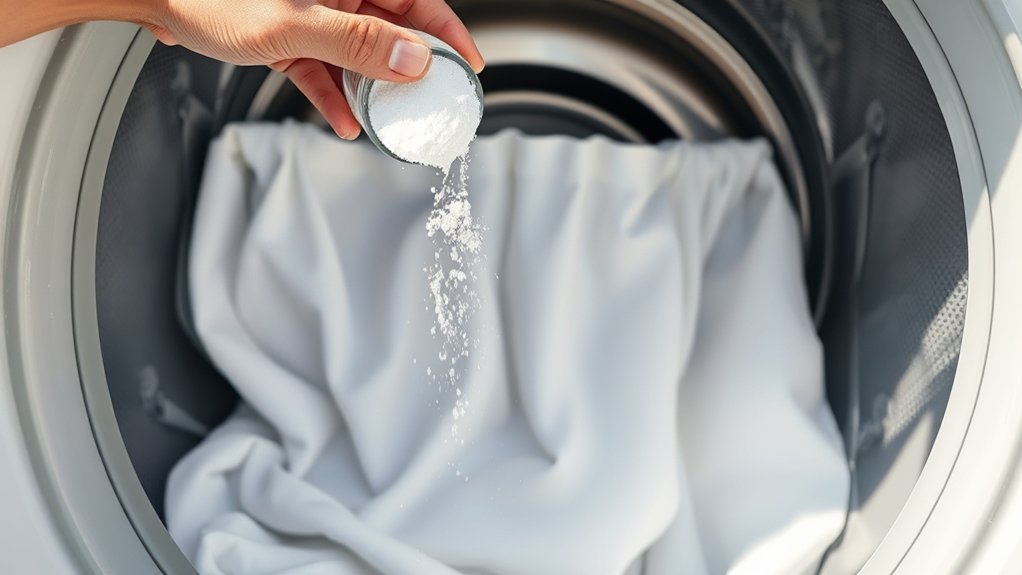
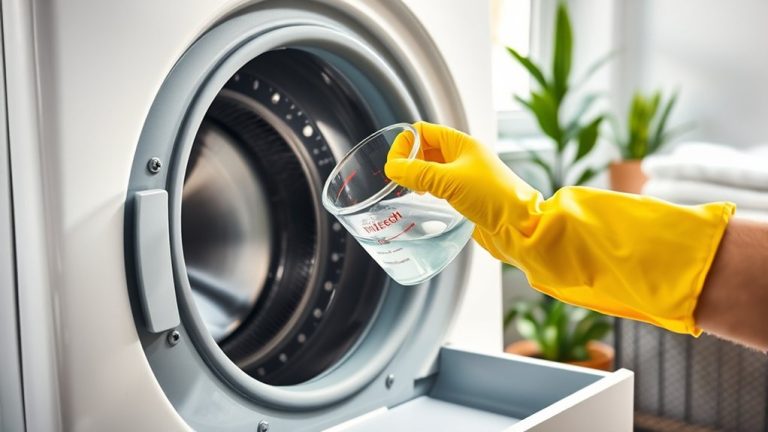
You’ll want to add about 1/2 cup of baking soda to your washing machine along with your regular detergent. This helps tackle odors and stains really effectively.
Then, when the rinse cycle starts, pour in 1 cup of distilled white vinegar. The vinegar works to break down soap scum and leaves your shower curtain feeling fresh.
This natural combo is great because it lifts grime and mildew without being harsh on the fabric.
Just be sure to use warm water and select a gentle cycle to keep everything in good shape.
Benefits Of Vinegar
Vinegar offers powerful natural cleaning benefits that make it an essential ingredient when washing shower curtains. When you add vinegar to your wash, it acts as a natural disinfectant, helping eliminate mold and mildew. Mixing 1 cup of vinegar with your detergent boosts cleaning power, breaking down stubborn soap scum and odors effectively.
Plus, vinegar helps prevent detergent buildup, keeping your curtain fresh longer. It’s pretty handy, right?
Here’s why you should use vinegar:
- Enhances detergent effectiveness for deeper cleaning
- Breaks down soap scum and removes odors
- Disinfects by killing mold and mildew
- Prolongs shower curtain lifespan by preventing residue buildup
Incorporating vinegar in your wash routine guarantees a cleaner, fresher shower curtain every time. Give it a try—you’ll notice the difference!
Baking Soda Usage
Alongside vinegar, baking soda plays a key role in thoroughly cleaning your shower curtain. Before washing, sprinkle half a cup of baking soda on the damp curtain to lift stains and neutralize odors. When placing the curtain in the washing machine, add another half cup of baking soda with your detergent to boost cleaning power.
During the rinse cycle, pour in half to one cup of distilled white vinegar to remove soap scum and odors effectively. After washing, hang the curtain to air dry, preserving its fabric and freshness.
| Step | Effect |
|---|---|
| Pre-wash sprinkle | Lifts stains, odor control |
| Washing machine | Enhances detergent power |
| Vinegar rinse | Removes soap scum |
| Odor neutralization | Eliminates unpleasant smells |
| Air dry | Preserves fabric quality |
Using baking soda with vinegar guarantees a clean shower curtain every time. It’s an easy and natural way to keep things fresh and spotless.
How To Hang And Air-Dry Your Shower Curtain Properly
Start by giving your shower curtain a gentle shake after washing to remove excess water before hanging it back up.
To hang your shower properly and air-dry it, follow these steps: Use a sturdy shower rod or hooks and make certain the curtain is securely fastened to prevent it from falling.
Ensure your shower curtain is securely fastened on a sturdy rod or hooks to hang and air-dry properly.
Spread the curtain out evenly along the rod to guarantee proper air circulation.
Avoid placing the curtain in direct sunlight to prevent fading or damage.
Allow the curtain to hang completely until dry, which may take several hours, to stop mildew growth.
Just be patient—it’s worth it to keep your curtain fresh and clean!
How Often To Machine Wash Your Shower Curtain
Once your shower curtain is properly hung and air-dried, keeping it clean through regular machine washing becomes the next important step.
You should aim to machine wash your shower curtain every three months to prevent stains and mildew buildup. However, if you use a plastic shower liner, monthly washing is best since it has more direct water contact.
Sticking to this cleaning routine helps stop bacteria and mold growth, keeping your bathroom hygienic. If you notice your shower curtain looks dirty before the scheduled wash, feel free to machine wash it more often.
By maintaining this regular schedule, you’ll not only keep your shower curtain fresh but also extend its lifespan.
This way, your bathroom stays clean and pleasant without extra hassle.
Troubleshooting Common Issues When Washing Shower Curtains
Although washing your shower curtain seems straightforward, you might encounter some common issues like wrinkles, color bleeding, or lingering odors.
When cleaning your shower curtain, troubleshooting these common problems helps guarantee a fresh, damage-free result. Always check the care label before you wash your shower curtain, as some materials need handwashing.
For stubborn stains, pre-treat them with baking soda and detergent. If wrinkles appear, toss in two bath towels during the wash.
To prevent color bleeding, use cold water and wash the curtain separately.
Lingering odors? Add a cup of vinegar to the rinse cycle for added freshness. It really helps get rid of that musty smell.
- Pre-treat stubborn stains before washing
- Use cold water to avoid color bleeding
- Include towels to reduce wrinkles
- Add a cup of vinegar to eliminate odors
Frequently Asked Questions
Can I Wash Shower Curtain Liners With My Regular Laundry?
You can wash shower curtain liners with your regular laundry if the shower curtain materials are machine-washable, like fabric or certain plastics.
Use gentle washing machine settings and mild laundry detergents to protect the fabric. Avoid the dryer for plastic liners. Air dry them to prevent damage.
Always check the care label for fabric care instructions.
And consider adding towels to balance the load and enhance cleaning effectiveness.
Is It Safe to Use Bleach on Colored Shower Curtains?
You absolutely shouldn’t douse your colored shower curtain in bleach like it’s a magic potion! Bleach can wreck the fabric’s dye, so always do a colorfast testing patch first.
Instead, use bleach alternatives like oxygen bleach for stain removal.
Vinegar and baking soda offer gentle maintenance tips that protect fabric care.
These practical swaps keep your curtain bright without risking fading or damage, ensuring it stays fresh and colorful longer.
How Do I Prevent Shower Curtains From Shrinking in the Wash?
To prevent shrinking, always check your shower curtain materials first. Vinyl and polyester handle washing better than cotton or fabric blends.
Use cold or warm washing temperatures and avoid hot water that causes shrinkage.
Opt for gentle cycles and add towels to balance the load.
When it comes to drying, skip the dryer and air dry by hanging your curtain instead.
Regular maintenance routines like spot cleaning and timely washes help keep fabric types in good shape without shrinkage.
Can Fabric Softener Damage My Shower Curtain?
Think of fabric softener like a glossy coat that dulls your shower curtain’s natural charm. Yes, fabric softener can damage your curtain by leaving residue that attracts dirt and weakens water-repellent curtain materials.
For better fabric care, skip softener in your washing tips and choose gentle laundry cycles instead.
You might want to try softener alternatives like vinegar during the rinse cycle.
This keeps your curtain fresh without compromising its integrity or performance. It’s a simple swap that really makes a difference!
What Should I Do if My Shower Curtain Has Mold Stains?
If your shower curtain has mold stains, start with effective mold removal techniques like soaking it in a bleach-water solution or using natural cleaners like vinegar and baking soda.
After washing, make sure to dry it properly. Hang it fully extended so it can air dry well.
It’s also important to follow prevention tips. Keep up with regular cleaning routines, wash your curtain monthly, and make sure your bathroom has good ventilation.
These little habits help keep mold away and keep your curtain looking fresh for longer.
Conclusion
Cleaning your shower curtain in the washing machine is easier than you think. Just follow these simple steps. By prepping it right, choosing the correct settings, and adding natural boosters like vinegar and baking soda, you’ll keep it fresh and mold-free.
Toss in some towels to avoid damage, and always air-dry properly. Remember, a clean curtain is the shield that keeps your bathroom sparkling. So don’t let dirt sneak back in—wash regularly!