How To Clean A Front Load Washing Machine – Complete Guide
To clean your front load washing machine, run a hot cleaning cycle monthly with an Affresh tablet inside the drum. This helps remove buildup and odors.
Make sure to soak and scrub the detergent dispenser. Also, wipe the rubber door gasket with vinegar to prevent mold.
After each use, leave the door open to reduce moisture. Use bleach cautiously and never mix cleaners.
Following these steps keeps your washer fresh and efficient. Keep reading to master each cleaning detail and troubleshooting tips.
Why and How Often You Should Clean Your Front Load Washer
Although front load washers are designed for efficiency, you should clean yours at least once a month or after every 30 cycles to prevent odors and detergent buildup.
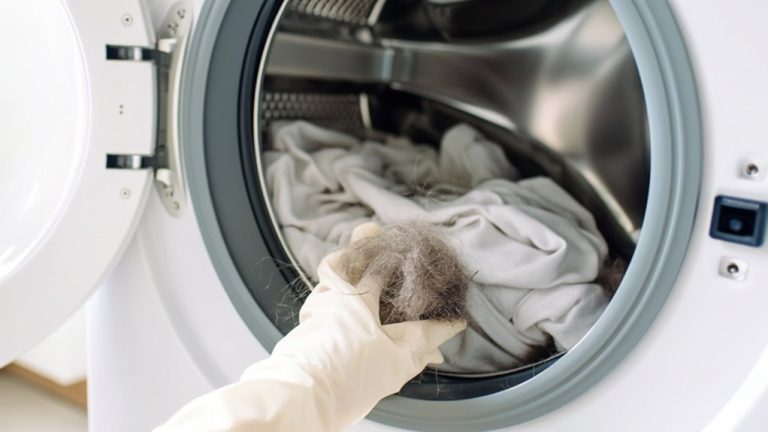
Regularly cleaning your washing machine helps prevent mold and mildew, which thrive in damp areas and cause unpleasant smells.
Consistent cleaning stops mold and mildew growth, eliminating damp odors from your washing machine.
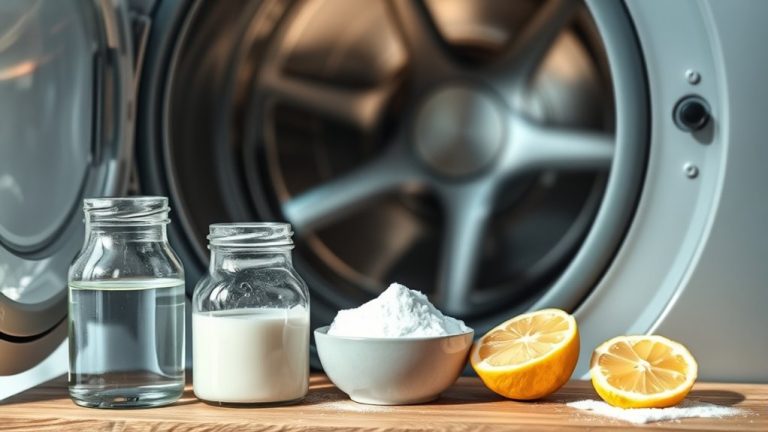
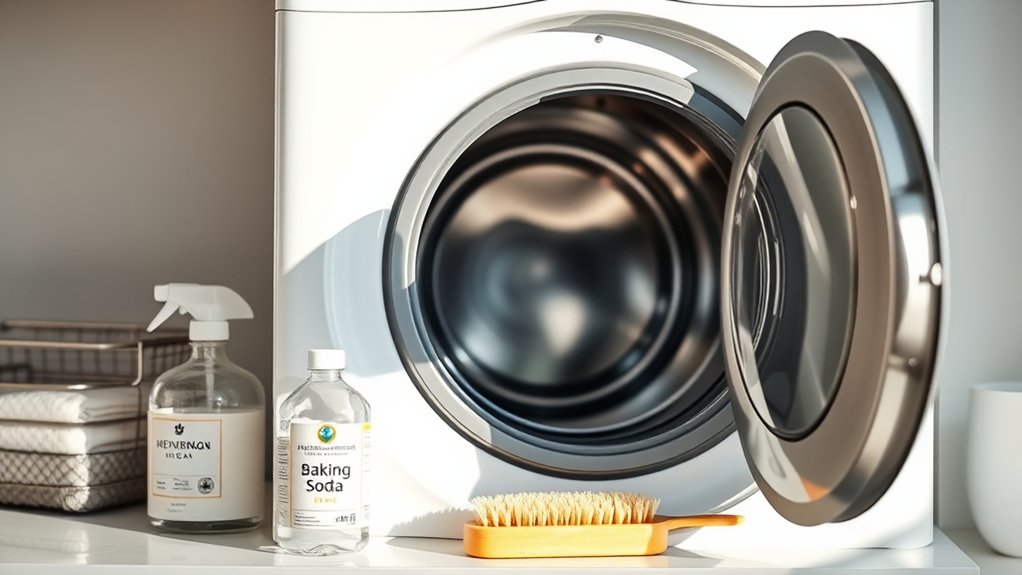
To keep your front load washer deodorized and disinfected, use a combination of vinegar and baking soda during cleaning cycles.
Always follow the manufacturer’s instructions for these cycles and recommended products to guarantee peak performance and extend your washer’s lifespan.
After each use, leave the door open to allow moisture to evaporate, reducing the risk of mildew growth.
Supplies Needed for Cleaning Your Front Load Washer
Before you begin cleaning your front load washer, gather the essential supplies to make the process easier and more effective.
Having the right cleaning supplies means you can tackle every part thoroughly and avoid damaging your machine.
Here are three must-have items for your front load washer cleaning:
1. Chlorine bleach and distilled white vinegar
Use bleach to disinfect and vinegar to gently clean gaskets and surfaces.
2. Microfiber cloth and brushes
These help wipe down and scrub detergent dispensers and removable parts without scratching.
3. Affresh washing machine cleaner and hot water
Affresh tablets clean the drum deeply, and hot water soaks removable parts for a thorough cleanse.
With these supplies ready, cleaning your front load washer will be more effective and less stressful.
Running a Cleaning Cycle With Affresh Tablets on Your Front Load Washer
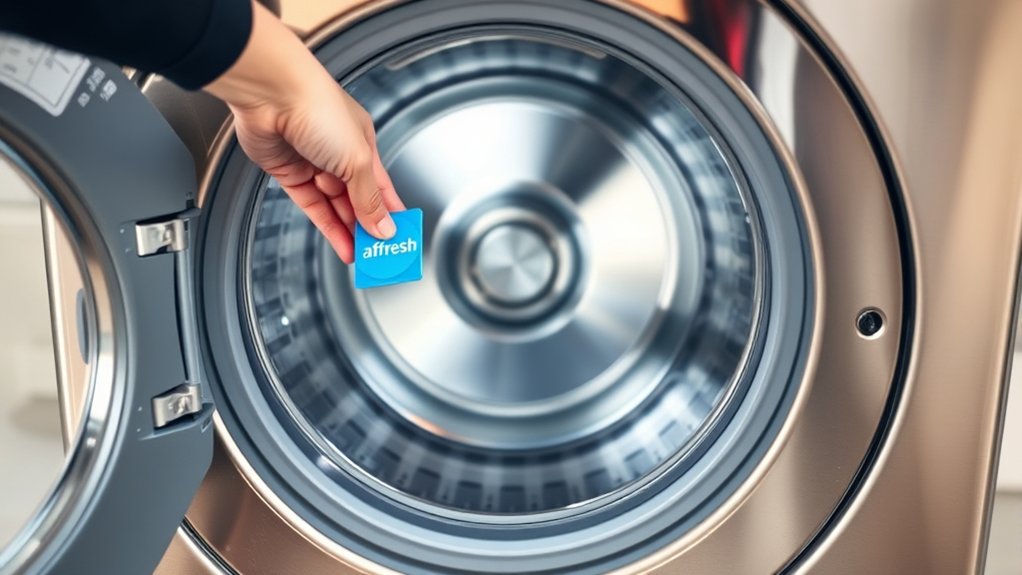
To run a cleaning cycle with Affresh tablets on your front load washer, start by making sure the drum is completely empty of laundry.
Place one Affresh tablet directly in the washer drum, not in the detergent dispenser.
Next, pick the hottest and longest cleaning cycle your machine has for the best results. This cycle really helps break down residues and buildup inside the drum, keeping your washer clean.
After the cleaning cycle finishes, go ahead and run an extra rinse and spin cycle. This will flush out any leftover residue.
For proper maintenance, use Affresh tablets about once a month or every 30 cycles.
Doing this regularly helps prevent odors and buildup, so your washer stays fresh and runs smoothly over time.
Cleaning the Detergent Dispenser Drawer Properly
Once you finish running a cleaning cycle with Affresh tablets, don’t forget to give the detergent dispenser drawer some attention as well. Proper cleaning prevents residue buildup and mold growth, which helps keep your washer running at its best.
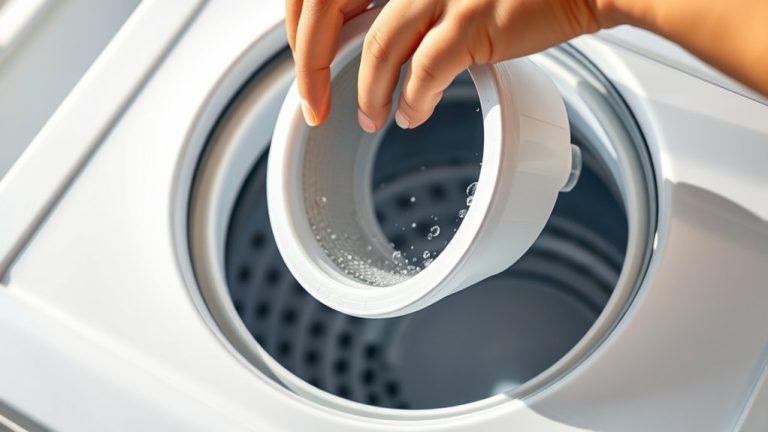
Here’s how to clean it thoroughly: Pull out the detergent dispenser drawer until you feel resistance, then remove it completely for a deeper clean. Soak the removable parts in hot water to dissolve any detergent residue. After soaking, scrub gently with a sponge or brush to get rid of any leftover grime.
Next, wipe the interior of the dispenser compartment with a damp cloth and an all-purpose cleaner. This will help remove any remaining buildup.
Just make sure all components are completely dry before you put everything back together. This step is key to preventing mold growth.
Try to clean the detergent dispenser once a month. Doing this keeps your washer running efficiently and helps avoid any unpleasant odors.
Wiping and Sanitizing the Rubber Door Gasket
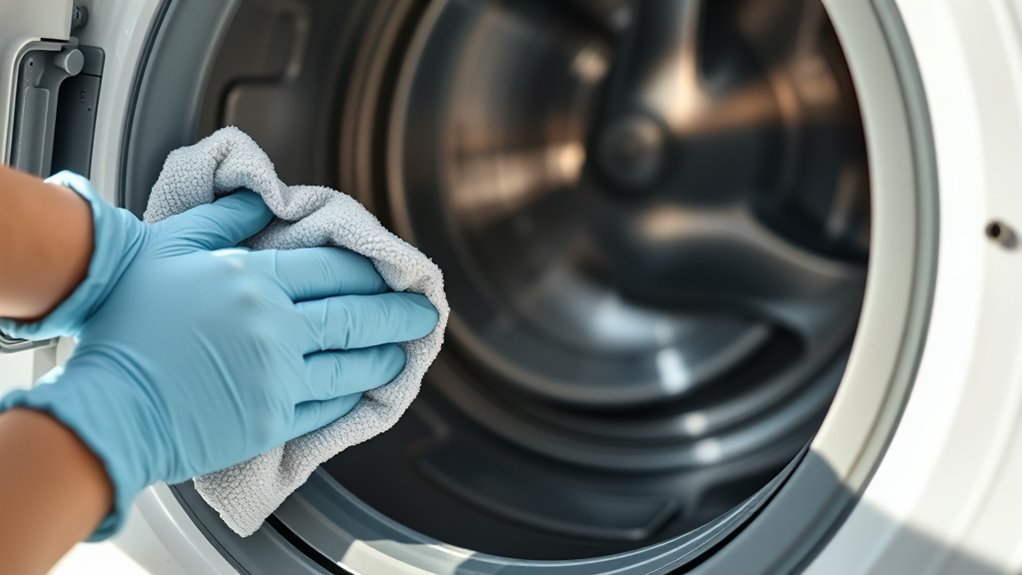
You should regularly wipe the rubber door gasket with a microfiber cloth to remove moisture and prevent mold growth. It’s a simple step that really makes a difference.
Spraying it with distilled white vinegar is also a great idea because it helps disinfect and gets rid of odors effectively.
If you come across tough stains, you can use a rag soaked in bleach. Just be sure to dry the gasket completely afterward to avoid any mildew from forming.
Taking these little extra steps will keep your gasket fresh and clean for a long time.
Cleaning Techniques
Spray distilled white vinegar onto the rubber door gasket to disinfect and tackle mold or mildew buildup effectively.
Use a microfiber cloth to wipe the gasket thoroughly, focusing on crevices where moisture collects and odors develop.
For stubborn stains, apply a bleach-soaked rag to the gasket for about an hour before wiping clean.
After cleaning, dry the gasket completely and leave the door open to promote air circulation, which helps prevent future mold growth.
Maintain peak washing machine hygiene with these cleaning techniques:
- Perform a regular inspection monthly to remove debris and residue.
- Use distilled white vinegar for routine disinfection.
- Treat stubborn stains promptly with a bleach-soaked rag.
Following these steps preserves your washing machine’s condition and keeps it fresh.
Preventing Mold Growth
Although mold can develop quickly in damp environments, regularly wiping the rubber door gasket with a damp cloth helps you remove moisture before it becomes a problem. This simple step prevents mold growth and keeps your washing machine fresh.
Use distilled white vinegar to clean the gasket as it disinfects and removes odors effectively.
Always dry the gasket completely by leaving the door ajar after each wash to promote air circulation. Inspect for debris regularly since trapped particles can harbor mold.
To sanitize monthly, apply a bleach solution if your washer’s manual allows.
Keeping up with these easy habits makes a big difference in preventing mold and maintaining a clean washing machine.
Cleaning the Drum and Door Glass Inside Your Front Load Washer
Two cups of distilled white vinegar can work wonders when cleaning the drum of your front load washer. Run the hottest, longest cycle with vinegar to remove odors and buildup effectively.
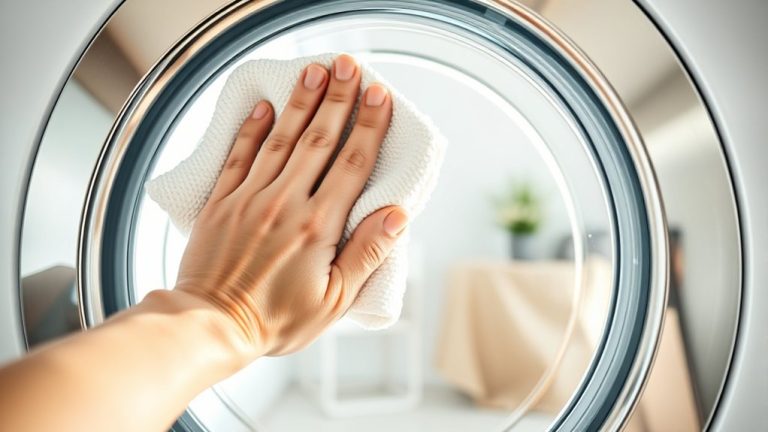
Afterward, wipe the door glass and metal surfaces with a microfiber cloth to eliminate moisture and prevent mildew.
Focus on the rubber gasket by spraying vinegar and gently scrubbing away mold and debris.
Don’t forget the detergent dispenser. Remove it, soak it in hot water, and scrub to stop soap scum buildup.
Remove the detergent dispenser, soak it in hot water, and scrub to prevent soap scum buildup.
Follow these steps for a fresher washer:
- Vinegar cycle cleans the drum and removes odors.
- Wipe door glass and gasket to prevent mildew.
- Clean detergent dispenser regularly to maintain performance.
This routine keeps your front load washer hygienic and odor-free.
Cleaning the Exterior of Your Front Load Washer
After taking care of the drum, door glass, and gasket, it’s important to keep the exterior of your front load washer clean as well.
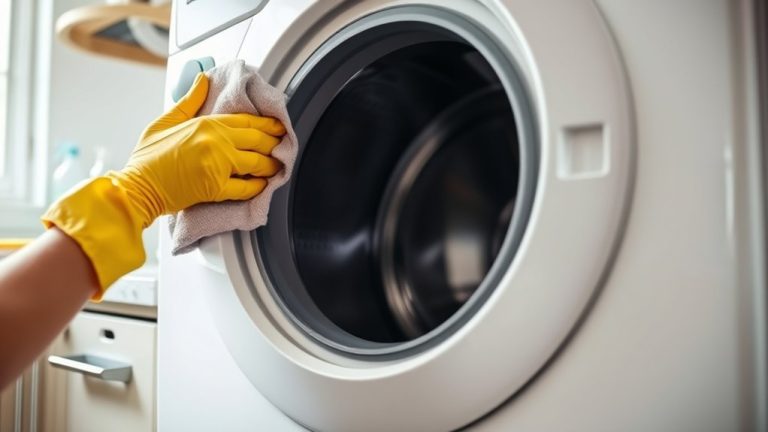
Use a soft cloth or sponge dampened with mild soaps or all-purpose cleaners to gently wipe away dirt and residue. Avoid harsh chemicals that could damage the finish.
Regularly dust the surface to maintain its appearance and prevent grime buildup. For stubborn stains, lightly spritz distilled white vinegar on the area and wipe with a microfiber cloth to effectively remove marks without harming the exterior.
Keeping the area around your washer tidy also promotes hygiene in your laundry space.
Consistent cleaning of the exterior helps maintain your front load washer’s look and functionality over time.
Keeping Your Front Load Washer Fresh Between Cleanings
To keep your front load washer smelling fresh and working well between deep cleanings, try leaving the door open after each use. This helps air circulate and stops moisture from building up inside.
Leave your washer door open after use to air it out and prevent moisture buildup.
It’s a simple way to cut down on odors and mildew growth.
Also, here are some handy tips to keep in mind:
- Run a hot water cycle now and then. This helps break down detergent residue and keeps the drum nice and clean.
- Wipe the rubber seal regularly with a damp cloth. This gets rid of mildew and helps prevent mold from forming.
- Take wet clothes out right away. Leaving them inside traps moisture and causes those unpleasant smells.
Using Vinegar, Baking Soda, and Bleach Safely in Your Front Load Washer
Although vinegar, baking soda, and bleach are popular cleaning agents for front load washers, you need to use them carefully to avoid damaging your machine.
Using vinegar regularly helps clean the rubber gasket and surfaces by dissolving soap scum and preventing mold growth.
Adding baking soda during the wash cycle boosts deodorizing effects, tackling stubborn odors effectively.
When using bleach safely, first check your washer’s manual to confirm it’s allowed. If so, run a hot cycle afterward to rinse thoroughly and prevent residue buildup or harmful interactions.
After cleaning with vinegar or baking soda, always leave the door open to guarantee proper ventilation, reducing mildew risks.
Troubleshooting Washer Odors and Mildew: Causes and Fixes
When you notice unpleasant odors or mildew in your front load washer, it usually means moisture and residue have built up in hard-to-reach spots.
Mildew and odors often come from moisture buildup caused by leaving wet clothes inside or using too much detergent. This leads to soap residue building up inside the machine.
To fix and prevent mold effectively, start by regularly cleaning the rubber door seal with vinegar. This helps remove trapped moisture and mildew.
Regularly cleaning the rubber door seal with vinegar helps remove moisture and prevent mildew buildup.
Next, run a hot water cycle with vinegar and baking soda once a month. This will get rid of odors and soap residue buildup.
Also, keep the washer door slightly open between uses. This promotes air circulation and cuts down on moisture buildup.
If you follow these steps, you’ll keep your washer smelling fresh and free of odors. Plus, it helps prolong the life of your machine.
Frequently Asked Questions
Can I Use Homemade Cleaning Solutions Instead of Commercial Tablets?
Yes, you can use homemade solutions instead of commercial tablets for cleaning your front load washing machine.
Vinegar is great because it disinfects and deodorizes. Baking soda gently removes grime, making it a perfect natural cleaner.
You can also add essential oils or citric acid to boost freshness and cleaning power. These natural alternatives save you money and come with fewer safety concerns.
Just make sure to clean your machine regularly.
Also, keep an eye on how well your homemade solutions work compared to commercial tablets. This way, you can be sure your machine stays fresh without risking damage or creating too many suds.
How Do I Clean the Washing Machine Filter?
To clean your washing machine filter, first unplug your machine and find the filter. It’s usually located at the bottom corner.
Regular filter maintenance helps prevent lint buildup and common clogs.
Place a basin underneath the filter, then unscrew it. Use filter cleaning tools like a brush dipped in vinegar to scrub away detergent residue.
Soak the filter in hot water and wipe the compartment clean before reattaching it securely.
Be sure to check your user manual for how often you should clean and replace the filter.
And remember, always use warm water for the best results. It’s pretty simple once you get the hang of it!
What Should I Do if My Washer Has Standing Water Inside?
If your washer has standing water inside, check for common causes like clogged drain filters or kinked hoses. These blockages can stop water from draining properly.
Try running a spin cycle to remove the water. You can also use a wet/dry vacuum to suck out any remaining water. It’s a handy trick if the spin cycle doesn’t do the job.
Make sure to do regular maintenance to avoid drainage problems in the future. Cleaning frequently helps prevent mold and bad odors from building up.
Use mold prevention and odor elimination methods to keep things fresh. If the problem won’t go away, consult an appliance troubleshooting guide or get professional repair advice.
Using recommended maintenance products can keep your washer running smoothly for a long time. Taking these steps can save you from bigger headaches down the road.
Is It Safe to Clean My Washer’s Pump and Drain Hose?
Yes, it’s safe to clean your washer’s pump and drain hose if you follow safety precautions like unplugging the machine first.
Regular pump maintenance and checking the drain hose for blockages help prevent common issues and improve water quality.
Make sure to use the right cleaning tools and perform routine checks based on how often you clean.
These troubleshooting tips help keep your washer’s parts in good shape and ensure efficient drainage.
Doing this keeps your machine running smoothly and can even extend its lifespan.
It’s a simple way to avoid bigger problems down the line.
How Can I Prevent Mold Growth in Humid Climates?
Did you know 60% of front-load washers develop mold within just a year if untreated? For mold prevention in humid climates, prioritize humidity control by keeping your machine well-ventilated and leaving the door ajar after cycles.
Use HE detergents to reduce residue buildup, adjust cycles to hot water occasionally, and regularly inspect door sealing and gaskets.
These washing tips and machine maintenance steps help combat mold, considering your climate’s unique challenges.
Conclusion
Keeping your front load washer clean isn’t just a chore. It’s like a magic trick that keeps your laundry fresh and your machine happy. By regularly wiping the gasket, cleaning the detergent drawer, and running cleaning cycles with Affresh tablets, you’ll banish odors and mildew for good.
Remember, a little care goes a long way in extending your washer’s life and boosting its performance. So, why wait? Start your cleaning routine today and watch your laundry routine transform!