How To Clean Ge Washing Machine Front Loader – Guide
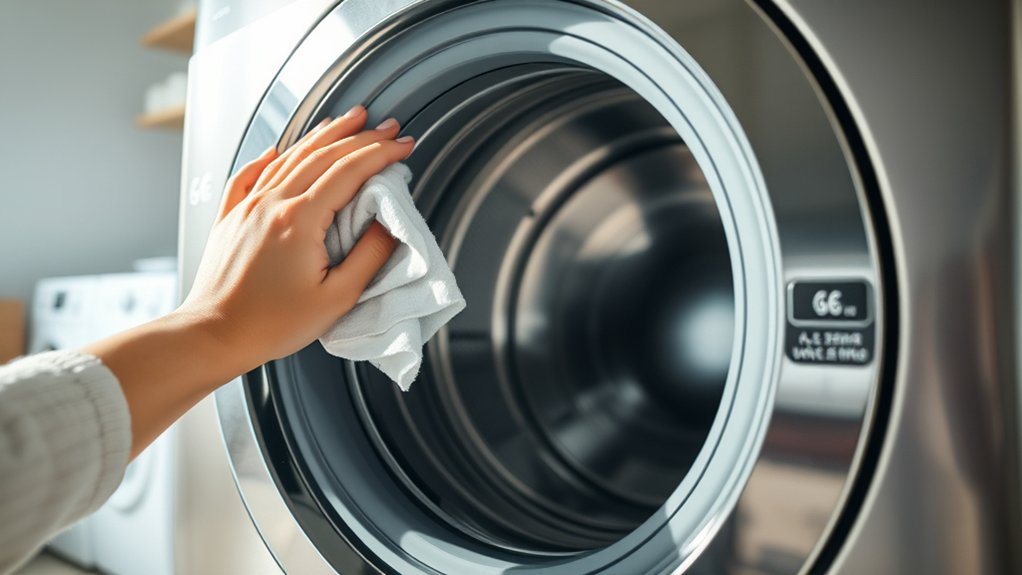
To clean your GE front-loading washer, start by unplugging the machine and removing all laundry. Open the door to air out the drum and wipe the door gasket and detergent dispenser to remove mold and residue.
Next, locate and remove the filter from the bottom front panel. Rinse it thoroughly and check for any debris.
Run the tub clean cycle with vinegar or a commercial cleaner to eliminate odors. After you’re done, keep the door open to prevent moisture buildup.
Keep following these steps to make sure your washer stays fresh and efficient. It’s easier than you think!
Prepare Your GE Front-Loading Washer for Cleaning
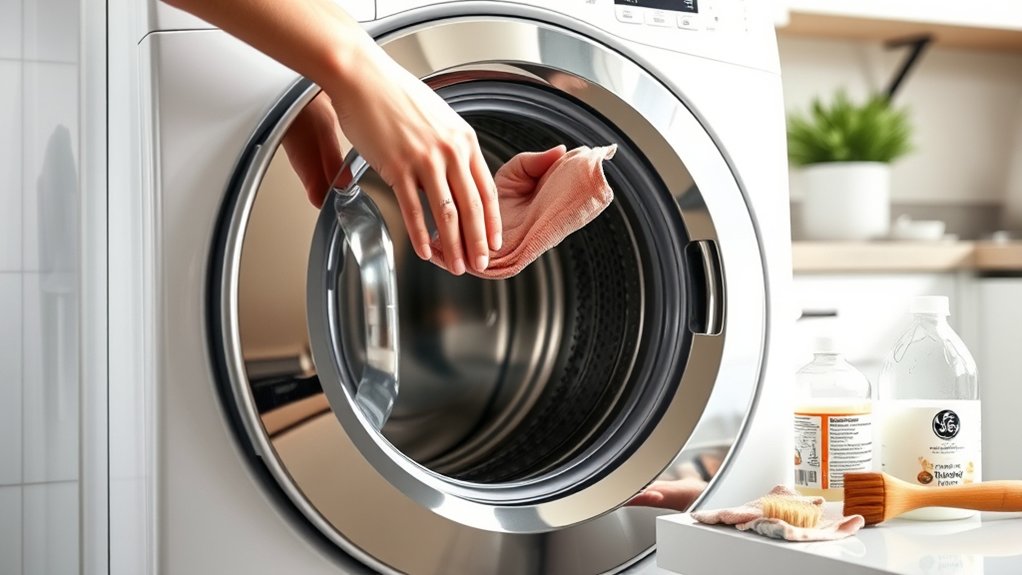
Before you begin cleaning your GE front-loading washer, make sure to remove all laundry from the drum and unplug the machine for safety. It’s a simple step, but super important.
Next, open the drum and door to help air circulate and moisture evaporate. This helps keep things fresh inside your washer.
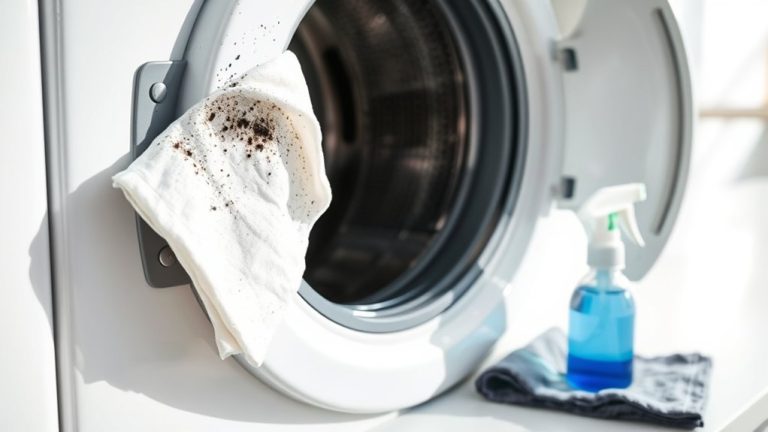
Take a close look at the door seal. Wipe it down carefully to get rid of any mold or residue buildup.
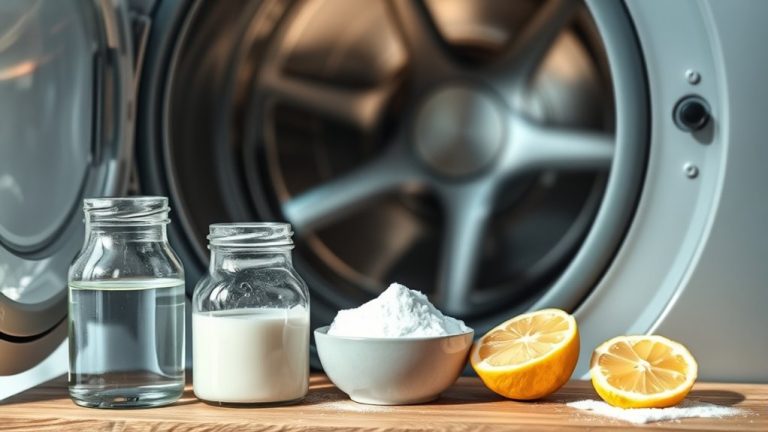
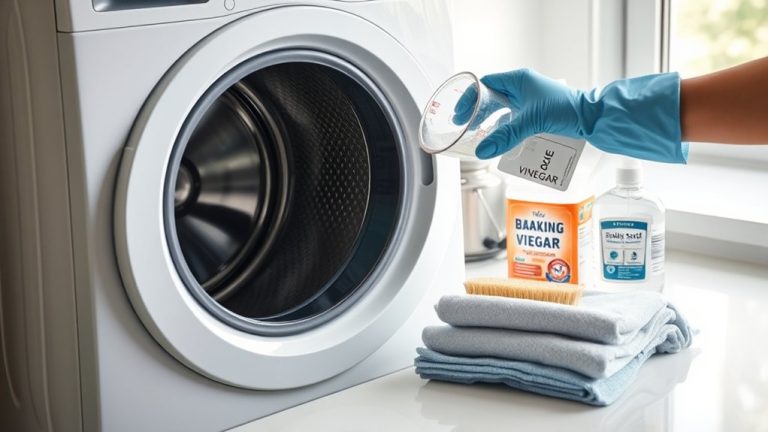
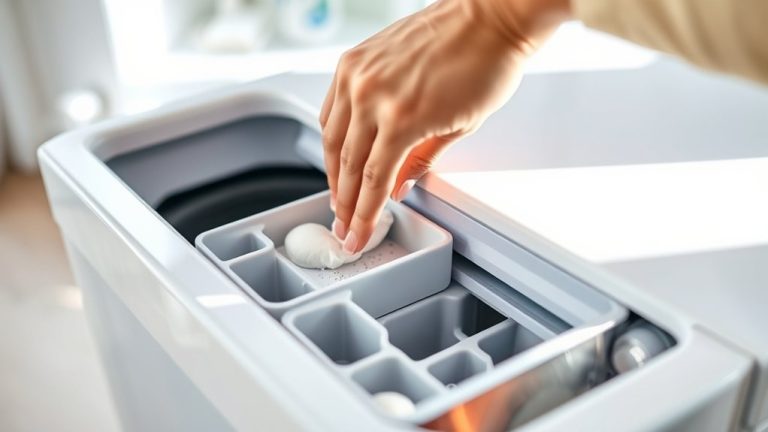
Then, clean the detergent dispenser thoroughly to prevent clogging and odors. You can use manufacturer-recommended cleaners or natural options like vinegar and baking soda. Both work well!
Finally, don’t forget to wipe the exterior surfaces with a damp cloth. This removes dust and any detergent splashes.
Doing these steps will get your washer ready for cleaning, help it last longer, and keep it running at its best.
Remove and Drain the Front Filter
When you locate the small access panel at the bottom front of your GE washer, place a towel underneath to catch any water that drains out. Twist the filter knob counterclockwise just enough to loosen it and start draining water slowly into a container or onto the towel. This prevents spillage before you fully remove the filter.
Locate the access panel, place a towel underneath, and slowly loosen the filter to drain water safely.
After the water has drained completely, carefully remove the filter from its housing. Take a good look for any debris like lint, coins, or hair that might be blocking the drain hose or filter.
Wipe the filter housing clean before putting the filter back.
When you’re ready to reinstall, secure the filter by twisting it clockwise to ensure a proper seal. This step is really important for keeping your washer clean and making sure water flows just right in your front loader.
Clean the Washer Filter Step-by-Step
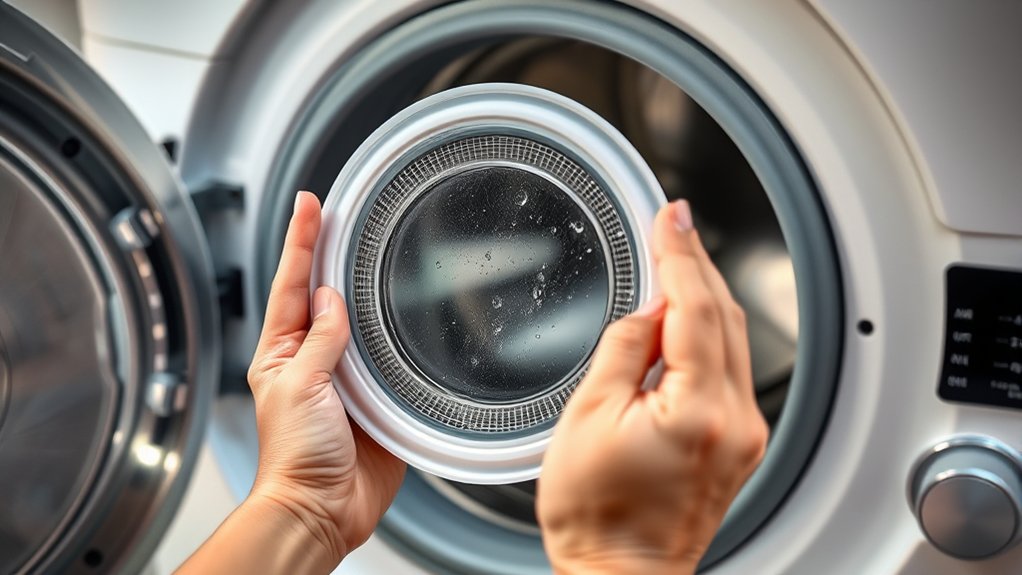
Although removing the filter is straightforward, you’ll want to thoroughly clean it to keep your washer running efficiently. Start by twisting the filter knob counterclockwise to remove it. Be ready to catch any excess water by draining it into a container or using a rag.
Next, rinse the filter under warm running water. Use an old toothbrush to scrub away any stubborn debris or buildup stuck in the mesh.
Give the filter a close look to check for any damage or wear that might affect how well it works.
Once the filter is clean and inspected, go ahead and reinstall it by twisting the knob clockwise until it’s snug and secure.
Don’t forget to wipe the surrounding area dry to prevent moisture buildup. Doing this properly helps ensure smooth water drainage, keeps clogs at bay, and extends the life of your GE front loader washer.
Run the Tub Clean Cycle on Your Washer
First, make sure the washer drum is empty before you add your cleaning agent, like bleach, vinegar, or a specialized tablet.
Then, go ahead and select the Tub Clean or Self Clean cycle on your machine.
Start it up and try not to interrupt the cycle while it’s running.
Once it’s done, wipe down the inside of the drum and leave the door open so it can dry thoroughly.
Prepare Washer For Cleaning
To run the tub clean cycle effectively, make sure your washer is completely empty to avoid damaging your clothes. Remove all clothes and any water softening additive before starting. Open the lid or door to confirm the drum is empty.
Next, pour the cleaner into the detergent compartment. Then, select the tub clean cycle on the control panel.
| Step | Action | Tip |
|---|---|---|
| Clothes Removal | Remove all laundry | Avoid damage to clothes |
| Detergent Compartment | Add cleaner (bleach/vinegar) | Use proper dosage |
| Cycle Selection | Choose “Tub Clean” | Do not interrupt cycle |
After the cycle is done, leave the door open to let the drum dry. This helps prevent mold and mildew buildup.
Add Cleaning Solution
Once you’ve prepared your washer by ensuring it’s empty, add 1 cup (250 ml) of liquid bleach, vinegar, or a specialized washer cleaning solution directly into the tub.
Next, select the Basket Clean cycle or Tub Clean cycle on your GE front loader. Press Start to initiate the cleaning process.
Running this cycle without interruption is essential for effective odor removal and thorough cleaning of the washer tub. The cleaning solution works to break down buildup and eliminate odors inside the washer.
After the cycle is complete, don’t forget to wipe down the drum and door seal to remove any residual residue or loosened debris.
This step helps maintain a fresh washer environment and prevents future odor problems, ensuring your machine stays clean and efficient.
Complete Tub Clean Cycle
Although your washer should be empty before starting, you can select the Tub Clean cycle or a similar maintenance setting on your GE front loader to begin the cleaning process. Add the recommended washer cleaner or liquid bleach into the detergent dispenser or directly into the drum, following product instructions.
Initiate the Tub Clean cycle, which uses hot water and typically runs between 60 to 90 minutes. This extended cycle duration guarantees thorough odor elimination and mold prevention by targeting residues inside the tub. Avoid interrupting the cycle to maximize cleaning efficiency.
Once complete, leave the door open to promote air circulation, which helps prevent mildew buildup. Running this maintenance cycle regularly helps maintain your front loader’s performance and hygiene. It ensures effective cleaning and extends the lifespan of your washer.
Try Alternative Cleaning Methods Without a Tub Clean Cycle
If your GE front-loading washer doesn’t have a Basket Clean cycle, don’t worry. You can still keep it clean by manually filling the drum with hot water and adding 3/4 cup of a water softening additive or white vinegar.
Then, just run a full wash cycle to tackle odors and buildup effectively.
These cleaning methods also help get rid of stains and prevent odors without needing any special cycles. You can also try products like Glisten Washer Magic or Tide Washing Machine Cleaner. Just follow the directions on the package to eliminate mold and mildew smells.
After cleaning, leave the washer door open to let air circulate. This helps reduce musty odors and keeps your machine fresh.
Doing this regularly will make sure your front loader stays in great shape, even without a tub clean cycle. It’s a simple way to keep your washer performing well and hygienic over time.
Prevent Odors and Keep Your Washer Fresh
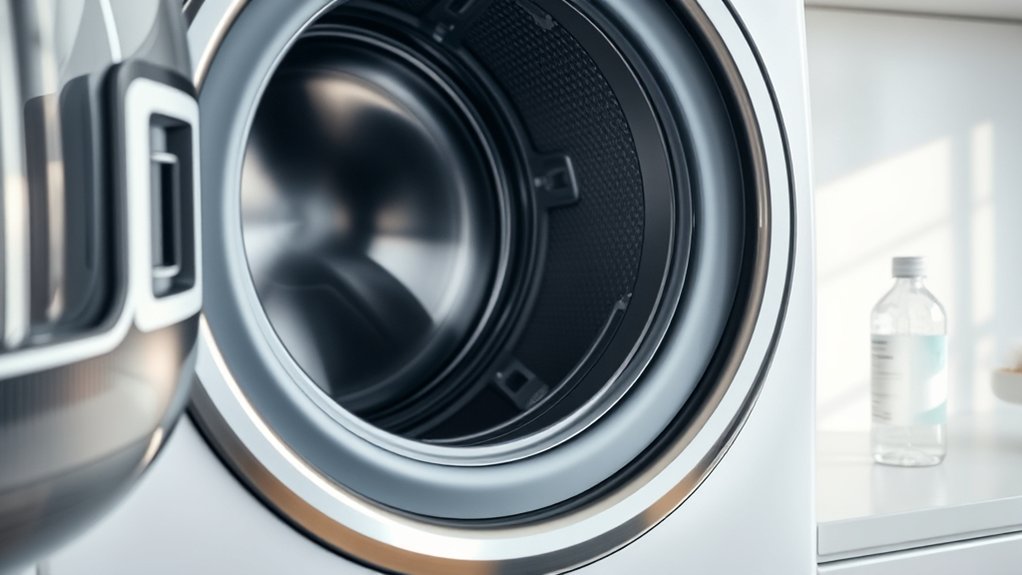
To keep odors at bay, try leaving your washer door open after each cycle. This helps air circulate and stops moisture from building up. It’s a simple step but makes a big difference.
Also, running the Basket Clean cycle once a month is a great idea. You can add bleach or vinegar during this cycle to get rid of any residue that might be causing smells.
Don’t forget about the door seal and detergent dispenser, either. Giving them a regular wipe down will help remove mold and debris that can lead to unpleasant odors.
Keeping these areas clean really helps your washer stay fresh.
Odor Prevention Tips
How can you keep your GE front-loading washer smelling fresh and free from odors? Start by ensuring proper air circulation: leave the door and lid open after cycles to reduce moisture that promotes mildew and mold.
Run the Basket Clean cycle regularly using vinegar or bleach to eliminate odors inside. Clean the door gasket and keep it dry to prevent mold buildup. Using baking soda occasionally helps neutralize lingering smells.
Also, check that the drain hose is clean and properly positioned to avoid stagnant water.
| Tip | Action | Benefit |
|---|---|---|
| Air Circulation | Leave door open after use | Reduces moisture, prevents mold |
| Basket Clean Cycle | Run with vinegar/bleach weekly | Eliminates mildew and odors |
| Door Gasket Care | Wipe dry, clear debris | Prevents mold growth |
| Baking Soda | Use monthly inside drum | Neutralizes odors |
| Drain Hose | Clean and position correctly | Prevents musty smells |
Cleaning Cycle Use
While maintaining your GE front loader, you should run the cleaning cycle monthly using a commercial washer cleaner or bleach to remove detergent buildup and inhibit mold growth. Always confirm the washer is empty before starting the cleaning cycle for effective cleaning of the drum and gasket.
If your machine offers a Basket Clean cycle, use it by adding one cup of bleach, vinegar, or washer cleaner as directed. This process targets detergent residue and promotes mildew prevention.
After cycles, leave the washer door open to enhance air circulation, reducing moisture and supporting odor elimination.
Regularly cleaning the drum and gasket with appropriate agents complements the cleaning cycle, keeping your washer fresh and extending its lifespan.
Consistent use of these steps guarantees peak performance and hygiene. It’s an easy way to keep your machine running smoothly and smelling great!
Troubleshoot Common Washer Cleaning Issues
If you encounter persistent odors, mold buildup, or drainage issues in your GE front loader, these problems usually stem from inadequate maintenance or trapped moisture.
To tackle odors inside, regularly run a cleaning cycle using vinegar or a specialized cleaner to break down detergent residue and eliminate mold.
Check and clean the filter frequently to prevent clogging caused by stagnant water, which can lead to drainage problems.
Wipe the door seal and detergent dispenser to remove mold and residue buildup.
Always use the correct amount of high-efficiency detergent to minimize buildup, and leave the door open after cycles to allow moisture to evaporate.
Consistent maintenance like this prevents mold growth, odors, and stagnant water, keeping your washer functioning efficiently and hygienically.
Frequently Asked Questions
Can I Use Bleach to Clean My GE Front-Loading Washer?
Yes, you can use bleach to clean your GE front-loading washer, but do so carefully. Pour 1 cup of liquid bleach directly into the washer basket before running the Basket Clean cycle.
Avoid mixing bleach with other cleaners to prevent hazardous fumes.
Don’t leave bleach sitting in the machine too long, as it can damage rubber seals and the drum. Make sure to follow the manufacturer guidelines to keep your washer working well for a long time.
Taking these steps will help maintain your washer’s longevity and effectiveness.
How Often Should I Clean the Detergent Dispenser?
You should clean the detergent dispenser at least once a month to prevent buildup and odors.
If you notice heavy residue or mold, increase cleaning frequency to every two weeks.
Use warm water and a soft brush or cloth to thoroughly clean all compartments.
Regular maintenance guarantees proper detergent flow, prevents clogging, and keeps your washing machine functioning efficiently.
Don’t skip this step to avoid malfunctions and unpleasant smells.
It’s a simple task that really makes a difference in how well your machine works.
Is It Safe to Leave the Washer Door Open After Use?
Yes, it’s safe to leave your washer door open after use. Studies show that leaving the door ajar can reduce mold growth by up to 50%.
You’ll want to make sure the door is secure to avoid accidents and keep it away from kids or pets.
This practice helps moisture evaporate faster, which prevents odors and mildew buildup.
Just check your model’s manual for any door lock features before leaving it open.
It’s a simple step that can make a big difference in keeping your washer fresh.
What Type of Detergent Is Best for Front Loaders?
You should use high-efficiency (HE) detergent specifically designed for front loaders. HE detergent produces low suds and disperses quickly, preventing residue buildup and mold growth.
Use only the recommended amount, typically half to two-thirds of what you’d use in regular washers. This helps guarantee peak cleaning and protects your machine’s components.
Avoid regular detergents because they create excessive suds that harm your front loader’s performance and longevity.
Enzymatic HE formulas also help remove stains efficiently. So, sticking to HE detergent is really the best way to keep your front loader running smoothly and your clothes clean.
Can Hard Water Damage My GE Washing Machine?
Yes, hard water can damage your GE washing machine by causing mineral buildup inside key components like the detergent dispenser, drum, and water inlet valves. This buildup clogs parts, reduces efficiency, and may lead to corrosion or rust.
To protect your machine, you should use water softening agents or install a water softener system.
Regular cleaning and maintenance will also help prevent long-term damage and keep your washer running smoothly.
Taking these steps can really make a difference in how long your washing machine lasts and how well it performs.
Conclusion
You might think your GE front-loader cleans itself, but neglecting regular maintenance can turn it into a dirt magnet. By prepping your washer, draining and cleaning the filter, running the tub clean cycle, or trying alternative methods, you’re actually saving yourself from foul odors and costly repairs.
Stay ahead of common issues with simple, routine care. Because ironically, the cleaner your washer, the cleaner your clothes will be.