How To Clean Washing Machine With Baking Soda And Vinegar – Guide
To clean your washing machine with baking soda and vinegar, start by spraying vinegar on the seals and wiping them down. For front-loaders, pour two cups of vinegar into the detergent dispenser and run a hot cycle. Then add half a cup of baking soda to the drum for a second hot cycle.
For top-loaders, soak the drum with a quart of vinegar and scrub it. After that, run a hot cycle with a cup of baking soda. This helps keep your machine fresh and mold-free.
Want to keep your washing machine in great shape? Try these simple steps regularly and discover more tips to maintain it effectively.
Why Use Baking Soda and Vinegar to Clean Your Washing Machine?
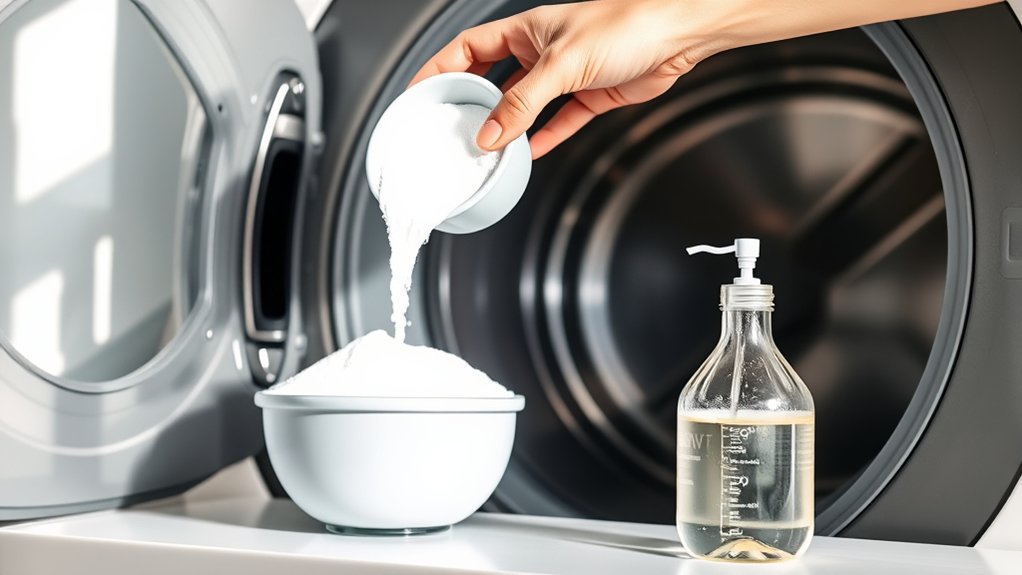
Although you mightn’t realize it, using baking soda and vinegar to clean your washing machine offers a powerful yet gentle way to tackle residue, odors, and mineral buildup.
Baking soda acts as a mild abrasive that scrubs away soap scum and neutralizes unpleasant smells. Vinegar’s acetic acid dissolves stubborn mineral deposits.
Baking soda gently removes soap scum and odors, while vinegar’s acid breaks down tough mineral buildup.
Together, they create a natural cleaning solution that disinfects the drum and detergent dispensers without harsh chemicals.
When used separately in a two-step process, these eco-friendly ingredients prevent mold and mildew buildup, which are common problems in washing machines.
This method isn’t only effective but also safe for your appliance and the environment.
Cleaning Supplies You’ll Need for Vinegar and Baking Soda
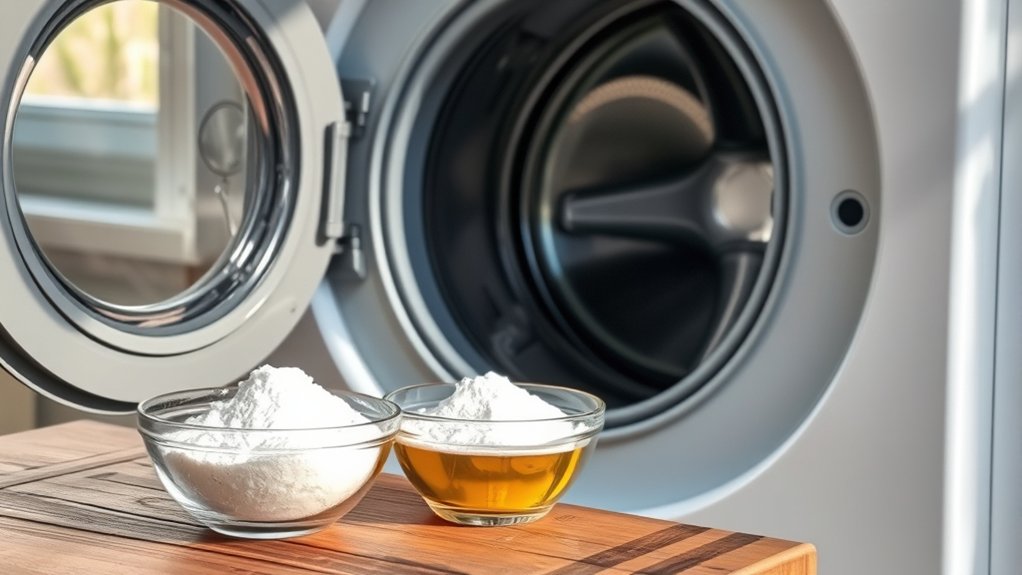
You’ll need distilled white vinegar and baking soda as your main cleaning ingredients to break down buildup and deodorize your machine.
Then, grab a microfiber cloth and a toothbrush to scrub and wipe those hard-to-reach spots and seals thoroughly.
If you want some extra disinfecting power, an all-purpose cleaner like Force of Nature comes in handy during the process.
It really helps get everything extra clean.
Essential Cleaning Ingredients
Cleaning a washing machine effectively starts with gathering the right supplies. You’ll need baking soda and distilled white vinegar. These two powerful household staples tackle residue, odors, and mildew.
Baking soda acts as a gentle abrasive and deodorizer. Vinegar’s acetic acid dissolves soap scum and kills mold.
To wipe down surfaces without scratching, use a microfiber cloth that traps dust and grime efficiently. An old toothbrush is essential for scrubbing tight spots like filters and crevices. This helps ensure no buildup remains.
These ingredients work together to clean your washing machine thoroughly, restoring freshness and preventing mildew. Having these items on hand makes your cleaning routine simple, effective, and safe for your machine’s interior. It’s an easy way to keep your washer in great shape.
Tools For Effective Cleaning
Gathering the right tools makes tackling your washing machine’s buildup easier and more effective. You’ll need distilled white vinegar and baking soda as your main cleaning agents. Use a measuring cup to measure two cups of vinegar and half a cup of baking soda accurately for the cleaning process.
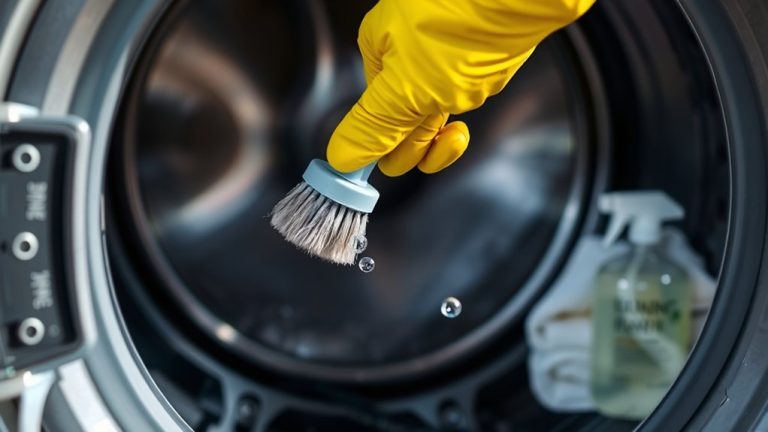
A scrub brush or old toothbrush helps clean tight spots like the detergent dispenser and rubber gasket. After running the cleaning cycle, wipe down surfaces with a microfiber cloth to remove residue and moisture.
| Tool | Purpose |
|---|---|
| Distilled white vinegar & Baking soda | Dissolve deposits and neutralize odors |
| Scrub brush | Clean detergent dispenser & rubber gasket |
| Microfiber cloth | Wipe surfaces after cleaning |
Preparing Your Washing Machine for Natural Cleaning
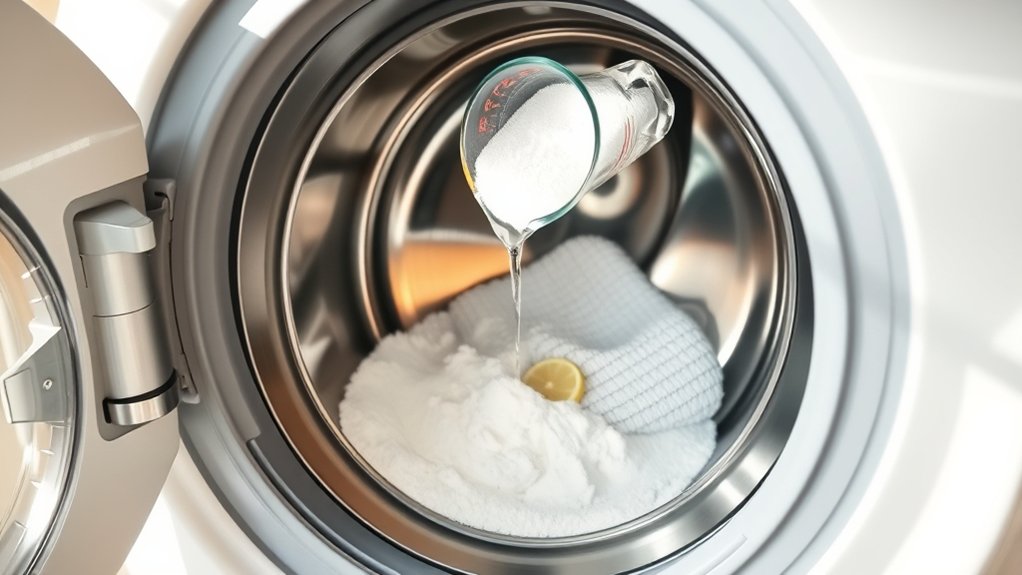
Before you start the natural cleaning process, make sure your washing machine is completely empty. This will prevent any residue from mixing with the cleaning agents.
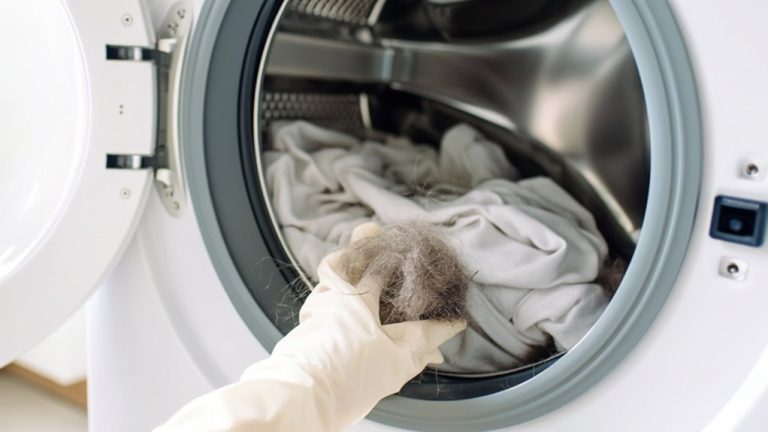
Begin by removing visible debris like lint or hair from the drum and rubber gasket. This helps ensure a thorough clean.
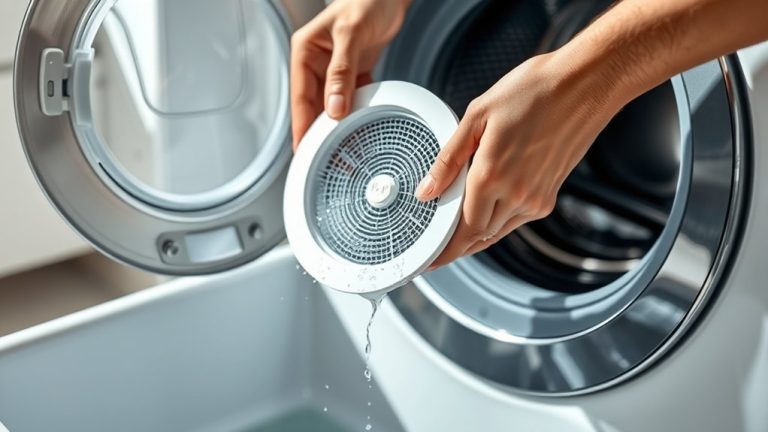
Next, take out and clean the detergent dispenser. Getting rid of buildup here is important because it can interfere with how well the vinegar and baking soda work.
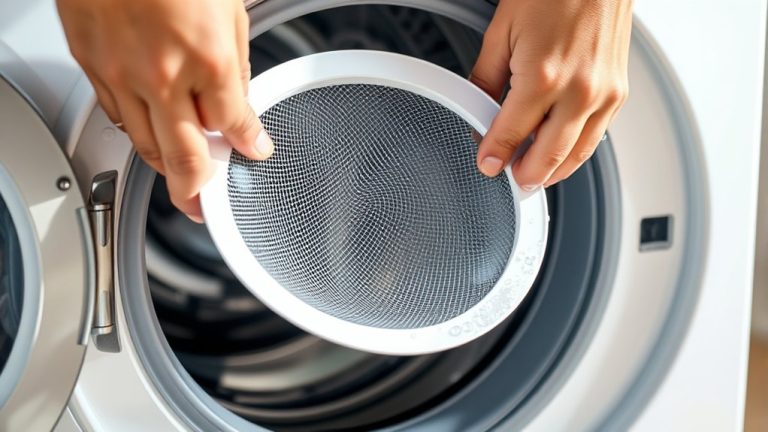
Don’t forget to check the filter too. Clear it of any grime to avoid drainage issues during the cycle.
Finally, select the hottest and longest wash cycle available. This hot wash will maximize the natural cleaning power of baking soda and vinegar, making sure your washing machine gets deeply refreshed and free from residues.
Cleaning Front-Load Washers Step-by-Step
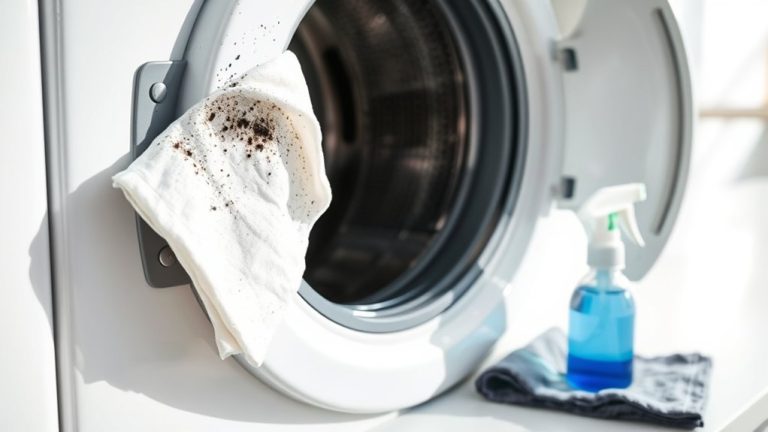
Start by spraying white vinegar on the rubber gasket of your front-load washer.
Then, wipe it down with a damp cloth to remove any buildup and mildew.
To clean my washing machine thoroughly using baking soda and vinegar, follow these steps:
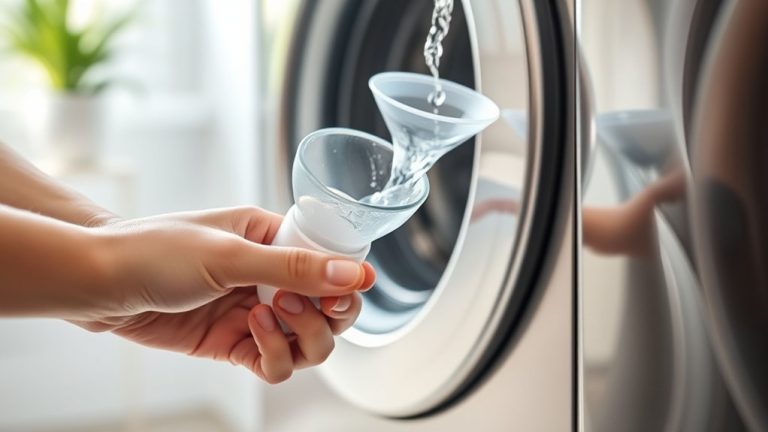
- Pour two cups of white vinegar into the detergent dispenser and run a hot wash cycle. This helps disinfect and dissolve mineral deposits.
- After the vinegar cycle, sprinkle ½ cup of baking soda directly into the drum. This neutralizes odors and gives a deeper clean.
- Run a second hot wash cycle.
Then, wipe down the drum, door seal, and door with a damp cloth to remove any residue and keep odors away.
This method guarantees your front-load washer stays fresh and clean with minimal effort.
Give it a try!
Cleaning Top-Load Washers Step-by-Step
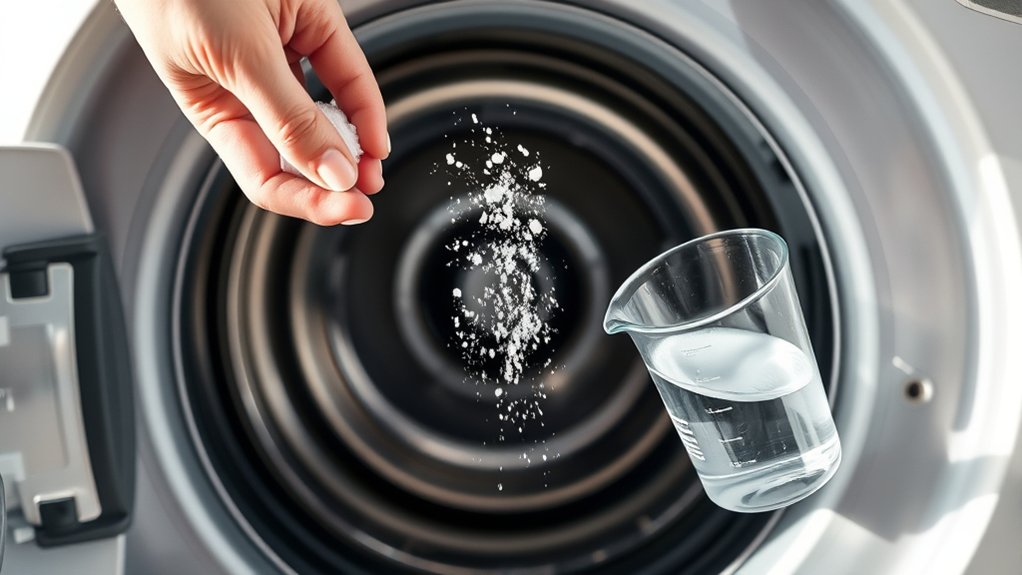
To clean your top-load washer effectively, run a hot wash cycle for one minute to fill the tub with water and activate the agitator.
Next, add one quart of white vinegar to the drum and let it sit for an hour. This soak dissolves mineral deposits and disinfects the machine.
While it soaks, scrub the tub’s rim, agitator, and exterior to remove grime.
Afterward, run another hot water cycle, adding one cup of baking soda to neutralize odors and remove residue.
Cleaning your washing machine this way helps prevent buildup and keeps your washer fresh.
This cleaning method prevents buildup and ensures your washer stays fresh and odor-free.
Regularly cleaning your top-load washer guarantees peak washing performance and extends the machine’s life.
Following these steps will keep your washer running smoothly and smelling clean.
It’s a simple routine that really makes a difference!
How Often to Clean Your Washing Machine With Vinegar and Baking Soda
Although cleaning your washing machine might seem like a chore, doing it regularly with vinegar and baking soda is essential for maintaining its efficiency and preventing odors.
This natural combo tackles soap scum, mildew smells, and buildup effectively, making sure your machine runs smoothly.
Here’s how often you should clean:
- Clean front-loading machines once a month to prevent soap scum and mold buildup.
- For top-loading machines, clean every other month to maintain efficiency and avoid odors.
- If you use your washing machine heavily, clean every 2-3 weeks to prevent mildew smells and keep it in good shape.
Following this routine keeps your washing machine fresh, extends its lifespan, and guarantees your laundry comes out spotless every time.
It’s easier than you think, and totally worth it!
How to Make Vinegar and Baking Soda Work Together
Keeping your washing machine fresh with vinegar and baking soda works best when you use them in separate steps rather than combining them.
Start by adding 2 cups of vinegar directly into the drum and run a hot wash cycle. This step acts as a disinfectant and mineral deposit remover, effectively breaking down buildup inside your machine.
Once that cycle finishes, sprinkle ½ cup of baking soda into the drum and run another hot wash cycle. Baking soda serves as a deodorizer, neutralizing odors left behind.
Avoid mixing vinegar and baking soda together at once since their reaction cancels out their cleaning power.
Following this method regularly supports thorough washing machine maintenance, eliminating odors and buildup to keep your appliance running efficiently and prolong its lifespan.
It’s a simple routine that really makes a difference!
Maintaining Seals and Drum After Cleaning
When you finish cleaning your washing machine, make sure to regularly check and clean the rubber seals around the door. These seals can trap moisture and residue, which can lead to mold and mildew buildup. Keeping them clean is key to avoiding odors and damage.
Here’s how to keep your machine in great shape: Use a vinegar-water solution and a microfiber cloth to gently clean the seals and drum. This helps disinfect and remove lingering odors without using harsh chemicals.
After each cycle, wipe the drum thoroughly with a microfiber cloth. This helps remove moisture and prevents odor buildup.
Also, try to keep the door slightly open between uses. This promotes airflow, reduces humidity, and discourages mold growth.
Every few months, do a thorough inspection to catch any issues early. This way, your washing machine stays fresh and runs efficiently.
When to Call a Professional for Washing Machine Issues
If your washing machine still smells bad after you’ve cleaned it, that’s a good sign it’s time to call in a professional to check for any hidden problems.
And if you start hearing strange noises, notice leaks, or have trouble with draining and filling, it’s definitely worth getting an expert to take a look.
Plus, if there’s mold growing in those hard-to-reach spots you just can’t clean yourself, a technician can give it the thorough attention it needs.
Persistent Odor Problems
Although regular cleaning with vinegar and baking soda often eliminates odors, persistent foul smells can signal deeper issues like mold or mechanical problems.
If you notice these persistent odors, it’s time to contemplate a professional assessment. Here’s when to call an expert:
- Mold or mildew buildup in hidden areas, such as behind the gasket, resists thorough removal through DIY baking soda and vinegar cleaning.
- Recurring foul smells despite regular maintenance suggest mold growth or mildew requiring professional attention.
- Mechanical problems causing water drainage issues or odor retention need expert diagnosis to prevent worsening problems.
Addressing these concerns promptly guarantees your washing machine stays clean and odor-free.
This helps you avoid costly repairs and keeps things hygienic.
Mechanical Malfunction Signs
How can you tell when your washing machine needs professional help? If you’ve tried cleaning the washer but persistent foul odors remain, there might be mold hiding in those hard-to-reach spots. That usually means it’s time to call in a pro.
Mechanical problems often show up as issues with water draining or filling improperly. Both are clear signs you should get a technician to take a look.
Excessive vibrations, strange noises, or leaks during operation also point to mechanical issues that go beyond regular cleaning.
If your machine won’t start or its cycles run inconsistently, it definitely needs an internal inspection by a qualified professional. They can diagnose any electrical or mechanical faults.
Catching these problems early helps prevent further damage and keeps your washing machine running efficiently and odor-free.
Mold Inaccessible Areas
Persistent odors and drainage problems often signal mold hidden in areas you can’t easily reach, like beneath rubber gaskets or inside the drainage system.
Even after cleaning with vinegar and baking soda, these inaccessible areas may still harbor mold. That’s why musty smells and clogging issues can stick around.
Here’s when you should consider professional intervention:
- You notice persistent odors despite thorough cleaning of the washing machine.
- Water drainage problems continue, hinting at mold affecting internal parts.
- You see visible mold growth in hidden spots or experience mechanical malfunctions linked to mold buildup.
Professionals have the tools and expertise to clean these hard-to-reach places effectively.
That way, your washing machine stays fresh and fully functional. Don’t hesitate to call them when DIY methods fall short.
Better Alternatives to Baking Soda and Vinegar for Cleaning
When you want a thorough clean without running multiple cycles, choosing a product like Truly Free Home Laundry Machine Cleaner can make a big difference.
Unlike vinegar and baking soda, this cleaner works in a single cycle to break down detergent buildup and eliminate odors effectively.
Better alternatives to traditional home remedies include commercial cleaners designed to target mold and mildew more aggressively.
These protect your washing machine from potential wear caused by frequent vinegar use.
For an eco-friendly option, enzyme-based cleaners provide a sustainable solution that maintains your machine’s health while breaking down organic residues.
Frequently Asked Questions
Can I Use Essential Oils With Baking Soda and Vinegar?
Yes, you can use essential oils with baking soda and vinegar for added cleaning benefits and scent options.
Just be mindful of safety concerns. Never apply oils directly on machine parts to avoid damage.
Mix essential oils properly, using a few drops in the solution to guarantee even distribution.
Compare effectiveness by noting that oils like tea tree offer antibacterial perks.
If you’re unsure, consider alternative solutions or check your machine’s manual for mixing ratios and application methods.
Is It Safe to Clean Washing Machines With Vinegar Frequently?
You shouldn’t use vinegar frequently for washing machine maintenance, even though vinegar benefits odor removal and detergent buildup.
While it’s an effective natural cleaner and eco friendly solution, overusing it can harm your appliance longevity by wearing down parts.
Try to balance your cleaning frequency by alternating vinegar with manufacturer-recommended products to keep your machine running smoothly.
This approach guarantees you enjoy vinegar’s benefits without risking long-term damage.
Will Baking Soda and Vinegar Damage My Washing Machine Parts?
No, baking soda and vinegar won’t damage your washing machine parts if you use them properly.
For washing machine maintenance, use them separately to get the most out of baking soda’s effectiveness and vinegar’s properties without harming your machine.
Try to avoid using vinegar too often to protect the coatings inside your washer.
Just follow some simple safety precautions and cleaning frequency tips, and you’ll help keep odors away and your appliance running longer.
This way, your machine stays safe, clean, and works smoothly for a long time. Easy, right?
How Long Does the Cleaning Cycle With Vinegar and Baking Soda Take?
The cleaning cycle with vinegar and baking soda usually takes about 2 to 3 hours total.
You’ll start with a vinegar cycle lasting around 1 hour, using the right vinegar ratio to tackle odor removal and detergent residue.
After that, let the baking soda sit for an hour before running a final rinse cycle, which takes 30 minutes.
Following these washing tips guarantees effective machine maintenance and a fresh, clean washer.
Can I Use This Method to Remove Mold From My Washing Machine?
Absolutely, you can blast mold out of your washing machine using this method!
Baking soda’s gentle scrubbing and vinegar’s powerful acidity make a dream team for mold prevention.
Combine these with smart laundry tips like choosing the right detergent and maintaining cleaning frequency every 1-3 months, and your machine odors will vanish.
For stubborn spots, manual scrubbing helps.
If vinegar’s too harsh, consider vinegar alternatives, but don’t skip these washing machine maintenance essentials!
Conclusion
By using baking soda and vinegar, you’re giving your washing machine a natural, effective clean without harsh chemicals. Just remember, these ingredients tackle grime and odors but aren’t a cure-all for every issue.
Keep up with regular maintenance to avoid problems, and don’t hesitate to call a professional if things go south. With consistent care, your machine will run like a well-oiled machine, saving you time and money in the long run.