Can You Dry Clean Linen – Care Tips And Advice
You can safely dry clean linen to keep it looking crisp and fresh, especially for pieces with delicate details or structured tailoring. Dry cleaning prevents shrinkage, fading, and fabric distortion by using gentle solvents and expert stain removal.
After professional care, proper airing and storage keep your linen in top shape. With sustainable methods preserving both fabric and environment, dry cleaning is a smart choice.
Explore how this process safeguards your linen investment and ensures lasting quality.
Can You Dry Clean Linen Safely?
Although linen is durable, you should take care when dry cleaning it to avoid shrinkage or discoloration caused by high heat and harsh solvents.
To protect linen durability and fabric softness, always inform your dry cleaner about any delicate details or embellishments on your garment.
Choose a professional service that uses gentle, eco-friendly solvents to minimize damage.
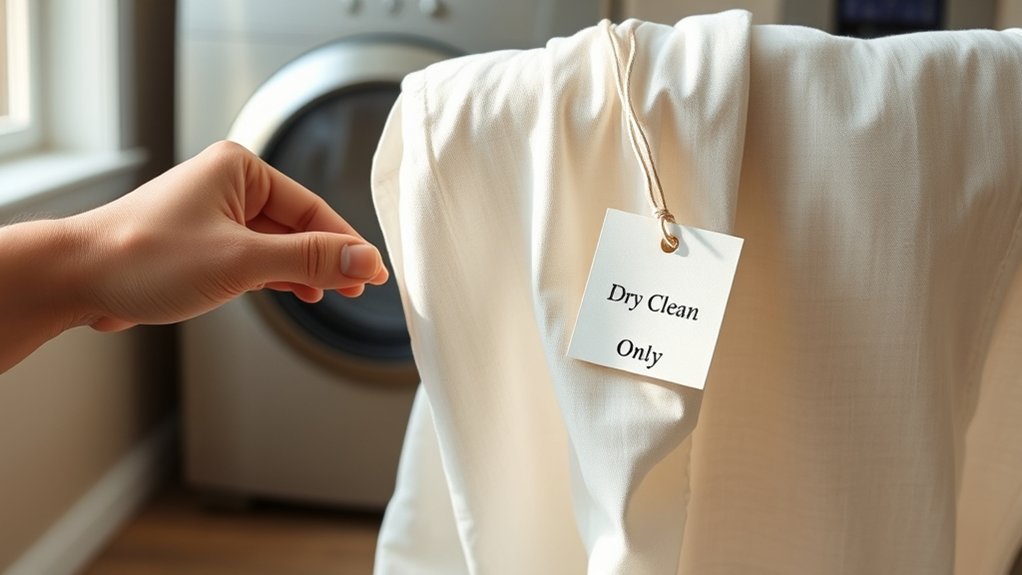
Following the care label instructions is essential, especially if your linen item is marked “dry clean only,” which means it needs special handling.
By clearly communicating your garment’s needs, you help maintain linen’s crispness, color, and overall appearance.
Proper dry cleaning extends the lifespan of your linen clothing while preserving its natural texture and softness, ensuring your pieces stay looking their best.
When Should You Choose Dry Cleaning Linen Over Washing?
You should go for dry cleaning when your linen has delicate embellishments, like sequins or lace, because it helps prevent any damage.
Plus, if you have structured or complex garments with tailored details, dry cleaning is a great choice. It gives your linen professional pressing and finishing, making sure it keeps its shape and looks great without any risk.
Delicate Or Embellished Items
When caring for delicate or embellished linen items, choosing dry cleaning over washing helps preserve their intricate details and structural integrity. You should opt for dry cleaning to guarantee embroidery preservation and embellishment safety, especially when handling linen with lace, beading, or other decorative elements.
Here are three key reasons to choose dry cleaning:
- It prevents fraying, stretching, or loosening of delicate embroidery that washing machines or hand washing might cause.
- It protects delicate embellishments from damage caused by agitation or harsh detergents.
- It aligns with care label instructions that specify dry cleaning for ideal preservation.
Structured Or Complex Garments
Beyond delicate or embellished linens, structured or complex garments demand a careful approach to cleaning. Linen fabric items like suits or tailored pieces often need dry cleaning to maintain their shape and sharpness. Intricate details such as embroidery or lace can get damaged by washing.
Dry cleaning also excels at stain removal, especially for stubborn or heavy stains, preserving fabric quality without distortion.
| Garment Type | Recommended Cleaning Method |
|---|---|
| Tailored linen suits | Dry clean to keep structure |
| Linen with embroidery | Dry clean to protect details |
| Items with stiff linings | Dry clean to prevent warping |
| Heavily stained linen | Dry clean for effective stain removal |
Choosing dry cleaning ensures your linen fabric stays pristine and long-lasting. It’s definitely the way to go if you want to keep those pieces looking their best.
How Dry Cleaning Linen Preserves Fabric Quality
Although linen is a durable fabric, improper cleaning can quickly degrade its natural fibers and appearance. Dry cleaning preserves your linen’s quality by minimizing fabric aging and preventing color fading.
Here’s how it helps: dry cleaning uses gentle solvents that avoid high heat and harsh agitation. This protects the fibers from wear and tear.
Specialized pressing and finishing equipment maintain linen’s crisp texture and smooth look. That way, your garment’s lifespan gets a nice boost.
It also prevents shrinkage and distortion, which are common with washing. So, your linen keeps its shape intact and looks great longer.
How Pros Remove Stains When Dry Cleaning Linen
When you bring your linen to a professional cleaner, they don’t just wash it—they quickly treat any stains with specialized solvents. This helps stop damage before it even starts.
And if your linen has delicate details like lace or gemstones, they handle it with extra care. They know how to protect those embellishments during the cleaning process.
This careful, precise approach means your linen comes back looking flawless, without any risk to its quality.
Quick Stain Treatment
How do professionals tackle stains on linen so effectively during dry cleaning? They rely on swift, targeted stain removal techniques to protect the fabric while eliminating blemishes. Here’s how quick stain treatment works:
- Pre-treatment with enzyme treatment: Pros apply enzyme-based or oxygen bleach solutions that break down organic stains. This prepares linen for deeper cleaning without causing damage.
- Specialized solvents: For oil or grease stains, specific solvents or baking soda-based agents absorb and loosen residues. This ensures thorough removal every time.
- Spot treatment and inspection: Professionals carefully spot treat delicate areas with gentle solutions. Then, they inspect to confirm complete stain elimination before moving on.
Handling Embellished Fabrics
Professionals don’t just treat stains on plain linen; they take extra care with embellished fabrics to protect delicate details like lace, beading, and gemstones. For proper embellishment care, they turn garments inside out, safeguarding fragile decorations during dry cleaning. Spot treatments target stains precisely on delicate areas, avoiding damage to embellishments.
Gentle solvents prevent discoloration and weakening of intricate details, ensuring fabric protection throughout the process. Often, hand-cleaning techniques are used on embellished sections to remove stains carefully without harming decorations.
Before cleaning, loose embellishments are secured or removed to prevent loss or damage.
Caring For Embellished And Delicate Linen Pieces
Although embellished and delicate linen pieces require extra attention, proper care can preserve their beauty and longevity. Maintaining textile durability and fabric texture is key when handling these special items. To protect your linen, follow a few simple steps.
First, turn the garment inside out before dry cleaning. This helps shield beads, lace, or embroidery from damage. Also, use specialized stain removers and gentle cleaning methods to avoid weakening fibers or loosening embellishments.
Make sure to inform your dry cleaner about any decorative details. That way, they can avoid harsh solvents and excessive heat that might harm your piece.
For very fragile or heavily decorated items, consider hand washing or professional spot cleaning to minimize risks. Avoid aggressive agitation and repeated dry cleaning to safeguard the fabric’s integrity.
This will help ensure your linen retains its elegant texture and durability over time.
Equipment And Techniques For Dry Cleaning Linen
When you entrust your linen garments to a dry cleaner, they use specialized equipment and techniques designed to preserve the fabric’s integrity. They rely on gentle cleaning solvents like hydrocarbon or silicone-based solutions that effectively clean without causing shrinkage or damage.
Technicians handle delicate details carefully, often turning garments inside out and applying spot-treatment methods to protect embellishments.
After cleaning, they use low-temperature pressing equipment and steamers to remove wrinkles and restore linen’s natural texture without harming the fibers. These precise methods prevent color fading and fabric distortion, extending your linen’s lifespan.
To guarantee excellent results, communicate any specific cleaning instructions, so the dry cleaner can tailor their approach to maintain your linen’s quality and appearance.
Environmental Benefits Of Dry Cleaning Linen
Several environmental advantages come with choosing dry cleaning for your linen garments. By opting for sustainable practices, you contribute positively to the planet while maintaining your linens. Here are three key benefits:
Dry cleaning uses eco-friendly solvents like hydrocarbon or silicone-based solutions. These are biodegradable and have a lower environmental impact than traditional detergents.
Specialized solvents are recycled and reused during dry cleaning. This markedly reduces water consumption compared to conventional washing methods.
Professional dry cleaning extends the lifespan of your linen. That means less textile waste and fewer replacements over time.
Additionally, advanced equipment minimizes water and energy use, lowering carbon emissions. Choosing dry cleaning supports both quality care and environmental responsibility.
Aftercare Tips For Linen After Dry Cleaning
Choosing dry cleaning is a smart way to care for your linen, but proper aftercare helps maintain its quality and appearance over time. After dry cleaning, air out your linen in a well-ventilated area to eliminate any lingering chemical odors.
While the fabric is still damp or after steaming, gently reshape and smooth it to preserve its natural linen softness and texture.
Avoid exposing your linen to direct sunlight during storage, as this can cause fading and reduce vibrancy. Before storing, inspect for any remaining stains or damage to prevent them from setting further.
Store your dry-cleaned linen in breathable garment bags, keeping it in a cool, dry place to protect it from moisture and environmental damage.
Doing these simple steps will help ensure your linen stays fresh and lasts longer. It’s all about giving it a little extra care after dry cleaning to keep it looking its best.
Frequently Asked Questions
Can I Dry Clean Linen Curtains and Upholstery?
Yes, you can dry clean linen curtains and upholstery. This method helps preserve the durability of the linen fabric while using eco-friendly cleaning techniques.
Just make sure to inform your cleaner about any delicate details. That way, you’ll guarantee safe and effective care. Plus, it helps maintain the long-lasting quality of your fabric.
How Often Should Linen Be Dry Cleaned for Best Results?
You don’t want to dry clean linen after every wear. That’s like washing a mountain daily!
Aim for every 4 to 6 wears. Focus on linen stain removal and use proper linen folding techniques to keep it looking great longer.
Does Dry Cleaning Linen Affect Its Color Vibrancy?
Yes, dry cleaning linen can cause color fading over time, especially with harsh solvents. To protect fabric durability and maintain vibrancy, choose eco-friendly cleaners.
Also, avoid frequent dry cleaning whenever possible for your linen’s best care. Taking these steps really helps keep your linen looking fresh and vibrant longer.
Can Dry Cleaning Remove Mildew or Odor From Linen?
Oh sure, just let mildew throw a party on your linen!
But seriously, dry cleaning excels at mildew removal and odor elimination by using specialized solvents and treatments. It keeps your fabrics fresh without risking water damage or color loss.
Is Dry Cleaning Safe for Vintage or Antique Linen?
Dry cleaning can be safe for vintage or antique linen if you choose a specialist skilled in vintage restoration and antique preservation. Always inform them about the fabric’s age to guarantee gentle, appropriate cleaning methods protect your linens.
It’s really important to be upfront about the linen’s age. That way, the cleaner knows to handle it with extra care and use the right techniques. This helps keep your precious linens in great condition for years to come.
Conclusion
Just like a trusted artisan preserves a masterpiece, dry cleaning your linen guarantees its timeless beauty and texture remain intact. When you choose this method, you’re not only protecting delicate fibers but also extending the life of your cherished pieces.
By embracing expert care and mindful aftercare, you keep your linen looking fresh and vibrant. It’s ready to grace your wardrobe or home with effortless elegance for years to come.