How To Clean Afe Dry Filter – Easy Guide
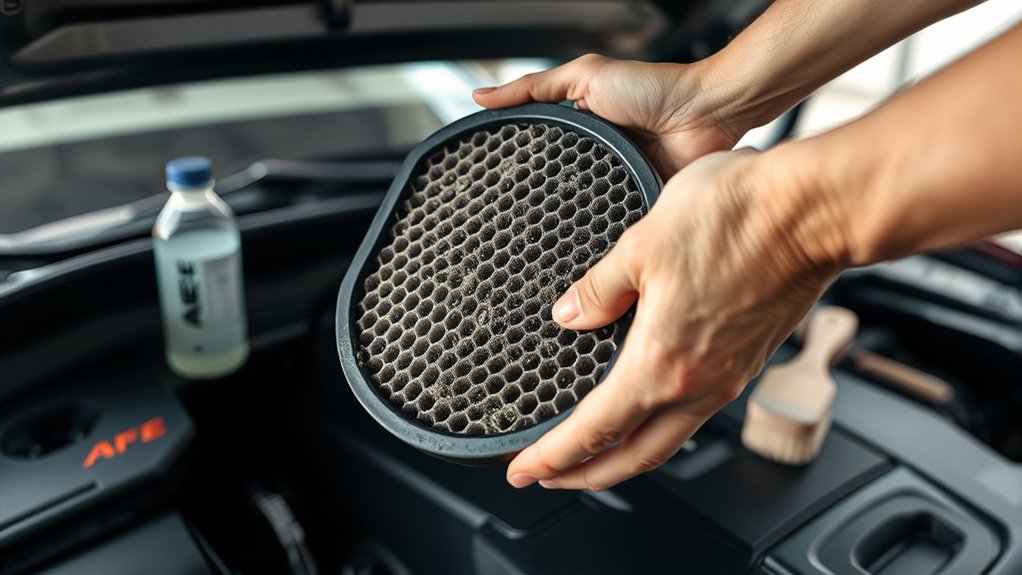
To clean your aFe dry filter, gently tap it to remove loose dirt. Then spray the specialized aFe Pro Dry S cleaner evenly. Let it sit for 10-15 minutes before rinsing thoroughly with low-pressure water from inside out.
Air dry the filter in a shaded, ventilated space without using heat or compressed air. Make sure it’s fully dry before reinstalling. Never oil the dry filter, as this harms performance.
Following these steps guarantees peak efficiency. And there’s more to optimize your filter’s lifespan and care if you want to keep it running great.
Cleaning Schedule for Your aFe Dry Filter
Although aFe dry filters are designed for durability, you should clean yours every 20,000 to 30,000 miles to maintain peak airflow and filtration. Adhering to this cleaning schedule is essential for optimal dry filter maintenance and performance.
If you frequently drive in dusty or off-road environments, increase the cleaning frequency to prevent excessive dirt buildup that can compromise filtration efficiency.
Before applying any cleaning solutions, gently tap or vacuum the dry filter to remove loose debris without damaging the filter media.
After cleaning, always let the filter dry completely in a shaded area to avoid mold growth or structural damage.
Following the manufacturer’s recommended cleaning schedule ensures your dry filter continues to function effectively and extends its service life.
Identifying Your aFe Dry Filter Type
When identifying your aFe dry filter type, start by examining the filter media for its dry, lighter-colored appearance. It won’t have any oil coating or dye on it. This absence of oil residue is what sets a dry filter apart from the oiled ones.
Next, you’ll want to locate labels or part numbers on the filter housing. Look specifically for markings like “Dry” or “Pro Dry” to confirm the model you have.
Locate labels or part numbers on the filter housing, looking for “Dry” or “Pro Dry” markings to confirm your model.
The Pro Dry S, which is a common aFe dry filter, is designed for oil-free operation and cleaning. So, you won’t find any pre-applied oil or dye on its media.
By understanding these visual clues and label indicators, you’ll be able to correctly identify your aFe dry filter type.
This way, you can follow the right maintenance and cleaning steps made just for dry filter designs.
Essential Tools and Supplies for Cleaning Your aFe Dry Filter
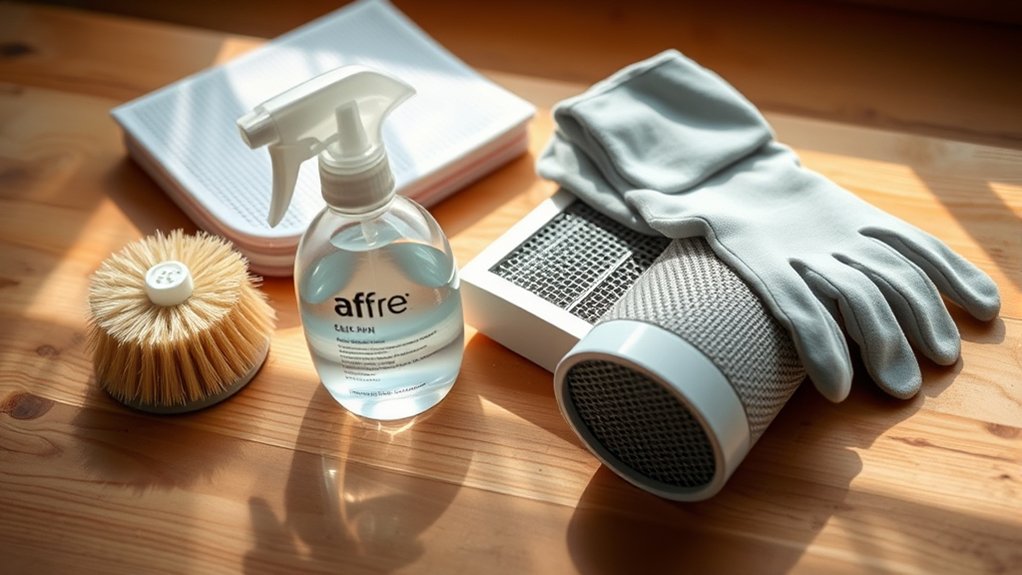
To clean your aFe Dry Filter effectively, you’ll want to have the aFe Pro Dry S filter cleaner on hand, along with a soft brush and some clean, lukewarm water. These essentials will help you get the job done right.
When it’s time to dry the filter, using absorbent materials like newspaper or towels is a great idea to soak up any leftover moisture.
Don’t forget to wear protective gloves to keep your hands safe throughout the process.
Also, steer clear of harsh chemicals and avoid using high-pressure water. Doing so will help preserve the filter’s integrity and keep it working well for a long time.
Recommended Cleaning Products
Three essential products form the foundation for properly cleaning your aFe Dry Filter: the Pro Dry S Cleaning & Restoration Kit. This kit includes a specialized cleaning solution and aDry filter oil designed specifically for aFe dry filters.
Use the cleaning solution evenly over the entire filter surface, then let it sit for 10-15 minutes to break down contaminants.
Rinse the filter gently with low-pressure water from the inside out to avoid damaging the media.
After rinsing, make sure the filter is completely air dry before applying the aDry filter oil included in the restoration kit.
This oil restores the filter’s trapping efficiency and keeps airflow at its maximum.
Using this dedicated restoration kit guarantees compatibility and protects your aFe dry filter during maintenance.
It’s the best way to keep your filter in top shape.
Drying Materials Needed
After rinsing your aFe Dry Filter with the Pro Dry S Cleaning & Restoration Kit, you’ll need the right materials to dry it properly. Start by using a clean, dry towel or paper towels to gently blot excess water without damaging the filter media.
Next, place the filter in a shaded, well-ventilated area to air dry, avoiding direct sunlight that could degrade the filter material.
Make sure your workspace is clean and dust-free to prevent contamination during drying. For faster drying, use a low-velocity fan or air blower, but never apply high-pressure air, as it can distort the filter media.
Allow the filter to dry completely. This usually takes several hours to overnight before you reinstall it to maintain ideal cleaning performance.
Protective Gear Essentials
Although cleaning your aFe Dry Filter involves gentle handling, you should always wear disposable gloves and safety glasses to protect your skin and eyes from dirt and cleaning solutions. These protective gear essentials prevent irritation and contamination during the process.
Make sure your cleaning kit includes a soft-bristle brush to loosen debris without damaging the filter media. Prepare a clean, shaded workspace with proper ventilation to avoid dust and fumes buildup. Keep a container of mild soap solution and a spray bottle of water within reach for efficient cleaning and rinsing.
After washing, use microfiber cloths or towels to pat the filter dry, avoiding abrasive materials that may harm its surface. Wearing the right protective gear is vital for safe, effective filter maintenance.
Taking these simple steps helps keep things safe and your filter in great shape.
Preparing Your aFe Dry Filter: Removing Dirt and Debris
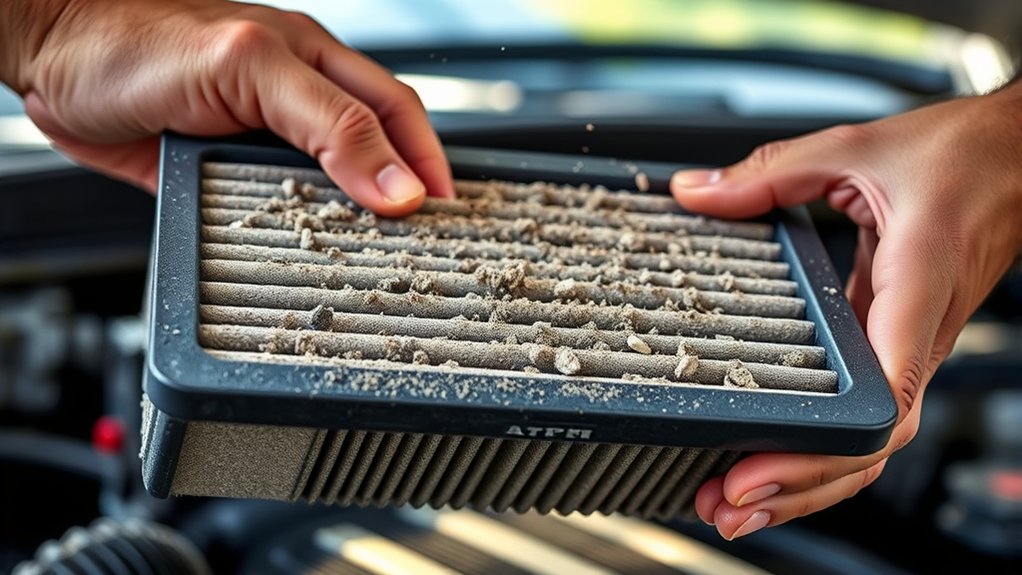
Before you begin washing your aFe dry filter, gently tap it to dislodge any loose dirt and debris. This initial step is crucial to prevent dirt from embedding deeper during the cleaning process.
Begin by gently tapping your aFe dry filter to loosen dirt and prevent deeper embedding during cleaning.
Next, use a soft brush to carefully remove stubborn particles without damaging the filter media.
Handle the filter cautiously to protect the pleats and avoid compromising its performance. Proper preparation ensures the cleaning solution can penetrate effectively.
Key points to prepare your dry filter:
- Gently tap to remove loose dirt
- Use a soft brush for stubborn debris
- Avoid excessive force on the pleats
- Ensure full surface exposure for cleaning
- Handle carefully during removal and preparation
Following these steps optimizes the cleaning process and prolongs your filter’s lifespan. Just take your time, and your filter will thank you!
Step-by-Step Guide to Cleaning Your aFe Dry Filter
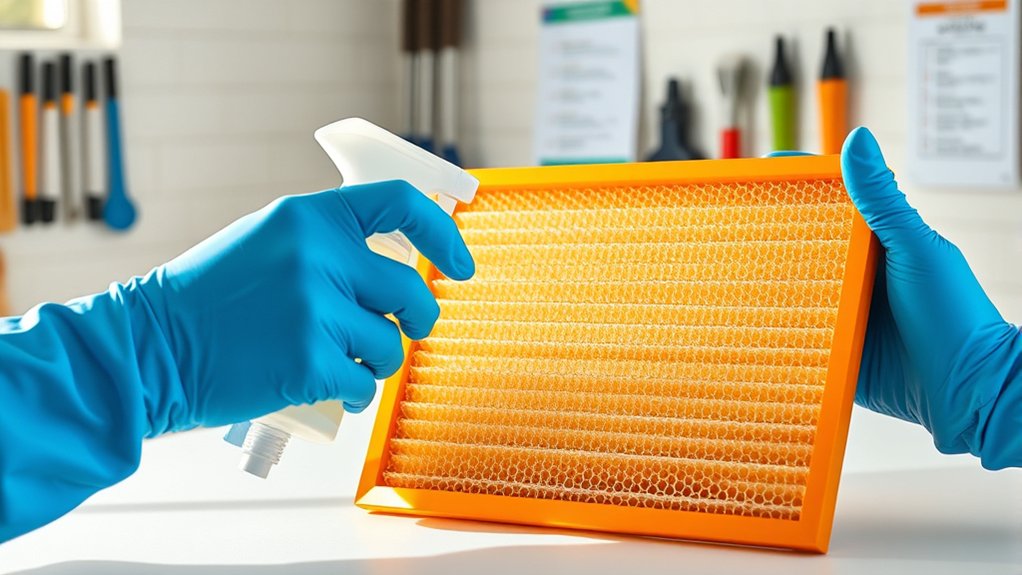
First, give your aFe dry filter a gentle tap to shake off any loose dirt. Once that’s done, go ahead and spray a dedicated cleaner evenly over the entire surface. Let the cleaner work its magic for a while to break down all that stubborn debris.
After it’s had some time to sit, rinse the filter thoroughly with low-pressure water, making sure to spray from the inside out. This helps wash away all the grime effectively.
When you’re finished rinsing, just let the filter air dry completely. It’s best to keep it in a shaded, cool spot while it dries.
Once it’s fully dry, you can reinstall the filter. Doing all this ensures your aFe dry filter performs at its best!
Pre-Cleaning Preparation
Once you remove the aFe dry filter from the intake system, gently tap it to dislodge loose dirt and debris. This initial step is essential to prevent clogging during cleaning.
Next, prepare your workspace and tools for efficient dry filter cleaning. Focus on these vital pre-cleaning tasks:
Use a soft-bristle brush to carefully loosen stubborn dirt without damaging the filter media. Then, spray aFe Pro Dry S Cleaner evenly over the entire filter surface. Allow the cleaner to sit for 10-15 minutes to break down embedded grime.
Make sure you have access to low-pressure water for rinsing later. Avoid high-pressure nozzles because they could compromise the filter’s integrity.
Completing this preparation ensures effective cleaning and helps prolong your dry filter’s lifespan.
Cleaning Process Steps
The first step in cleaning your aFe dry filter involves thoroughly rinsing it with low-pressure water. Make sure to direct the flow from the inside out to flush away loosened dirt without damaging the filter media. Before this, gently tap the filter to remove loose debris.
Next, spray aFe Pro Dry S Cleaner evenly across the entire air filter surface, ensuring full coverage. Let the cleaner sit for 10-15 minutes to effectively break down embedded contaminants.
After soaking, rinse the filter again carefully with low-pressure water from inside out. Avoid high-pressure nozzles to protect the filter media.
These precise cleaning steps guarantee your filter’s performance and longevity while maintaining the integrity of your aFe dry air filter.
Drying And Reinstallation
Although rinsing and cleaning are crucial, you must let your aFe dry filter air dry completely in a shaded area before reinstalling it. Avoid direct sunlight or heat sources to prevent damage to the filter media. Confirm the filter is fully dry to maintain peak filtration and prevent mold growth.
If needed, place newspaper or towels inside to speed up drying, but never use compressed air or heat.
Only reinstall the dry filter into the stock or aFe housing once it’s thoroughly dry to avoid dirt adhesion or warping. Make sure the media is moisture-free before applying any re-oiling or additional cleaning products.
Air dry the filter in a shaded, ventilated space. Avoid direct sunlight and heat.
Use absorbent materials inside the filter to help it dry faster. Never use compressed air or heat sources.
Verify the filter media is completely dry before reinstalling it.
Rinsing Your aFe Dry Filter Safely
When rinsing your aFe dry filter, always direct low-pressure water from the inside out to avoid damaging the filter media. Spray the rinse water in the reverse airflow direction to effectively dislodge trapped dirt without pushing debris deeper into the filter.
Avoid high-pressure nozzles or hot water, as both can distort or damage the delicate fibers. Use only cool, low-pressure rinse water for thorough cleaning.
Make certain you maintain a steady, gentle spray to preserve the dry filter’s integrity. This method prevents fiber damage and extends filter lifespan.
How to Dry Your aFe Dry Filter the Right Way
You’ll want to let your aFe dry filter air dry completely, and the best spot for that’s somewhere shaded and cool. This helps keep the filter in good shape.
Try to avoid using heat sources like hairdryers or ovens because high temperatures can actually damage the filter media.
Also, it’s a good idea to keep the filter upright while it dries. This way, you’ll prevent any moisture from building up and make sure it dries evenly all around.
Proper Air Drying
How should you dry your aFe dry filter to maintain its integrity and performance? Proper air drying is essential to preserve the filter media and ensure ideal function.
You want to air dry your filter in a shaded, cool environment to prevent damage from sunlight and heat.
Keep the filter upright so moisture evaporates evenly, avoiding deformation.
Follow these key steps for effective drying:
- Place the filter in a shaded, ventilated area away from direct sunlight
- Keep it upright to promote uniform moisture evaporation
- Insert newspaper or towels inside to absorb excess moisture
- Avoid using artificial heat sources that can warp the media
- Confirm the filter is completely dry before reinstalling to prevent mold and performance loss
Adhering to these guidelines keeps your aFe dry filter in top condition.
Avoid Heat Exposure
Proper air drying sets the foundation for preserving your aFe dry filter‘s performance, but avoiding heat exposure during this process is just as important. Always air dry your dry air filter in a shaded, cool area to prevent heat damage to the filter media.
Avoid using heat sources like hair dryers, heaters, or direct sunlight, as high temperatures can warp or weaken the filter material, compromising its structural integrity.
Also, don’t use forced or compressed air to speed drying since this can damage delicate filter fibers.
Allow your aFe dry filter to dry completely overnight or until no moisture remains before reinstalling. Keeping it in a cool, shaded environment during drying ensures ideal filtration performance and helps extend the lifespan of your filter by preventing heat-related deterioration.
Why You Should Never Oil a Dry aFe Filter
Although it might seem beneficial, oiling a dry aFe filter can severely hinder its performance by clogging the filter media and restricting airflow. You should never apply oil to a dry filter because it’s designed to work without it. Oil can seep into your intake system, damaging sensors and critical engine components.
Plus, uneven oil distribution traps dirt inconsistently, which compromises filtration efficiency. This also makes filter cleaning more difficult and could even risk voiding your warranty.
Think about these points before you decide to oil your dry filter:
- Clogs filter media, reducing airflow and engine power
- Causes oil to contaminate intake sensors
- Compromises filtration efficiency by design
- Leads to uneven dirt trapping and fouling
- Makes filter cleaning difficult and may void warranty
Stick to proper filter cleaning methods for peak performance.
Maintenance Tips to Extend Your aFe Dry Filter’s Life
To maximize the lifespan of your aFe dry filter, you’ll need to consistently follow specific maintenance practices. Regularly inspect the dry filter for dirt or damage and clean it every 25,000 to 30,000 miles, as recommended.
Consistently inspect and clean your aFe dry filter every 25,000 to 30,000 miles for optimal lifespan.
Use gentle cleaning methods like low-pressure water rinsing, avoiding harsh chemicals or high-pressure sprays that could damage the filter media.
After cleaning, make sure the filter is completely dry before reinstalling to prevent moisture buildup, which can cause damage. Dry it in a shaded, well-ventilated area, and avoid heat or direct sunlight that may warp the filter material.
When not in use, store the dry filter in a clean, dry environment to prevent dust accumulation and contamination.
Following these maintenance steps will help you maintain peak performance and extend the filter’s service life.
Finding Replacement Filters and Support for aFe Dry Filters
When you need a replacement for your aFe dry filter, start by locating the part number printed on the filter frame or pleats. This part number is essential for finding the exact replacement filters compatible with your model.
You can search this number on the aFe POWER website or contact customer support for assistance.
Authorized dealers and online retailers also stock these filters. For technical guidance, aFe offers downloadable PDFs and instructional videos.
If questions arise, reach out to customer support via phone or email during business hours for expert help.
- Identify the part number on the filter frame or pleats
- Search the part number on the aFe POWER website
- Contact customer support for personalized assistance
- Purchase from authorized dealers or online retailers
- Utilize technical resources like PDFs and videos
Frequently Asked Questions
Can aFe Dry Filters Improve My Vehicle’s Fuel Efficiency?
Yes, aFe Dry Filters can improve your vehicle’s fuel efficiency by reducing airflow restriction and maintaining consistent air intake. Since they don’t require oil, they avoid oil fouling that can block airflow, helping your engine breathe better.
You’ll notice better combustion efficiency and potentially improved mileage.
Just make sure you clean the filter regularly to keep it operating at peak performance and sustaining *ideal* fuel economy over time. It’s a simple step that can make a noticeable difference.
Keeping your filter in good shape means your engine can run smoothly and efficiently.
Are aFe Dry Filters Compatible With All Vehicle Models?
aFe Dry Filters aren’t compatible with all vehicle models. You need to check your vehicle’s intake dimensions and confirm the filter’s part number and size before installing.
They fit most standard intake systems but may require adapters for specialized or proprietary designs.
Also, make sure the filter media suits your engine type, whether it’s gasoline or diesel.
Always guarantee proper fitment to keep your performance up and avoid any installation issues. It’s better to double-check than to run into problems later!
How Does an aFe Dry Filter Compare to a Traditional Oiled Filter?
You might think a dry filter is just an oiled filter that gave up on life, but actually, it’s a precision tool designed for efficiency.
Unlike traditional oiled filters that need messy oiling and careful reapplication, aFe dry filters use synthetic media that you simply rinse and air dry.
This means you avoid oil fouling, save time on maintenance, and maintain excellent filtration without sacrificing performance or risking residue buildup.
It’s really that simple. No mess, no hassle, just reliable performance every time.
What Are the Signs That My aFe Dry Filter Needs Replacement?
You need to replace your aFe dry filter if you notice visible tears, deep rips, or frayed pleats in the filter media. Also, if the filter remains heavily stained, clogged, or retains debris after cleaning, it’s time for replacement.
If you experience reduced airflow or engine performance issues despite regular maintenance, that’s a sign the filter has lost its filtering efficiency.
Make sure to follow the manufacturer’s guidelines, which usually recommend replacing the filter every 50,000 to 100,000 miles. Of course, this depends on your driving conditions, so keep an eye on how your filter is performing.
Can I Use aFe Dry Filters in Extreme Weather Conditions?
You can use aFe Dry Filters in extreme weather, but think of them like a sponge in a rainstorm. They’ll soak up moisture and lose efficiency.
To keep yours performing, inspect it frequently, especially after heavy rain or snow.
Avoid driving through deep water to prevent saturation.
If you spot dirt buildup or water damage, replace the filter promptly.
While maintenance helps, these filters don’t match the durability of oiled types in harsh conditions.
Conclusion
Cleaning your aFe dry filter is like giving your engine fresh air to breathe. It’s essential for peak performance. Stick to the schedule and use the right tools.
Never oil your dry filter if you want it to last longer. By following these precise steps, you’ll keep your filter in top shape and avoid costly replacements.
Remember, consistent maintenance is the key to revealing your vehicle’s full potential. A clean, efficient airflow system makes all the difference.