What Are The Ingredients In Oxiclean – Formula Facts
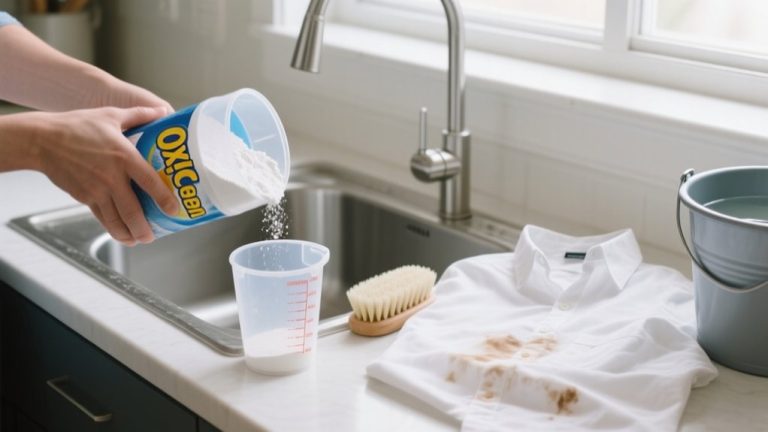
If you’ve ever stared at a stubborn stain and wondered why it just won’t budge, you’re not alone. Many people struggle to find a cleaner that actually works without being overly harsh or complicated. That’s where OxiClean comes in, and understanding what’s inside it can help you use it with more confidence.
You’ll find OxiClean’s formula is primarily sodium percarbonate, which releases oxygen for powerful stain breakdown while being eco-friendly. Sodium carbonate raises water alkalinity and activates this oxygen release for enhanced cleaning. Surfactants reduce water tension, lift stains deeper, and emulsify oils, while polymers stabilize the formula and bind dirt for easier rinsing.
Minor ingredients like C10-16 pareth surfactants and sodium chloride optimize performance and texture. The formula balances efficacy, safety, and environmental care. Exploring further reveals how these components work together against stains.
How Sodium Percarbonate Powers OxiClean
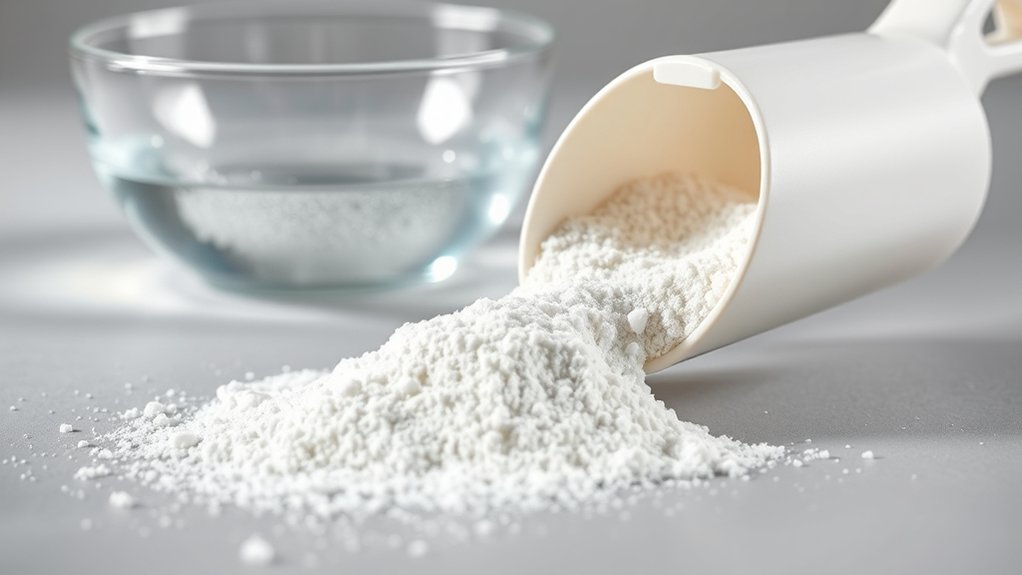
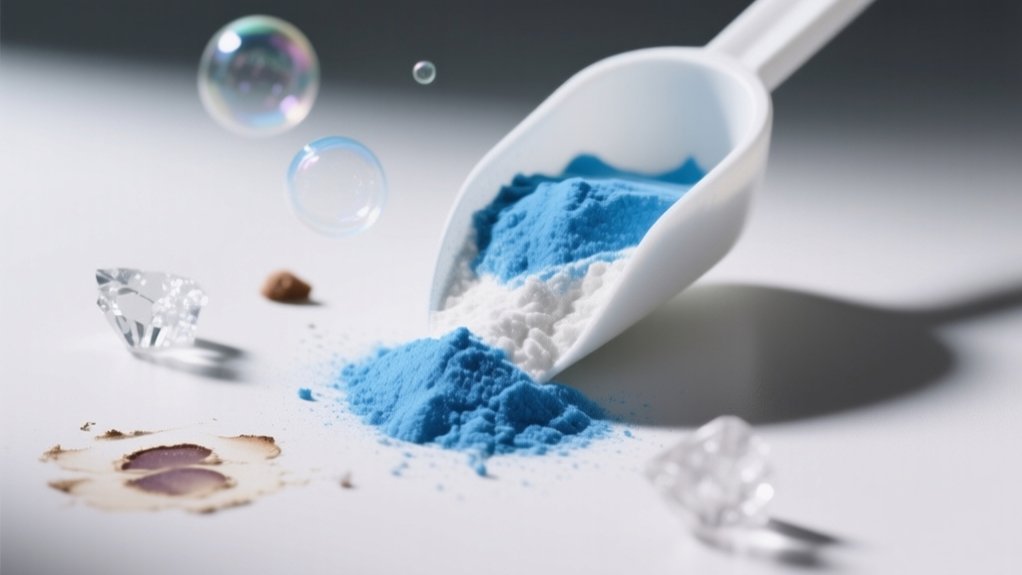
Sodium percarbonate, which makes up 50-60% of OxiClean, drives its stain-removal power by releasing oxygen bubbles when dissolved in water. These bubbles act aggressively to break the chemical bonds that attach stains to fabric fibers, effectively lifting the stains away from the material.
When you use OxiClean, the sodium percarbonate decomposes into oxygen, water, and soda ash, all of which are non-toxic and environmentally friendly.
This decomposition not only cleans effectively but also softens the water, improving the rinsing of stain molecules and enhancing germ elimination. Its action is particularly potent against organic stains, such as food residues and bodily fluids, making it a versatile and efficient ingredient in OxiClean’s formulation.
How Sodium Carbonate Boosts OxiClean’s Cleaning
That chemical boost matters most when you compare it with the next ingredient in the formula.
pH Regulation Benefits
When you raise the pH of laundry water using soda ash, you enhance the cleaning power of OxiClean considerably.
Sodium carbonate increases alkalinity, which optimizes the environment for stain removal by improving surfactant efficiency and activating oxygen bleach.
This pH adjustment also softens water, reducing mineral interference, and neutralizes acidic residues that could impede cleaning.
Key benefits include:
- Enhanced surfactant performance due to softened water
- Activation of sodium percarbonate releasing oxygen for stain lift
- Improved dissolution of greasy and organic soils
- Neutralization of acidic contaminants improving overall wash efficacy
Stain Molecule Breakdown
Although breaking down stubborn stains can be challenging, raising the pH of laundry water with soda ash greatly enhances OxiClean’s cleaning power. Sodium carbonate increases alkalinity, which neutralizes acidic components in organic stains, effectively weakening their molecular structure. This chemical shift allows stain molecules to detach more easily from fabric fibers.
Additionally, soda ash facilitates oxygen release from sodium percarbonate, generating reactive oxygen species that disrupt stain bonds at a molecular level.
By softening the water, sodium carbonate improves penetration of these active agents into textiles, maximizing stain breakdown. It also promotes thorough rinsing by helping dislodge residual stain particles and detergent residues.
Consequently, sodium carbonate’s role is critical in both destabilizing stain molecules and supporting the oxidative processes that achieve superior fabric cleaning.
Water Softening Role
Because minerals like calcium and magnesium can hinder cleaning agents, sodium carbonate plays an essential role in softening water to enhance OxiClean’s performance.
By elevating water’s pH, it prevents these minerals from binding with cleaning molecules, allowing the detergent to act more efficiently.
This elevated alkalinity also accelerates the breakdown of organic stains, improving stain removal efficacy. Additionally, sodium carbonate facilitates the rinsing process, guaranteeing that loosened stain particles wash away completely.
Key effects of sodium carbonate in OxiClean’s water softening role include:
- Raising water pH to optimize detergent activity
- Sequestering hardness minerals to prevent interference
- Enhancing organic stain degradation
- Improving rinsing efficiency to avoid residue buildup
This combination guarantees OxiClean works effectively across varied water conditions.
How Surfactants Lift Stains in OxiClean
These molecules also help loosen grime trapped deep within fabric fibers.
Surfactants Role Explained
When you apply OxiClean, its surfactants actively reduce water’s surface tension, allowing the solution to penetrate fabric fibers more deeply and loosen stubborn stains.
These molecules surround stain particles, disrupting the adhesion between fabric and contaminants. This action facilitates stain removal by improving detachment efficiency.
Surfactants also disperse loosened particles in the wash water, preventing re-deposition onto fabrics. OxiClean uses a blend of surfactants engineered to target both organic and inorganic residues, maximizing cleaning efficacy.
Their role extends to emulsifying grease and oils, which are otherwise resistant to water alone.
Key surfactant functions include:
- Lowering water surface tension for deeper fabric penetration
- Surrounding and isolating stain molecules
- Dispersing particles to avoid reattachment
- Emulsifying oily and greasy stains for effective removal
Mechanism Of Stain Removal
Surfactants in OxiClean operate by markedly lowering water’s surface tension, enabling the solution to infiltrate fabric fibers and interact directly with stain molecules. They surround stain particles, breaking bonds between stains and fabric, facilitating removal. Sodium carbonate boosts pH, enhancing surfactant efficiency on organic stains.
Surfactants also emulsify oily residues, suspending them in water to prevent reattachment during rinsing. Combined with oxygen-releasing agents, this creates a potent stain-fighting mechanism.
| Function | Mechanism | Outcome |
|---|---|---|
| Surface tension lowering | Water penetrates fabric fibers | Access to embedded stains |
| Bond disruption | Surround stain particles | Stain detachment |
| Emulsification | Oily stains suspended in water | Prevents stain redeposition |
How Polymers Stabilize OxiClean’s Formula
Polymers serve as critical stabilizing agents in OxiClean’s formula, preventing the breakdown and separation of its active components over time.
When you use OxiClean, these polymers guarantee the oxygen bleach remains potent and uniformly distributed, maintaining consistent cleaning power.
They also improve the texture, helping the formula adhere efficiently to stains for enhanced removal.
You’ll notice polymers contribute by:
- Maintaining formula consistency for uniform application
- Binding dirt and stain particles for easier rinsing
- Stabilizing oxygen bleach to prolong shelf life
- Enhancing product texture to maximize stain adhesion
Minor Ingredients in OxiClean and Their Roles
Minor ingredients in OxiClean play essential roles that fine-tune its cleaning performance and user experience. C10-16 Pareth surfactants reduce water’s surface tension, enabling cleaning agents to better penetrate fabric fibers and enhance stain removal.
Sodium carbonate raises laundry water’s pH and softens it, optimizing the cleaning efficacy of active ingredients. Sodium chloride stabilizes the formula and boosts ingredient performance, ensuring consistent results.
Colorants, while not active in cleaning, provide a distinctive visual identity that helps you quickly identify the product. Fragrances contribute a pleasant scent during and after washing, improving your overall sensory experience.
Each minor component complements the major ingredients, balancing chemical interactions and ensuring that OxiClean performs reliably and pleasantly every time you use it.
How OxiClean’s Ingredients Fight Different Stains
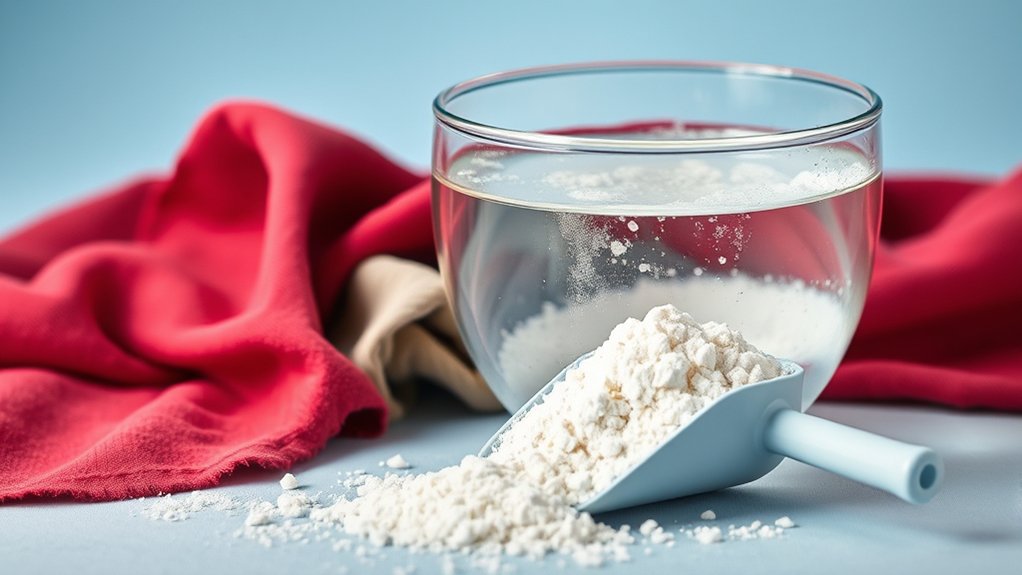
When you tackle different stains with OxiClean, its key ingredients work synergistically to break down and remove them effectively.
Sodium Percarbonate releases oxygen bubbles that disrupt bonds between fabric and organic stains, facilitating their removal. Sodium Carbonate elevates pH, softening water and boosting stain-lift efficiency.
Surfactants lower surface tension, enabling deeper penetration of cleaning agents into fibers. Polymers maintain formula stability and prevent redeposition of loosened stains.
- Sodium Percarbonate targets organic stains like food and bodily fluids via oxygen release.
- Sodium Carbonate optimizes washing conditions by increasing alkalinity.
- Surfactants enhance interaction between water and stains, improving lift.
- Polymers guarantee sustained cleaning efficacy and inhibit stain redeposition.
This combination delivers a robust, color-safe stain removal system.
Environmental and Safety Benefits of OxiClean
Because OxiClean’s main active ingredient, sodium percarbonate, decomposes into oxygen, water, and soda ash, it offers a more environmentally sustainable alternative to traditional chlorine bleaches. This breakdown minimizes harmful residues, reducing environmental impact.
OxiClean’s sodium percarbonate breaks down into safe components, providing an eco-friendly alternative to chlorine bleach.
You’ll find OxiClean effective on organic stains without compromising fabric colors, preserving material integrity and reducing waste.
Its SkinSAFE 91 classification means it contains 91% fewer common allergens, making it safer for use around children and sensitive skin.
Additionally, OxiClean’s surfactants lower surface tension, enhancing stain removal while eliminating the need for aggressive chemicals. Unlike many conventional detergents, it avoids phosphates, which are known to contribute to water pollution.
Frequently Asked Questions
Can Oxiclean Be Used on Delicate Fabrics Like Silk or Wool?
No, you shouldn’t use OxiClean directly on delicate fabrics like silk or wool. Its high pH and oxygen bleach can weaken fibers, so test a small area first or choose a gentler, fabric-specific cleaner instead.
How Should Oxiclean Be Stored to Maintain Its Effectiveness?
Store OxiClean in its original, tightly sealed container in a cool, dry place away from direct sunlight and humidity. Keep it out of bathrooms or near sinks, since moisture can cause clumping and reduce potency.
Does Oxiclean Have Any Fragrance or Scent Additives?
Yes. OxiClean carries a subtle fragrance, and its formula includes scent additives to mask odors, though the specifics are proprietary. If you’re sensitive to fragrance, review the ingredient label carefully before using it.
Is Oxiclean Safe to Use Around Pets and Children?
Yes, you can use OxiClean around pets and children since it contains oxygen-based ingredients without bleach or harsh chemicals. Store it securely to prevent accidental ingestion and reduce exposure risks.
Can Oxiclean Be Combined With Other Household Cleaners?
No, you should not mix OxiClean with bleach, ammonia, or vinegar because of hazardous reactions. It can be combined safely with laundry detergents to improve cleaning. Follow the instructions on each product and check that the ingredients are compatible before using more than one cleaner together.
Conclusion
You see, OxiClean’s formula blends powerful sodium percarbonate and sodium carbonate with surfactants and polymers, creating a dynamic cleaning force. Like a well-orchestrated team, each ingredient plays a distinct role.
Breaking down stains, lifting grime, and stabilizing the mix. This precise synergy not only tackles tough dirt but also guarantees safety and environmental care. In this contrast of chemistry and nature, you get effective cleaning without compromise.