Can You Dry Clean A Blanket – What To Know
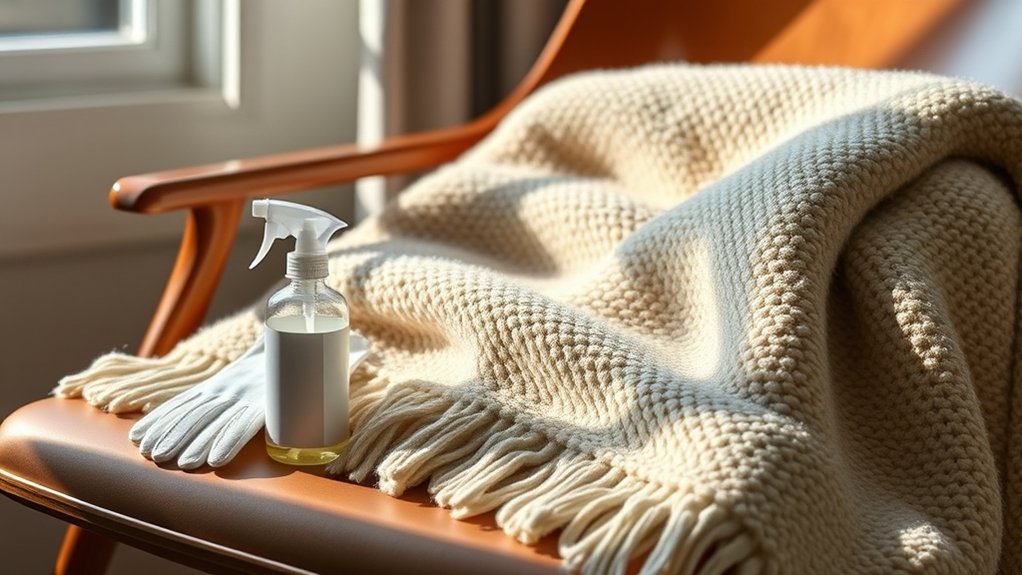
You can dry clean many blankets, especially wool or delicate fabrics, to remove stubborn stains and allergens while preserving texture and shape. However, avoid dry cleaning electric, down-filled, waterproof-coated blankets, or some silks, as solvents and agitation can cause damage. Following the care label is essential to prevent shrinking or fiber weakening.
Dry cleaning also refreshes your blanket’s scent and helps maintain indoor air quality. Keep going to uncover the best care tips and alternatives for your blanket.
When Should You Dry Clean Your Blanket?

When should you dry clean your blanket? You should always follow the care label. If it states “dry clean only,” avoid home washing to prevent damage.
Dry cleaning is essential for delicate fabrics such as silk, velvet, or satin. Water or agitation can easily ruin these materials. So, it’s best to leave them to the pros.
Delicate fabrics like silk, velvet, or satin require dry cleaning to avoid damage from water or agitation.
If your blanket has stubborn stains or odors that home methods can’t remove, dry cleaning can effectively restore freshness and cleanliness.
Plus, materials like wool or down, which are prone to shrinking or losing shape, really benefit from dry cleaning. It helps preserve their integrity.
When you’re unsure about the best cleaning method or if your blanket has intricate embellishments, going for dry cleaning is the safest way to keep its quality and longevity. It just makes sense to be cautious with those special pieces.
Which Blankets Should You Never Dry Clean?
While dry cleaning suits many blankets, certain types can suffer damage if treated this way. You should avoid dry cleaning blankets made of delicate fabrics like velvet, silk, or satin. Dry cleaning chemicals can weaken their fibers.
Wool blankets risk shrinking or felting, especially if labeled “dry clean only.” Down-filled blankets may lose loft and clump without proper care. Electric or heated blankets’ internal components can be harmed by solvents.
Furthermore, blankets with waterproof coatings may have these layers compromised during dry cleaning.
| Blanket Type | Risk from Dry Cleaning Chemicals |
|---|---|
| Delicate Fabrics | Fiber damage and weakening |
| Wool | Shrinking and felting |
| Waterproof Coatings | Loss of water resistance and damage |
Why Dry Cleaning Keeps Your Blanket Looking New

You want your blanket to stay soft and vibrant, right? Dry cleaning helps with that by preserving the fabric’s integrity since it skips those harsh washing methods.
Plus, it prevents shrinking and damage that often happen when you wash blankets at home, especially if the material is delicate.
Preserves Fabric Integrity
Because dry cleaning uses gentle solvents instead of water, it helps prevent fabric shrinkage and distortion. This means your blanket keeps its original texture and softness.
This method protects fabric integrity by avoiding harsh agitation and high heat, which can weaken delicate fibers.
Dry cleaning effectively removes dirt, oils, and allergens while making sure your blanket’s structure stays intact.
Regular dry cleaning can extend the lifespan of sensitive fabrics like silk, wool, and velvet. It helps maintain their luxurious feel and appearance over time.
Prevents Shrinking Damage
Although traditional washing methods can cause fibers to shrink and distort, dry cleaning uses low-moisture solvents and gentle techniques that preserve your blanket’s original size and shape.
When you rely on dry cleaning, you avoid exposing delicate materials like wool, silk, or velvet to water and high heat. These are common culprits behind shrinking.
The process minimizes agitation and prevents fiber contraction, which often occurs during water-based washing and home drying.
By choosing dry cleaning, you maintain your blanket’s loft, texture, and overall appearance. This helps ensure it stays looking new longer.
This expert method effectively prevents shrinking damage, especially for blankets made with delicate materials that require specialized care.
Trust dry cleaning to protect your blanket’s integrity and keep it intact.
Why You Should Avoid Dry Cleaning Electric Blankets
Since electric blankets contain sensitive wiring and electronic components, dry cleaning poses significant risks to their functionality and safety. The solvents used in dry cleaning can damage the internal wiring and degrade insulation, increasing the likelihood of electrical malfunctions.
Also, the agitation and tumbling during dry cleaning can physically harm the delicate wiring embedded within electric blankets. Most manufacturers explicitly advise against dry cleaning to prevent such damage.
Using dry cleaning methods on electric blankets not only jeopardizes their performance but also raises safety hazards, like electrical shorts or fires, especially if moisture remains trapped.
To keep your electric blanket working well and avoid costly damage, it’s best to avoid dry cleaning and follow the manufacturer’s care instructions carefully.
Home Cleaning Alternatives to Dry Cleaning

If you want to avoid the risks associated with dry cleaning electric blankets or delicate fabrics, home cleaning alternatives offer effective solutions. Products like Woolite and Dryel mimic professional dry cleaning without water, safely freshening blankets in your dryer. These options remove odors, dirt, and allergens while extending your blanket’s lifespan.
Just be sure to always follow care instructions to prevent damage. Some “dry clean only” fabrics might not tolerate home cleaning, so it’s important to know what your fabric can handle.
| Benefit | Consideration |
|---|---|
| Convenient and gentle | Not suitable for all “dry clean only” fabrics |
| Removes odors and dirt | Must follow manufacturer care instructions |
| Extends fabric lifespan | Avoids harsh chemicals used in traditional dry cleaning |
How to Clean Large Blankets at the Laundromat
Three key steps guarantee your large blanket gets properly cleaned at the laundromat without damage. First, use large-capacity commercial washers to avoid overloading. Overloading can cause uneven cleaning and stress the fibers.
Choose a gentle cycle with cold or warm water, and add a mild detergent made for delicate fabrics. This helps preserve the blanket’s integrity.
Opt for a gentle cycle with cold or warm water and mild detergent to protect your blanket’s fabric.
Second, when drying, transfer the blanket to a large commercial dryer. Use low heat or air-only settings to prevent overheating and keep the blanket fluffy.
You can toss in dryer balls or tennis balls during drying to fluff the blanket evenly and reduce clumping.
Finally, make sure the blanket is completely dry before you take it out to avoid mildew.
Following these steps will help you clean your large blankets efficiently at the laundromat while keeping their quality intact.
How to Prepare Your Blanket for Dry Cleaning
After learning how to clean large blankets at the laundromat, you might consider dry cleaning for certain types of blankets that need more delicate care. To get your blanket ready, first check its care label to see if dry cleaning is recommended.
Remove any accessories like buttons or trims to prevent damage. Next, take a close look at the fabric for stains. Pre-treat any spots with a stain remover to help improve the cleaning results.
Fold or loosely roll the blanket to keep it from tangling during transport.
Lastly, let your dry cleaner know if your blanket has any delicate fabrics or special materials. This way, they can adjust their process accordingly.
How Dry Cleaning Removes Odors and Allergens
Because dry cleaning uses specialized solvents, it’s really good at targeting and dissolving odors caused by sweat, smoke, and environmental pollutants that regular washing might miss. This process gets deep into fabric fibers, breaking down oils and residues that cause unpleasant smells.
Plus, dry cleaning is great at removing embedded allergens like dust mites, pollen, and pet dander. These little irritants can seriously aggravate allergies if they’re left untreated.
By thoroughly extracting these allergens, dry cleaning not only refreshes your blanket’s scent but also helps improve indoor air quality and reduce allergy symptoms.
Unlike regular washing, dry cleaning treats bulky or delicate blankets gently, so the fabric stays in good shape.
You’ll notice that regular dry cleaning keeps your blankets both clean and healthier.
Frequently Asked Questions
Can Dry Cleaning Shrink or Damage My Blanket?
Yes, dry cleaning can shrink or damage your blanket, especially if it’s made from delicate fibers like wool, silk, or velvet. You should avoid aggressive cleaning methods and excessive heat because these can warp or weaken the fabric.
Always use a reputable cleaner who understands your blanket’s material and applies gentle solvents.
If your blanket has sensitive blends, improper dry cleaning may cause misshaping or fabric integrity loss.
How Often Should I Dry Clean My Blanket?
Think of dry cleaning your blanket like tuning a fine instrument. You don’t want to overdo it.
You should dry clean most blankets every 6 to 12 months to keep them fresh and intact.
If you use your blanket daily or have allergies, aim for every 3 to 6 months or even quarterly.
Always consider the fabric type because delicate materials need less frequent cleaning to avoid damage.
Make sure to follow care labels closely for the best results.
Are There Eco-Friendly Dry Cleaning Options for Blankets?
Yes, you can find eco-friendly dry cleaning options for blankets. Look for cleaners using biodegradable solvents like liquid CO2 or silicone-based solutions instead of harsh chemicals.
Some places offer wet cleaning, which uses gentle water-based methods to protect fabrics and the environment.
Always ask if they use sustainable practices, energy-efficient equipment, and biodegradable packaging. It’s a good idea to select certified services, like those with Green Seal or EcoLogo.
That way, you know your blanket gets cleaned responsibly and safely.
Can Dry Cleaning Remove Tough Stains Like Wine or Ink?
Yes, dry cleaning can remove tough stains like wine or ink effectively. The specialized solvents dissolve pigments and dyes, lifting stains that home treatments often miss.
You might need multiple cycles or pre-treatment for stubborn marks, so always tell your cleaner about the stain type. This helps them choose the best solvent and process.
It increases your chances of complete stain removal while protecting your blanket’s fabric.
Will Dry Cleaning Affect the Color or Texture of My Blanket?
Yes, dry cleaning can affect your blanket’s color or texture. Chemicals used may cause fading or discoloration, especially on delicate or vibrant fabrics. Some dyes might bleed or lose their intensity too.
Textured blankets like velvet or silk may feel stiffer or lose their sheen after cleaning. To minimize risks, you should choose a professional cleaner experienced with your blanket’s specific fabric.
This way, you can help preserve its original appearance and feel.
Conclusion
You should seriously consider dry cleaning your delicate or designer blankets to preserve their plushness and prevent damage. However, avoid dry cleaning electric or heavily embellished blankets to sidestep costly catastrophes.
Dry cleaning deftly dissolves dirt, odors, and allergens, delivering a deeply clean and fresh feeling. When you prepare and pick the proper cleaning method, you’ll protect your prized possessions and prolong their pristine, perfect appearance.
Choose wisely and care confidently.