Does Laundry Detergent Expire – Myth or Fact
Laundry detergent does expire, so it’s a fact, not a myth. Over time, its cleaning power diminishes due to chemical changes, leaving residue or odors on your clothes.
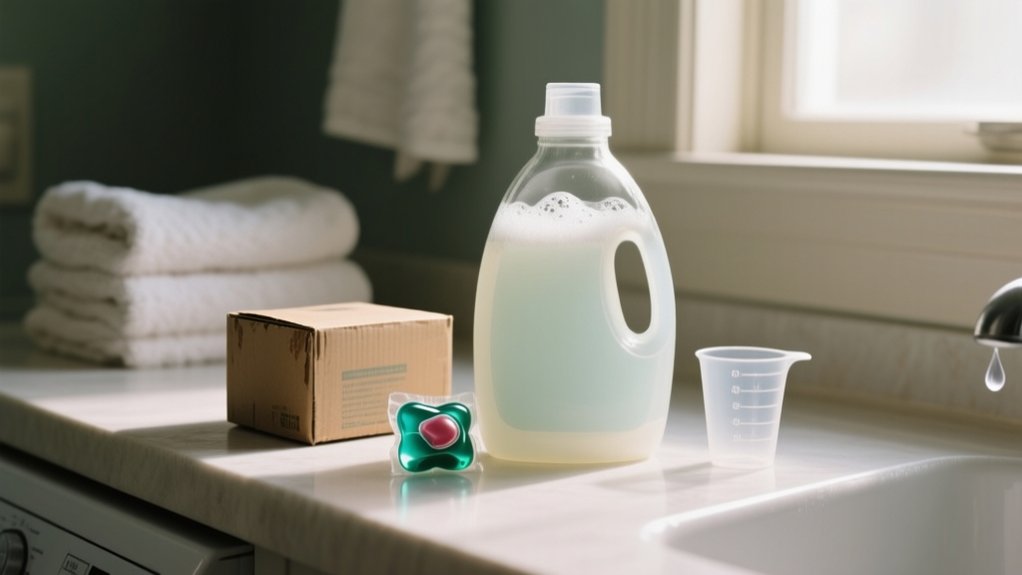
Different types last varying lengths. Liquids last about a year unopened, powders last longer if kept dry, and pods last around 18 months. Using old detergent risks fabric damage and skin irritation.
You can identify expiration by clumping, odor, or lack of suds. Understanding these details helps you manage your detergent effectively.
Key Takeaways
- Laundry detergent does expire, losing cleaning effectiveness and potentially causing residue or odors on clothes.
- Liquid detergents typically last 9 months to 1 year unopened, with shorter effective life after opening.
- Powder detergents can last indefinitely if kept dry, while pods and tablets have specific shelf lives of 12 to 24 months.
- Expired detergent shows signs like clumping, separation, unusual smells, and reduced sudsing ability.
- Using expired detergent can reduce stain removal, damage fabrics, and cause skin irritation or allergic reactions.
Does Laundry Detergent Expire? The Truth You Need to Know
Although many people assume laundry detergent lasts indefinitely, it does expire, reducing its cleaning effectiveness over time. When detergent expires, its cleaning power diminishes, often resulting in residue or odors on your clothes.
Liquid detergents typically maintain their efficacy for about 9 months to 1 year unopened, but this depends largely on the expiration date printed on the packaging.
Proper storage plays an essential role in extending detergent life; keeping it in a cool, dry place slows chemical degradation.
You should regularly inspect your detergent for signs of expiration such as clumping or unusual smells.
Laundry Detergent Shelf Life by Type: Liquid, Powder, Pods, and Tablets
You should know that liquid detergent usually stays good for about a year after you open it.
On the other hand, powder detergent’s lifespan really depends on how much moisture it’s exposed to. If it gets damp, it mightn’t work as well.
When it comes to laundry pods, they tend to keep their cleaning power for around 12 to 18 months.
Just make sure to store them airtight, or they could start clumping together.
Tablets, meanwhile, often last the longest—up to two years—because they’re dry and less likely to break down over time.
Liquid Detergent Longevity
Because liquid laundry detergents are sensitive to temperature and moisture, their shelf life is considerably shorter than that of powdered detergents.
Liquid detergent typically remains effective for 12 to 18 months unopened and around six months once opened.
If stored properly in cool, dry conditions, it can last up to a year unopened, but its cleaning performance will decline after the “Best Used By” date.
You’ll notice clumping, separation, or unusual odors when liquid detergent begins to expire, signaling reduced efficacy.
Using expired liquid detergent can lead to poor cleaning results, residue on fabrics, and potential dispenser clogging.
Powder Detergent Durability
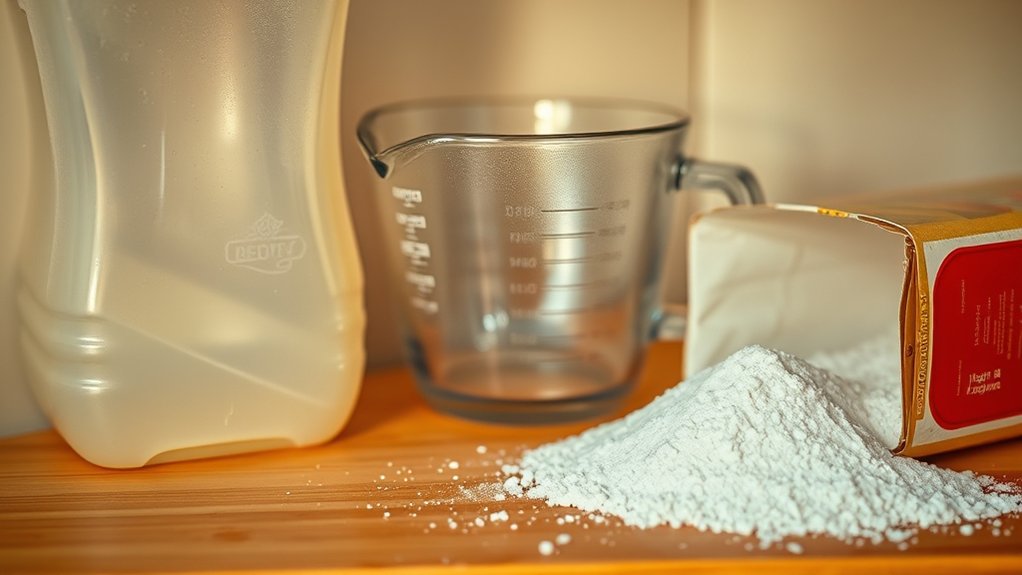
When stored in a cool, dry place away from moisture, powdered laundry detergents offer exceptional durability, often lasting indefinitely. You can rely on powdered detergent to clean without worry about expiration when you store laundry detergent in a moisture-free environment.
Exposure to moisture causes clumping, which reduces effectiveness. But clumps can be removed by sieving, allowing continued use.
To maximize powdered detergent durability, consider these points:
- Always store laundry detergent in airtight, moisture-free containers
- Keep powdered detergent away from humidity and heat sources
- Inspect for clumps before use; sift if necessary
- Avoid mixing powdered detergent with liquids during storage
- Note that proper storage prevents expiration and maintains cleaning power
Following these guidelines guarantees your powdered detergent remains effective for long-term use.
Pods And Tablets Expiry
Although pods and tablets offer convenient dosing, their shelf life varies considerably and demands careful storage to maintain effectiveness. Pods typically last between 12 to 18 months, but exposure to moisture can quickly degrade their cleaning power, making them less effective or expired.
Tablets generally have the longest shelf life among detergent types, remaining effective for up to two years when stored in airtight containers. To maximize their usability, you should always check the “Best Used By” date and avoid using expired pods or tablets, as their performance diminishes over time.
Proper storage in cool, dry environments is essential to preserve their cleaning agents. By following these guidelines, you ensure your laundry detergent pods and tablets remain effective throughout their intended shelf life.
What Happens When Laundry Detergent Expires? Effects on Cleaning
When your laundry detergent expires, its cleaning power starts to fade. This means stains mightn’t come out as well, and your clothes won’t feel as fresh.
You might even spot some residue buildup on your fabrics, which can cause damage over time.
Reduced Cleaning Effectiveness
Since expired laundry detergent undergoes chemical changes, you’ll notice a significant decline in its cleaning power. This hampers stain removal and reduces suds production.
Over time, expired laundry detergent begins to lose its active ingredients, leading to reduced cleaning effectiveness.
Liquid detergents may separate or clump, while powdered forms can absorb moisture and harden, which impairs dissolution. These changes cause incomplete cleaning and may leave a residue on your fabrics, signaling the detergent’s breakdown.
Key effects of using expired detergent include:
- Loss of stain removal capability
- Reduced suds generation
- Clumping or separation in liquids
- Moisture absorption causing powder hardening
- Residue deposition on clothes
To maintain peak cleaning, avoid using detergent past its prime.
Residue And Fabric Damage
Expired laundry detergent often leaves visible residues on your clothes, creating streaks and unsightly marks because the active ingredients break down and no longer dissolve properly.
When you use expired detergent, these residues build up not just on fabrics but also inside your washing machine. This can promote bacteria growth and cause unpleasant odors.
The color-protecting additives in expired detergent lose their effectiveness, which speeds up fabric damage and leads to premature fading and wear.
Plus, liquid detergents may thicken or clump over time, clogging dispensers and hurting cleaning performance.
Beyond fabric issues, the degraded chemicals in expired detergent can cause skin irritation or allergic reactions.
To keep your clothes clean and protect your skin, it’s best to avoid using expired laundry detergent. Its residues and reduced effectiveness can really affect both laundry quality and your health.
How to Spot If Your Laundry Detergent Has Gone Bad
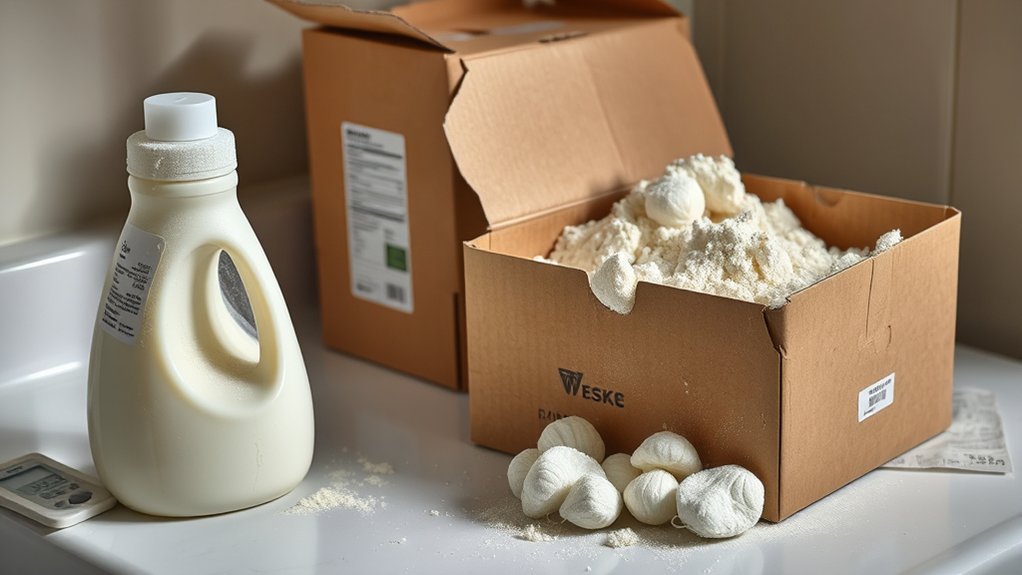
Although laundry detergent often seems stable, you can identify its decline by observing specific physical changes. Detergents can expire, becoming less effective in cleaning your clothes.
For liquid detergents, look carefully for these signs:
- Clumping or thickening, indicating ingredient breakdown
- Separation of liquids, showing formula instability
- Noticeable changes in smell, such as loss of fragrance or unpleasant odors
- Color changes or darkening, suggesting spoilage
- Failure to produce suds or leaving residue on fabrics, signaling reduced cleaning power
Risks of Using Old or Clumpy Laundry Detergent on Clothes
When you use old or clumpy laundry detergent, you risk leaving residue on your clothes that can cause streaks and weaken fabric fibers.
Expired detergents often lose cleaning power because the active ingredients break down, making them less effective at removing stains and dirt.
Clumpy detergents don’t dissolve properly and can clog washing machine dispensers.
This residue on clothes affects appearance and may cause skin irritation, especially for people with sensitive skin exposed to degraded or contaminated detergent.
So, relying on expired or clumpy detergents compromises both fabric integrity and hygiene.
It’s best to avoid using laundry detergent past its prime to keep your clothes clean and protect your skin.
How to Store Laundry Detergent to Keep It Fresh Longer
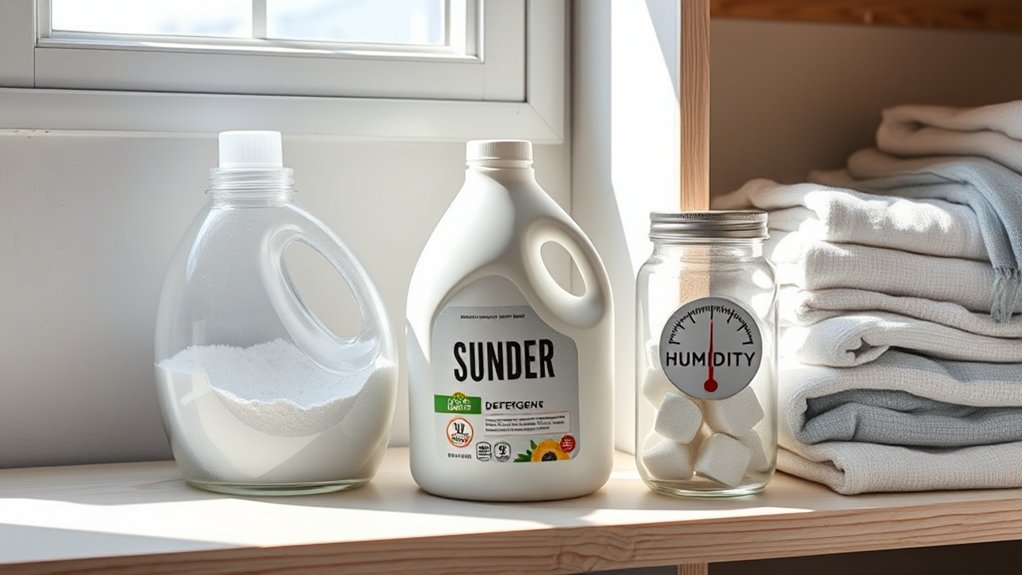
To maintain your laundry detergent’s effectiveness, you should store it in a cool, dry place away from direct sunlight and heat. Proper storage greatly influences the shelf life and prevents degradation.
Understanding how to store laundry detergent correctly helps you avoid exposure to moisture and contamination.
Store powdered detergents in airtight containers to prevent clumping caused by moisture. Keep liquid detergents tightly capped after each use to limit air exposure and bacterial growth.
Place laundry pods in sealed containers, avoiding humid areas to maintain their integrity.
Regularly inspect storage conditions and reseal packaging promptly. Choose a cool, dry place such as a cabinet or pantry, distant from heat sources and sunlight.
Following these steps guarantees your detergent maintains cleaning power and extends usability.
When Should You Toss Your Laundry Detergent? A Simple Guide
How do you know when your laundry detergent has lost its effectiveness and should be discarded? The typical shelf life for liquid detergents ranges from 6 to 12 months after opening, while powdered detergents can last indefinitely if stored properly.
Single-dose pods perform best within 6 to 15 months of purchase. Always check the Best Used By date on the packaging, which provides a clear guideline for when the detergent should be used by or discarded.
Signs that your detergent may have expired include clumping, separation, or an unusual odor. These all indicate it may no longer clean effectively.
Using laundry detergent past its prime compromises the quality of your wash and risks not keeping your clothes properly clean.
Proper storage in a cool, dry place helps prevent early expiration.
How to Use Expired Laundry Detergent for Cleaning Around the House
You can still put expired laundry detergent to good use around the house by diluting it with some water. Just make sure it doesn’t have any bad smells or clumps before you start.
If you’ve got thickened liquid detergent, it’s great for mopping floors and getting them nice and clean.
On the other hand, powdered detergent works well when you turn it into a paste — perfect for scrubbing toys or tough spots on hard surfaces.
This way, you’re making the most out of your expired detergent without losing any cleaning power. Pretty handy, right?
Household Surface Cleaning
Although expired laundry detergent may no longer be effective for washing clothes, it still has cleaning properties that make it great for household surface cleaning. You can dilute the expired detergent with water to create an efficient cleaning solution for various surfaces around your home.
Before you use it, just check to make sure the detergent doesn’t have clumps or unusual odors. This helps prevent any leftover residue.
Here are some practical ways to use it:
Use diluted expired laundry detergent to mop floors and remove dirt and grime. You can also spray a mixture of detergent and water on kitchen appliances to sanitize them.
It works well for cleaning bathroom surfaces too, helping to fight soap scum and mildew buildup. Plus, you can apply it as a general cleaner on countertops and other household surfaces.
Using spray bottles makes it easy to apply and target specific areas. This way, you get the most out of expired detergent while keeping your home clean and fresh.
Floor And Toy Cleaning
When cleaning floors and toys, diluting expired laundry detergent with water creates a safe and effective solution. It tackles dirt and bacteria without damaging surfaces or posing risks to children.
You can mix expired laundry detergent with water to mop floors, efficiently removing grime while preserving flooring materials. For cleaning toys, use a diluted cleaning solution to sanitize items safely. Just be sure to rinse thoroughly to avoid residue exposure.
Before applying, check the expired detergent for unusual smells or clumping. These signs may indicate reduced effectiveness or potential safety concerns.
Using expired detergent in spray bottles also makes it easy to target clean different household surfaces. This method offers an economical, practical way to maintain hygiene, showing how expired detergent can still be useful beyond laundry tasks.
Differences in Expiration Across Laundry Detergent Types Explained
Since different laundry detergent types contain varying ingredients and formulations, their expiration timelines differ markedly. Understanding how long your detergent lasts can help you maintain cleaning efficacy and avoid residue buildup.
Here’s a clear breakdown of the major types of laundry detergent expiration:
Liquid laundry detergents last 12 to 18 months unopened but should be used within 6 months after opening for peak performance.
Powdered detergents can last indefinitely if stored dry and moisture-free.
Laundry pods maintain effectiveness for about 12 to 18 months, but moisture exposure shortens this span.
Laundry detergent sheets offer extended longevity, remaining effective for years without degradation.
All detergent types lose cleaning power after their “Best Used By” date, impacting washing results.
FAQs: Common Questions About Laundry Detergent Expiration
How do you determine if your laundry detergent is still effective? Check the expiration date printed on the packaging, as it indicates the shelf life for ideal cleaning power.
Liquid detergents typically last 6 to 12 months after opening, while powdered detergents can remain effective indefinitely if you maintain proper storage in cool, dry conditions.
Liquid detergents last 6 to 12 months; powdered detergents can stay effective indefinitely with proper cool, dry storage.
Signs of expiration include clumping, unusual odors, and reduced cleaning power, which can leave residues on clothes.
Single-dose pods and tablets generally have a shelf life of about 15 months, whereas laundry sheets maintain efficacy for years.
To maximize detergent performance, always store it away from heat and moisture.
Understanding these factors will help you avoid compromised cleaning results due to expired laundry detergent.
Frequently Asked Questions
Can Expired Detergent Harm Washing Machines?
Yes, expired detergent can harm your washing machine. It may clump and fail to dissolve properly, causing residue buildup that clogs dispensers and internal components.
This buildup can lead to mold, unpleasant odors, and mechanical strain as your machine works harder.
Over time, these issues can result in costly repairs and reduced machine lifespan.
To protect your appliance, avoid using outdated detergent and opt for fresh, effective cleaning agents.
Does Detergent Expiration Affect Scent Strength?
Yes, detergent expiration affects scent strength. Over time, fragrance compounds break down, causing the scent to weaken or disappear entirely.
You may notice liquid detergents developing unpleasant odors or powdered forms clumping, both signaling reduced fragrance efficacy.
While the cleaning power might remain, the scent diminishes noticeably past the “Best Used By” date.
Proper storage slows this process, but expiration inevitably leads to less vibrant or absent fragrance in your laundry.
Are Natural Detergents Less Likely to Expire?
No, natural detergents aren’t less likely to expire. You should know they degrade over time, just like conventional detergents, because their active ingredients break down.
While natural detergents often have fewer synthetic additives, their cleaning power, texture, and scent can still diminish.
To maximize their shelf life, store them properly in cool, dry places.
Always check the “Best Used By” date to confirm peak effectiveness.
Can Expired Detergent Cause Allergies?
Can you risk allergic reactions by using expired detergent? Yes, you can. Expired detergents may harbor bacteria or mold, which can trigger allergies, especially if you have sensitive skin.
The breakdown of active ingredients can release irritants, leading to skin irritation or allergic responses.
Texture changes like clumping also indicate spoilage, reducing detergent effectiveness and potentially leaving allergens on your clothes.
To protect yourself, always use fresh, hypoallergenic detergent alternatives.
Is Detergent Expiration Date Legally Required on Packaging?
No, detergent expiration dates aren’t legally required on packaging.
While manufacturers often include “best if used by” dates to guide you on ideal performance, regulatory bodies like the FDA don’t mandate these labels for household cleaning products.
You should consider these dates as recommendations rather than strict deadlines.
To guarantee your detergent remains effective, store it properly and watch for any signs of spoilage regardless of the presence or absence of an expiration date.
Conclusion
Think of your laundry detergent like a flashlight battery: it might still glow after years, but it won’t shine as brightly. Using expired detergent can leave your clothes less clean and risk fabric damage.
While some types last longer, it’s best to check for clumping or separation and replace when needed. By treating detergent’s shelf life seriously, you guarantee every wash performs at its best, keeping your clothes fresh and your efforts effective.