Does Bleach Kill Germs And Bacteria In Laundry? – The Truth
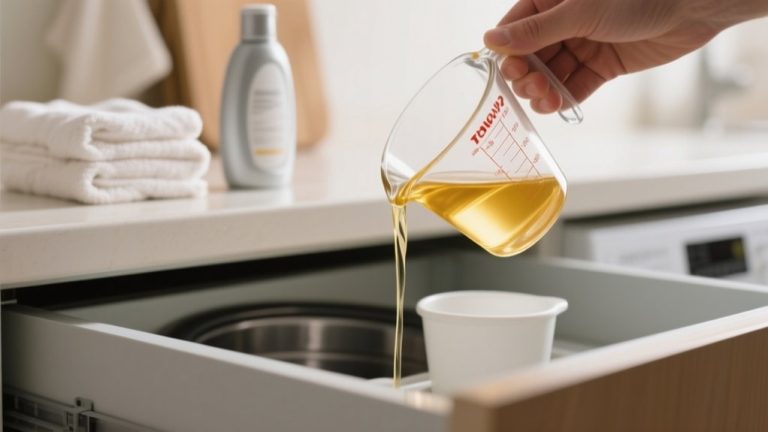
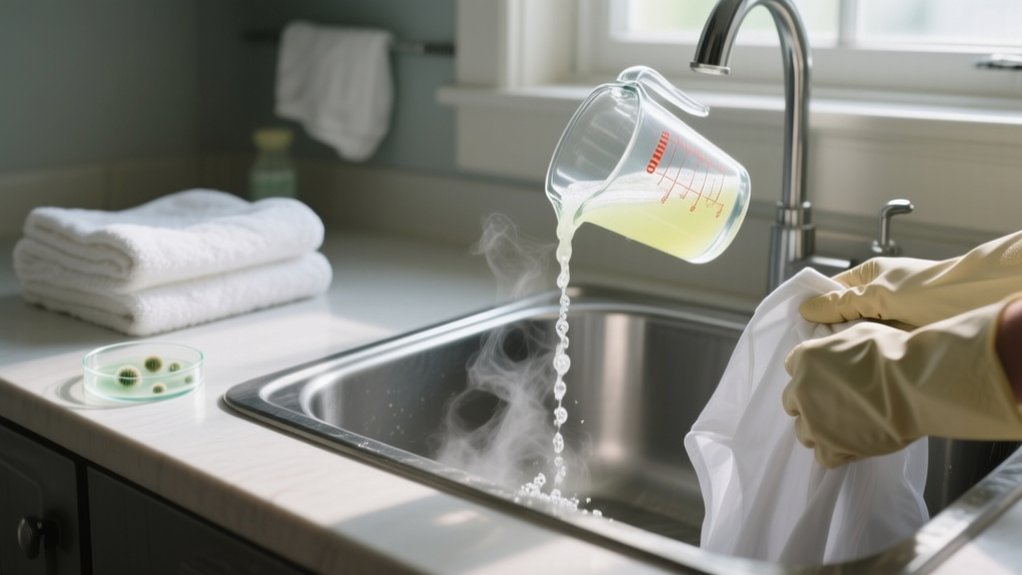
Yes, bleach kills germs and bacteria in laundry when you use it properly. Choose the right type: chlorine bleach for whites or color-safe for delicate fabrics, and dilute it correctly.
Warm water above 40℃ boosts bleach’s germ-killing power, while at least one minute of contact time guarantees effectiveness. Dryer heat above 140°F further sanitizes your clothes.
Following these steps maximizes disinfection without harming fabrics. Discover how each factor contributes to safer, cleaner laundry.
Key Takeaways
- Bleach effectively kills germs and bacteria in laundry by destroying their cellular structures through oxidative action.
- Chlorine bleach is most effective on white cottons, while color-safe bleach suits colored and delicate fabrics.
- Warm water (above 40℃/105℉) and at least one minute of bleach contact time maximize germ elimination.
- High dryer heat (above 140°F) for 45 minutes further sanitizes laundry by killing surviving microbes.
- Proper dilution, bleach compatibility with fabrics, and timely use ensure maximum disinfecting efficacy without damaging clothes.
How to Use Bleach Safely and Effectively in Laundry
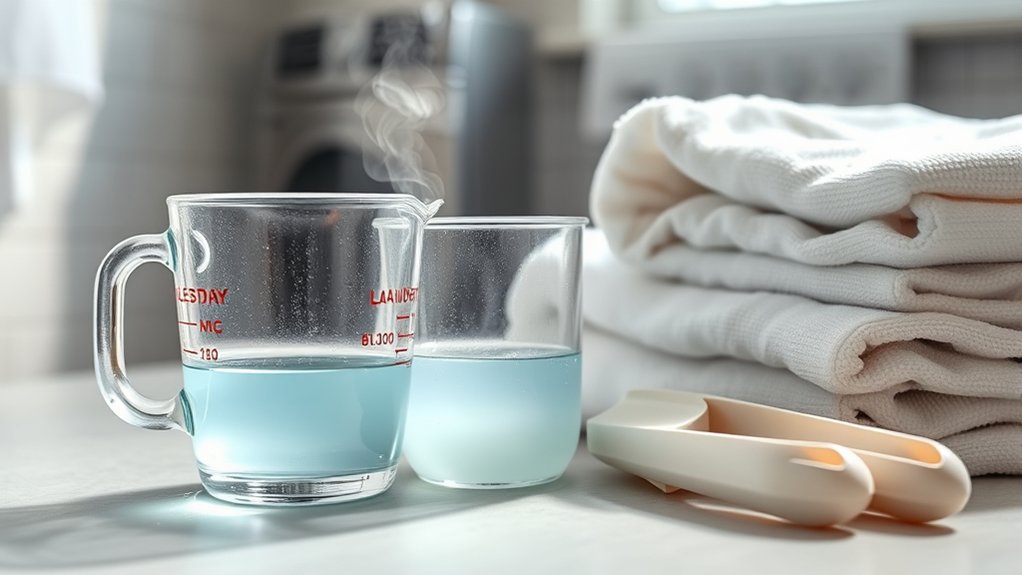
To use bleach safely and effectively in laundry, start by selecting regular unscented household bleach containing 5%–9% sodium hypochlorite and diluting it to a concentration of 5 tablespoons per gallon of water.
Before applying bleach, pre-clean laundry to remove visible dirt, enhancing disinfecting efficacy.
Pre-clean laundry to remove dirt, ensuring bleach disinfects more effectively.
Always read the label on your fabric to confirm bleach compatibility, avoiding wool, silk, or non-colorfast materials to prevent damage.
Allow the bleach solution to remain in contact with fabrics for at least one minute to guarantee effective germ and bacteria elimination.
Follow safety guidelines carefully when handling bleach to protect your skin and respiratory system.
Moreover, disinfect surfaces by regularly performing bleach clean-out cycles in your washing machine to maintain hygiene and prevent bacterial buildup.
Choosing the Right Bleach for Your Fabrics
Selecting the appropriate bleach for your fabrics greatly impacts both the effectiveness of germ elimination and the preservation of your clothing’s integrity. Always consult the care label before using any bleach products, as chlorine bleach can damage delicate fibers like wool and silk.
Color-safe bleach offers a gentler alternative, effective in disinfecting surfaces, removing stains and odors without compromising fabric colors. Proper dilution and timing during the wash cycle guarantee ideal sanitization.
| Bleach Type | Ideal Use |
|---|---|
| Chlorine Bleach | White cottons, heavy stains |
| Color-safe Bleach | Colored fabrics, delicate materials |
| Oxygen-based | General disinfecting, odors removal |
| Non-bleach Additives | Enhancing cleaning without damage |
Choosing wisely balances effective bacteria kill rates and fabric longevity.
Why Warm Wash Water Matters for Bleach Disinfection
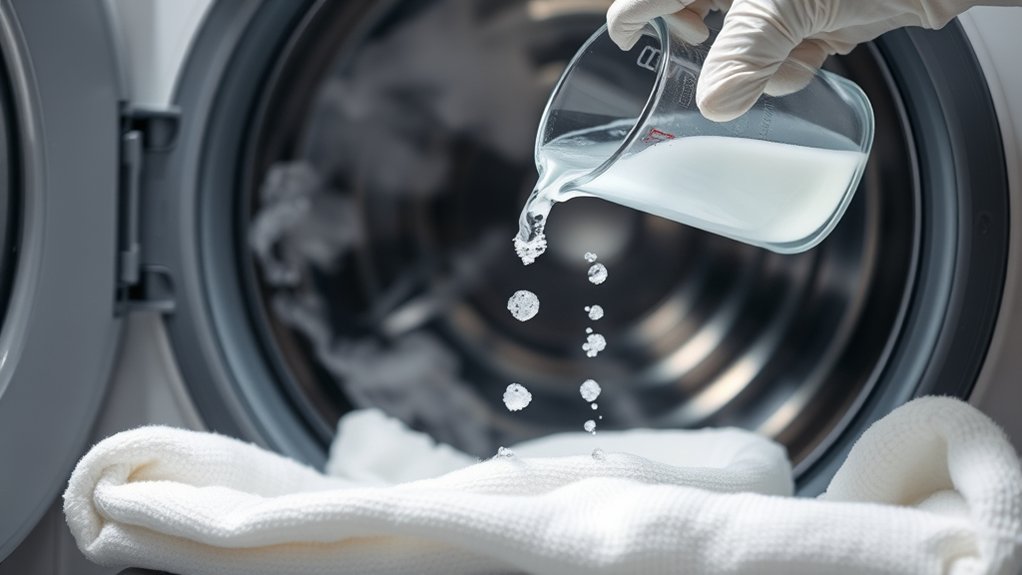
Although bleach is a powerful disinfectant, its germ-killing efficiency greatly improves when you use warm wash water above 40℃ (105℉).
Warm water enhances bleach’s effectiveness by increasing its solubility and activation, which allows bleach molecules to penetrate fabric fibers more deeply.
This results in more thorough cleaning and disinfecting, considerably reducing pathogens like E. coli and Staphylococcus aureus.
Using cooler water limits bleach’s germicidal properties, making it less effective at killing germs.
Studies confirm that the combination of laundry bleaches with warm water minimizes bacterial survival rates, ensuring ideal hygiene.
As a result, to maximize bleach effective disinfection in your laundry, setting the water temperature above 40℃ is essential for achieving reliable cleaning and disinfecting outcomes.
How Dryer Heat Helps Kill Germs After Washing
You can really cut down on germs by using the high heat settings on your dryer. It helps kill those pesky microbes that sometimes survive the washing cycle.
To get the best results, try to dry your clothes promptly at temperatures above 140°F for at least 45 minutes. This really boosts the sanitizing effect.
Plus, acting quickly is key because it stops bacteria from growing on damp laundry before you even start drying.
Dryer Heat Effectiveness
When you expose laundry to high dryer heat, temperatures above 140°F (60°C) actively kill bacteria and viruses that survive washing. This dryer heat effectiveness complements the germ-killing action of a bleach solution used in the washing machine, especially for items that can’t tolerate bleach.
Using high heat settings in the dryer for at least 45 minutes guarantees thorough sanitization, effectively killing germs left after the wash cycle.
To maximize results, promptly transfer wet laundry to the dryer to prevent bacterial growth in damp conditions.
Combining warm wash temperatures with high dryer heat creates a synergistic effect, enhancing your ability to sanitize laundry reliably.
Furthermore, maintaining dryer hygiene by regularly cleaning the lint trap reduces residual bacteria, supporting the overall germ reduction process.
Prompt Drying Importance
Because damp fabrics create an ideal environment for bacterial growth, promptly transferring wet laundry to the dryer is essential to inhibit pathogen proliferation.
Delaying drying allows bacteria and germs to multiply, undermining the disinfection achieved during washing with bleach or other agents.
High heat in the dryer, maintained for at least 45 minutes, considerably reduces residual pathogens by combining thermal energy and airflow, creating inhospitable conditions for germs and viruses.
This drying phase complements bleach’s chemical action by ensuring thorough bacteria elimination.
Consistently drying laundry at appropriate temperatures not only enhances hygiene but also mitigates the risk of illness transmission.
As a result, prompt drying is a critical step in the laundry disinfection process that maximizes germ and bacteria eradication, ensuring your fabrics are both clean and safe.
Preventing Germ Spread When Handling Laundry
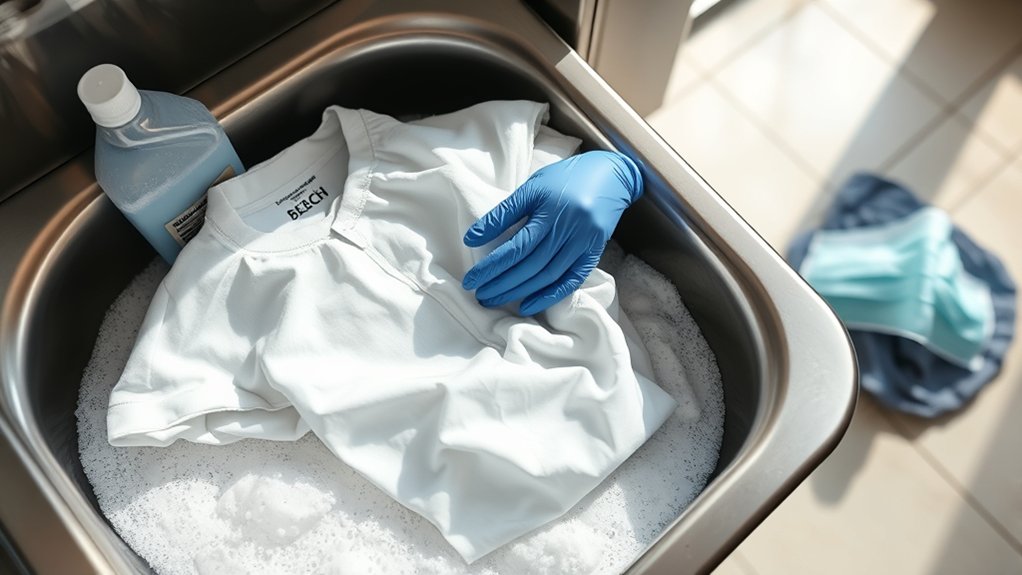
Although handling laundry from sick individuals poses a risk of germ transfer, you can minimize contamination by adopting careful hygiene practices.
When sorting dirty laundry, wear gloves to prevent the spread of bacteria and avoid direct contact.
Follow the product label instructions for bleach per gallon to guarantee effective disinfection during washing.
After handling laundry, wash your hands thoroughly to reduce germ transfer to your face or other surfaces.
Disinfect surfaces that come into contact with laundry using bleach solutions or Clorox™ Disinfecting Wipes, which kill 99.9% of bacteria and viruses.
These steps create a controlled environment that limits cross-contamination and maintains hygiene.
How to Keep Your Washing Machine Clean and Germ-Free
To maintain your washing machine’s hygiene and prevent bacterial buildup, you should run a monthly clean-out cycle using hot water combined with a bleach solution. This process effectively reduces bacteria and viruses, eliminating odor-causing microbes and soil residues.
Run a monthly hot water and bleach cycle to eliminate bacteria, viruses, and odors in your washing machine.
Follow these steps for ideal cleaning:
- Use bleach according to the label directions to avoid damage and guarantee disinfection.
- After each wash, wipe the rubber gasket and door seals to remove moisture and prevent mold formation.
- Keep the detergent drawer free of residue, as leftover detergent can harbor germs and bacteria.
Also, leave the washing machine door open between uses to promote airflow and reduce moisture accumulation.
Regular use of household cleaners and sticking to these practices will keep your washing machine sanitary and working efficiently.
How Bleach Kills Viruses and Bacteria in Laundry
You’ll want to use bleach at the recommended concentration—about 5 tablespoons per gallon of water—to really break down virus and bacteria cell walls when doing laundry.
It works best if you add the bleach after the wash cycle has started. Also, keeping the water temperature above 40℃ helps kill germs more effectively.
This way, you get the best of both worlds: your clothes stay clean and germ-free without risking damage to most fabrics.
Knowing this balance makes it easier to keep your laundry both sanitary and looking good.
Bleach Disinfection Mechanism
When you apply sodium hypochlorite, the active ingredient in bleach, it disrupts the cellular structures of bacteria and viruses, causing their rapid destruction.
This mechanism makes bleach an effective disinfectant in laundry.
To maximize its ability to kill pathogens, consider these factors:
- Contact Time: Bleach requires at least one minute of contact to inactivate viruses and bacteria effectively.
- Temperature: Warmer water enhances bleach’s disinfecting action by activating its chemical properties.
- Dilution: Proper dilution guarantees bleach penetrates fabric fibers without losing potency.
Effective Bleach Concentrations
Although bleach’s disinfecting power depends on proper use, maintaining an effective concentration is vital for killing viruses and bacteria in laundry.
Household bleach, containing 5% to 9% sodium hypochlorite, is effective at killing a broad spectrum of pathogens when diluted to appropriate concentrations, typically 5 tablespoons per gallon of water.
To guarantee disinfection, you must follow label instructions precisely, as incorrect dilution reduces efficacy.
Bleach solutions degrade over time, so considering bleach’s shelf life is important to maintain potency.
Applying bleach during the wash cycle and allowing at least one minute of contact time optimizes germ elimination.
Fabric Safety Considerations
Since bleach’s disinfecting action relies on sodium hypochlorite’s oxidative properties, you must carefully balance its concentration to avoid damaging fabrics.
When disinfecting laundry, applying bleach at appropriate diluted levels guarantees effective germ elimination without compromising fabric integrity.
To maintain fabric safety, consider these key points:
- Always check fabric care labels before using bleach to identify materials sensitive to oxidative damage, such as delicate materials like wool, silk, and non-fast colors.
- Use the recommended dilution of 5 tablespoons of bleach per gallon of water and add it after the wash cycle starts to minimize fabric degradation.
- Combine bleach use with hot water (minimum 140°F) to maximize pathogen elimination while preserving fabric quality.
Following these practices optimizes disinfecting laundry while protecting your garments.
Frequently Asked Questions
Can Bleach Be Used to Disinfect Towels and Bed Linens?
Yes, you can use bleach to disinfect towels and bed linens effectively. By diluting bleach according to label instructions, typically 5 tablespoons per gallon of water, and washing these items in hot water above 140°F, you guarantee the elimination of 99.9% of bacteria and viruses.
This method not only disinfects but also prevents odor-causing bacterial buildup.
It helps maintain the hygiene and freshness of fabrics that contact your skin regularly.
Does Bleach Kill Mold and Mildew in Laundry?
When mold and mildew meet bleach in your laundry, they don’t stand a chance.
You’ll find that sodium hypochlorite disrupts their cellular structure, effectively killing them on contact.
To maximize this, you should dilute bleach per instructions and wash fabrics in hot water, ideally above 140°F.
Applying bleach directly to affected areas and letting it sit for at least five minutes guarantees thorough disinfection and prevents regrowth in damp textiles.
How Long Should Laundry Soak in Bleach for Disinfection?
You should soak your laundry in a bleach solution for at least 5 to 10 minutes to guarantee effective disinfection. This contact time allows the bleach to penetrate and kill germs and bacteria thoroughly.
Be sure to prepare the solution with the correct dilution, about 5 tablespoons of bleach per gallon of water, and check fabric care labels.
After soaking, rinse the items thoroughly to remove any residual bleach and prevent fabric damage.
Is Bleach Safe to Use on Baby Clothes?
Yes, you can use bleach safely on baby clothes if you follow proper guidelines. You might worry about skin irritation, but by diluting bleach correctly and rinsing thoroughly, you minimize chemical residues that cause sensitivity.
Always check fabric labels to avoid damage, and consider oxygen bleach for colors or delicate materials.
Washing baby clothes separately also prevents cross-contamination, ensuring a safe, hygienic cleaning process tailored for your little one’s needs.
Can Bleach Cause Skin Irritation After Laundry Handling?
Yes, bleach can cause skin irritation after handling laundry treated with it. When you come into contact with bleach residues, especially if you have sensitive skin or pre-existing conditions, you might experience dryness, redness, or rashes.
To minimize this, you should wear gloves during laundry tasks and thoroughly rinse clothes to reduce chemical residues.
If irritation occurs, wash the area with soap and water promptly and seek medical advice if symptoms persist.
Conclusion
So, does bleach really kill germs and bacteria in your laundry? Absolutely. When used correctly, it disrupts microbial cells and inactivates viruses effectively.
But are you ensuring the right water temperature and fabric compatibility? Combining bleach with warm water and dryer heat maximizes disinfection, while proper handling prevents recontamination.
Remember, maintaining a clean washing machine is also essential. With these steps, you can confidently eliminate harmful pathogens from your laundry every time.