Is Powder Laundry Detergent Better Than Liquid – Fact Check
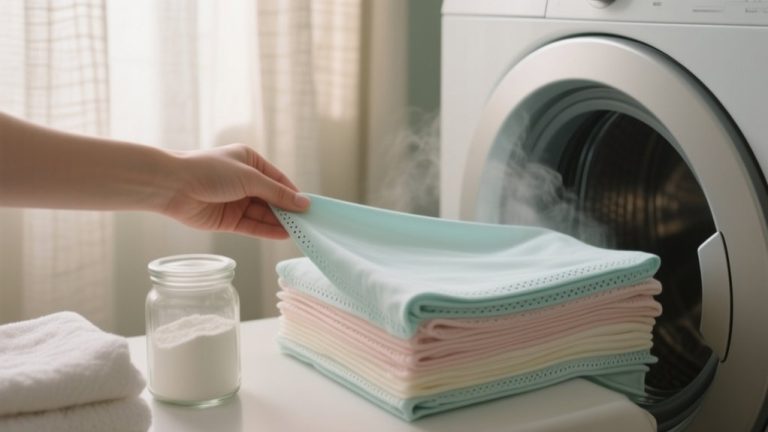
If you deal with hard water, powder laundry detergent outperforms liquid by softening minerals and boosting stain removal, especially in hot water. It costs less per load, comes in recyclable packaging, and doesn’t need preservatives, avoiding harsh chemicals.
Powders also offer longer shelf life and less spill risk. While liquids excel in cold water and stain pre-treatment, powder’s overall benefits make it a solid choice. Keep exploring to understand all the factor distinctions and find what suits you best.
Key Takeaways
- Powder detergents work better in hard water by softening minerals and enhancing cleaning performance.
- Liquid detergents are more effective in cold water and ideal for direct stain pre-treatment.
- Powder detergents are generally more cost-effective, with lower cost per load and bulk buying savings.
- Powder detergents have a lower environmental impact due to recyclable packaging and reduced plastic use.
- Powders do not require preservatives, avoiding exposure to harmful chemicals found in liquid detergents.
Key Differences Between Powder and Liquid Laundry Detergents
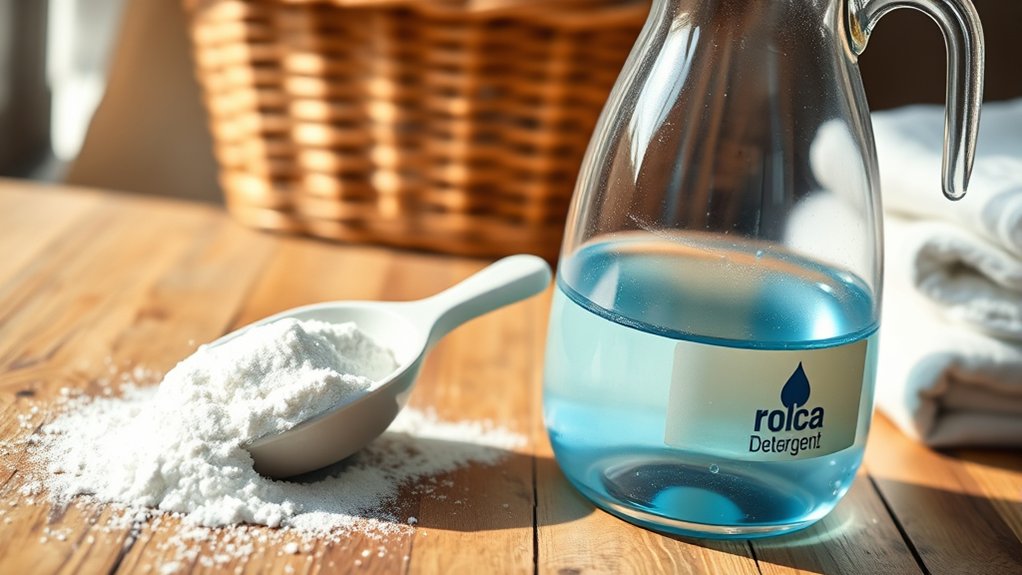
Although both powder and liquid laundry detergents clean your clothes effectively, they differ greatly in performance depending on water conditions, cost, environmental impact, convenience, and skin sensitivity.
Powder detergents offer strong cleaning power in hard water by softening minerals, while liquid detergents excel in cold water, saving energy.
Powder detergents tackle hard water effectively, while liquid detergents perform best in cold water, conserving energy.
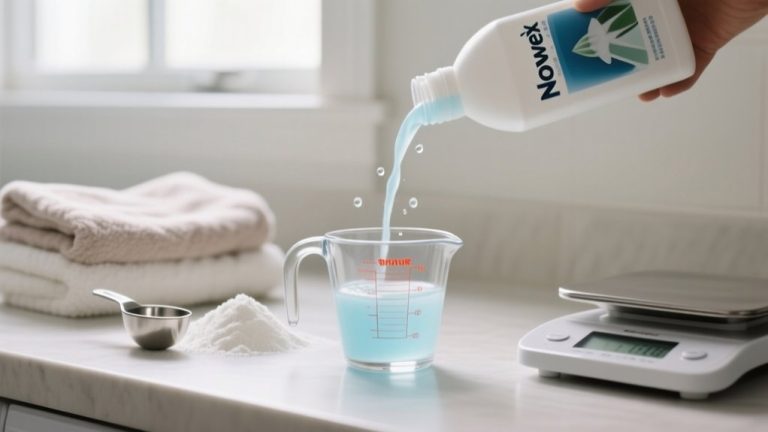
When considering cost per load, powder detergents are typically cheaper and require less product, offering better value over time.
Environmentally, powder detergents produce less packaging waste since they come in recyclable cardboard boxes, unlike liquid detergents often sold in plastic containers.
However, liquid detergents dissolve faster and are easier to use without leaving residue, making them more convenient.
For those with sensitive skin, liquid detergents usually contain milder, hypoallergenic formulas, whereas powder detergents may leave irritating residues.
How Powder Detergent Compares in Stain Removal Performance
When you’re tackling tough, ground-in dirt and stains, powder detergents often deliver superior results, especially in hot water cycles where they dissolve fully and maximize cleaning power.
Powder detergents excel in stain removal for heavily soiled items, particularly in hard water areas, as they combat mineral buildup that can hinder cleaning.
In contrast, liquid detergents shine in cold water and are ideal for direct pre-treatment of stains on fabric.
Consider these points:
- Powder detergents perform best in hot water; incomplete dissolution in cold water can reduce effectiveness on light stains.
- Liquid detergents offer convenience for quick stain pre-treatment.
- Hard water conditions favor powder detergents due to their enhanced ability to manage mineral interference.
Choosing between powder and liquid depends on your specific washing needs and water conditions.
Cost-Effectiveness of Powder Laundry Detergent Versus Liquid
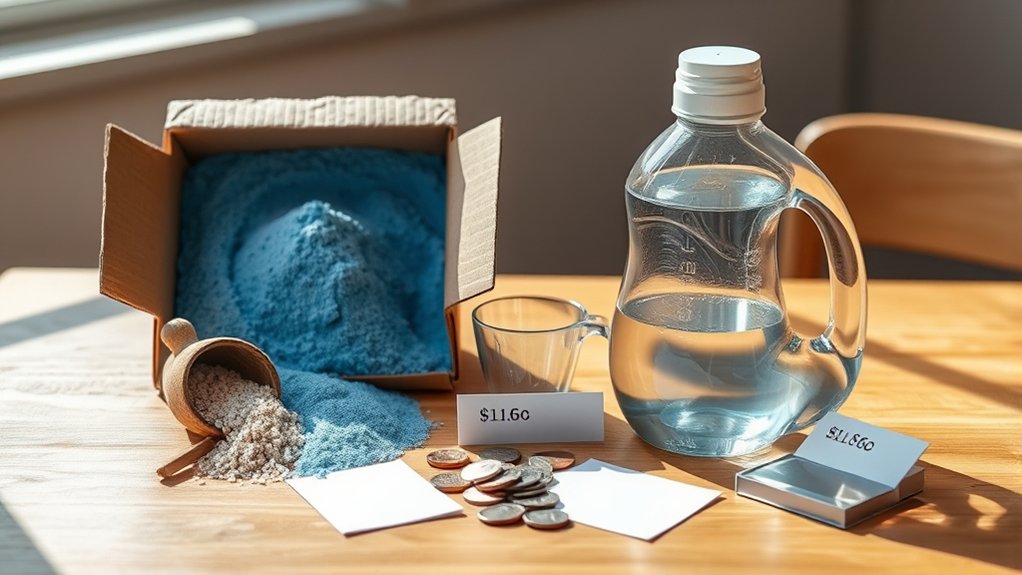
Laundry detergent costs can add up quickly, so understanding the cost-effectiveness of powder versus liquid options is essential for managing your household budget.
Powder detergent generally offers a lower cost per load. Some brands, like Meliora Cleaning Products Laundry Powder, cost about $0.16 per wash. Their concentration means you only need half a tablespoon for high-efficiency machines, which enhances savings.
Powder detergents usually come in recyclable cardboard packaging, reducing shipping costs. In contrast, liquid detergents often have higher prices per wash due to over-pouring risks and heavier, less economical packaging.
Buying powder detergent in bulk further increases savings since it typically provides more loads per package.
Environmental Benefits of Powder Detergent and Packaging
Beyond cost savings, powder detergents offer notable environmental advantages that can influence your choice. Their packaging often uses biodegradable, recyclable cardboard, helping you reduce plastic waste compared to liquid detergents’ plastic bottles.
Furthermore, powder detergents’ lightweight nature lowers the carbon footprint during transportation.
Consider these environmental benefits:
- Packaging: Powder detergent boxes are biodegradable and recyclable, minimizing landfill impact.
- Reduce plastic: Switching to powder cuts down plastic consumption considerably.
- Lower carbon footprint: Less water content means lighter shipments, reducing fuel use and emissions.
Why Powder Detergent Doesn’t Require Preservatives Like Liquid
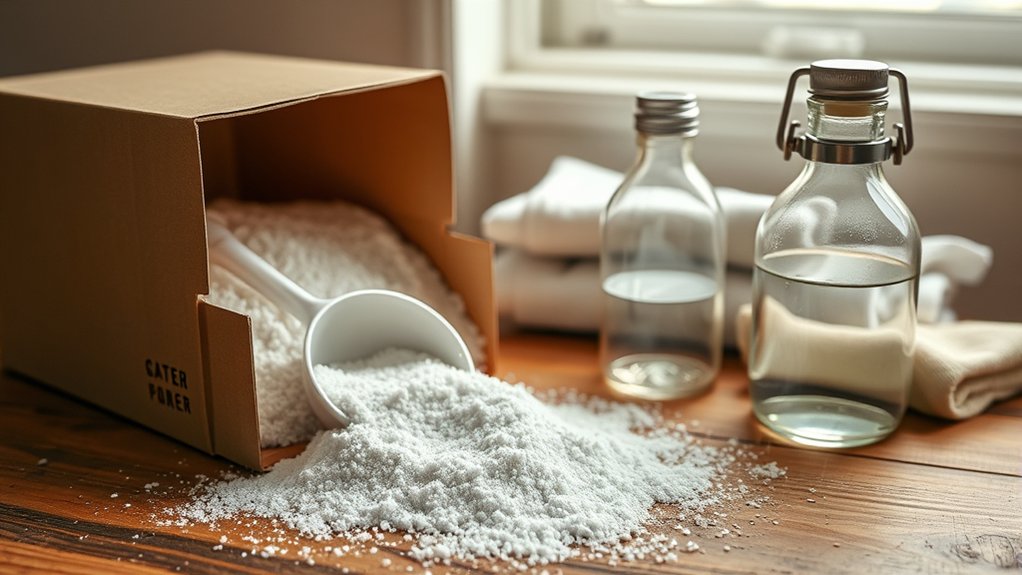
You’ll notice that powder detergent doesn’t need preservatives because it doesn’t contain water. Without water, mold and bacteria can’t grow.
On the other hand, liquid detergent has water in it, so it needs chemical preservatives to keep it shelf-stable. Because of this, powder detergents avoid the extra chemicals that liquid detergents rely on to stay effective over time.
Water Content Differences
A key difference between powder and liquid detergents lies in their water content, which directly impacts their formulation and preservation.
Powder detergents contain no water, so they don’t require preservatives to prevent mold or bacterial growth. In contrast, liquid detergents include water, necessitating additives, often petroleum-derived, to maintain stability and inhibit microbial contamination.
This difference affects eco-friendliness since powder detergents avoid potentially harmful chemicals found in liquid formulations.
Consider these points:
- Powder detergents’ lack of water guarantees longer shelf stability without spoilage.
- Liquid detergents depend on preservatives, some releasing irritants like formaldehyde.
- The absence of water in powder detergents reduces microbial risk, making them a cleaner choice.
Understanding these water content differences helps you evaluate detergent options more effectively.
Preservative Necessity Explained
Because powder detergents contain no water, they naturally avoid the need for preservatives that liquid detergents require to prevent microbial growth.
Powder detergents remain shelf-stable without additives designed to inhibit mold or bacteria, unlike liquid detergents, which rely on petroleum-derived preservatives.
These preservatives in liquids often include formaldehyde releasers, recognized carcinogens linked to health risks and skin irritation.
By contrast, powder detergents’ dry formulation eliminates microbial growth concerns, reducing your exposure to harsh chemicals.
Choosing powder detergents means you avoid unnecessary preservatives altogether, making them a cleaner, safer option for your laundry routine.
Understanding this difference helps you evaluate the potential health impact of preservatives in liquid detergents versus the preservative-free nature of powder detergents.
Shelf Stability Benefits
Powder laundry detergents offer distinct shelf stability advantages over liquids, primarily due to their dry formulation. Because they’re shelf-stable, powders don’t need preservatives to inhibit mold or bacteria growth. Liquid detergents contain moisture and require chemical additives for this.
Here’s why powder detergents stand out:
- Absence of moisture eliminates microbial growth, removing the need for preservatives.
- Liquids often include formaldehyde releasers, which are known carcinogens, while powders avoid these harmful chemicals.
- Without preservatives, powders maintain efficacy longer and offer a more environmentally friendly option by reducing chemical exposure.
When you choose powder detergent, you minimize contact with potentially carcinogenic preservatives.
You also embrace a product that’s inherently stable and eco-conscious.
Does Powder Detergent Work Well in All Water Temperatures?
How well does detergent perform across different water temperatures? Powder and liquid detergents both have strengths, but powder detergent generally excels in hot water cycles, where it dissolves fully and tackles tough stains effectively.
In areas with hard water, powder detergents often outperform liquids because their formulation helps reduce mineral buildup, enhancing cleaning effectiveness.
However, powder detergents may not dissolve as thoroughly in cold water, which can compromise their performance.
That said, some modern powders are designed to work better in lower temperatures, improving their cold water effectiveness.
Convenience and Storage Advantages of Using Powder Detergent
You’ll notice that powder detergent is much lighter and more compact than liquid, so it’s easier to carry around and store in tight spaces.
Plus, since it’s a solid, you don’t have to worry about spills or leaks like you often do with liquid containers.
All these things together make powder detergent a really convenient and safer option to keep in your laundry area.
Lightweight And Compact
Three key factors make choosing detergent easier: weight, space, and packaging. Powder detergents excel in all three, offering lightweight and compact solutions compared to liquids.
Here’s why you might prefer powder detergents:
- Lightweight: Powder detergent typically weighs about a third less than liquid, making it easier to carry and handle.
- Compact Storage: On a per-load basis, powder takes up half the space of liquid, allowing you to store more efficiently.
- Reduced Environmental Impact: Powder detergents come in recyclable cardboard boxes, cutting down plastic waste and lowering shipping carbon footprints due to the absence of water weight.
These benefits make powder detergents a practical choice if you value convenience, efficient storage, and environmental responsibility.
Spill Resistance Benefits
Although both powder and liquid detergents serve the same purpose, powder detergent offers distinct spill resistance advantages that enhance convenience and storage.
Powder detergent’s dry form greatly reduces the risk of leakage, making it safer to store and transport without worrying about messy accidents.
Unlike liquid detergents, which can spill and leave sticky residues, powder spills are easier to clean up, saving you time and effort.
Moreover, powder detergent often comes in recyclable cardboard packaging that’s compact and space-efficient, improving storage options.
You can also measure powder detergent precisely, avoiding over-pouring and waste.
These spill resistance benefits make powder detergent a practical choice if you prioritize tidiness and efficient storage in your laundry routine.
Who Should Choose Powder Detergent Over Liquid?
Who benefits most from choosing powder detergent over liquid? You do if you prioritize cost efficiency, environmental impact, and cleaning power, especially in hard water areas. Powder detergents often cost less per load and come in recyclable packaging, reducing plastic waste.
- If you live in a hard water region, powder detergents combat mineral buildup better than liquids. This ensures your clothes get a thorough clean.
- If you want to save money, powders generally offer more loads per purchase. That means better cost efficiency for your laundry routine.
- If environmental concerns matter to you, powder detergents come in cardboard packaging. This helps lessen your plastic footprint.
Final Tips for Choosing the Right Laundry Detergent for You
Choosing between powder and liquid laundry detergents depends on several factors that align with your specific needs and preferences.
If you live in an area with hard water, powder detergents tend to work better. Meanwhile, liquid detergents perform well in cold water washes.
Consider cost-effectiveness; powder detergents usually offer a lower cost per load, making them budget-friendly.
Storage is another factor. Powder detergents are lighter and take up less space.
For those concerned about environmental impact, powder detergents with biodegradable packaging reduce plastic waste compared to liquid detergents in plastic bottles.
If you have sensitive skin or allergies, liquid detergents often provide milder, hypoallergenic formulations that help avoid irritation.
Frequently Asked Questions
Can Powder Detergent Damage Washing Machines Over Time?
Powder detergent can damage washing machines over time if you don’t use it correctly. If it doesn’t dissolve fully, especially in cold water, residue may build up, leading to clogs or wear.
However, high-efficiency powders minimize suds, reducing risks.
By following the recommended amounts and regularly cleaning your machine, you’ll prevent damage and keep it running efficiently.
How Long Does Powder Detergent Last Once Opened?
Once opened, powder detergent typically lasts 6 to 12 months if you store it properly in a cool, dry place.
Unlike liquids, it doesn’t contain water, so it won’t degrade quickly.
However, if exposed to moisture, it can clump and lose effectiveness.
You can use it beyond a year if kept dry, but for best results, try to finish it within that timeframe to maintain peak cleaning power.
Are Powder Detergents Safe for All Fabric Types?
Powder detergents aren’t safe for all fabric types. You’ll find them effective on cotton and synthetics but should be cautious with delicates, as powders may leave residue or cause irritation.
They work best in hot water but don’t dissolve well in cold, which could harm sensitive fabrics.
Always check labels for enzymes or additives that might damage certain textiles.
Comparing to liquids, powders require more care to avoid residue and potential fabric wear.
Can Powder Detergent Cause Color Fading in Clothes?
Yes, powder detergent can cause color fading, especially if you’re careless with conditions. Its alkaline agents often react with fabric dyes, particularly in hot water, accelerating fading.
Compared to liquid detergents, powders can leave residues if overdosed, dulling colors over time.
However, using a powder formulated for color care and measuring carefully can minimize this risk.
Is Powder Detergent Suitable for Hand Washing Clothes?
Yes, powder detergent is suitable for hand washing clothes.
You’ll find it dissolves well in water, making it easy to use for small loads or delicate fabrics.
Compared to liquid detergents, powder often tackles tough stains more effectively when pre-dissolved in warm water.
Plus, it’s usually more cost-effective and eco-friendly, as it often comes in cardboard packaging.
Just be sure to dissolve it completely to avoid residue on your clothes.
Conclusion
When deciding between powder and liquid detergent, you’ll find powder often shines in cost, environmental impact, and stain-fighting power, especially in harder water. Liquid’s convenience and quick dissolving are perks, but powder’s longer shelf life and simpler packaging give it an edge.
If you want to get the most bang for your buck without sacrificing performance, powder detergent might be your ace in the hole. Ultimately, match your choice to your laundry needs and water type for best results.