How To Clean Samsung Washing Machine Top Loader – Step By Step Guide
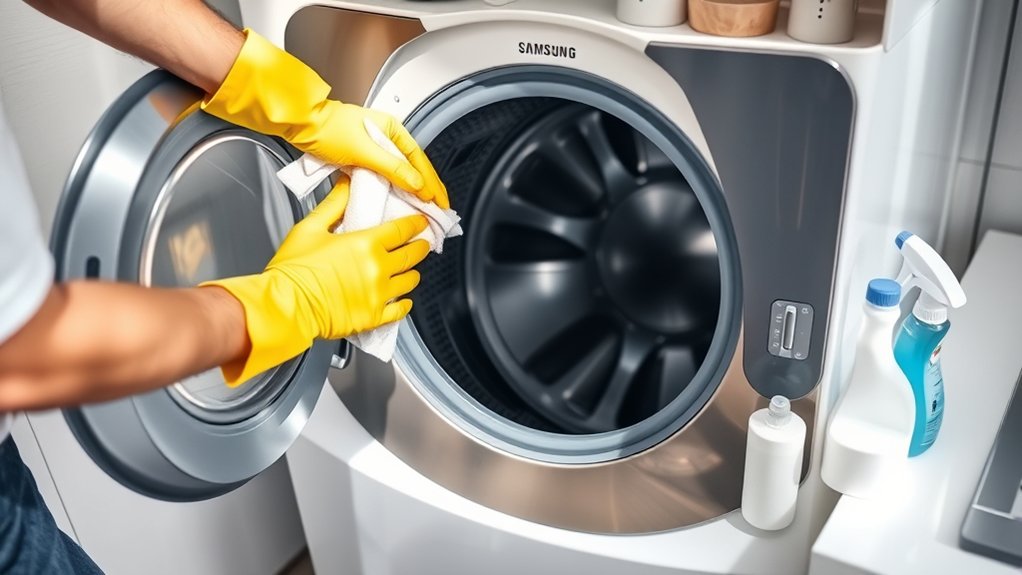
To clean your Samsung top loader, first unplug the machine and remove any clothes inside. Open and dry the detergent drawer, then wipe down the exterior with a mild detergent.
Next, remove the agitator and tub by loosening screws and clips. This lets you do a deep scrub, especially focusing on aluminum buildup and any hidden residue that might be stuck.
Don’t forget to clean and inspect the pump filter and hoses while you’re at it. Once everything is clean, reassemble the parts securely.
Run a test cycle to check for leaks and keep the machine fresh by leaving the door open for ventilation. Following these steps will help you keep your washer in great shape and working longer. There’s always more to learn for perfect care!
Unplug and Prepare Your Samsung Top Loader for Cleaning
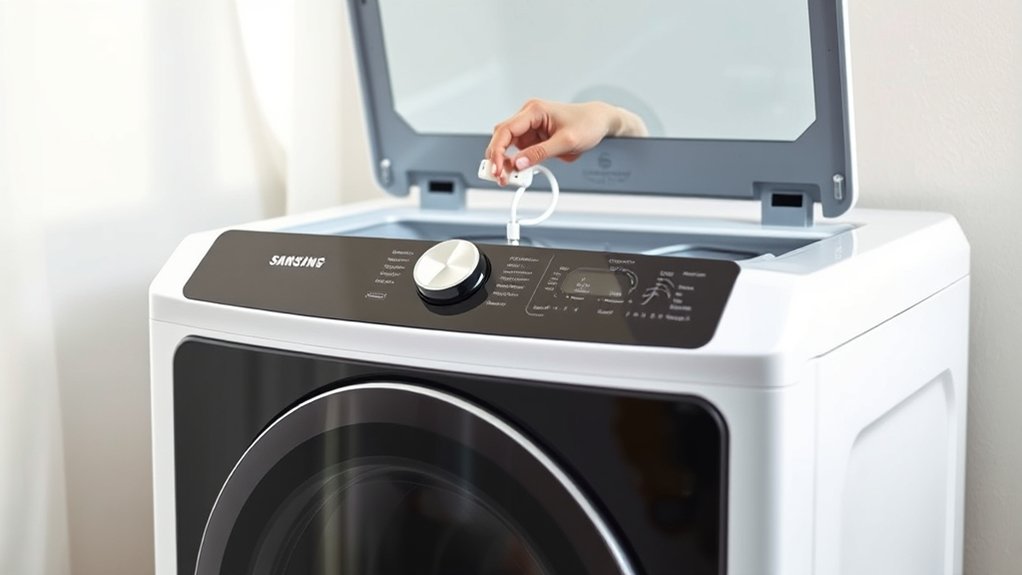
Before you begin cleaning your Samsung top loader washing machine, make sure to unplug it to avoid any risk of electrical shock.
Once it’s unplugged, remove any clothing or debris from the washer tub so you have a clear workspace.
Open the detergent drawer fully to check for and clear out any residue or buildup that might get in the way of proper cleaning.
Open the detergent drawer completely to remove any residue that could hinder effective cleaning.
Leaving the drawer and lid open helps air circulate, which cuts down on moisture and stops mold from growing.
Gather your cleaning supplies like mild detergent, a soft brush, and microfiber cloths to clean both the inside and outside surfaces effectively.
And don’t forget to check your user manual for model-specific instructions.
Samsung top loaders can be a bit different, so following those steps will help keep your machine in top shape.
Clean the Washer’s Exterior and Detergent Drawer
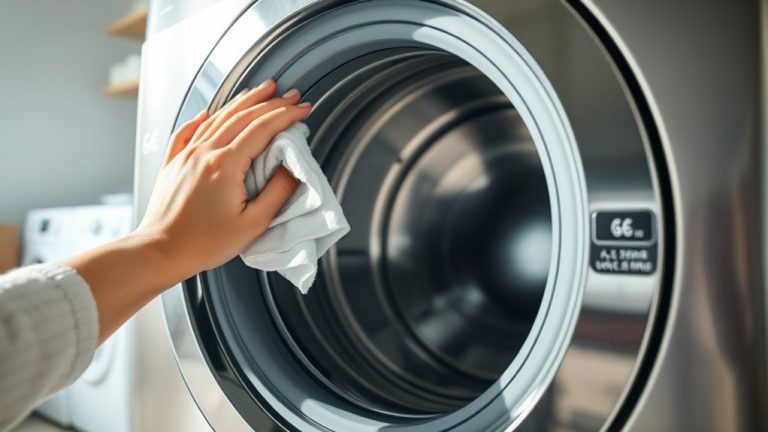
Anyone aiming to maintain their Samsung washing machine’s performance should regularly clean its exterior and detergent drawer. Use a mild detergent and a damp cloth to wipe the washer’s surface, removing residue that can cause blemishes.
Try to address spills immediately to prevent staining.
After each cycle, make sure to dry the detergent drawer thoroughly to avoid buildup that could clog dispensers and affect functionality. For front load washers, the detergent drawer is especially prone to residue accumulation.
So, it’s a good idea to perform a deep clean monthly using warm water and a soft brush.
Finally, always dry the cleaned areas with a microfiber cloth to prevent moisture retention, which can lead to mold or mildew.
Keeping both the exterior and detergent drawer clean helps promote ideal operation and extends the machine’s lifespan.
Remove the Agitator and Tub for Deep Cleaning
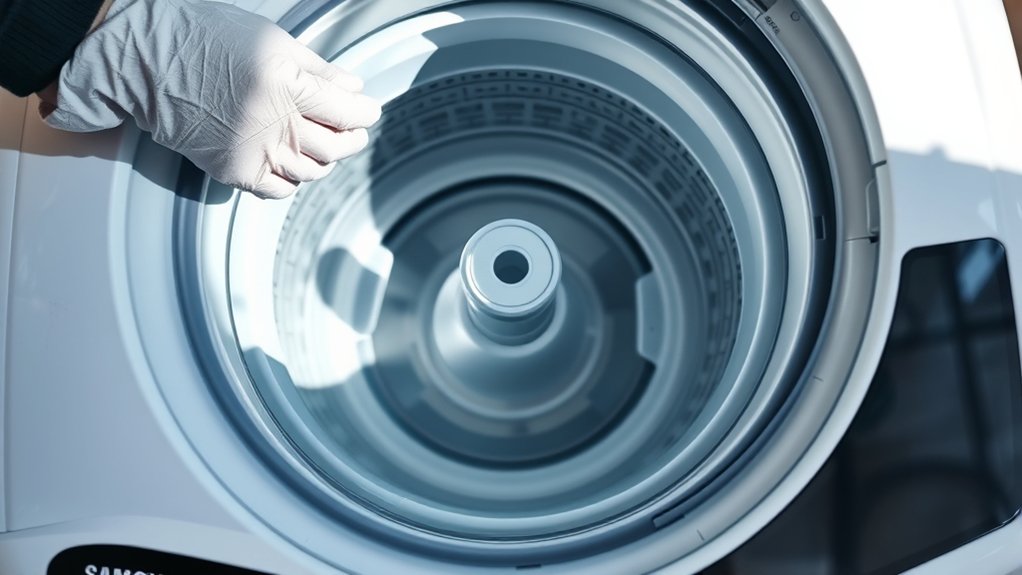
Start by removing the agitator to access the tub for deep cleaning. Use a flat screwdriver to pry off the agitator cap, then detach the agitator nut with a 10 mm socket. You can apply water if needed to ease removal.
Next, loosen and remove four Phillips screws securing the tub frame. Carefully unclip six clips around it.
To remove the tub, use a 36 mm wrench to turn the holding nut clockwise. This prevents tightening it further.
With agitator and tub free, inspect for brown or gray residue that could cause stains. This step is essential before proceeding to clean the tub itself.
Removing the agitator and tub lets you deep clean components thoroughly. This ensures better washing performance and gets rid of hidden grime buildup.
Clean the Tub and Remove Aluminum Buildup
With the agitator and tub removed, you can now focus on cleaning the tub thoroughly to eliminate aluminum buildup.
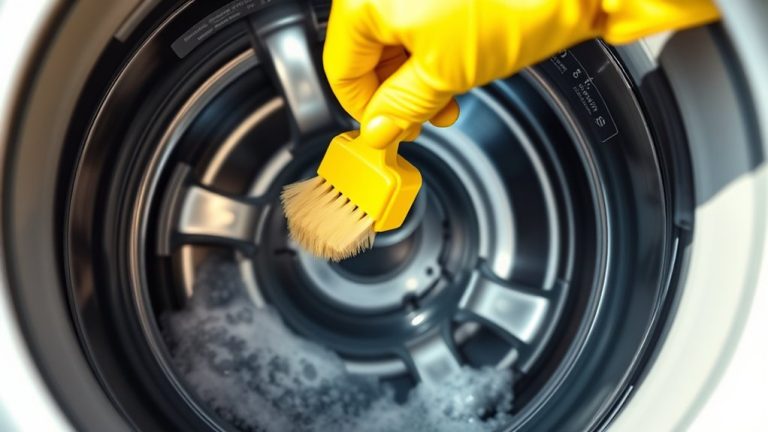
Start by inspecting the tub for brown or gray residue caused by aluminum reacting with water. Use a soft brush to scrub all surfaces carefully, paying special attention to hidden holes and reinforcements at the tub’s base where buildup often accumulates.
To remove the tub, use a 36 mm wrench to loosen the holding nut by turning it clockwise, avoiding further tightening.
Clean every nook to guarantee no residue remains, as leftover aluminum buildup can cause staining and damage.
Once the tub is spotless, reassemble the machine securely.
This detailed cleaning helps maintain your washer’s performance and prevents future staining issues. Taking the time to do this right really pays off in the long run.
Run a Self Clean or Pure Cycle to Sanitize the Washer
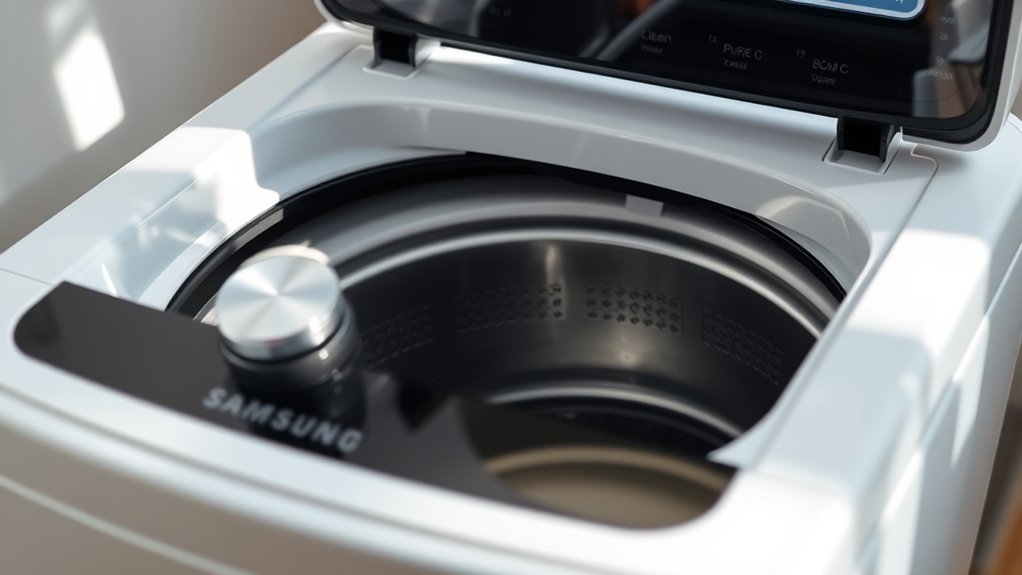
Activate the Self Clean or Pure Cycle only when the washing machine is completely empty. This process targets and sanitizes hard-to-reach areas that are prone to dirt and mildew buildup.
Running the self clean cycle typically takes about one hour for top loaders. You don’t need any cleaning agents, but adding bleach can help if you notice mold odors.
This cycle prevents mold by thoroughly flushing out residue and bacteria that accumulate in the drum and internal components.
If you see suds or residue after the cycle finishes, just run it again to make sure everything is completely clean.
Regularly performing the self clean cycle is key to keeping your Samsung washer fresh and mold-free. It also helps extend the lifespan of your machine and keeps it running at its best.
Maintain the Samsung Washer Pump Filter and Drain Hoses
After completing a self-clean cycle, you should maintain the washer pump filter and drain hoses to guarantee efficient water flow and prevent clogs.
Start by rotating the pump filter counter-clockwise to remove it. Use a soft bristle brush to clean dirt from the filter and its surrounding housing.
Take a moment to inspect the drain pump impeller inside the filter housing for obstructions that can hinder drainage.
Once everything is clean, securely reinsert the pump filter by twisting it clockwise to prevent leaks.
Next, check the drain hoses. Make sure the hose cap is firmly secured and that the hoses are properly mounted.
If you’re unsure, refer to your user manual for model-specific instructions on accessing and maintaining the pump filter and drain hoses.
Following these steps will help maintain peak washer performance and avoid drainage issues.
It’s worth taking the time to keep everything running smoothly!
Keep the Washer Exterior Clean and Dry Regularly
You should regularly wipe the washer’s exterior with a damp cloth and some mild detergent to get rid of dirt and stop buildup.
It’s a good idea to clean up any spills right away. Then, dry the surface with a microfiber cloth to avoid water spots and any possible damage.
Also, don’t forget to keep the detergent drawer dry after each cycle.
This helps keep everything clean and prevents residue from piling up.
Surface Cleaning Tips
Although the exterior of your Samsung washing machine doesn’t directly affect its cleaning performance, keeping it clean and dry is essential for maintaining its appearance and preventing damage.
For effective surface cleaning tips, regularly wipe the washer with a mild detergent and a damp cloth to remove dirt and moisture residue that can cause blemishes.
Always address spills immediately to avoid stains. After cleaning, use a clean, dry microfiber cloth to thoroughly dry the surface, ensuring no moisture remains that could degrade the exterior.
For stubborn spots, apply a small amount of Cerama Bryte cooktop cleaner, which effectively eliminates tougher stains without harming the finish.
Establishing this routine not only preserves the washer’s pristine look but also contributes to its longevity and ideal operation.
It’s a simple habit that really pays off over time!
Preventing Water Damage
Three essential steps help prevent water damage on your Samsung washing machine’s exterior: wiping down water residue regularly, drying all surfaces thoroughly, and managing moisture in the detergent drawer.
Start by using a damp cloth to remove any water residue immediately after each wash cycle. This helps prevent surface blemishes and corrosion.
Always dry the washer’s exterior completely to avoid moisture buildup. Moisture can lead to mold or mildew growth, which you definitely want to avoid.
Pay close attention to the detergent drawer. Wipe away excess detergent residue and dry it after every use to prevent clogs and water damage.
Finally, improve ventilation by leaving the door and detergent drawer open when not in use. This promotes airflow and reduces trapped moisture.
Following these simple steps is key to preventing water damage and extending your washer’s lifespan. It’s easier than you think and really makes a difference!
Troubleshoot and Prevent Stains After Washing
When stains appear after washing, they often result from detergent buildup, mold, or drainage problems that you can fix with routine maintenance.
Try using a machine cleaner once a month to get rid of mold and mildew and keep stains from forming. Also, clean the detergent drawer regularly to prevent excess residue from building up.
Be sure to measure detergent and fabric softener accurately every time. Check the pump filter to make sure it’s draining properly, which helps reduce the chance of stains.
After you finish washing, leave the washer door open for a while. This improves ventilation and helps stop moisture from building up.
| Issue | Cause | Solution |
|---|---|---|
| Stains on clothes | Detergent buildup | Clean detergent drawer monthly |
| Mold stains | Moisture + mold growth | Run machine cleaner cycle |
| Water stains | Clogged pump filter | Inspect and clean filter |
Reassemble the Washing Machine and Test Its Performance
After you’ve thoroughly cleaned all the components, go ahead and carefully put the tub and agitator back together. Just reverse the steps you took to disassemble them, making sure all the screws and clips are nice and tight.
Don’t forget to reconnect the ground wire, and take a moment to properly align the top plate before you restore power to the machine.
Once everything’s back in place, run a test wash with a small load. This will help you see if the machine is running smoothly and let you check for any leaks or unusual sounds.
If everything sounds and looks good, you’re all set!
Thoroughly Cleaned Parts
Begin by securely reassembling the tub, agitator, and all cleaned components in the exact order specified by the manufacturer’s guidelines. This will guarantee proper fit and function.
Make sure that all screws and clips are tightened firmly to prevent any movement during operation. Movement could cause damage or misalignment, so it’s important to be thorough.
After reassembly, plug the machine back in and run a short water cycle to check for leaks and assess performance. Watch carefully for any unusual noises or vibrations.
These might indicate improper assembly or residual detergent build-up that can affect operation.
Confirm that the thoroughly cleaned parts work harmoniously by verifying peak washing efficiency and the absence of stains on your clothes. This proves the detergent build and grime have been effectively removed.
Proper Reassembly Steps
Three critical steps will guarantee your Samsung washing machine is reassembled correctly and functions at its best.
First, carefully align the tub in your top load washer and secure it with the nut, tightening it counter-clockwise to prevent loosening during use.
Next, reattach the agitator by fastening its nut with a 10 mm socket, then snap the agitator cap firmly into place.
After that, reinsert all clips around the tub frame and tighten the four Phillips screws to stabilize the tub.
Finally, reconnect the ground wire terminal, lower the top plate, and secure it with the three screws removed earlier. Following these proper reassembly steps assures mechanical integrity.
Once done, run an empty test cycle to confirm smooth operation and detect leaks or abnormal noises before regular use. This way, you’ll be sure everything is working just right.
Performance Testing Methods
Once you’ve reassembled your Samsung washing machine, start by verifying every screw and clip is tightly secured. This helps prevent rattling or misalignment during operation.
Next, run a cycle without laundry to perform a thorough performance test. Listen carefully for unusual noises that could indicate loose parts or assembly errors.
Observe water drainage to confirm the drain hose is firmly attached and functioning properly. During agitation and spin cycles, check that the tub and agitator move smoothly without obstruction or imbalance.
After the cycle completes, inspect the cleaned components for any remaining residue or stains. This will help you determine if additional cleaning is necessary.
This systematic approach makes sure your machine operates efficiently and helps prevent potential issues caused by improper assembly or incomplete cleaning.
Perform Regular Maintenance to Keep Your Washer Fresh
Maintain your Samsung washing machine’s efficiency by running a warm or hot water cycle periodically to break down soil and detergent residue.
To perform regular maintenance, leave the washer door and detergent drawer open after each use. This promotes air circulation and helps prevent moisture buildup that can cause mold.
Leave the washer door and detergent drawer open after use to promote airflow and prevent mold buildup.
Aim to clean the detergent drawer monthly using warm water and a soft brush to remove detergent buildup and avoid clogging. Conduct these routine cleanings at least once a month to maintain freshness and peak performance. It’s a simple step that makes a big difference.
Also, make sure your laundry area is well-ventilated to inhibit mold and mildew growth.
These practical steps help prevent common issues, prolong your washer’s lifespan, and keep your machine operating at top efficiency. Taking care of your washer regularly keeps it fresh and ready to go!
Frequently Asked Questions
Can I Use Bleach to Clean My Samsung Top Loader?
Yes, you can use bleach to clean your Samsung top loader, but make sure to use it cautiously.
Add 1 cup of bleach to the detergent compartment during the Self Clean cycle. Then, run a second cycle without bleach to rinse everything thoroughly.
If you want safer options, you might want to try bleach alternatives like vinegar or baking soda.
These are especially good if you prefer a gentler clean.
Try to clean your washer at least once a month.
This helps prevent mold and odors and keeps your washer running at its best.
How Often Should I Deep Clean the Washing Machine?
You should deep clean your Samsung top loader washing machine at least once a month to keep it running smoothly.
Sticking to a regular cleaning schedule helps stop detergent and fabric softener buildup, mold, and bad smells from taking over.
Try running the Self Clean cycle every now and then, and don’t forget to clean the detergent drawer regularly.
These simple maintenance steps go a long way.
By staying on top of this, your machine will work more efficiently, last longer, and you’ll avoid expensive repairs caused by neglect or leftover residue.
It’s a small effort that pays off big time!
What Type of Detergent Is Best for Samsung Washers?
You should use high-efficiency (HE) detergents specifically designed for your Samsung washing machine type, whether it’s a top loader or front loader.
HE detergents, like Tide HE or Persil ProClean, produce fewer suds and prevent residue buildup. This helps ensure peak cleaning and machine longevity.
Liquid detergents work best, especially in cold water, as they dissolve better.
Make sure to avoid using too much detergent to prevent mechanical issues and maintain efficiency. This is especially important if your washer has an Auto Dispense System.
Is It Safe to Use Vinegar in the Washer Drum?
Yes, you can use vinegar in your washer drum for its benefits like odor removal and breaking down mineral deposits. It’s a natural way to keep your washer smelling fresh and clean.
For washing machine safety, just use it sparingly. Adding 1 to 2 cups during the rinse cycle is ideal. That way, you get the benefits without causing any damage.
Also, avoid mixing vinegar with bleach because it can create harmful fumes and damage your machine.
Before you try this, check your Samsung washer’s manual. Some models might advise against using vinegar to protect rubber seals and hoses from wearing out too soon.
How Do I Fix a Washing Machine That Smells Bad?
To fix a washing machine that smells bad, start with odor removal by running a Self Clean or hot water cycle. Use bleach if mold is present to really get rid of the smell.
For smell prevention, leave the washer door and detergent drawer open after use. This helps reduce moisture buildup, which is a big cause of odors.
Make sure to regularly deep clean the detergent drawer.
Also, check the pump filter and drain hose for clogs. These steps make sure your washer stays fresh and help prevent bad smells from coming back.
Conclusion
By unplugging your Samsung top loader before cleaning, you not only protect yourself but also guarantee a thorough, safe process. This simple safety step sets the stage for removing grime and buildup effectively.
Following the detailed steps, from exterior wipes to deep tub cleaning and self-sanitation cycles, ensures your washer performs at its best. Keep up with regular maintenance, and you’ll prevent stains and prolong your machine’s life.
Doing this saves you time and costly repairs down the line. It’s really worth the effort to keep your washer running smoothly!