How To Clean Ge Washing Machine Top Loader No Agitator – Guide
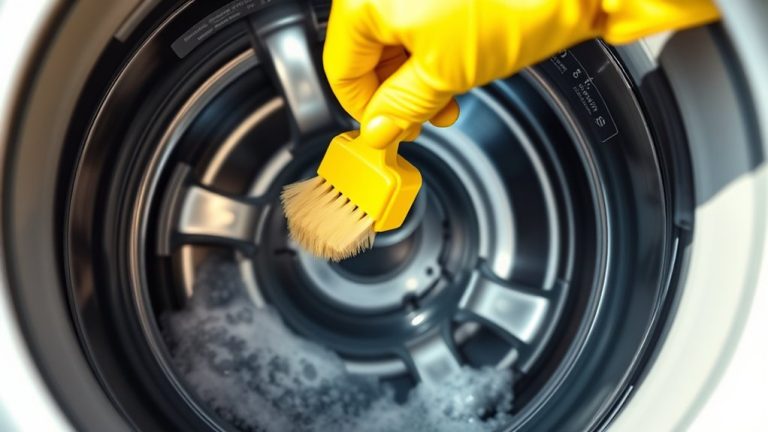
To clean your GE top load no-agitator washer, start by running a hot water cycle with vinegar or baking soda to break down residue and odors. Next, scrub the drum and dispensers with microfiber cloths and brushes. Run a bleach cycle occasionally for deep disinfection.
Then, wipe down the exterior and control panel carefully. Leaving the lid open after the wash helps prevent mold from forming.
Following these steps regularly guarantees your washer stays fresh and works at its best. Keep reading if you want more detailed cleaning and maintenance tips.
Why Clean Your GE Top Load Washer Without an Agitator
Although your GE top load washer lacks an agitator, you still need to clean it regularly to prevent mold, mildew, and detergent buildup in the impeller and drum areas. These parts tend to collect residue, which can mess with your washer’s performance and cause unpleasant odors.
Regular maintenance helps get rid of trapped detergent and mineral deposits. This keeps your washer running efficiently and can even extend its lifespan.
Routine upkeep removes buildup, ensuring efficient performance and prolonging your washer’s life.
Since there’s no agitator, you’ll want to focus on scrubbing and disinfecting the impeller and drum thoroughly.
Proper cleaning also improves ventilation, which reduces moisture that can promote microbial growth.
Adjusting cleaning frequency based on equipment maintenance ensures optimal performance and longevity of your washer.
Best Cleaning Supplies for Your GE Top Load Washer
When cleaning your GE top load washer without an agitator, selecting the right supplies is essential for effective residue removal and odor control. Use products designed to target buildup and sanitize without damaging your machine.
Here are the best cleaning supplies to gather before starting:
- Affresh tablets, formulated specifically for top load washers, to break down residue and neutralize odors
- Distilled white vinegar, which dissolves mineral deposits, mold, and mildew naturally
- Baking soda, combined with vinegar, for a powerful solution that tackles soap scum and odors
- Chlorine bleach, used sparingly, to disinfect and whiten the drum without causing damage
- Access to the hottest water setting and longest cleaning cycle on your washer for ideal results
Choose these supplies carefully to maintain your washer’s performance and extend its lifespan. It really makes a difference in keeping your washer running smoothly. Maintaining consistent cleaning timing helps ensure thorough residue removal and prevents buildup over time.
Preparing Your GE Washer for Cleaning
How do you guarantee your GE top load washer without an agitator is ready for an effective cleaning session? First, unplug the machine to eliminate any electrical hazards. Then, remove all laundry and objects from the drum to ensure unobstructed access.
Unplug your GE top load washer and clear the drum for safe, unobstructed cleaning access.
Check if the lid or top panel can be detached for better reach to internal components. Next, gather all necessary cleaning supplies, including microfiber cloths, scrub brushes, and your chosen cleaning solutions like vinegar or bleach.
Before starting the cleaning cycle, set the water temperature to the hottest available setting. This helps loosen dirt, detergent buildup, and mold.
Using the appropriate water quality can further improve cleaning efficiency and prevent buildup in your washer.
Following these preparatory steps makes sure your washer is fully ready for a thorough and safe cleaning process.
Run a Hot Water Cycle With Vinegar or Baking Soda
To effectively remove odors and buildup, fill your GE top loader with hot water on the longest cycle setting. Add either 2 cups of white vinegar or half a cup of baking soda directly into the drum before starting the cycle.
Once the cycle begins, pause it halfway to let the solution sit and penetrate residues. Then, just resume the cycle to finish the process.
This method targets odor elimination, mineral deposit dissolution, detergent residue breakdown, bacterial growth reduction, and refreshing the drum and tub.
After the cycle ends, grab a microfiber cloth and thoroughly wipe the interior and exterior surfaces. This step helps remove any loosened grime and keeps your washer clean and performing at its best.
Use Bleach Safely for a Deep Clean
To deep clean your GE top loader, start by adding 1 cup of liquid bleach directly into the empty drum.
Then, select the hottest and longest cycle available. Just make sure you never mix bleach with other cleaners—that can be dangerous.
Also, it’s important to keep the area well-ventilated to avoid harmful fumes.
Once the cycle is finished, go ahead and run an extra hot water rinse. This will help remove any bleach residue completely, leaving your washer fresh and clean.
For best results, maintain a regular cleaning schedule to prevent buildup and ensure optimal washer performance.
Proper Bleach Usage
When should you add bleach to your GE top-loading washer for the most effective deep clean? Add 1 cup (250 ml) of liquid bleach directly into the empty washer drum before starting the cycle. Use the hottest, longest cycle to maximize disinfecting power and remove mold or mildew buildup.
Follow these steps:
- Ensure the washer is empty before adding bleach
- Select the hottest, longest wash cycle
- Never mix bleach with vinegar or ammonia to avoid toxic fumes
After the bleach cycle, run an additional hot water rinse cycle. Wear gloves and make sure the area is well ventilated while you’re using bleach.
This method helps you get the most out of your bleach without damaging your machine. That way, you’ll get a thorough, safe deep clean every time. For best results, maintain proper dosing of cleaning agents to ensure effectiveness and avoid residue buildup.
Safety Precautions
Although bleach is a powerful cleaning agent, you must handle it carefully to protect both yourself and your washing machine. Always dilute bleach with water before adding it to your GE top loader to prevent damage and skin irritation. Use only the manufacturer-recommended amount, typically one cup, to avoid overuse that can harm the appliance.
Never mix bleach with other cleaners like vinegar or ammonia, as this produces toxic fumes.
Make sure the washer is empty and set to the hottest cycle to get the most out of the bleach and keep things safe. It’s also a good idea to keep the area well-ventilated during and after the cycle so you don’t breathe in any fumes and to help the air circulate.
Following these precautions will help you get a safe, effective deep clean without putting your health or your machine at risk. Maintaining consistent temperature stability during cleaning cycles can also protect your machine from thermal stress and prolong its lifespan.
Clean Dispensers and Hard-To-Reach Areas
Since dispensers tend to accumulate grime and detergent buildup, you should remove them from the top of your GE top loader and soak them in hot water mixed with vinegar or a cleaning solution. This helps loosen residue, making cleaning a lot easier.
Use an old toothbrush or a small brush to scrub inside the dispensers and around those hard-to-reach areas. If the dispensers aren’t removable, just pour the cleaning solution directly into the compartments and scrub with a microfiber cloth.
Make sure to focus on corners, crevices, and seals to keep mold and odors at bay.
After cleaning, rinse all parts thoroughly with clean water before putting everything back together.
- Remove dispensers carefully
- Soak in hot water with vinegar or cleaner
- Scrub with a toothbrush or small brush
- Clean corners, crevices, and seals thoroughly
- Rinse all parts completely before reassembly
Wipe Down the Exterior and Control Panel
After thoroughly cleaning the dispensers and hard-to-reach areas, turn your attention to the exterior surfaces and control panel of your GE top loader.
Use a damp microfiber cloth dipped in warm water mixed with a mild cleaning solution to gently wipe down the exterior. Focus on removing dust, detergent residue, and fingerprints without applying excessive pressure.
For the control panel, clean carefully around buttons and dials to avoid moisture intrusion. Avoid abrasive cleaners or scouring pads, as they can scratch the finish or damage controls.
Before wiping, make sure the surrounding area is free of dust and debris to prevent dirt transfer.
For best results, regularly wipe these surfaces after each cleaning cycle to maintain a clean, streak-free appearance and preserve your washer’s functionality.
It’s an easy step that helps keep your machine looking great and working well over time.
To ensure optimal performance, it’s important to regularly check and recalibrate your machine’s equipment calibration after maintenance or cleaning.
Maintenance Tips to Keep Your GE Washer Fresh Longer
To keep your GE top loader washing machine fresh longer, you should run the hottest and longest cleaning cycle regularly. This helps prevent mold, mildew, and residue buildup. It’s a simple step that goes a long way.
Also, try to keep up with regular maintenance to make sure your washer stays fresh and works its best.
Leave the washer lid open after each use. This lets the drum air dry and cuts down on moisture buildup, which is a common cause of odors.
Use only high-efficiency (HE) detergent, and be sure to use the right amount. Too much detergent can leave residue and reduce cleaning power.
Every month, run a cleaning cycle with approved agents like Affresh tablets or a vinegar solution. This helps sanitize the interior and keep things smelling fresh.
Don’t forget to check and clean the lint filter and detergent dispensers now and then. Removing trapped debris here helps prevent bad smells.
Finally, wipe down the seals and gaskets to get rid of hidden moisture. This stops mildew from growing in those sneaky spots.
If you follow these steps, your washer will stay hygienic and odor-free for longer.
Fixing Common Cleaning Problems in No-Agitator Washers
You’ll want to tackle common residue buildup by running regular hot water cleaning cycles using agents like vinegar or Affresh.
Since no-agitator washers don’t have a traditional agitator, it’s important to manually scrub the impeller and drum surfaces to get rid of stubborn dirt and keep mold or mildew from growing.
Also, make sure the drain hose is positioned correctly to prevent musty odors that can happen from siphoning.
Common Residue Buildup
Although no-agitator washers offer gentle cleaning, they often develop residue buildup around the impeller fins. This happens because detergent, mineral deposits, and moisture tend to accumulate there.
This buildup can reduce washing efficiency and even lead to clogging.
To keep things running smoothly, focus on regularly cleaning the impeller with vinegar or a specialized washer cleaner. It’s also important to avoid using too much detergent and stick to HE-approved soap.
Running deep cleaning cycles every now and then helps dissolve residues that build up over time.
You can also manually scrub the impeller fins with a soft brush to get rid of stubborn deposits.
After you’re done with a wash, leave the lid open for a while. This helps moisture evaporate and prevents buildup from forming.
Following these simple steps will help your no-agitator GE washer maintain peak performance by keeping those essential components clean.
Mold And Mildew Issues
Since residual moisture often gets trapped in the drum and seals of no-agitator washers, mold and mildew can develop quickly if left unchecked. To prevent this, run a hot water cycle with either vinegar or bleach monthly. This kills mold spores and inhibits growth.
Clean the rubber door seal and gasket thoroughly using a microfiber cloth and disinfectant to remove hidden mold effectively. After each wash, leave the lid open to allow air circulation and guarantee the interior dries completely. This helps reduce moisture buildup.
Additionally, use a dedicated washer cleaner like Affresh once a month to break down residual soap scum that fosters mold formation. Following these steps maintains a mold-free, hygienic washing environment in your no-agitator GE top loader.
Cleaning Agitator Alternatives
How do you effectively clean a GE top loader that lacks a traditional agitator? No-agitator washers have fewer crevices, which makes cleaning simpler. But they still need routine maintenance to avoid buildup.
Focus on thorough drum and surface care to keep things hygienic and performing well.
Follow these steps for agitator alternatives cleaning:
Run a hot water cycle with vinegar or specialized cleaners to break down residues. You can also use Affresh tablets or a diluted bleach solution for a deeper clean every now and then.
Make it a habit to wipe the drum interior and exterior surfaces regularly to get rid of moisture and detergent films. Don’t forget to clean lint filters too, since that helps prevent buildup and odors.
After you’re done using the washer, leave the lid open. This promotes airflow and helps stop mold and mildew from growing.
These simple methods will keep your no-agitator washer fresh and working at its best without the traditional agitator.
Frequently Asked Questions
Can I Use Fabric Softener During the Cleaning Cycle?
You shouldn’t use fabric softener during the cleaning cycle. It leaves residues that interfere with cleaning agents like vinegar or bleach, reducing their effectiveness.
Save fabric softener for your regular laundry cycles only. Avoid using it during maintenance cleaning. This way, your cleaning agents can do their job properly without any interference.
How Often Should the Washer’s Filter Be Replaced?
Think of your washer’s filter as a gatekeeper. It should be replaced every 6 to 12 months.
Make sure to check it monthly. If it’s clogged or damaged, swap it out sooner to keep your machine running smoothly and efficiently.
Is It Safe to Leave Clothes in the Washer Overnight?
No, you shouldn’t leave clothes in the washer overnight. Doing so promotes mold, mildew, and bacterial growth. These cause odors and fabric damage.
It’s best to remove your laundry promptly. Also, run a cleaning cycle regularly to keep your washer fresh and hygienic.
Can Hard Water Damage My GE Top Loader?
Yes, hard water can damage your GE top loader by causing mineral buildup and corrosion. This buildup can clog parts of your washer and make it work less efficiently. Over time, that can even shorten your washer’s lifespan.
To keep things running smoothly, you should use water softeners or descaling agents regularly. These help prevent clogging and maintain your washer’s performance. It’s a simple step that can save you from costly repairs down the line.
What Should I Do if My Washer Smells Musty Despite Cleaning?
If your washer smells musty despite cleaning, try running a hot water cycle with white vinegar. This can help break down any lingering odors and residue.
Also, take some time to inspect and clean the gasket, dispenser, and drain filter thoroughly. These areas often trap moisture and grime, which can cause that musty smell.
After cleaning, leave the lid open to let the washer dry completely. Air circulation is key to preventing mildew and odors.
If the smell still sticks around, you might want to consider using commercial odor eliminators made specifically for washers. Sometimes a little extra help is needed to keep things fresh.
Conclusion
Keeping your GE top load washer without an agitator clean isn’t just about hygiene. It also guarantees peak performance and longevity.
Try using hot water cycles with vinegar or baking soda regularly. You can also safely apply bleach and keep dispensers and exterior surfaces well maintained. This helps prevent buildup and odors.
Isn’t investing a little time in proper cleaning worth it to avoid costly repairs down the line? Follow these steps consistently, and your washer will stay fresh and efficient for years to come.