How To Clean Black Mold In Washing Machine – Guide
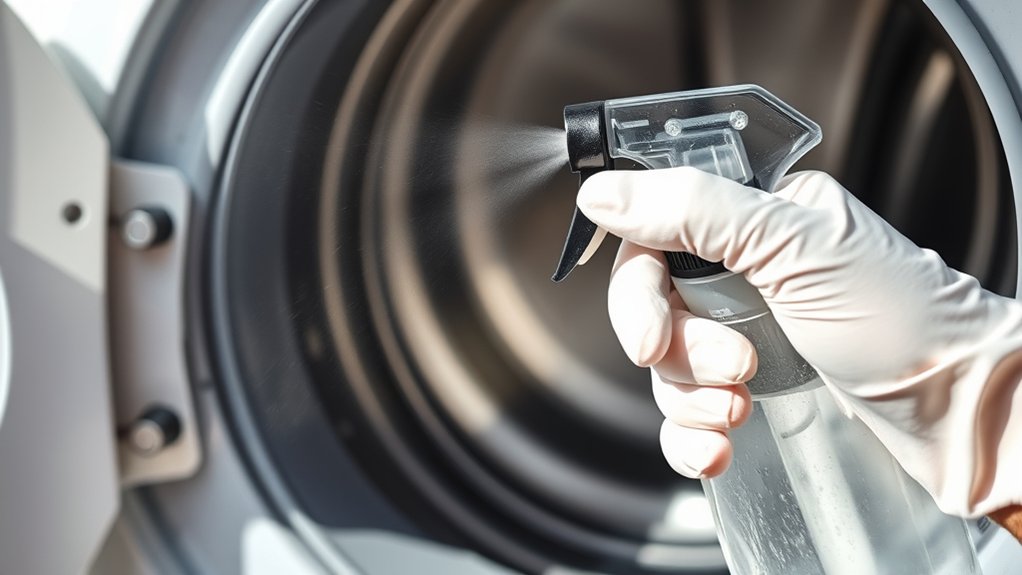
To clean black mold in your washing machine, start by checking the door seals, detergent drawers, and drum for any dark spots or musty smells. Wipe those areas down with a mix of diluted bleach or natural cleaners like vinegar and baking soda.
Next, run a hot cleaning cycle and pause it halfway through to let the solution soak in. After the cycle finishes, leave the door open so everything can dry out properly.
Keeping up with daily wiping and making sure your machine is well-ventilated can really help stop mold from coming back. It’s also good to know when it’s time to call in an expert for a deeper clean. That way, you get lasting results without the hassle.
How To Identify Black Mold In Your Washing Machine
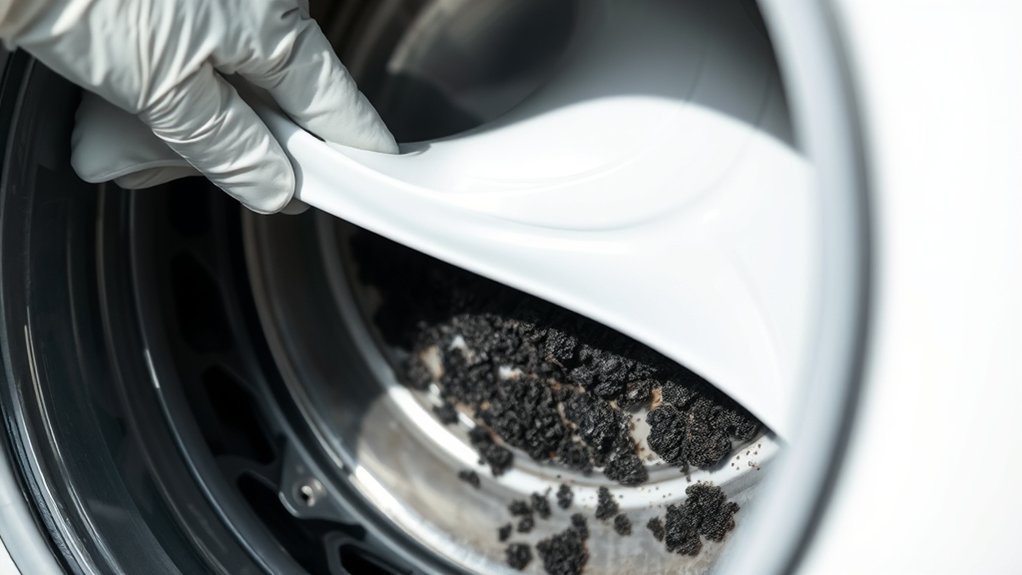
Although black mold can hide in hard-to-see spots, you can identify it by checking for dark, fuzzy, or slimy patches on the door seals, gaskets, or inside the drum of your washing machine. Look closely at the folds of rubber door seals and beneath detergent drawers, where black mold often thrives.
Check door seals, gaskets, and detergent drawers for dark, fuzzy patches where black mold often hides.
You might notice black spots paired with discoloration or residue buildup, which are clear signs of mold growth.
Pay attention to any persistent musty or mildew smell that lingers even after cleaning. Since black mold loves damp, dark environments, the moist interior of your washing machine creates the perfect breeding ground.
Regularly inspecting these areas helps you catch black mold early and prevent it from spreading further.
How To Choose Between Natural Solutions And Bleach For Mold Removal
When deciding how to tackle black mold in your washing machine, you’ll want to weigh the benefits of natural solutions against the strength of bleach. Natural options like vinegar and baking soda are eco-friendly, non-toxic, and safe for most machine parts.
Vinegar’s acetic acid effectively dissolves mold and residue, making it ideal for regular maintenance.
Bleach is a powerful disinfectant that kills mold spores fast but can damage or discolor components if misused. If mold is light, natural solutions usually suffice.
For heavier infestations, bleach might be necessary.
Always check your washing machine’s manufacturer guidelines. And if you choose bleach, use proper dilution and rinse thoroughly to avoid residue buildup.
This careful choice helps protect both your appliance and health.
Cleaning Mold From The Washer Gasket
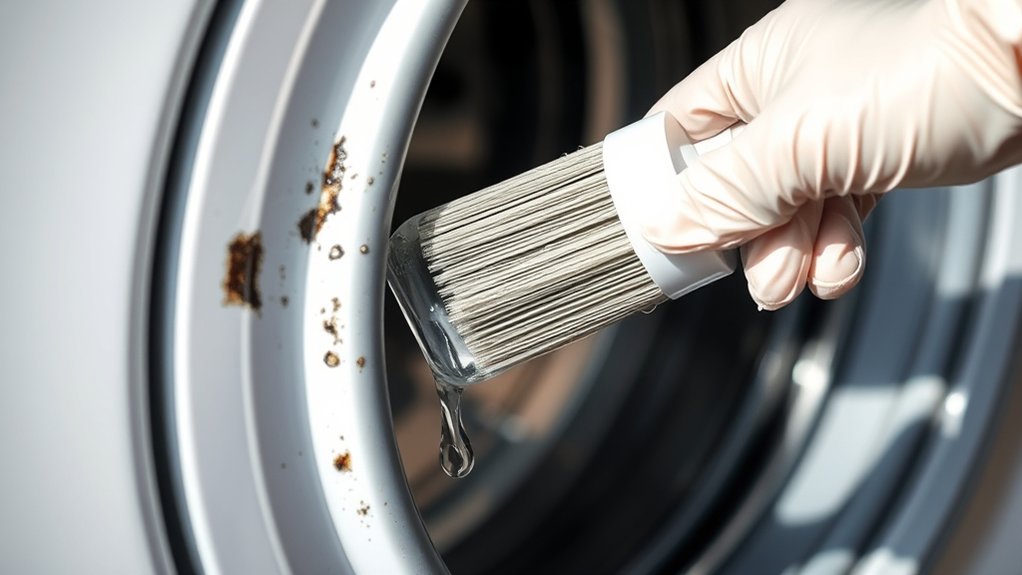
Since the washer gasket traps moisture and detergent residue, it becomes a hotspot for black mold growth. To clean it effectively, mix bleach with water or use a specialized all-purpose cleaner. Apply the solution to the gasket, focusing on the folds and seams where mold tends to hide.
Gently scrub with a soft cloth or sponge to remove mold and grime without damaging the rubber. After scrubbing, rinse the gasket thoroughly with warm water to wash away any leftover cleaning solution and mold spores.
To prevent mold from returning, make it a habit to wipe the gasket dry after each wash cycle and leave the washing machine door open. This simple routine keeps the gasket dry and mold-free, ensuring your washer stays clean and safe.
Cleaning Black Mold From The Drum, Detergent Drawer, And Filter
Start by running a hot water cycle with vinegar or bleach to kill mold in the drum.
After that, you can scrub any spots you see with a soft brush.
Next, take out the detergent drawer and soak it in warm, soapy water. This helps clear out any mold buildup that might be hiding there.
Finally, find the filter and give it a good rinse and scrub.
Once that’s done, run another rinse cycle to flush out any leftover spores.
Drum Mold Removal
Although black mold can stubbornly cling to your washing machine’s drum, you can effectively remove it by running a hot water cycle with two cups of white vinegar or a specialized cleaner. This process breaks down mold buildup and disinfects the drum.
After the cycle, wipe the drum’s interior with a soft cloth soaked in a mold-killing solution, paying attention to rubber seals where mold often hides.
Make sure you dry the drum thoroughly to prevent moisture, which encourages mold growth. Keep the drum mold-free by leaving the washing machine door open after each use to promote airflow.
Regularly running this cleaning cycle helps maintain a mold-free environment and keeps your machine fresh and safe for laundry.
Cleaning Drawer And Filter
When you clean the washing machine’s drum, don’t forget to tackle the detergent drawer and filter, as these areas can also harbor black mold. Start by removing the detergent drawer and soaking it in hot water mixed with vinegar or a mild all-purpose cleaner to loosen mold buildup. Use a soft-bristled brush or an old toothbrush to scrub all crevices and compartments thoroughly.
Next, remove the filter following the manufacturer’s instructions and rinse it under running water to eliminate mold spores and debris. Wipe down the area around the detergent drawer and filter slot with a cloth dampened with vinegar or a mold-safe cleaner to prevent future growth.
To keep your machine fresh, inspect and clean the detergent drawer and filter at least once a month. It’s a small step that makes a big difference in keeping your washer clean and smelling great.
Running Cleaning Cycles To Remove Mold Effectively
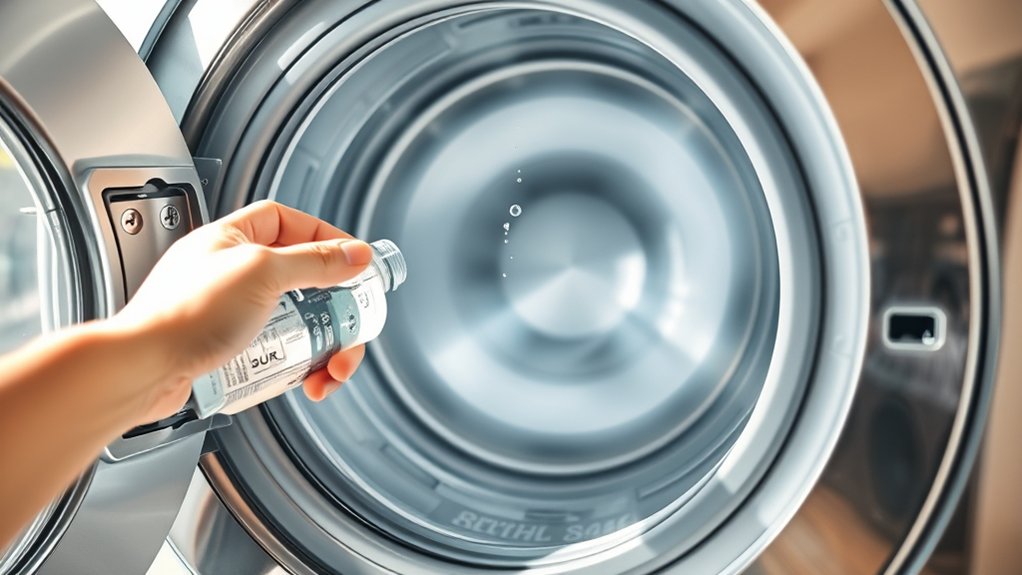
You’ll want to pick a strong cleaning agent, like white vinegar or a commercial cleaner.
Then, run your machine on the hottest cycle it has—ideally using a dedicated cleaning or maintenance setting.
It helps to pause the cycle halfway through so the solution can soak into those moldy spots for better results.
Once the cycle is done, leave the door open to let the drum air out and keep mold from coming back.
Choosing Cleaning Agents
Selecting the right cleaning agents plays an essential role in effectively removing black mold from your washing machine.
To clean your washing machine thoroughly, start with natural options like white vinegar and baking soda. Running a hot water cycle with one cup of vinegar dissolves mold, while adding half a cup of baking soda boosts cleaning power and neutralizes odors without harsh chemicals.
If you prefer stronger disinfecting, use a commercial washing machine cleaner designed to target mold and mildew. Alternatively, running an empty hot cycle with ¾ to 1 cup of bleach effectively kills mold spores and sanitizes the drum.
Choosing the right agent depends on your preference for eco-friendly solutions or maximum mold elimination. Either way, these options ensure your machine stays fresh and mold-free.
Optimal Cycle Settings
After choosing the right cleaning agents, focus on setting your washing machine to the most suitable cycle for mold removal. Always select the highest temperature available, typically a hot water cycle, to kill mold spores effectively.
Opt for a heavy-duty or longest cycle to give your cleaning agents ample time to break down mold buildup.
If your machine offers a sanitize or heavy wash setting, use it. These cycles are designed for deep cleaning and disinfecting.
Run the cycle empty, without laundry, to ensure the entire machine interior is thoroughly cleaned.
Incorporate a dedicated mold removal solution, like vinegar or bleach, during this process to target mold directly.
Following these cycle settings will maximize mold eradication and keep your washing machine fresh and safe.
Post-Cycle Maintenance
Though running a cleaning cycle might seem routine, doing it properly is essential for keeping mold at bay in your washing machine.
For effective post-cycle maintenance, run a hot water cycle with vinegar or bleach once a month. Always choose the longest and hottest cycle to maximize mold removal.
To enhance cleaning, pause the cycle mid-way for 30 minutes. This lets the cleaning agents penetrate moldy surfaces thoroughly before finishing.
After the cycle ends, leave the door open to let the drum dry completely, reducing moisture that encourages mold growth.
Regularly performing these steps in your post-cycle maintenance routine not only keeps mold away but also preserves your machine’s performance.
It ensures a clean, safe laundry environment every time you wash.
Daily Maintenance Habits To Prevent Mold Growth
Because moisture encourages mold growth, you should leave your washing machine door and detergent drawer open after each use. This lets air circulate and dry out the interior. Good air circulation helps prevent dampness where mold thrives.
Make it a habit to wipe down door seals, gaskets, and detergent compartments with a dry cloth daily to remove leftover moisture.
Also, opt for powder or pod detergents instead of liquid ones. They reduce residue buildup inside the machine.
Once a week, run a high-temperature cleaning cycle to kill any mold spores developing out of sight.
And don’t forget to keep your laundry room well-ventilated by opening windows or using exhaust fans. This helps lower humidity.
These simple daily maintenance habits work together to keep mold from taking hold in your washing machine. Give them a try and you’ll notice the difference!
When To Call Professionals For Mold Removal Help
If you find mold returning quickly despite your best cleaning efforts, it’s time to call in professionals. Persistent mold after multiple cleanings or mold spreading beyond the washing machine signals underlying issues.
When mold covers large surfaces, hides behind panels, or appears on walls, ceilings, or the basement near your washer, seek professional help promptly to avoid health risks. A musty odor that won’t go away despite thorough cleaning also suggests hidden mold growth requiring expert assessment.
Professional help can identify and address structural moisture problems causing recurring mold. Don’t wait until the mold worsens.
Contact mold removal experts early to assure safe, effective remediation and protect your home’s integrity.
Tips For Keeping Your Washing Machine Mold-Free Long Term
Taking steps to prevent mold growth in your washing machine can save you time and hassle in the long run. To keep your machine mold-free, follow these practical tips:
After each use, leave the door and detergent drawer open to promote air circulation and reduce moisture buildup. This helps prevent mold spores from settling.
Wipe down door seals, gaskets, and detergent compartments weekly with a dry cloth to remove any dampness that mold needs to thrive.
Run a deep cleaning cycle every 4-6 weeks using natural agents like vinegar and baking soda. These inhibit mold without the need for harsh chemicals.
Also, try to keep the humidity low in your laundry area. You can do this by improving ventilation or using a dehumidifier.
These simple steps create an environment where mold struggles to grow, keeping your washing machine fresh and safe.
Frequently Asked Questions
Can Mold in Washing Machines Cause Health Problems?
Yes, mold in washing machines can cause health problems. You might experience respiratory issues, allergies, or asthma symptoms from inhaling mold spores released during a wash cycle.
If you have sensitive skin, mold transferring onto your clothes can trigger rashes or irritation.
Prolonged exposure could lead to headaches or more serious lung conditions.
It’s important you clean mold promptly to protect your health and maintain good indoor air quality.
Keeping your washing machine mold-free helps you stay healthy and breathe easier.
Is It Safe to Use Vinegar for Mold Removal?
Yes, you can safely use vinegar to remove mold. Vinegar’s natural acidity kills mold spores effectively.
Since it’s non-toxic and eco-friendly, it’s a safer choice than harsh chemicals.
Just make sure you dilute it properly and use it in moderation.
Keep in mind, vinegar mightn’t eliminate deeply embedded mold, especially in rubber parts.
How Often Should Washing Machine Hoses Be Replaced?
You should replace your washing machine hoses every 3 to 5 years to avoid leaks and mold buildup. Check rubber hoses every few months for cracks, bulges, or mold near fittings. Swap them out right away if you spot any damage.
Using reinforced stainless steel hoses can last longer and resist mold better. Also, flushing hoses regularly with vinegar or a mold inhibitor helps keep them in good shape between replacements. It’s an easy way to extend their life and keep things running smoothly.
Can Washing Machine Mold Damage Clothes Permanently?
Yes, washing machine mold can damage your clothes permanently. Mold spores transfer onto fabrics, causing stains that won’t wash out. Over time, mold weakens fibers, making your clothes thin or prone to tearing.
It also causes musty odors that are tough to remove and can degrade elastic and dyes, leading to discoloration or loss of stretch. To protect your garments, clean your machine regularly and tackle mold as soon as you spot it.
What Are the Signs of Mold Inside the Washing Machine Vent?
You’ll notice a musty or mildew smell coming from your washing machine if mold’s inside the vent. Look for visible black or dark patches around the vent opening or behind the control panel. You might also see excessive lint or debris trapping moisture there.
Reduced airflow or longer drying times can signal possible blockages.
And if anyone in your household experiences allergy symptoms or respiratory issues, mold spores in the vent could be the cause.
Conclusion
Think of your washing machine as a garden. Without regular care, black mold can quickly take root. By spotting mold early and choosing the right cleaning method, you’ll keep things fresh and mold-free.
Make sure to clean the gasket, drum, drawer, and filter thoroughly. Run cleaning cycles regularly to keep mold at bay.
If mold sticks around, don’t hesitate to call a professional. With consistent attention, your washing machine will stay clean and reliable for years to come.