How Long Does A Dry Clean Take – Time Guide
A typical dry clean takes between 24 to 72 hours depending on your garment type, fabric, and any stains or repairs involved. Delicate fabrics, layered items, and specialty pieces like leather or wedding gowns often require extra time, sometimes up to two weeks. Busy seasons and equipment limits can extend processing too.
If you need it faster, express services offer same-day or next-day options for many common items. Understanding these factors helps you better plan your dry cleaning needs.
How Long Does Dry Cleaning Usually Take for Common Garments?
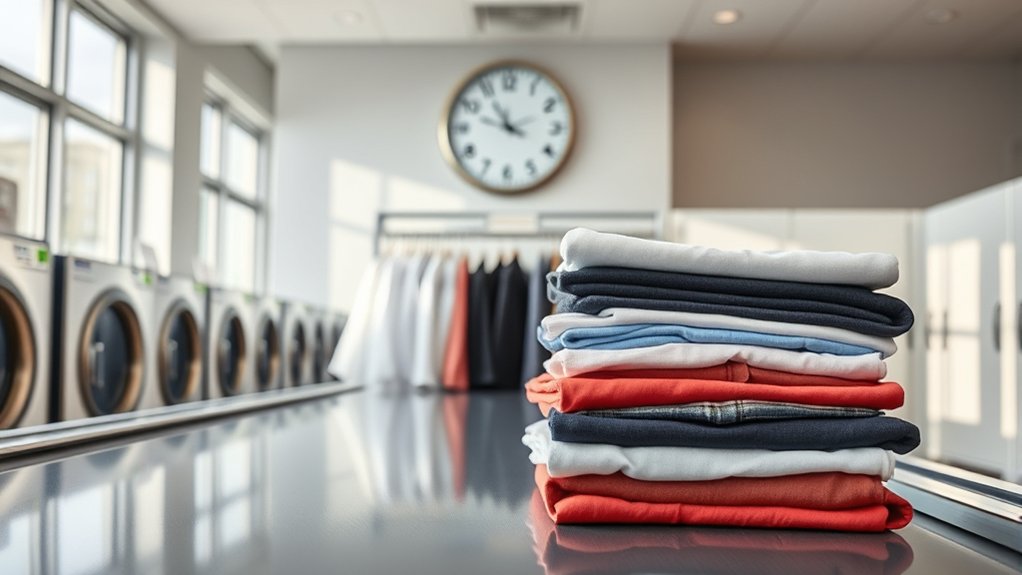
When you bring in common garments like shirts and trousers for dry cleaning, you can generally expect them to be ready within 24 to 48 hours. The dry cleaning process is designed for efficient turnaround time while ensuring professional care, especially in treating stains and preserving delicate fabrics.
Garments like standard suits usually take between 24 to 72 hours, depending on fabric and complexity. Cleaning times can vary slightly with busy periods, which might extend pickup and delivery schedules a bit.
The key is that each garment receives tailored attention to remove stains without damaging its fibers. Understanding these timelines helps you plan accordingly, making sure your clothes come back promptly and in pristine condition without compromising quality or care during dry cleaning.
How Fabric Type and Garment Complexity Affect Dry Cleaning Time
You’ll find that delicate fabrics like silk need gentler solvents and slower drying, which means the cleaning takes a bit longer.
Plus, when garments have complex construction or stubborn stains, they usually require extra handling and pre-treatment, adding more time to the process.
Fabric Sensitivity Impact
How does the type of fabric influence the time your garment spends in the dry cleaner’s care? Fabric sensitivity plays a critical role in determining dry cleaning duration.
Delicate fabrics demand gentle solvents and a slower drying process, which means the cleaning takes longer.
Meanwhile, heavier materials need more time to dry because they hold more moisture and have a dense fiber structure.
On top of that, the complexity of the garment also affects how long it takes to handle.
Consider these factors:
- Delicate fabrics like silk and lace need special care with pre-treatment and slower drying to keep them safe.
- Heavier fabrics such as wool and denim take longer to dry because of their fiber makeup.
- Complex garments with multiple layers or embellishments require extra inspection, cleaning, and finishing time, often adding 1-2 days.
Knowing the type of fabric and its sensitivity helps you set realistic expectations for how long your dry cleaning will take.
Stain Complexity Effects
Although fabric type and garment complexity already influence dry cleaning time, stain complexity can considerably extend the process. When you deal with stubborn stains, especially on delicate fabrics like silk or lace, the cleaning duration increases due to necessary gentle pre-treatment methods.
Complex garments, such as lined suits or embellished coats, require careful inspection to identify all stains and appropriate stain removal techniques. Items with beads or glued elements demand extra caution to prevent damage, further lengthening the process.
The more intricate the garment and the tougher the stains, the more time your dry cleaner needs to ensure thorough, safe stain removal without compromising fabric integrity.
Understanding stain complexity helps you anticipate longer cleaning durations for heavily soiled or delicate items.
Garment Construction Time
Stain complexity often demands extra care, but garment construction plays an equally significant role in determining dry cleaning time. The fabric type and garment complexity directly affect processing speed and turnaround time.
Delicate fabrics like silk require gentler solvents and slower drying, which can extend the cleaning time.
Heavy garments such as lined coats need thorough cleaning and pressing, and that also adds time. Plus, intricate garment construction often calls for special handling to avoid damage. So, it’s not just about the stain; how the garment is made really matters too.
Consider these factors affecting cleaning time: delicate fabrics needing slow drying and gentle solvents. Heavy garments with dense fabric increase drying and pressing duration. Embellished or glued elements require careful hand cleaning and finishing.
Understanding these influences helps you set realistic expectations for your garment’s dry cleaning turnaround time. It’s all about knowing what your clothes need so they come back looking their best.
How Stains and Repairs Impact Dry Cleaning Turnaround Time
When your garment has stubborn or complex stains, expect the dry cleaning process to take longer than usual. Stains like grease or oil often need specialized treatments and multiple pre-treatment steps. That can really extend the turnaround time.
If your item is heavily soiled, it usually demands extra cleaning cycles. This can cause a delay of 1 to 3 days in processing.
Repairs and additional services such as mending or patching also add time. Sometimes this means several days beyond the standard schedule.
Dry cleaners may prioritize or batch stained and repaired items differently. This can further impact your garment’s timeline.
Understanding how stains and repairs affect turnaround helps set realistic expectations. It also guarantees your clothes receive the detailed care they need for the best results.
How Peak Seasons and Busy Periods Delay Your Dry Cleaning

When peak seasons roll around, your dry cleaner suddenly gets flooded with orders. This puts a lot of pressure on both the staff and the machines they use.
Because of this, delays happen more often than usual. The team is really trying their best to keep up, but with so much to handle and limited resources, things can slow down.
Knowing this can actually help you plan ahead. If you avoid waiting until the last minute during these busy times, you’ll likely save yourself some stress and get your clothes back on time.
Increased Order Volumes
Why do your dry cleaning orders take longer during certain times of the year? During peak seasons and busy periods, dry cleaners face a surge in order volume, which extends turnaround times considerably.
The increased demand creates processing delays as garments are often batched for efficiency, slowing individual orders. To manage peak demand, scheduling early drop-offs is essential. Also, opting for express service can help reduce waiting times.
Here’s what impacts your dry cleaning time during these periods:
- Large batches of garments processed simultaneously extend individual cleaning times.
- Peak seasons like coat season increase workload, causing delays up to 72 hours.
- Early scheduling and express service can mitigate delays caused by high order volume.
Understanding these factors helps you plan better and avoid surprises.
Staffing And Equipment Constraints
Although increased order volumes markedly impact dry cleaning turnaround times, staffing shortages and equipment limitations play an equally crucial role during peak seasons. You’ll notice that staff shortages slow key tasks like sorting, cleaning, and finishing, reducing overall efficiency. Staffing limitations, especially around holidays and weekends, further exacerbate turnaround delays.
Meanwhile, equipment maintenance and machine downtime decrease processing capacity, forcing your garments into batching cycles due to limited machine availability. This batching extends processing times, as fewer machines handle higher loads.
Together, these factors create bottlenecks that considerably delay your dry cleaning.
Understanding how staffing and equipment constraints interact during busy periods helps you anticipate longer wait times and plan accordingly. This way, you can ensure a smoother dry cleaning experience despite peak season pressures.
How Express Dry Cleaning Shortens Your Turnaround Time
How quickly do you need your garments cleaned and ready to wear? Express dry cleaning offers a quick turnaround by notably shortening your turnaround time through priority service.
Need your garments cleaned fast? Express dry cleaning speeds up turnaround with priority service for quick results.
With same-day service or next-day options, express dry cleaning expedites handling by prioritizing your items in the dry cleaning cycle and reducing processing time.
Keep in mind, not all garments qualify, so confirming eligibility is key.
Benefits of express dry cleaning include:
- Priority service that accelerates each dry cleaning cycle
- Expedited handling via dedicated equipment or scheduling
- Suitable for common items like shirts, casual dresses, and suits
Dry Cleaning Times for Suits, Dresses, and Wedding Gowns Compared
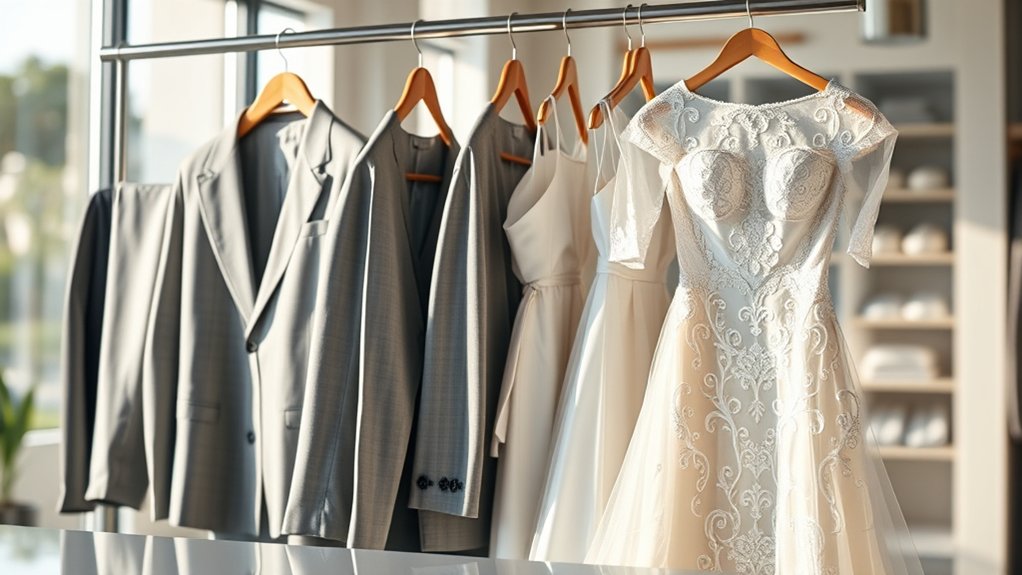
Express dry cleaning can considerably speed up the process for suits and dresses, but when it comes to wedding gowns, the timeline shifts considerably. For suits, dry cleaning times usually range from 1 to 3 days, influenced by fabric type and complexity.
Dresses take about 1 to 2 days for casual styles, while delicate or embellished dresses require up to 4 days. Wedding gowns demand a much longer processing time, typically 1 to 2 weeks, due to intricate details and more intensive stain removal.
The turnaround for gowns is extended because of their delicate fabrics and the meticulous care needed. While express services are common for suits and dresses, wedding gowns often require standard or longer processing, reflecting their complexity and the precision involved in cleaning them properly.
Why Leather, Suede, and Specialty Items Take Longer to Clean
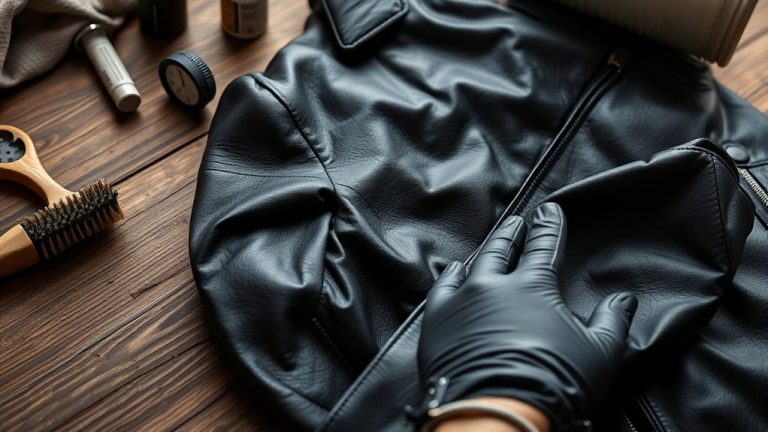
Because leather, suede, and specialty items require delicate handling and specialized cleaning methods, they take considerably longer to dry clean than standard garments. These materials demand gentle solvents and slow drying techniques to protect their fibers and maintain integrity.
Leather, suede, and specialty items need gentle cleaning and slow drying to preserve their quality.
Unlike typical machine cleaning, leather and suede often undergo hand cleaning or limited machine use, extending processing times.
Specialty items may also need conditioning or rehydration treatments, adding to the duration. Repairs requested on these items further increase turnaround time.
Key reasons for longer cleaning times include:
- Use of gentle solvents tailored for delicate leather and suede
- Slow drying methods to prevent cracking or distortion
- Additional conditioning and repairs to restore specialty items
Knowing this helps you set realistic expectations for your dry cleaning. It’s all about protecting your special pieces and making sure they last.
Drying, Pressing, and Final Quality Checks Before Pickup
While drying times depend on the garment’s fabric and soil level, the process plays a critical role in preserving its shape and texture. Drying can take anywhere from a few hours for lightweight items to up to a week for delicate items like wedding dresses.
After drying, pressing and the finishing process restore garments to their original appearance. This often requires 30 minutes to several hours depending on fabric complexity.
You’ll notice that final inspection and quality checks guarantee no stains are missed, shapes are correct, and buttons or trims are secure. This adds about 15 to 30 minutes.
This meticulous garment care is essential to maintain quality without damage and influences the overall turnaround time.
Together, these steps guarantee your clothes look perfect before pickup.
Dry Cleaner Storage and Pickup Timeframes Explained
Although most garments are ready for pickup within one to two days after cleaning, understanding dry cleaner storage policies is essential to maintaining your clothing’s condition.
Most garments are ready in one to two days, but knowing storage policies ensures your clothes stay in top condition.
Professional cleaners follow strict garment inspection and cleaning processes to guarantee quality, but storage durations typically range from 30 to 90 days.
Knowing dry cleaning turnaround and pickup timeframes helps you avoid fabric damage or pest issues.
For ideal garment preservation, consider these points:
- Garments are stored using breathable garment bags, padded hangers, and acid-free tissue to maintain quality.
- Scheduling a timely pickup prevents deterioration caused by prolonged storage beyond recommended periods.
- Most dry cleaning turnaround depends on workload but usually falls within one to two days post-cleaning.
Frequently Asked Questions
What Chemicals Are Used in the Dry Cleaning Process?
You’ll find several chemicals used in dry cleaning, primarily solvents like perchloroethylene (PERC), hydrocarbon solvents, and GreenEarth.
PERC is effective but toxic, while hydrocarbon solvents offer a gentler, less toxic alternative. They can take longer, though.
GreenEarth uses liquid silicone, which is eco-friendly, odorless, and safe for delicate fabrics.
Depending on your garment and stains, cleaners choose the solvent that balances cleaning power with environmental and fabric safety. It’s all about finding the right fit for the job.
Is Dry Cleaning Safe for All Types of Fabrics?
Dry cleaning isn’t safe for all fabrics. You can trust it with most silks, wools, and synthetics if done professionally. However, be cautious with delicate items like lace, beaded garments, or antiques. They need special care.
Avoid dry cleaning glued or heavily embellished pieces, as solvents might damage adhesives.
Always check your garment’s care label and consult your dry cleaner to verify the method suits your fabric and protects your clothes properly. It’s always better to be safe than sorry!
How Should I Prepare My Clothes Before Dry Cleaning?
You should check care labels for fabric type and special instructions before drop-off.
Empty all pockets and remove accessories like belts or pins to avoid damage.
Point out any stains, mentioning their age and cause, so cleaners can target them effectively.
Let the cleaner know if you’ve pre-washed or treated the garment.
Finally, remove loose threads or damage and sort clothes properly to streamline the cleaning process.
It really helps make sure everything gets the right attention.
Can Dry Cleaning Remove All Types of Stains?
Dry cleaning can’t remove all stains completely, especially old or stubborn ones like ink or dye transfers. But don’t worry. You’ll find it’s excellent for oil-based stains like grease or makeup.
Protein stains, such as blood or sweat, often need special pre-treatment to come out fully. Water-soluble stains like coffee usually respond well.
Though some might require extra cleaning cycles.
What Are the Environmental Impacts of Dry Cleaning?
You should know dry cleaning can release harmful chemicals like perchloroethylene, which pollutes air and water, posing health risks. If wastewater isn’t handled properly, it contaminates soil and aquatic ecosystems.
While eco-friendly solvents reduce these impacts, they mightn’t clean as thoroughly. Regulations now push for safer solvents and better waste management.
Conclusion
So, you’d think dry cleaning is a quick spin in a fancy machine, right? Not quite. Depending on fabric, stains, repairs, and even the season, your favorite suit or wedding gown can take anywhere from a few hours to several days.
But hey, patience is part of the price for perfect pressing and pristine results. Next time, don’t be surprised if your “quick clean” stretches into a mini wait. You’re actually getting expert care behind the scenes.