How Do People Dry Clean – Explained
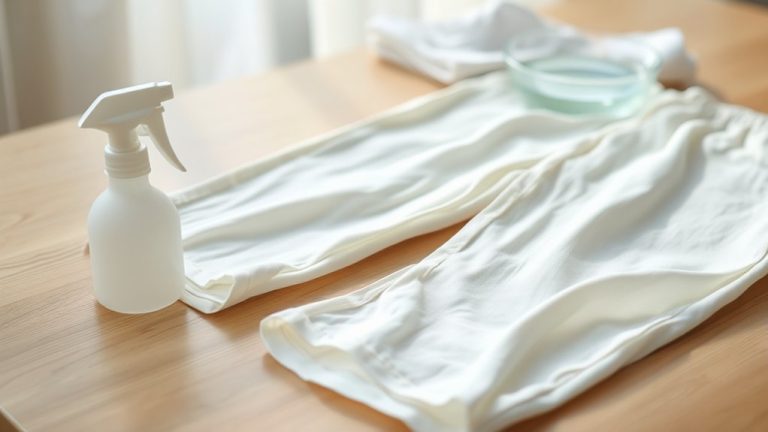
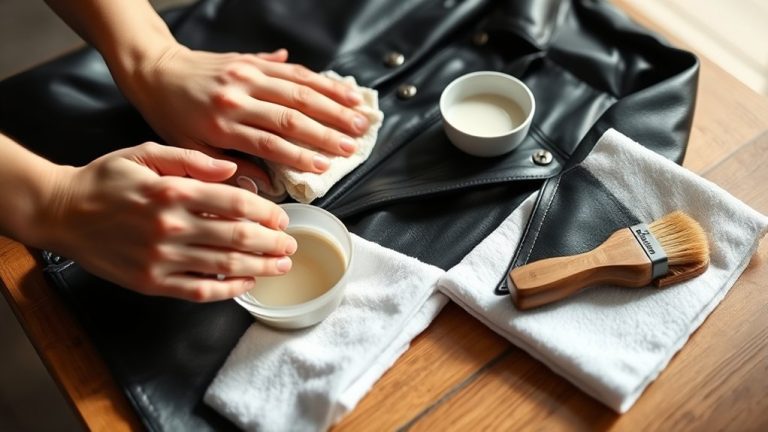
When you dry clean, your garments are first tagged and inspected to identify the fabric type and stains. Specialized solvents like perchloroethylene or eco-friendly alternatives dissolve dirt without causing water damage. Stains are pre-treated with targeted solutions.
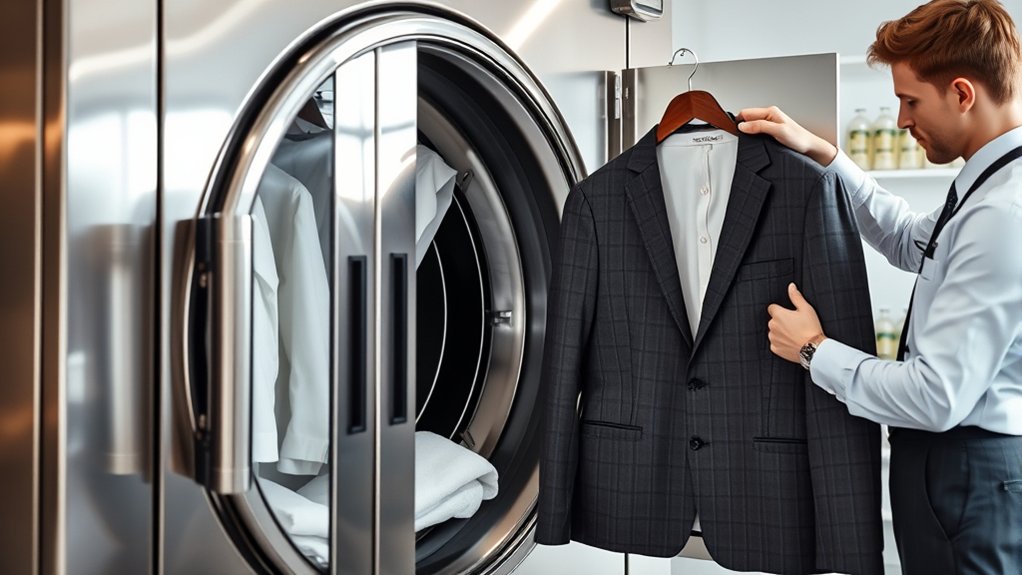
Then, clothes go through a solvent cycle inside machines that filter and recycle the cleaning agents. After the solvent is extracted and the clothes are dried, garments are carefully inspected, pressed, and deodorized to restore their appearance.
Understanding these meticulous steps helps you see how dry cleaning preserves your delicate fabrics so effectively. It’s pretty neat how each part plays a role in keeping your clothes looking their best!
What Is Dry Cleaning and Why Use It
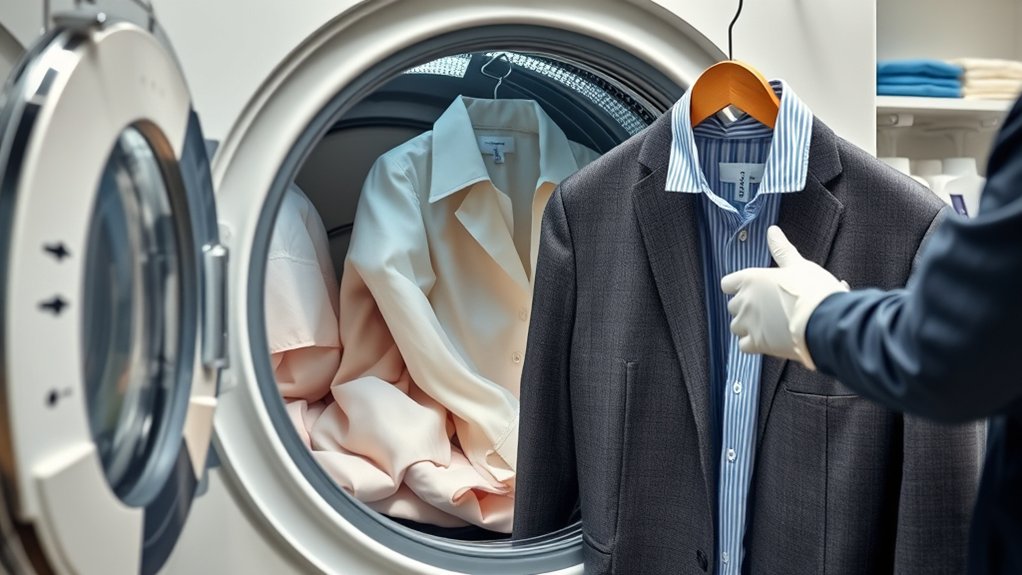
What makes dry cleaning different from traditional laundering? Dry cleaning uses specialized cleaning solvents instead of water, protecting delicate fabrics like silk, wool, and embellished garments from damage caused by water and agitation.
This dry cleaning process begins with professional dry cleaners inspecting and pre-treating stains to guarantee effective stain removal. The garments then undergo cleaning in machines designed to circulate solvents such as perchloroethylene or eco-friendly silicone-based alternatives.
These cleaning solvents dissolve oils and soils without shrinking or distorting the fabric. By avoiding water, dry cleaning maintains garment integrity and extends fabric life.
The process concludes with careful pressing or steaming, completing precise garment care. You rely on dry cleaning to safely refresh delicate items that traditional laundering can harm.
How Garments Are Tagged and Inspected Before Cleaning
When you drop off a garment, it gets tagged with a unique ID or barcode. This helps track it throughout the cleaning process.
You’ll also notice an initial inspection where they check the fabric type, look for stains, and spot any damages.
At the same time, they review the care labels to choose the right solvent for cleaning.
They also take extra care by wrapping any embellishments with tissue paper. This protective step helps prevent damage during cleaning.
Unique Garment Identification
Before the cleaning process starts, each garment receives a unique identification tag, either a number or barcode, that guarantees precise tracking throughout its journey. This tagging system ensures you can monitor each item’s status with accuracy.
During garment inspection, specialists examine fabric type, stains, and garment labels to confirm care instructions. This helps prevent damage during cleaning. The unique identification links to the cleaning history and specific care needs, allowing for tailored treatment.
Protective coverings or garment bags are used to safeguard delicate areas or embellishments.
This rigorous inspection, combined with barcode tracking, integrates smoothly into the cleaning process. It keeps accountability clear and makes sure each garment is handled properly from drop-off to return.
You can rely on this systematic approach to preserve garment integrity and get the best cleaning results every time.
Pre-Cleaning Stain Assessment
How do dry cleaners guarantee every garment receives the right treatment? Upon drop-off, each garment is tagged with a unique identifier to assure accurate tracking.
During inspection, trained specialists conduct a thorough stains assessment, examining the fabric type and care label to determine appropriate cleaning protocols.
They document visible stains meticulously and apply targeted pre-treatment to enhance stain removal effectiveness. This precise inspection ensures solvents and methods align with the garment’s specific fabric and stain characteristics.
The initial pre-cleaning stain assessment prevents damage and maximizes cleaning results by tailoring the process to each item’s needs.
By combining detailed inspection with strategic pre-treatment, dry cleaners optimize stain removal while preserving fabric integrity throughout cleaning. This step is essential before proceeding with the cleaning cycle.
It’s all about making sure every piece gets just the right care from the very start.
Embellishment Protection Measures
Following a detailed stain assessment, each garment receives a unique identification tag to maintain accurate tracking throughout the cleaning process. You must carefully inspect embellishments, trims, and delicate details to determine special handling needs.
Protective coverings like tissue paper or plastic shields are applied to safeguard these areas during cleaning. Stains near embellishments undergo precise pre-treatment with specialized solutions to prevent damage.
After cleaning, the final inspection ensures trims and embellishments remain intact before pressing and return.
| Step | Purpose | Method |
|---|---|---|
| Tagging | Tracking and identification | Unique ID tags |
| Protective Coverings | Prevent damage to trims and details | Tissue or plastic shields |
| Pre-Treatment | Safeguard embellishments near stains | Specialized stain solutions |
How Stains Are Pre-Treated in Dry Cleaning
Why does stain pre-treatment play a crucial role in dry cleaning? Before the cleaning cycle, you inspect garments to identify stains and select the appropriate solvent or chemicals.
Stain pre-treatment involves applying specialized solutions directly to stains, targeting oils, dyes, or proteins embedded in the fabric.
You use techniques like blotting, spraying, or spot treatment to guarantee effective penetration and breakdown of stubborn or oily stains.
If multiple stains or complex stain types exist, garments receive additional pre-treatment with tailored chemicals.
This precise approach prevents stain re-deposition during cleaning and enhances overall removal efficiency.
By addressing stains prior to the main process, you optimize solvent action in the cleaning cycle.
This ensures garments emerge cleaner and undamaged. It’s all about giving those tough stains the best possible chance to come out.
How Dry Cleaning Machines Clean Clothes
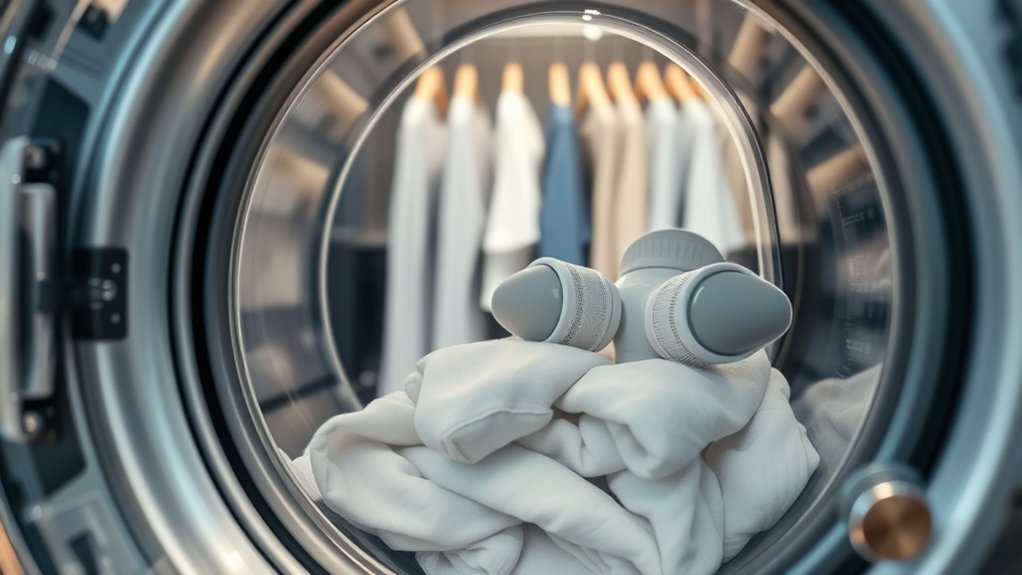
You begin by tagging and inspecting each garment to make sure it’s handled properly throughout the entire process.
After that, the machine runs a solvent cleaning cycle. This cycle gently agitates the clothes while filtering and recycling the solvent to remove any contaminants.
Finally, the system finishes up by extracting the excess solvent, drying and deodorizing the clothes.
Before returning your items, it performs a thorough inspection to ensure everything is just right.
Tagging And Inspection
Before your clothes enter the dry cleaning machine, each garment gets tagged with a unique identifier to track it throughout the entire process. This tagging guarantees accurate garment tracking and proper identification.
An initial inspection assesses garment condition, identifies stains, and determines the cleaning method. This step is vital for quality control and helps prevent mix-ups.
The tags remain attached during cleaning to maintain identification integrity.
Key points of the tagging and inspection process include:
- Unique tagging for each garment ensures precise tracking
- Thorough inspection identifies stains and fabric conditions
- Pre-treatment of stains applied as necessary before cleaning
- Tags stay on to guarantee correct garment return
- Inspection and tagging uphold quality control standards
You can trust this meticulous process to safeguard your garments during dry cleaning.
Solvent Cleaning Cycle
Although the tagging and inspection set the stage, the solvent cleaning cycle is where the actual stain and soil removal happens. You place garments in a rotating drum where non-polar solvents dissolve oily soils. During this cycle, solvents undergo continuous filtering and distillation to remove impurities and keep cleaning efficiency high.
The whole process lasts between 3 to 15 minutes, depending on the fabric and how dirty it is. After that, garments go through a high-speed spin at 350 to 450 rpm to pull out any leftover solvent without damaging the fabric. Finally, warm air dries the garments, evaporating any remaining traces of solvent.
| Step | Description |
|---|---|
| Solvent Injection | Non-polar solvents introduced |
| Soil Removal | Dissolving and removing dirt |
| Filtering & Distillation | Purifying solvent continuously |
| High-Speed Spin & Drying | Extracting solvent and evaporation |
Post-Cleaning Finishing
Once the cleaning cycle finishes, the garments undergo a meticulous final inspection to verify stain removal and fabric integrity.
You’ll notice the pressing, steaming, and finishing steps restore each piece’s original shape and smooth out wrinkles effectively.
Specialized equipment often uses finishing forms that maintain shaping while aligning seams perfectly.
Deodorizing follows through aeration, where cool air and activated carbon filters eliminate residual solvent odors.
This all-encompassing process guarantees your clothes return in pristine condition.
Key post-cleaning finishing steps include:
- Conducting a detailed final inspection for stains and fabric damage
- Pressing and steaming garments to smooth wrinkles
- Using finishing forms to preserve garment shaping
- Aligning seams and securing buttons or embellishments
- Deodorizing via aeration to remove solvent odors
Second Inspection in Dry Cleaning
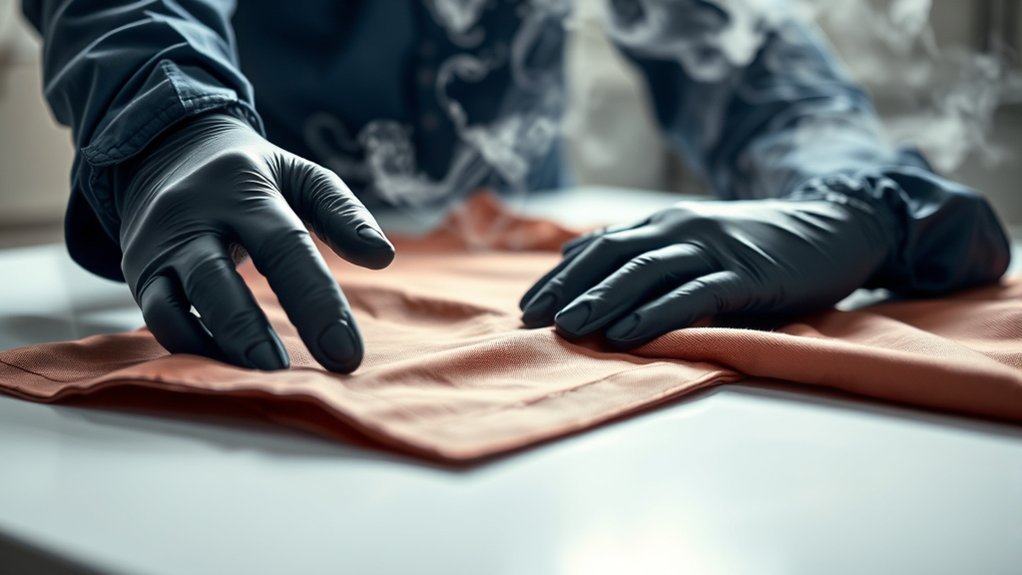
How do dry cleaners guarantee every garment meets their quality standards before returning it to you? They perform a second inspection right after the dry cleaning process, once the garments are cleaned and dried. During this quality control step, they carefully check each garment for any leftover stains and make sure the fabric is still in good shape.
They also look at how the garment has been finished, confirming that pressing and steaming meet the required standards. This inspection helps catch any lingering issues like missed stains, wrinkles, or fabric flaws so they can fix them quickly.
Finishing Garments: Pressing and Steaming
After cleaning, dry cleaners press or steam garments to get rid of wrinkles and bring back their original shape. Pressing uses heated irons or form finishers to create a crisp, smooth surface. On the other hand, steaming uses controlled hot vapor to relax fibers and refresh fabrics.
This finishing step makes sure garments regain their intended shape without harming the fabric. You’ll also notice an inspection and touch-up phase to guarantee a pristine presentation before your garments come back to you.
Taking good care of garments during finishing not only makes them look better but also helps them last longer. Some key things to keep in mind include using precise temperature control during pressing, applying steam to relax fabric fibers, and monitoring fabric type to avoid damage.
There’s also touch-up finishing to remove any leftover wrinkles, plus an inspection to maintain garment shape and integrity. Overall, this technical process strikes a balance between removing wrinkles and preserving the fabric.
Common Dry Cleaning Solvents and Their Effects
Which solvents do dry cleaners rely on to tackle various stains without damaging fabrics? The dry cleaning industry primarily uses perchloroethylene (perc). It’s effective but considered a probable carcinogen.
Hydrocarbon solvents serve as more eco-friendly alternatives, though they’re flammable. Liquid silicone (D5) is marketed as eco-friendly, but it’s environmentally persistent and faces EU restrictions post-2026.
Emerging solvents like glycol ethers and liquid CO₂ reduce toxicity but need specialized equipment. Here’s a concise solvent comparison:
| Solvent | Advantages | Environmental Impact |
|---|---|---|
| Perchloroethylene | Effective on oil stains | Probable carcinogen, persistent |
| Hydrocarbon | Eco-friendly alternative | Flammable, lower toxicity |
| Liquid Silicone | Eco-friendly marketing | Persistent, potential ban |
| Glycol Ethers | Reduced toxicity | Requires special machinery |
| Trichloroethylene | Obsolete, phased out | Highly toxic, environmentally harmful |
Eco-Friendly and Alternative Dry Cleaning Methods
Why consider eco-friendly dry cleaning methods? They minimize environmental and health risks by replacing traditional, toxic solvents with safer alternatives. You’ll find several innovative, environmentally friendly options.
Silicone-based solvents like GreenEarth break down into sand, water, and CO₂, which helps reduce pollution. Liquid carbon dioxide cleaning uses high-pressure chambers to recycle CO₂, offering a non-toxic and sustainable process.
Silicone solvents break down naturally, while liquid CO₂ cleaning recycles carbon dioxide for a sustainable, non-toxic process.
Hydrocarbon solvents such as DF-2000 are less flammable and more eco-friendly than perchloroethylene.
Wet cleaning uses water with precise controls, so it gets rid of harmful chemicals. Keep in mind, many alternative methods need specialized equipment and trained staff to work effectively and meet regulations.
It’s definitely worth considering if you want a greener clean.
Tips for Getting the Best Dry Cleaning Results
When you want the best dry cleaning results, start by carefully checking your garment’s care label for the specific instructions, typically marked by a circle symbol.
Always inform your dry cleaner about any stains and their origins to enable targeted stain removal.
Avoid using home detergents on dry-clean-only fabrics, as improper solvents can damage delicate fabrics.
Make sure to communicate any special fabric details or embellishments so the professionals can use the right protection for your garment.
After cleaning, take a moment to inspect your clothes for any leftover stains, wrinkles, or damage before you leave the cleaner.
This careful attention helps ensure the solvents and cleaning methods match your garment’s needs perfectly. It preserves the fabric’s integrity and appearance.
Following these steps will give you the best cleaning results and help your clothes last longer.
Frequently Asked Questions
How Long Does the Dry Cleaning Process Usually Take?
The dry cleaning process usually takes about 1 to 3 hours, depending on your garment’s complexity and the service provider. Standard cycles last 1 to 2 hours, covering inspection, cleaning, and finishing.
If your clothes need stain pre-treatment or special handling, expect extra time.
Express services can complete it within 2 to 4 hours.
Multiple cleaning cycles or special treatments can extend the overall duration further. So, it really depends on what your clothes need and how quickly you want them back.
Can Dry Cleaning Remove All Types of Odors?
You can’t always erase every stubborn scent, like trying to wipe away a shadow at dusk. Dry cleaning removes many odors, such as smoke, mildew, and food smells, using specialized solvents that penetrate fabric fibers.
However, deeply embedded or oily odors may resist a single treatment and might need multiple cycles or pre-treatment.
Is Dry Cleaning Safe for All Colors and Fabrics?
Dry cleaning is generally safe for most colors and fabrics, but you need to be cautious with delicate materials like silk or wool. These require gentle solvents and low agitation to keep them looking their best.
Bright colors usually stay vibrant since dry cleaning solvents don’t strip dyes. However, fabrics with special finishes or trims, such as sequins, might get damaged.
Always check care labels and make sure to tell your dry cleaner about the fabric types and colors. This way, you can avoid color bleeding or any damage to your clothes.
How Should I Store Dry Cleaned Clothes at Home?
You should store dry cleaned clothes in a cool, dry, and well-ventilated space to prevent mold and moisture buildup.
Use breathable garment bags instead of plastic to maintain air circulation and protect fibers.
Hang garments on padded or wooden hangers to preserve shape and avoid creasing.
Keep them away from direct sunlight and heat sources, as these can cause fading and fabric damage.
Avoid humid areas to preserve fabric integrity over time.
This way, your clothes stay fresh and looking their best for longer.
What Should I Do if My Garment Is Damaged During Dry Cleaning?
If your garment is damaged during dry cleaning, first document the damage thoroughly with clear photos and detailed notes.
Notify the dry cleaner in writing promptly, including evidence and the garment’s care label.
It’s a good idea to review their liability policy so you understand what kind of coverage you have.
You should also request a formal inspection to determine the cause of the damage.
If the damage seems severe or unusual, consider consulting a textile expert.
They can provide an assessment and suggest potential repair options to help protect your garment’s value.
Conclusion
When you trust your garments to dry cleaning, you’re entrusting a precise blend of science and care. Each step, from tagging to pressing, is designed to protect fabric integrity while removing stubborn stains. Think of the process like a well-oiled machine where every detail matters.
By understanding solvents and eco-friendly alternatives, you can make smarter choices. Follow tips closely, and your clothes will come back looking sharp, fresh, and ready to impress.