How To Clean Diaper Out Of Washing Machine – Guide
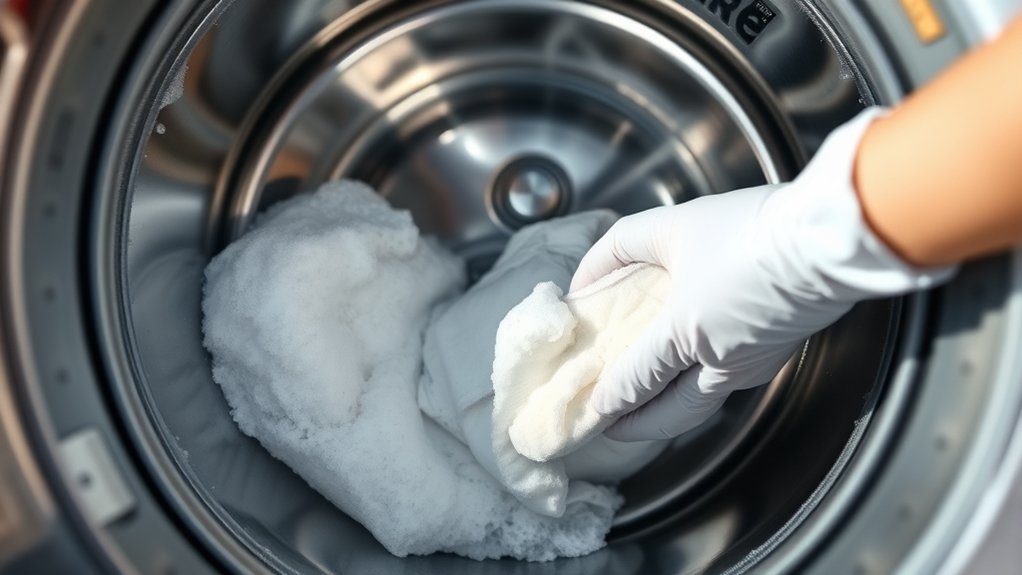
To clean diaper gel out of your washing machine, first spot and remove visible gel chunks and lint from the drum, gasket, and detergent drawer. Use gloves and a flashlight to make sure you get everything.
Then, shake and dry clothes outside to help dislodge any residue. After that, run a hot water cycle with salt or vinegar to break down leftover gel.
Don’t forget to vacuum the laundry area to clear any stray beads. Keep the door open afterward to air out the machine and prevent odors.
Following these steps guarantees a clean washer. Here’s how to maintain it over time.
How To Spot Diaper Gel And Lint Residue In Your Washer
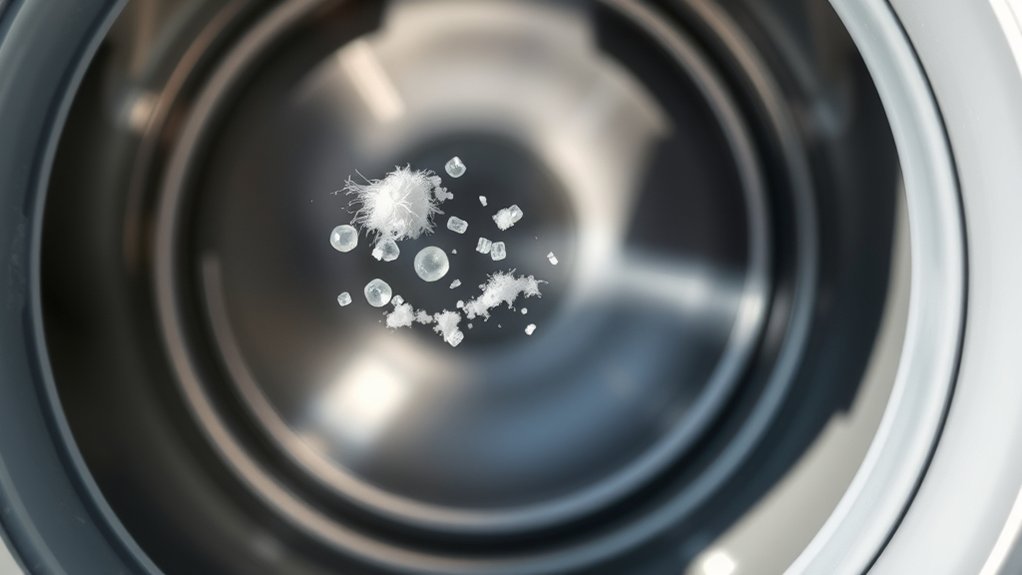
How can you tell if diaper gel or lint residue is lingering in your washing machine? Start by inspecting the drum and rubber gasket for sticky, fuzzy particles. Diaper gel often appears as transparent or slightly cloudy beads on clothing and washer surfaces.
Lint residue from diapers tends to cling to dark clothes, showing up as visible fuzz or small beads after washing. Check the washer’s door seal, detergent drawer, and any crevices for lodged gel or lint, especially if you haven’t cleaned the machine recently.
Spotting scattered gel beads or fuzzy lint inside the drum or on clothes means diaper residue dispersed during the wash cycle. Identifying these signs early helps you address buildup efficiently and keep your washing machine clean.
Remove Large Gel Chunks And Diaper Remnants Safely
Start by carefully checking where the gel chunks and diaper bits have gathered in your washer—pay close attention to the drum, gasket, and door seal.
It’s a good idea to put on some protective gloves before you start so you don’t have to touch the mess directly.
When you remove the gel, make sure to dispose of it properly to avoid clogging your drains or creating an even bigger mess.
Identify Gel Chunk Locations
Because large gel chunks and diaper remnants can cause clogs or damage, you need to carefully inspect the entire washing machine drum and surrounding areas. Start by visually checking inside the washing machine drum for any sizeable, jelly-like gel chunks stuck to the sides or bottom.
Pay close attention to the drum’s rubber seal, where diaper remnants like lint and absorbent material often cling. Use a flashlight if needed to spot hidden debris. Before removal, shake out or brush off any visible diaper remnants from clothing and machine parts.
Identifying these gel chunks and diaper remnants precisely helps prevent spreading and guarantees effective cleaning. This thorough inspection is essential to safeguard your washing machine’s function and maintain hygiene after diaper mishaps.
Use Protective Gloves
When you handle large gel chunks and diaper remnants, always wear protective gloves to prevent skin irritation and avoid sticky residue contact. Protective gloves let you safely scoop out diaper remnants and gel beads from the washing machine drum and gasket without direct contact.
These gloves protect your skin from the sticky diaper gel, which can be tough to get rid of once it sticks. Wearing protective gloves also makes it easier to manipulate and remove large diaper pieces without spreading messes or residue.
After you finish removing all gel beads and diaper remnants, don’t forget to wash your hands thoroughly once you take off the gloves. This way, any trace residue is completely removed, keeping your skin clean and free from irritation.
Dispose Gel Properly
Removing all large gel chunks and diaper remnants from your washing machine drum is essential to prevent clogs and contamination. Start by carefully scooping or wiping out these materials using a paper towel. Make sure to discard the collected gel and diaper remnants into a trash bag or bin to avoid recontamination of the machine.
Before running any cleaning cycles, confirm that all visible gel pieces have been removed. Leftover gel can spread or clog the machine, so it’s important to be thorough.
Wearing gloves during this process is a good idea to protect your hands from direct contact with diaper debris and gel residues.
Regularly inspect and clean the washing machine drum after diaper incidents to keep things hygienic and prevent buildup. This way, you can be sure your cleaning routine is both thorough and effective.
Shake Out And Dry Clothes To Remove Gel Residue
First, give each piece of clothing a good shake outside to get rid of any leftover gel beads and lint.
Hold the fabric tightly and use quick, sharp movements to loosen any stuck-on residue.
Once you’re sure the clothes are free of gel, pop them in the dryer to help remove any particles that might still be hanging around.
Shake Clothes Outdoors
How often do you shake out your diaper-washed clothes outdoors to tackle gel residue? Shaking clothes vigorously outside is a vital step in outdoor cleaning after washing diapers.
This process helps dislodge loose gel beads and lint that cling to fabric, preventing buildup.
By shaking clothes thoroughly, you remove most gel residue before drying or rewashing. Doing this regularly cuts down on gel debris spreading inside your washing machine or onto other laundry items.
After shaking, hang clothes in the sun to break down any remaining gel fragments, boosting overall freshness and cleanliness.
Incorporating shaking clothes into your routine guarantees your diaper laundry stays free from gel buildup. This protects both your garments and washing machine from persistent residue issues.
Give it a try—you’ll notice the difference!
Use Dryer Effectively
Why does using your dryer effectively matter when dealing with diaper gel residue? The dryer plays a vital role in gel removal by transforming residual gel into lint, making it easier to remove.
After shaking clothes outdoors to dislodge stubborn gel fragments, drying them reduces moisture, which helps break down and loosen leftover gel particles.
Run your dryer on an active cycle, then carefully check for any residual debris on the clothing. Removing visible gel pieces manually after drying prevents further spreading and buildup.
Using the dryer correctly minimizes gel residue on your clothes and keeps your laundry free from stubborn diaper gel.
This method guarantees thorough cleaning and protects your garments from lingering diaper gel contamination. So, taking a little extra care with your dryer really pays off in the end!
Use The Dryer To Turn Gel Residue Into Lint
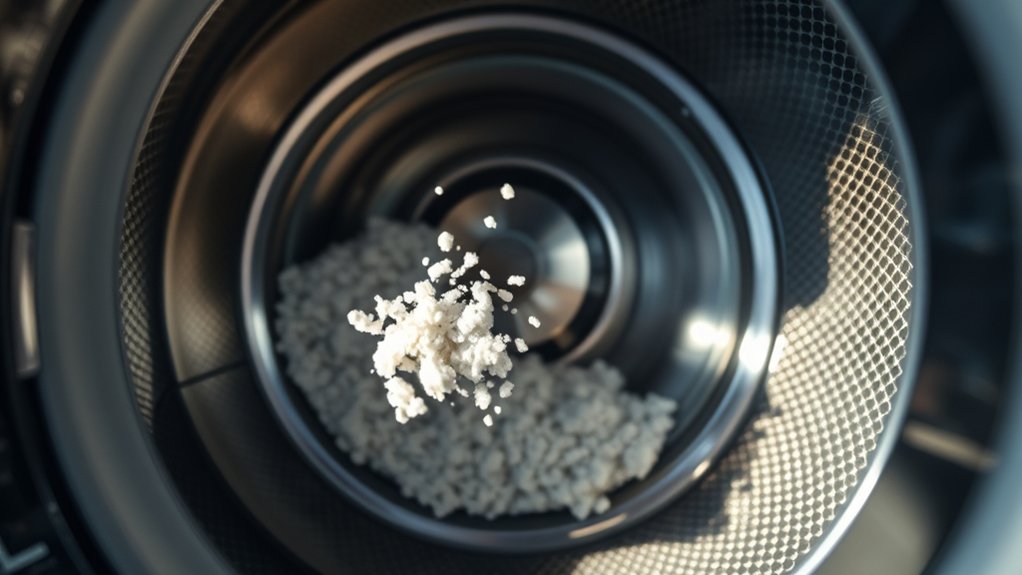
Although the washing machine removes most of the diaper gel residue, using the dryer afterward guarantees any lingering moisture evaporates and transforms the gel into paper-like lint.
The dryer’s heat breaks down the gel particles, making them easier to remove as lint from the dryer filter. This process reduces gel buildup, preventing future issues and simplifying cleanup.
Here’s how it works: run the dryer on a full cycle to evaporate moisture. The heat then breaks down the gel into lint. That lint collects in the dryer filter, making it easy to remove.
Finally, vacuum or scoop out the lint to complete the gel residue removal. Using the dryer turns stubborn gel residue into harmless lint, ensuring your clothes and machine stay clean.
Clean Diaper Residue From Washer Drum And Gasket
After using the dryer to convert gel residue into lint, turn your attention to the washing machine itself. Start by wiping the washer drum and washer gasket thoroughly with a damp cloth or paper towels to remove visible diaper gel.
Use a toothbrush or small cleaning brush to scrub crevices and rubber seals where diaper gel particles may be trapped.
These cleaning tips help prevent buildup that can cause odors or damage. After this manual cleaning, leave the washer door open to air out the gasket and avoid mold or mildew growth.
Regularly checking and cleaning the lint filter and door seal also maintains your machine’s hygiene.
Following these steps guarantees you effectively remove diaper gel residue from your washer drum and gasket, keeping your machine fresh and functional. It’s a simple routine that really makes a difference!
Run A Hot Water Cycle With Salt Or Vinegar To Remove Residue
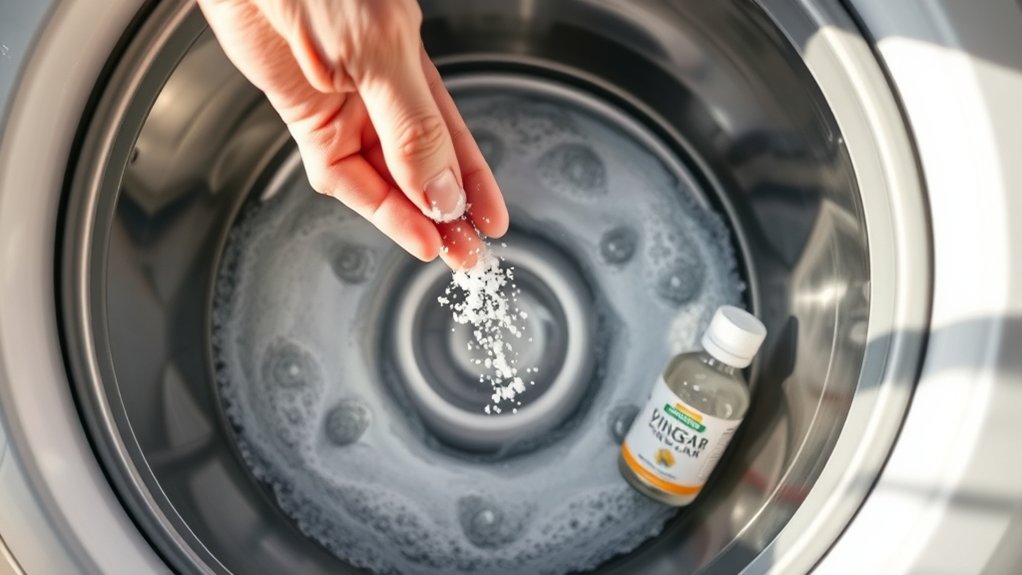
How exactly can you remove stubborn diaper gel residue from your washing machine? Run a hot water cycle with either salt or vinegar to effectively dissolve and loosen the buildup. Add 1-2 cups of salt or a similar amount of vinegar directly into the drum before starting the cycle.
The high temperature boosts their cleaning power, breaking down sticky gel residue and mineral deposits on the drum and seals. This method also disinfects the washer and gets rid of odors caused by diaper gel. It’s a simple way to freshen up your machine.
For best results, repeat this hot water cycle with salt or vinegar periodically to keep your washer clean and working well. This straightforward approach ensures thorough residue removal without harming your machine.
Vacuum Diaper Gel Debris From Floor And Laundry Area
Where can diaper gel beads hide after a wash? They often scatter across the floor and settle in corners of your laundry area.
To tackle diaper gel debris effectively, use a handheld or canister vacuum equipped with a crevice tool. This helps you reach tight spots and pick up small gel beads and lint regularly, preventing them from spreading.
Use a handheld vacuum with a crevice tool to easily reach and remove scattered diaper gel beads and lint.
For stubborn clumps, slightly dampen the vacuum nozzle or switch to a brush attachment to loosen debris. After vacuuming, empty the canister or replace the bag promptly to maintain suction power.
Finally, wipe the floor and surrounding surfaces with a damp cloth to remove any remaining residue.
This methodical approach keeps your laundry area clean and free from diaper gel debris after each wash.
Prevent Diaper Mishaps In Laundry Loads
To prevent diaper mishaps in your laundry loads, you need to thoroughly check clothes and laundry baskets before starting a wash cycle. Proper laundry sorting is essential to avoid accidental diaper inclusion. Use designated hampers for diapers and educate family members on sorting, especially for pull-ups.
Always double-check pockets and folds for diaper remnants or gel beads. Creating a specific laundry area or labeling hampers for diaper-related items further reduces risks. These steps protect your washing machine cleaning process by minimizing contamination.
| Tip | Action |
|---|---|
| Check Clothes | Inspect pockets and folds |
| Use Designated Hampers | Separate diapers from regular laundry |
| Educate Family | Communicate sorting importance |
| Label Laundry Areas | Create clear diaper sorting zones |
Maintain Regular Washer Cleaning To Avoid Build-Up
After taking steps to prevent diaper mishaps in your laundry, maintaining regular washer cleaning helps keep your machine free from build-up that can affect performance and hygiene. Run a hot water cycle monthly with vinegar or a commercial washer cleaner to dissolve mineral deposits and residue buildup.
Also, clean the detergent drawer and door gasket to stop lint, gel, and detergent residues from accumulating. Don’t forget to inspect and clean the rubber liner and filters regularly, removing trapped gel beads and lint.
Perform a deep cleaning cycle every 1-2 months to prevent mold and mildew growth and maintain ideal washer function.
Finally, leave the door slightly open after each wash to air dry the interior, reducing moisture that fosters mold and odor buildup.
Frequently Asked Questions
Can Diaper Gel Damage My Washing Machine Over Time?
Yes, diaper gel can damage your washing machine over time. It tends to build up in the gasket, hoses, and drum, causing blockages and mechanical strain.
This buildup traps moisture, which encourages mold and corrosion that can deteriorate metal parts. It can also interfere with sensors and drainage, reducing efficiency.
To protect your machine, regularly clean the interior and filters to prevent gel accumulation. This way, you’ll keep your washer running smoothly and maintain peak performance.
Is It Safe to Wash Diapers With Other Laundry Items?
It’s not safe to wash diapers with other laundry items. Studies show up to 30% of gel beads can transfer onto clothes during mixed loads, causing lint buildup and residue.
You should wash diapers separately to prevent contamination and protect your washing machine.
Doing so maintains hygiene, avoids gel damage, and keeps your clothes clean. Always use a dedicated cycle and detergent designed for cloth diapers for best results.
It really makes a difference in keeping everything fresh and working well.
How Often Should I Clean My Washer After Washing Diapers?
You should clean your washer at least once a month if you wash diapers regularly.
If you run multiple diaper loads weekly, increase cleaning to every two weeks to prevent residue buildup.
After washing diapers containing gel or lint, run an empty hot water cycle with vinegar or a specialized cleaner.
Don’t forget to check and clean the rubber gasket and detergent drawer to keep your machine running efficiently.
What’s the Best Detergent for Washing Cloth Diapers?
You should pick a hypoallergenic, fragrance-free detergent made specifically for cloth diapers. Look for one with low or no optical brighteners and enzymes, as these can damage diaper fabrics over time.
Choose a detergent known for its strong cleaning power but gentle on sensitive skin. It should effectively remove urine and fecal stains.
Avoid regular or heavy-duty detergents with additives since they can cause repelling and reduce absorbency.
Pre-washing helps, too. It’s a simple step that can make a big difference in keeping your cloth diapers clean and fresh.
Can Diaper Gel Cause Skin Irritation After Washing?
Diaper gel can cause skin irritation after washing, kind of like sand stuck in your shoes that keeps rubbing against your skin. If your washer doesn’t get rid of all the gel fragments, they cling to clothes and can irritate sensitive skin.
To avoid this, make sure you clean your machine thoroughly after washing diapers. This helps prevent gel residues from transferring onto fabric and causing discomfort.
Also, always run an extra rinse cycle to get rid of any leftover gel particles effectively. It’s a simple step that can make a big difference in keeping your skin happy.
Conclusion
Cleaning diaper gel from your washer might feel like chasing tiny ghosts, but with these steps, you’ll tame the mess efficiently. By spotting residue early, removing chunks carefully, and running hot cycles with vinegar or salt, you’ll keep your machine fresh and your laundry spotless.
Regular maintenance acts like a shield, preventing buildup and mishaps. Follow this guide methodically, and your washer will hum smoothly, ready for every load without a trace of diaper drama.