Can You Dry Clean A Backpack – What To Know
You can dry clean a backpack only if its materials tolerate harsh solvents, so always check the care label first. Avoid dry cleaning delicate fabrics like suede, velvet, or leather because the chemicals could cause damage. For most backpacks, spot cleaning or gentle hand washing works better and protects padding and waterproof coatings.
Dry cleaning might risk lingering solvent residues and weakened fabric. If you want to know how to choose the right cleaning method and care for your backpack’s fabric, keep exploring.
Can You Dry Clean a Backpack?
Wondering if you can dry clean your backpack? Generally, dry cleaning isn’t recommended because the chemicals used can damage fabric, padding, and structural parts.
Dry cleaning backpacks is generally discouraged due to potential damage to fabric, padding, and structure.
If your backpack has delicate materials like suede, velvet, or leather, you should avoid dry cleaning altogether. It can cause irreversible harm. Even waterproof coatings or water-resistant treatments can weaken during the process.
If your backpack says “dry clean only,” consult a professional dry cleaner first to verify proper cleaning without damage.
For most backpacks, spot cleaning combined with air drying offers a safer, effective alternative.
Backpack Materials Safe for Dry Cleaning
Although many backpacks aren’t suitable for dry cleaning, those made from materials like wool, polyester, nylon, and certain synthetic fabrics can usually handle the process safely.
When considering dry cleaning for your backpack, focus on these materials to avoid damage.
Keep in mind, wool, polyester, and nylon backpacks generally tolerate dry cleaning without issue. But delicate fabrics such as velvet or suede aren’t safe for dry cleaning and need special care.
Also, avoid dry cleaning leather backpacks, as solvents may cause discoloration or damage.
Checking Your Backpack’s Care Label
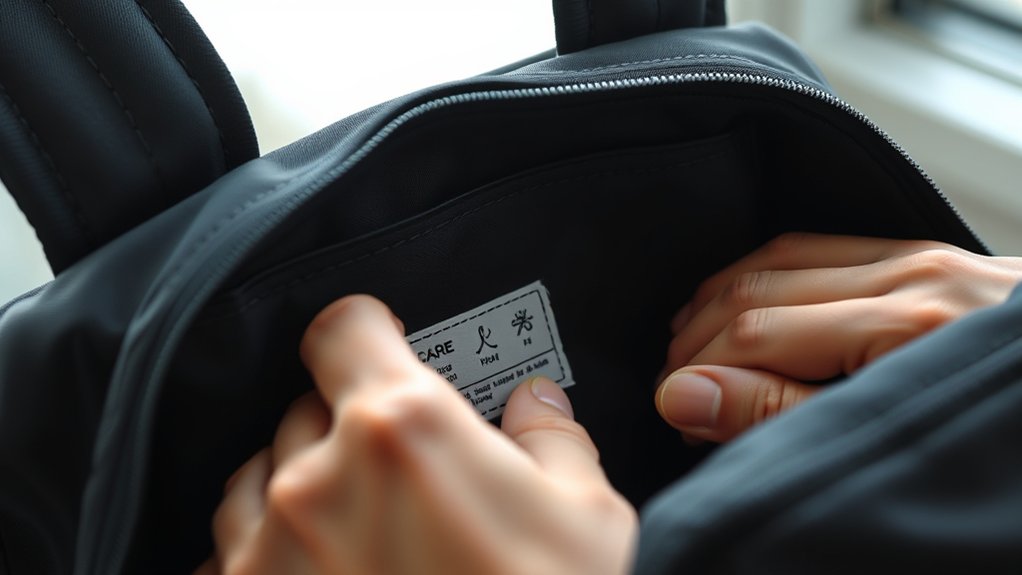
How can you be sure if your backpack is safe for dry cleaning? Start by checking the care label inside your backpack. This label provides specific manufacturer instructions, including whether dry cleaning is recommended.
Look closely for dry cleaning symbols. A circle with a letter means dry cleaning is allowed, while a circle with a line through it means it’s not suitable. Some labels also specify the type of solvent to use or warn against dry cleaning delicate fabrics like suede or velvet.
Check for dry cleaning symbols: a lettered circle means allowed, a crossed circle means it’s not recommended.
If your backpack lacks a care label, visit the manufacturer’s website or contact customer service for guidance.
Always follow the care label instructions to avoid damaging your backpack and to preserve its materials and features effectively.
Spot Cleaning vs. Dry Cleaning Backpacks: When to Use Each
You’ll want to spot clean your backpack when only small areas are dirty. This method targets stains without stressing the whole fabric. Plus, it’s quick and easy!
Now, if your backpack is made from delicate materials like suede or velvet, dry cleaning is a safer choice. It helps avoid water damage and keeps your bag looking great.
Spot Cleaning Benefits
When should you choose spot cleaning over dry cleaning for your backpack? Spot cleaning is perfect for quick, targeted stain removal and gentle cleaning of small or isolated areas. It helps you maintain your backpack without subjecting it to harsh, full-scale cleaning.
Here are three key benefits:
- Efficiency: Spot cleaning is faster and can be done at home, saving time and hassle.
- Fabric Preservation: It uses gentle cleaning agents that protect your backpack’s materials, extending its lifespan.
- Targeted Care: You only treat the affected areas, avoiding unnecessary wear on the entire backpack.
Rely on spot cleaning for routine maintenance and minor stains to keep your backpack looking fresh without risking damage. It’s an easy way to keep things clean without the fuss.
When To Dry Clean
Spot cleaning works well for minor stains and quick touch-ups, but there are times when dry cleaning offers a better solution for your backpack. When your backpack is heavily soiled or needs an overall deep clean, dry cleaning is the preferred method.
If the fabric is delicate or the care label specifies dry clean only, you should avoid regular washing to prevent damage. Dry cleaning also helps preserve intricate components and waterproof coatings that regular cleaning might harm.
Always check the care label to confirm if dry cleaning is suitable, as some materials may not tolerate the process. Regular spot cleaning can extend the time between dry cleanings, keeping your backpack in good shape without frequent intensive treatments.
Fabric Suitability Factors
Although dry cleaning works well for durable fabrics like nylon and polyester, it can damage delicate or water-sensitive materials such as velvet or suede. When deciding between spot cleaning and dry cleaning, consider these fabric suitability factors:
First, check the material. Dry cleaning suits tough fabrics like treated canvas but harms delicate ones or those with waterproof coatings. Also, follow labels carefully. If your backpack’s tag says “dry clean only,” you can trust professional dry cleaning.
If you’re ever unsure, test a dry cleaning solvent on a hidden spot of the fabric to avoid damage. It’s a simple step that can save your backpack from trouble later on.
Drawbacks of Dry Cleaning Backpacks
Because dry cleaning uses harsh chemicals and solvents, it can weaken or damage certain backpack fabrics, especially synthetic or coated materials. These chemicals may cause fabric damage, which reduces your backpack’s lifespan.
Harsh chemicals in dry cleaning can weaken synthetic or coated backpack fabrics, shortening their lifespan.
Also, delicate components like foam padding, zippers, or internal seams can lose shape or functionality during the process. You might notice that dry cleaning doesn’t always remove dirt and stains from hard-to-reach areas, leaving some spots untreated.
On top of that, residues from solvents can build up over time, further compromising your backpack’s durability. Since not all backpacks are labeled safe for dry cleaning, you could accidentally damage yours if you don’t check first.
Knowing these drawbacks can help you decide if dry cleaning is really the right choice for caring for your backpack.
Alternative Cleaning Methods for Backpacks
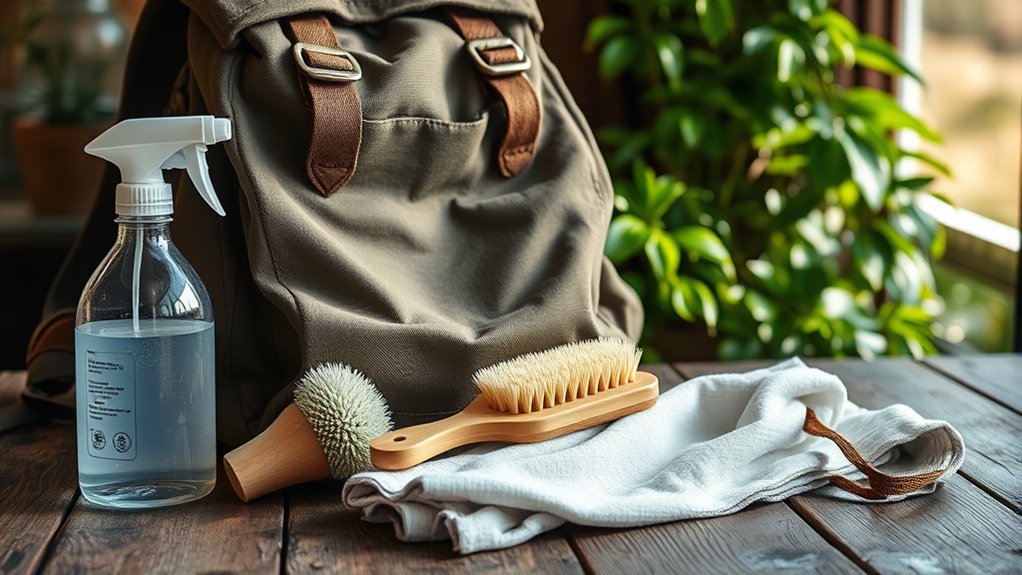
If your backpack has stains, spot cleaning with a mild detergent is a great way to tackle those problem areas without hurting the fabric. It’s quick and easy, and you don’t have to worry about soaking the whole bag.
You can also try hand washing your backpack to gently get rid of dirt. This method helps keep the shape and materials intact, so your backpack stays looking good for longer.
Both of these options are safer than dry cleaning and can really help extend the life of your backpack. So next time your bag gets a little dirty, give these methods a try!
Spot Cleaning Techniques
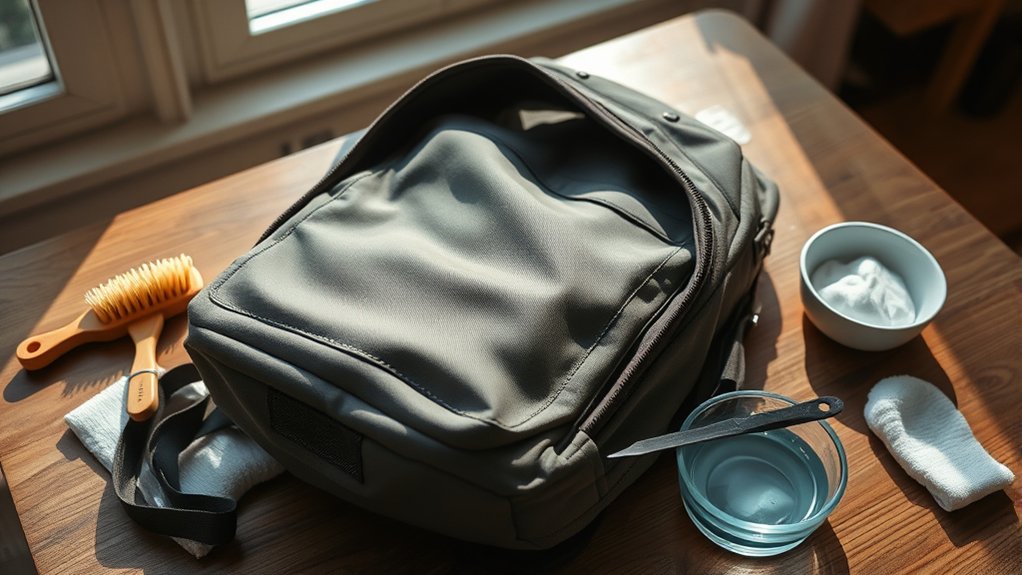
When you notice a small stain on your backpack, spot cleaning offers a targeted solution that avoids immersing the entire pack. Start by applying a small amount of stain remover directly to the affected area. Then, gently scrub with a soft-bristled brush or soft cloth to lift the stain without damaging the fabric.
Always perform a patch test on a hidden spot first to prevent discoloration.
Here’s a simple spot cleaning routine:
- Mix mild detergent with water for fabric backpacks or use a specialized cleaner for leather and suede.
- Apply the solution carefully to the stain.
- Blot gently to lift stubborn stains without spreading them.
This method keeps your backpack fresh without a full wash. It’s pretty straightforward and saves you time!
Hand Washing Benefits
Spot cleaning works well for minor stains, but you might need a more thorough approach to keep your backpack in top shape. Hand washing offers gentle cleaning that reduces damage risks to delicate fabrics and preserves waterproof coatings.
It targets stains and cleans hard-to-reach areas like seams and pockets efficiently. Plus, it uses less water and energy, making it eco-friendly. Regular hand washing is ideal for sensitive materials such as suede or velvet, ensuring fabric protection without machine agitation or heat.
| Benefit | Description | Ideal For |
|---|---|---|
| Gentle Cleaning | Reduces fabric and structural damage | Delicate fabrics |
| Targeted Stain Removal | Cleans seams, pockets, and specific spots | All backpacks |
| Eco-Friendly | Uses less water and energy | Environment-conscious users |
| Fabric Protection | Preserves waterproof coatings and treatments | Specialty material packs |
Maintaining Fabric and Waterproofing After Cleaning
Although cleaning removes dirt and grime, it can also diminish your backpack’s water-repellent qualities. To keep your fabric and waterproofing in good shape after cleaning, follow these simple steps.
First, inspect your backpack once it’s completely dry. Look for any signs that the water resistance has dropped or if the fabric feels saturated.
Next, only reapply waterproofing treatments when the fabric is totally dry. This helps ensure the treatment sticks properly and works well.
Make sure to use waterproofing products made specifically for outdoor fabrics like Cordura or nylon. Always follow the manufacturer’s instructions for the best results.
Regular maintenance and timely reapplication of these treatments will preserve your backpack’s protective features and help it last longer.
One more thing—avoid using waterproofing products on delicate materials such as suede or velvet. These can get damaged easily.
Frequently Asked Questions
How Often Should I Clean My Backpack to Prevent Odor Buildup?
You should clean your backpack every 3 to 6 months to prevent odor buildup. But if you use it a lot or get sweaty, cleaning it monthly works better.
Regularly removing dirt, sweat, and food particles helps keep it fresh.
Between washes, you can use odor-neutralizing sprays or sprinkle baking soda. Also, always air it out after use to reduce smells.
Staying consistent with these habits will keep your backpack smelling clean.
Can Dry Cleaning Remove Tough Stains Like Ink or Paint?
Yes, dry cleaning can remove tough stains like ink and paint because it uses powerful solvents that dissolve these substances better than water-based methods.
However, you should know some paints and inks might need specific solvents, and not all stains come out completely.
It’s smart to test a small area first to avoid color bleeding or damage.
For best results, you can take your backpack to a professional dry cleaner experienced with tough stains.
Is It Safe to Dry Clean Backpacks With Metal Zippers?
No, it’s generally not safe to dry clean backpacks with metal zippers. The chemicals used can corrode or weaken metal components, causing damage over time.
If you must dry clean, make sure the cleaner knows how to handle metal parts carefully.
Otherwise, it’s better to clean metal zippers manually to avoid any risk.
Taking these precautions will help keep your backpack functional and looking good.
How Long Does the Dry Cleaning Process Take for Backpacks?
You’ll find the dry cleaning process for backpacks takes about 30 minutes to an hour. You can expect most services to finish within a single visit, often the same day.
How long it takes depends on your backpack’s size, material, and dirt level.
If your backpack needs special care or repairs, it might take longer.
Make sure you ask your cleaner about turnaround times so you can plan accordingly. It’s always good to know what to expect!
Will Dry Cleaning Affect the Backpack’s Color or Finish?
Yes, dry cleaning can affect your backpack’s color or finish. The solvents might cause fading, discoloration, or damage waterproof coatings and delicate prints.
Even if your backpack is made of nylon or polyester, which are more resistant, you should still be cautious. Always check the care label and do a spot test first.
That way, you can make sure the color and finish won’t be harmed by the dry cleaning process.
Conclusion
When it comes to cleaning your backpack, dry cleaning isn’t always the golden ticket. You’ll want to check the care label and consider the material before deciding. Spot cleaning often does the trick without risking damage.
There are alternative methods that can keep your backpack fresh and waterproof. Think of your backpack like a trusted companion. Treat it gently, and it’ll carry you through countless adventures without missing a beat.