Can You Use Cleaning Vinegar In Laundry – Here’s the Answer
You can use cleaning vinegar in your laundry, but you’ll need to dilute it 1:1 with water to protect your fabrics and washing machine. Avoid using it on delicate, colored, or elastic materials, as the higher acidity can cause damage or discoloration.
Never mix it with bleach or detergents, since harmful gases and fabric issues can occur. If you want safe, effective tips and alternatives for fresh, clean clothes, there’s more helpful info ahead.
Key Takeaways
- Cleaning vinegar contains 6-7% acetic acid and is stronger than regular vinegar, making it unsuitable for direct laundry use.
- Always dilute cleaning vinegar 1:1 with water before using it on clothes to reduce fabric damage risk.
- Avoid using cleaning vinegar on delicate fabrics, elastic materials, and colored garments to prevent discoloration and fiber weakening.
- Never mix cleaning vinegar with bleach or laundry detergents, as it can produce harmful gases and damage washing machines.
- For safe laundry alternatives, consider gentler natural options like baking soda, lemon juice, or Castile soap instead of cleaning vinegar.
What Is Cleaning Vinegar and How Is It Different?
Although cleaning vinegar looks similar to regular white vinegar, it packs a stronger punch with about 6-7% acetic acid compared to the usual 5%. This higher acetic acid content makes cleaning vinegar more effective for household cleaning tasks like cutting through soap scum and mineral deposits.
Unlike regular vinegar, it’s specifically formulated for tough cleaning jobs rather than cooking or food use. However, you should avoid using cleaning vinegar with your laundry detergent because its stronger acidity can lead to fabric damage or even bleaching.
While it’s great for scrubbing surfaces, cleaning vinegar isn’t designed for clothes. Always check product labels carefully since cleaning vinegar isn’t food-safe and isn’t meant to replace laundry additives.
Knowing these differences helps you use it safely and effectively around your home.
Is Cleaning Vinegar Safe for Your Fabrics?
While cleaning vinegar excels at tackling tough household grime, you should be cautious when considering it for your laundry. Its higher acetic acid concentration can cause discoloration or damage, especially on delicates or fabrics with elastic fibers.
Unlike distilled white vinegar, cleaning vinegar isn’t designed for laundry and may harm your clothes or washing machine. Always check fabric care labels before use and test on a hidden spot first.
| Fabric Type | Risk Level | Advice |
|---|---|---|
| Delicates | High | Avoid cleaning vinegar |
| Colored Fabrics | Moderate | Test for discoloration |
| Elastic Fabrics | High | Use distilled white vinegar |
| Cotton/Polyester | Low | Use cautiously |
| Washing Machines | Very High | Avoid cleaning vinegar |
How to Dilute and Use Cleaning Vinegar in Laundry
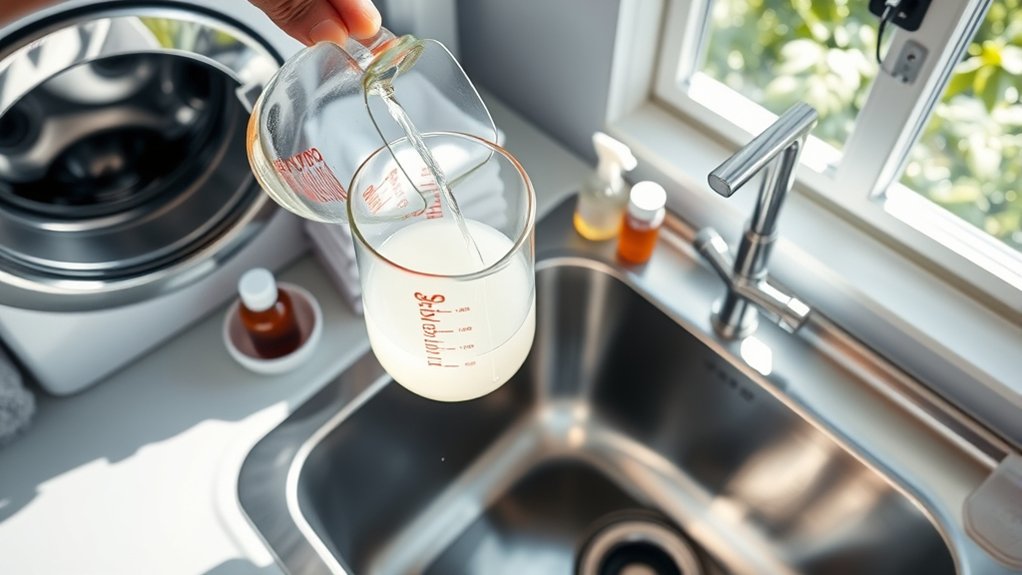
Since cleaning vinegar is stronger than regular vinegar, you’ll want to dilute it with water at a 1:1 ratio to protect your fabrics. This way, it’s gentle enough to use without causing damage.
You can soak stained clothes in the diluted vinegar before washing, which helps to lift those tough spots.
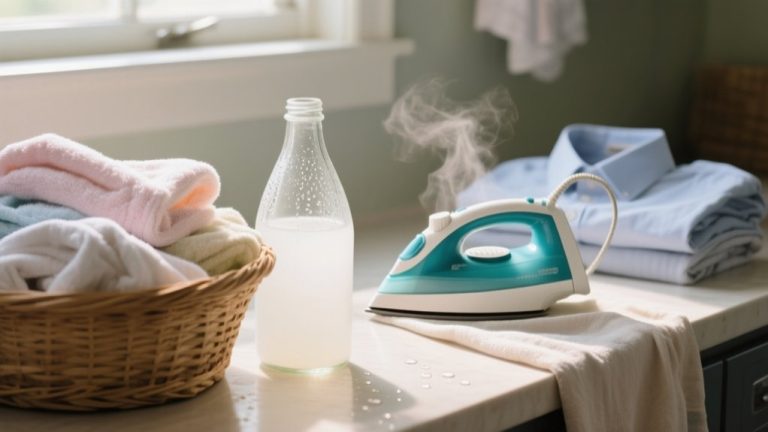
Or, if you prefer, just add the diluted vinegar during the rinse cycle to brighten and soften your laundry. It’s a great trick to keep your clothes looking fresh.
Just remember to always test a small hidden spot first to make sure your fabric handles the acidity well. Better safe than sorry!
Proper Dilution Ratios
When you use cleaning vinegar in laundry, you need to dilute it properly to protect your fabrics from damage. Cleaning vinegar is stronger than regular white vinegar, so follow proper dilution ratios like 1 part cleaning vinegar to 3 parts water.
This mix stays effective for tackling stubborn stains while being gentle enough for most fabrics.
To use it as a natural fabric softener, pour ½ to 1 cup of the diluted solution into your machine’s fabric softener dispenser during the final rinse.
Before treating larger loads, test the diluted vinegar on a small hidden area to verify it won’t cause color fading or damage.
Avoid using cleaning vinegar on delicate fabrics or anything with elastic, as its acidity can degrade those materials.
Application Methods Explained
Although cleaning vinegar is a powerful laundry aid, you need to dilute it properly to protect your fabrics. Using diluted cleaning vinegar guarantees you get the benefits without damaging your clothes.
Here’s how to apply it effectively:
Mix one part cleaning vinegar with three parts water for general stain and odor removal. Use vinegar and water as a pre-treatment by soaking stains for 10 to 30 minutes before washing.
Soak whites in a solution of one cup diluted cleaning vinegar per gallon of warm water to brighten fabrics. Always test a small, hidden area first to avoid adverse reactions.
Incorporate diluted cleaning vinegar alongside other cleaning products for a gentle yet effective laundry boost.
Safety Precautions Needed
Proper dilution and careful use of cleaning vinegar play a big role in keeping your fabrics safe while taking advantage of its cleaning power.
Since cleaning vinegar has a higher acetic acid concentration, you should always dilute it with water before adding it to your laundry.
A safe dilution ratio is one part cleaning vinegar to three parts water, which is gentle enough for most fabrics.
Before using the solution widely, test it on a hidden area to verify it won’t cause any discoloration or damage.
Also, avoid delicate fabrics like silk or wool, as the acidity can harm them.
Finally, never mix cleaning vinegar with bleach or hydrogen peroxide to prevent dangerous chemical reactions.
Following these precautions helps you safely boost your laundry’s freshness and cleanliness.
How to Remove Stains and Odors With Cleaning Vinegar
Since cleaning vinegar has a higher acidity than regular white vinegar, you can rely on it to tackle tough stains like coffee and tea effectively.
Cleaning vinegar’s higher acidity makes it ideal for effectively removing stubborn coffee and tea stains.
To pretreat stains on white clothes, soak the fabric in a mix of 1/3 cup cleaning vinegar and 2/3 cup water, then dry in the sun.
To remove odors, spray undiluted cleaning vinegar directly on the area and let it sit for 10 minutes before washing.
For mildew stains, use a blend of cleaning vinegar, salt, and water to break them down.
Remember to always test on a hidden spot first to avoid damage.
- Soak stains before washing
- Spray to remove odors
- Use vinegar-salt mix for mildew
- Test on inconspicuous areas
- Avoid direct machine use for pretreating stains
Cleaning Vinegar Precautions and Fabrics to Avoid
You’ll want to avoid using cleaning vinegar on delicate fabrics and anything labeled “dry clean only” because its high acidity can cause damage.
It can also break down elastic fibers, which isn’t great if your clothes have any stretch. Plus, it might discolor synthetic or colored garments.
It’s always a good idea to test a small hidden area first.
That way, you can see how your fabric reacts before you go ahead and apply it more broadly. Better safe than sorry!
Avoid Using On Delicates
Although cleaning vinegar is effective for many laundry tasks, you should avoid using it on delicate fabrics like silk, lace, or items with elastic.
Cleaning vinegar’s higher acetic acid concentration can discolor or weaken these fibers.
Instead, follow these tips to protect your delicate fabrics:
- Avoid cleaning vinegar on silk, lace, and elastic materials
- Test any vinegar on a hidden area first
- Use distilled white vinegar sparingly (1-2 tablespoons) during the rinse cycle for delicates
- Skip vinegar on garments labeled “dry clean only”
- Choose gentler cleaning methods for delicate fabrics
Potential Fabric Damage
When handling cleaning vinegar in your laundry routine, it’s important to recognize its higher acidity level, which can harm certain fabrics. Cleaning vinegar, with about 6% acetic acid, may cause fabric damage, especially on delicate fabrics like silk and wool.
Avoid mixing it with laundry detergent, as the acidity can reduce detergent effectiveness and weaken fibers. Instead, opt for distilled white vinegar made specifically for laundry, which is gentler.
Always test cleaning vinegar on a small, hidden spot first to prevent surprises.
| Fabric Type | Cleaning Vinegar Use |
|---|---|
| Silk | Avoid |
| Wool | Avoid |
| Synthetic Fabrics | Use cautiously |
| Cotton | Safe with testing |
| Denim | Generally safe |
Risks With Elastic
Because cleaning vinegar contains a higher concentration of acetic acid, it can damage elastic fibers in clothing, causing them to lose stretch and support. When dealing with elastic materials, you should be cautious to avoid ruining your favorite clothes.
Here’s what to keep in mind:
Avoid cleaning vinegar on swimsuits, athletic wear, and undergarments with elastic. Check care labels carefully before using any vinegar-based cleaner. Use regular distilled vinegar instead of cleaning vinegar for delicate fabrics containing elastic.
Remember that cleaning vinegar’s acidity can break down spandex and rubber fibers. When in doubt, choose gentler alternatives to protect your fabrics.
Following these tips helps you maintain your clothes’ elasticity and prolongs their lifespan without risking damage from harsh cleaning vinegar.
Why You Should Never Mix Cleaning Vinegar With Bleach or Detergents
If you mix cleaning vinegar with bleach, you risk creating toxic chlorine gas that can harm your health. This dangerous reaction happens because cleaning vinegar’s higher acidity interacts with bleach, releasing harmful fumes.
You should also avoid combining cleaning vinegar with laundry detergents. The low pH of vinegar disrupts these detergents’ cleaning power, leaving your clothes less fresh.
Besides these chemical risks, cleaning vinegar is corrosive, which can damage your washing machine’s components over time and harm elastic or delicate fabrics.
To protect fabric integrity and your health, always follow care label instructions and never mix cleaning vinegar with bleach or laundry detergents.
Sticking to these guidelines keeps your laundry safe and effective without risking damage or exposure to hazardous chemicals.
Natural Alternatives to Cleaning Vinegar for Laundry
Since mixing cleaning vinegar with bleach or detergents can cause damage or health risks, you might want to explore safer, natural alternatives for your laundry routine.
Here are some effective options to try:
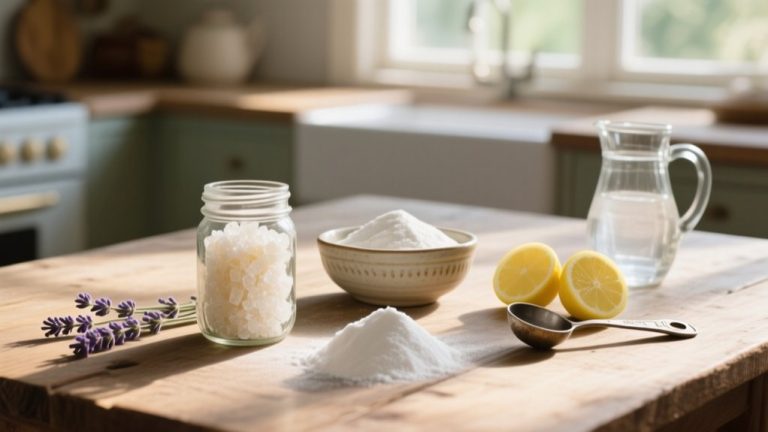
- Baking Soda: Boosts detergent power and neutralizes odors in the wash cycle.
- Lemon Juice: Brightens whites and removes grease or food stains naturally.
- Borax: Enhances stain removal, deodorizes, and softens hard water.
- Castile Soap: Gently cleans clothes without synthetic additives.
- Essential Oils: Adds natural fragrance and antibacterial benefits, keeping laundry fresh.
Using these alternatives helps you avoid harsh chemicals while maintaining clean, fresh laundry safely.
You’ll find they’re practical, eco-friendly, and easy to incorporate into your washing habits.
Frequently Asked Questions
Can Cleaning Vinegar Help Soften Laundry Without Fabric Softener?
Yes, you can use cleaning vinegar to soften your laundry without fabric softener.
Just add half a cup to the fabric softener dispenser during the final rinse cycle. It breaks down residues that make fabrics stiff, leaving towels and cotton clothes soft and fluffy.
Before using it on delicate items, test a small, hidden area to avoid any damage.
It’s a simple, cost-effective way to keep your laundry feeling fresh.
Does Cleaning Vinegar Affect Washing Machine Parts or Hoses?
Yes, cleaning vinegar can affect your washing machine parts and hoses. Its higher acidity can corrode rubber seals and damage hoses over time, leading to leaks or malfunctions.
If you use it regularly, you risk voiding your machine’s warranty. To protect your washer, stick with distilled white vinegar for laundry. It’s gentler and won’t harm the internal components.
Always check your manufacturer’s guidelines before using any vinegar product.
Can Cleaning Vinegar Be Used in Both Hot and Cold Water Cycles?
Yes, you can use cleaning vinegar in both hot and cold water cycles. In hot water, it boosts stain removal and kills odors thanks to its stronger acidity.
In cold water, it helps keep colors vibrant and cuts down detergent residue without risking heat damage.
Just make sure to dilute it properly and check your clothes’ care labels to avoid harming delicate fabrics. This way, you get effective cleaning safely.
How Often Should I Use Cleaning Vinegar in My Laundry Routine?
You shouldn’t be using cleaning vinegar in your laundry routine regularly. It’s like inviting a fabric-damaging villain into your washing machine!
If you must use it, limit it to a rare, cautious splash every few months to avoid harm.
For routine laundry, stick to regular distilled vinegar. Using cleaning vinegar often risks wrecking fabrics and your machine, so keep it minimal.
Always opt for gentler alternatives to keep your clothes safe and fresh.
Will Cleaning Vinegar Remove Mildew Smells From Stored Clothes?
Yes, cleaning vinegar will remove mildew smells from your stored clothes. Its higher acetic acid concentration breaks down the mildew and neutralizes musty odors effectively.
You can add half a cup to your wash or pre-soak clothes in a vinegar-water mix for stronger results.
This simple step keeps your fabrics smelling fresh and helps prevent mildew from setting in after damp storage, making your laundry routine much more effective.
Conclusion
Think of cleaning vinegar as a trusty compass guiding your laundry routine. When used right, it steers you toward fresher, brighter fabrics without harsh chemicals. Just remember to dilute it properly and avoid mixing it with bleach or detergents to keep your clothes safe.
Like any tool, it works best when you respect its limits. Embrace cleaning vinegar as a natural ally, but always handle it with care to keep your laundry and your fabrics looking their best.