What Laundry Detergent Causes The Most Allergic Reactions
You’re most likely to experience allergic reactions from laundry detergents containing fragrances, preservatives like methylisothiazolinone (MI), and harsh surfactants such as sodium lauryl sulfate. These ingredients often cause skin irritation, redness, and contact dermatitis by stripping natural oils and triggering immune responses.
Dyes and optical brighteners can worsen symptoms, especially with prolonged skin contact. If you suspect a reaction, switching to hypoallergenic, fragrance-free detergents and testing carefully can help. Understanding these factors will clarify what triggers your skin issues.
Key Takeaways
- Detergents containing fragrances cause allergic reactions in up to 9.2% of patch-tested individuals.
- Preservatives like methylisothiazolinone (MI) and methylchloroisothiazolinone (MCI) trigger allergies in about 15% of North Americans.
- Surfactants such as sodium lauryl sulfate irritate skin and increase the risk of allergic contact dermatitis.
- Optical brighteners and synthetic dyes frequently provoke skin irritation and allergic reactions in sensitive users.
- Detergents with harsh preservatives, fragrances, dyes, and surfactants cause the most allergic reactions overall.
How To Tell If Your Laundry Detergent Is Causing Allergies?
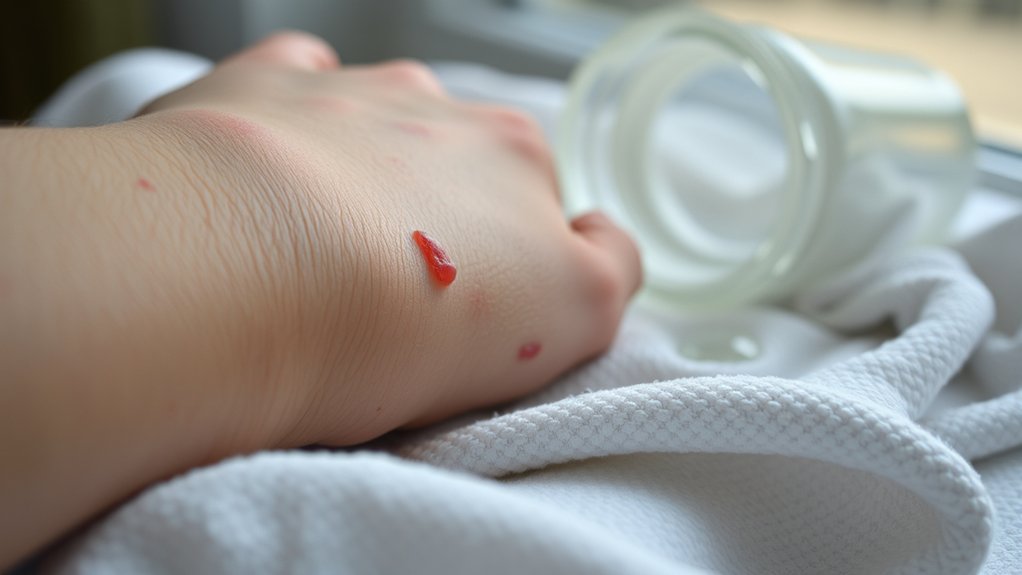
How can you determine if your laundry detergent is triggering allergic reactions? Monitor your skin closely for signs of allergic contact dermatitis, such as itching, redness, and swelling, especially where detergent residue contacts sensitive skin.
Keep a detailed diary tracking your laundry detergent use and any skin irritation to identify correlations.
To isolate a laundry detergent allergy, switch to a hypoallergenic, fragrance-free, and dye-free detergent for 3-4 weeks and observe any symptom changes.
Conduct a patch test by applying diluted detergent to a small skin area; a reaction confirms detergent sensitivity.
If skin irritation persists, consult a dermatologist. They can guide you through professional patch testing and recommend suitable detergents designed for sensitive skin, ensuring you minimize allergic reactions linked to detergent residue.
What Ingredients In Laundry Detergents Trigger Allergic Reactions?
You should know that fragrances and preservatives like methylisothiazolinone are common allergens found in many laundry detergents. These ingredients can often cause reactions in people who are sensitive.
Besides those, surfactants, dyes, optical brighteners, and enzymes can also lead to skin irritation or allergic responses. This is especially true if you have sensitive skin.
By identifying these chemical triggers, you can better understand what might be causing your symptoms.
That way, you can manage your exposure more effectively and avoid discomfort.
Common Allergenic Ingredients
Although laundry detergents are formulated to clean effectively, several common ingredients can trigger allergic reactions in sensitive individuals. You should be aware of these primary allergens:
- Fragrances and preservatives: Fragrances affect up to 9.2% of patch-tested people, while preservatives like methylisothiazolinone cause allergies in 15% of North Americans.
- Surfactants: Compounds such as sodium lauryl sulfate can irritate skin and increase sensitization, especially if you have atopic dermatitis.
- Optical brighteners and enzymes: These can provoke contact dermatitis and skin irritation due to their allergenic potential.
Understanding these allergens helps you choose detergents that minimize exposure to irritants and reduce allergic reactions effectively.
Chemical Triggers and Effects
Since laundry detergents contain numerous chemical components, it’s important to identify which ingredients commonly trigger allergic reactions.
Fragrances, especially synthetic perfumes, frequently cause contact dermatitis, affecting around 3.5% of the population.
Preservatives like methylisothiazolinone (MI) have shown a significant increase in allergic reactions, with up to 15% of patch-tested patients affected.
Surfactants such as sodium lauryl sulfate act as irritants, exacerbating skin sensitivity in those with atopic dermatitis.
Furthermore, dyes and optical brighteners contribute to contact dermatitis, particularly in high-friction areas.
Enzymes in powder detergents are also linked to allergic contact dermatitis in over 70% of cases studied.
Understanding these chemical triggers in detergents helps you minimize exposure and reduce the risk of allergic reactions and irritant responses.
How Laundry Detergent Fragrances And Preservatives Cause Allergies
You should know that fragrances in laundry detergents are pretty common allergens. In fact, they affect up to 9.2% of people who get patch tested for allergies.
On top of that, preservatives like methylisothiazolinone (MI) are becoming a bigger concern. This is especially true in North America, where the rules regulating these chemicals aren’t as strict.
Fragrance Allergens Impact
When you use laundry detergents containing synthetic fragrances and preservatives, you may unknowingly expose your skin to common allergens that trigger allergic contact dermatitis. Fragrance allergens in these detergents cause skin reactions in about 3.5% of the general population, with higher rates in sensitized individuals.
Preservatives also contribute, especially in those with atopic dermatitis.
Consider this:
- Synthetic fragrances often go unrecognized as allergens, leading to misdiagnosis.
- Preservatives like methylisothiazolinone increase allergy risks up to 15%.
- Repeated exposure to multiple allergens can worsen sensitivities and dermatitis.
Understanding these risks helps you choose products carefully and manage allergic contact dermatitis effectively, minimizing adverse skin reactions caused by fragrance allergens and preservatives in laundry detergents.
Preservative Sensitization Risks
Although many people don’t realize it, fragrances and preservatives in laundry detergents can trigger sensitization, leading to allergic contact dermatitis (ACD).
Preservatives like methylisothiazolinone (MI) have caused rising allergic reactions, affecting up to 15% of patch-tested individuals in North America.
Sensitization happens when repeated exposure to these chemicals in laundry products surpasses your skin’s tolerance, provoking immune responses.
Fragrances, present in many detergents, also contribute considerably, with 3.5% to 9.2% of people reacting.
Once sensitized, your skin may develop itchy, inflamed patches where laundered fabrics contact the body.
Because synthetic preservatives and fragrances can accumulate beyond safe thresholds, even previously unaffected individuals risk ACD.
To minimize preservative sensitization risks, you should carefully review detergent ingredient lists and opt for fragrance-free or preservative-free formulations, especially if you have sensitive skin or a history of allergic reactions.
Why Surfactants And Dyes Might Be Causing Your Skin Reaction
Since surfactants like sodium lauryl sulfate effectively remove oils and residues from fabrics, they can also strip your skin’s natural oils. This increases the risk of irritation and allergic reactions.
Dyes and optical brighteners in detergents may further provoke contact dermatitis or skin irritation, especially if you have sensitive skin.
You should be aware that:
- Surfactants disrupt your skin’s barrier, causing itching and redness.
- Dyes, added for aesthetics, can trigger allergic reactions in susceptible individuals.
- Optical brighteners may not fully rinse out, contributing to prolonged skin exposure and irritation.
These components often cause localized rashes where fabric contacts your skin tightly.
Understanding their roles helps you identify potential triggers of your skin reactions and approach detergent choices with caution.
How To Test And Confirm A Laundry Detergent Allergy
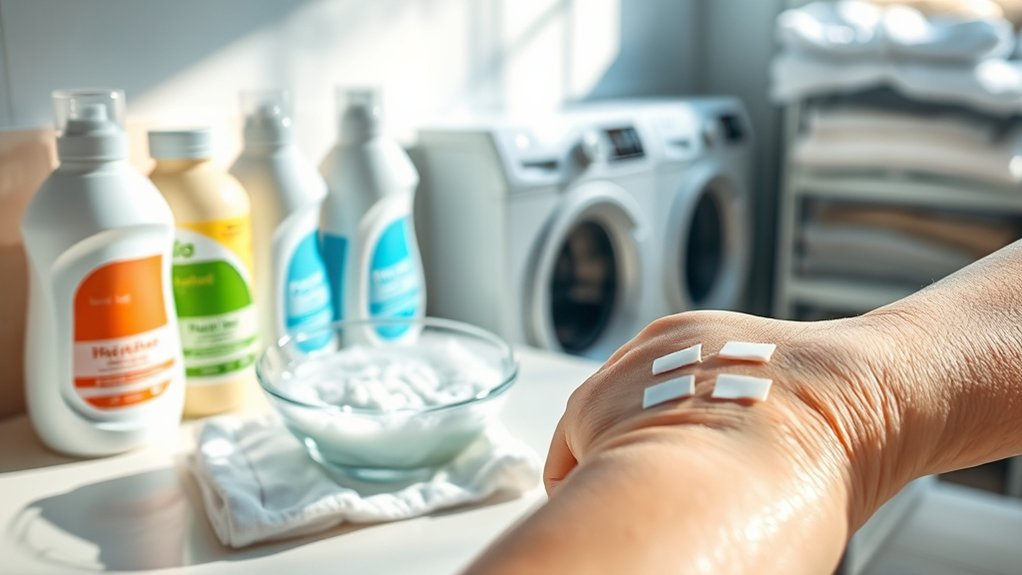
If you suspect a laundry detergent allergy, start by carefully monitoring your skin for rashes or itching, especially in areas where clothing fits tightly.
Note any signs of contact dermatitis after wearing freshly laundered clothes.
Pay close attention to any contact dermatitis symptoms following use of freshly washed garments.
To test further, apply a diluted sample of the suspected laundry detergent to a small patch of your sensitive skin and observe for allergic reactions over 7–10 days, as symptoms may be delayed.
Next, switch to a hypoallergenic detergent exclusively for 3–4 weeks and track any improvements in your skin condition.
For a definitive diagnosis, consult a dermatologist who can perform formal patch testing to identify specific allergens.
This cautious approach helps confirm whether your skin issues stem from an allergic reaction to laundry detergent.
Which Laundry Detergents Are Most Likely To Cause Allergies?
After confirming a potential allergy to laundry detergent, understanding which specific products or ingredients are most likely to cause reactions can help you make safer choices.
Laundry detergents with certain components pose higher risks for allergic and irritant contact reactions. Key offenders include:
- Fragrances and preservatives, particularly methylisothiazolinone (MI) and methylchloroisothiazolinone (MCI). These are common allergens that trigger contact dermatitis.
- Surfactants like sodium lauryl sulfate, known irritants that can sensitize skin, especially if you have pre-existing conditions.
- Optical brighteners and synthetic dyes, which may provoke allergic reactions manifesting as itching or rashes.
While only a small percentage show true allergic responses to detergents, these ingredients frequently contribute to contact irritant or allergic dermatitis.
Recognizing them helps you avoid potential triggers.
How To Choose Allergy-Friendly Laundry Detergents To Prevent Reactions
How can you effectively minimize allergic reactions caused by laundry detergents? Start by selecting hypoallergenic, fragrance-free, and dye-free detergents specifically formulated for sensitive skin.
These products reduce exposure to common allergens such as methylisothiazolinone (MI), fragrances, and harsh preservatives known to provoke skin reactions.
Check for certifications like the National Psoriasis Foundation’s Seal of Recognition to guarantee suitability.
Furthermore, implement an extra rinse cycle during laundry to thoroughly eliminate detergent residues that may irritate your skin.
Regularly clean your washing machine to prevent mold, mildew, and residue buildup, which can exacerbate sensitivities.
Frequently Asked Questions
Can Fabric Softeners Contribute to Laundry Detergent Allergies?
Yes, fabric softeners can contribute to laundry detergent allergies. They often contain fragrances, preservatives, and surfactants that irritate sensitive skin and worsen allergic reactions.
Residual softener on clothes may interact with detergents, intensifying skin irritation, especially in high-friction areas.
If you have sensitive skin or allergies, it’s wise to choose fragrance-free, dye-free fabric softeners or avoid them altogether to minimize the risk of allergic contact dermatitis.
Are Allergy Reactions From Detergents More Common in Children?
Yes, allergy reactions from detergents are more common in children. Their developing immune systems and delicate skin make them especially vulnerable.
Fragrances, preservatives, and surfactants in detergents often trigger allergic contact dermatitis in kids.
You must exercise caution with infants and young children, as their skin absorbs allergens more readily.
Even with regulatory improvements, you can’t underestimate the risk for children with sensitivities. Always choose hypoallergenic options.
How Do Environmental Factors Affect Detergent Allergy Symptoms?
Environmental factors can greatly worsen your detergent allergy symptoms. High humidity and heat increase skin moisture and sensitivity, making irritation more likely.
Pollutants like pollen or dust mites can combine with detergent residues on your clothes, triggering stronger allergic responses. Seasonal shifts may weaken your skin barrier, raising susceptibility.
Dry climates dry out your skin, heightening irritation risk, while mold or mildew in laundry areas can amplify reactions, especially if you’re sensitive to those allergens.
Can Switching Detergents Suddenly Trigger Allergic Reactions?
Switching detergents suddenly can be like opening a Pandora’s box for your skin. Yes, you can trigger allergic reactions if the new detergent carries unfamiliar fragrances, dyes, or preservatives.
Your immune system may misinterpret these as threats, causing symptoms within days or up to 10 days after use.
To avoid surprises, introduce new detergents gradually and consider patch testing if you have a history of sensitivities.
Are Homemade Laundry Detergents Safer for Sensitive Skin?
Yes, homemade laundry detergents can be safer for sensitive skin because they often exclude harsh chemicals, dyes, and synthetic fragrances.
However, you should proceed cautiously, as natural ingredients like essential oils may still cause reactions. You must test any homemade detergent on a small skin area first.
While gentler, homemade options mightn’t remove allergens as effectively as commercial hypoallergenic detergents, so balance safety with cleaning efficacy carefully.
Conclusion
If you suspect your laundry detergent is causing your skin irritation, don’t ignore it. Identifying allergens like fragrances, preservatives, surfactants, and dyes is essential.
Test carefully and choose detergents labeled hypoallergenic or free from known irritants. By staying vigilant and informed, you can stop allergic reactions early and protect your skin’s health without giving up cleanliness.