Does Dry Clean Remove Smell – What To Know
You can rely on dry cleaning to remove many common odors like body sweat, light food smells, and general storage staleness. It works because the solvents used dissolve oils and bacteria.
However, it may struggle with strong odors like smoke or mold, especially if the smell is deeply embedded in fabric layers or linings. Some odors might even come back after cleaning due to storage or handling.
To keep your garments fresh, it really helps to understand these limits. Following some care tips can make all the difference.
How Dry Cleaning Removes Odors

How exactly does dry cleaning remove odors from your clothes? Dry cleaning relies on chemical solvents like GreenEarth or perchloroethylene to dissolve oils, dirt, and odor-causing bacteria embedded in fabric fibers.
During the professional cleaning cycle, garments are immersed in these solvents, which extract and eliminate embedded odors rather than just masking them. This process targets both surface smells and some deeper odors caused by body oils and sweat.
Afterward, warm air circulation helps dissipate any remaining odors and neutralizes stubborn smells. Because dry cleaning solvents are odorless, the method depends entirely on chemical action and extraction for effective odor removal.
This specialized approach guarantees your clothes come back fresh without lingering unpleasant scents. It’s a neat way to keep your wardrobe smelling clean and feeling fresh every time.
Which Odors Dry Cleaning Removes Best
You’ll find that dry cleaning does a great job removing odors from surface oils, sweat, and light food or pet smells. It’s pretty effective at tackling those everyday odors that tend to cling to your clothes.
That said, stronger smells like smoke, mold, or skunk spray usually need more specialized treatments beyond what standard dry cleaning offers. So, it’s good to know which odors dry cleaning can handle well—it helps set realistic expectations for getting your clothes fresh again.
Easily Removed Odors
What types of odors does dry cleaning handle best? Dry cleaning excels at odor removal for common, less stubborn odors like body odor, light perfume, cooking smells, and mild mildew.
When you use cleaning solvents, they effectively neutralize odors embedded in fabric surface oils and organic matter. Dry cleaning also tackles general storage staleness and light cigarette smoke odors with notable success.
If your garments carry pet odors or food smells, dry cleaning usually handles these well, especially when treated promptly. Fresh odors respond particularly well to this process since they haven’t deeply set into fibers yet.
Challenging Odor Types
Although dry cleaning effectively removes many common odors like body odor and light cigarette smoke, some challenging smells require more attention. When dealing with stubborn smells such as severe mold, smoke damage, or skunk spray, standard dry cleaning mightn’t fully achieve odor neutralization.
The success of odor removal depends on factors like fabric type, how deep the odor molecules have penetrated, and how long the odor has been embedded. Dry cleaning works great at eliminating odors trapped in surface oils and organic matter, restoring freshness to garments affected by mildew or storage staleness.
But for the most challenging odors, you might need specialized treatments beyond standard dry cleaning. These extra steps can completely neutralize persistent odor molecules and make sure your clothes are truly odor-free.
Why Some Odors Persist After Dry Cleaning
You might notice some odors stick around after dry cleaning because smells can actually seep into the fabric layers, linings, and padding—not just stay on the surface. Odor molecules often get trapped pretty deep, especially if the fabric has any damage, which makes them tough to get out in just one cleaning cycle.
And on top of that, things like how the garment is stored or handled afterward can bring some smells back, even if it was cleaned well in the first place.
Fabric Layers And Linings
When odors penetrate fabric layers such as linings, padding, or interfacing, dry cleaning alone often can’t fully eliminate the smell. These linings and hidden fabric layers trap embedded odors, making them resistant to surface cleaning methods.
Even if the outer fabric looks fresh, residual moisture within the linings can harbor bacteria that cause smells to re-emerge.
To effectively address odors in these concealed layers, you’ll need specialized deodorizing treatments beyond standard dry cleaning. This may include targeted steaming, deodorizing sprays, or re-cleaning the linings directly to break down odor-causing agents.
Understanding that embedded odors reside beneath the surface helps you set realistic expectations and choose appropriate care methods for garments with multiple fabric layers. It’s all about knowing what’s going on beneath the fabric so you can tackle those smells the right way.
Embedded Odor Molecules
Why do some odors stubbornly linger even after a thorough dry cleaning? The answer lies in embedded odor molecules that penetrate deep into fabric fibers. These molecules often form strong chemical bonds with the fibers, making odor removal challenging for dry cleaning solvents alone.
Odors from sweat, smoke, or pet dander can accumulate over time, especially within linings or padding. This buildup makes the process even trickier. Since dry cleaning solvents primarily target surface-level contaminants, they may not fully extract these deeply embedded molecules.
Also, water-soluble odors like perspiration need moisture-based methods to break the chemical bonds effectively. Fragrance or chemical residues from prior treatments can embed within fabric fibers too, leading to persistent smells despite dry cleaning.
Knowing these limitations helps explain why dry cleaning doesn’t always guarantee complete odor elimination.
Environmental Recontamination Risks
Although dry cleaning removes many odors, environmental recontamination can cause smells to return quickly. You need to understand how lingering smells reappear despite professional cleaning. Here’s why:
- Poor storage environment with inadequate ventilation allows environmental odors to settle back onto your clothes.
- Repeated exposure to smoky, musty, or polluted areas leads to odor reabsorption even after cleaning.
- Residual odors in your home or closet can transfer onto freshly cleaned garments.
- Improper handling and storage increase the risk of recontamination, undermining dry cleaning’s effectiveness.
To prevent persistent smells, you need to store clothes in clean, well-ventilated spaces and avoid contaminated environments. Recognizing these risks helps ensure your garments stay fresh longer after dry cleaning.
Limitations of Dry Cleaning for Water-Based Stains
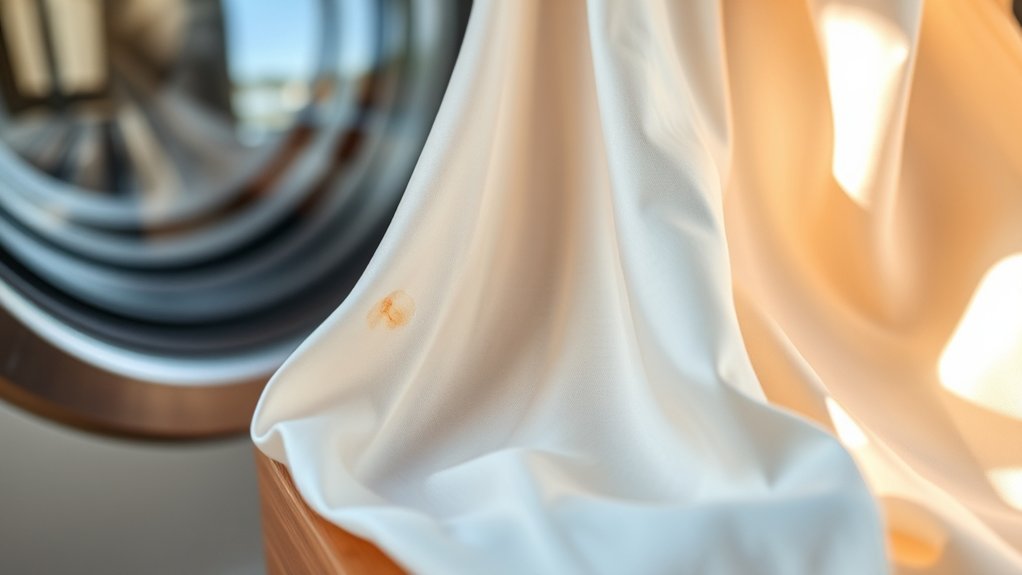
Because dry cleaning solvents don’t dissolve water-based stains, you’ll find that dry cleaning alone often fails to remove perspiration and other water-soluble marks.
These water-based stains require specialized pre-treatment, such as steam spotting, to achieve effective stain removal. Many dry cleaners overlook this step, leading to the dry cleaning limitations you should be aware of.
When improperly handled, water-based stains can leave behind persistent odors and discoloration that dry cleaning can’t resolve.
Relying solely on dry cleaning for these stains often results in lingering odors, which really undermines the freshness you expect.
To avoid these issues, it’s essential to recognize that dry cleaning isn’t a catch-all solution for all stain types, especially those caused by water-based substances and their associated odors.
When to Use Wet Cleaning or Hand Washing
If you want to tackle fresh perspiration or light water-based stains, wet cleaning or hand washing offers a reliable solution that dry cleaning often can’t match. This method excels in odor removal, especially for musty smells and water-soluble residues.
Wet cleaning or hand washing effectively removes fresh perspiration and light stains, outperforming dry cleaning in odor elimination.
When considering wet cleaning for delicate fabrics, keep these garment care tips in mind: Use cold water and mild detergents to hand wash gently and avoid damage.
For “dry clean only” items, utilize mesh bags and follow manufacturer guidelines carefully.
Focus on fresh stains or perspiration because wet cleaning dissolves these better than solvents.
Make sure to dry garments properly to prevent shrinking and color bleeding.
Choosing wet cleaning guarantees effective odor removal while preserving the integrity of your delicate fabrics. It’s a great way to keep your clothes fresh without risking damage.
Tips to Freshen Clothes After Dry Cleaning
When you bring clothes home from dry cleaning, you might notice lingering odors that don’t fully disappear. To freshen garments effectively, start by airing out your clothes in a well-ventilated space for 24 to 48 hours. This helps dissipate residual odors.
Hanging garments outdoors in the shade enhances odor removal by combining natural airflow with sunlight avoidance.
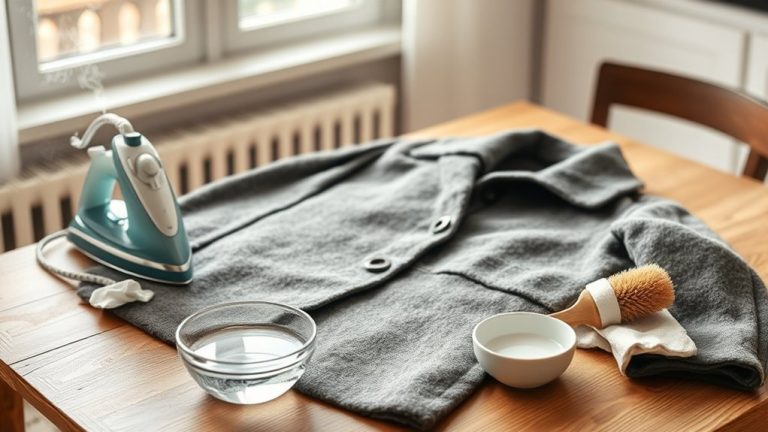
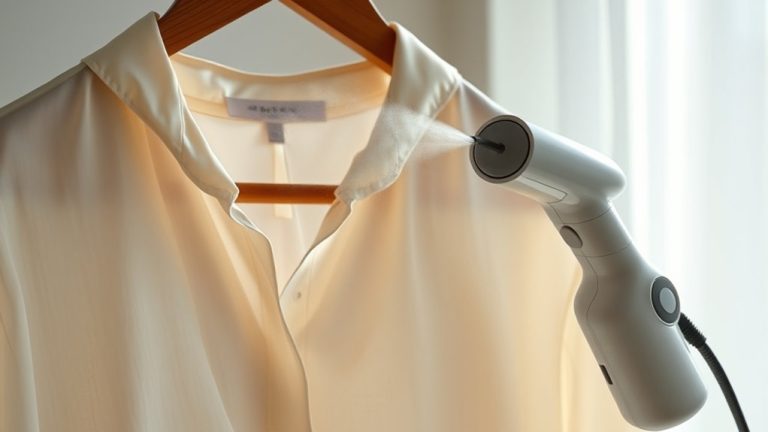
Use steam on areas prone to trapped odor molecules, such as underarms and collars, to release them.
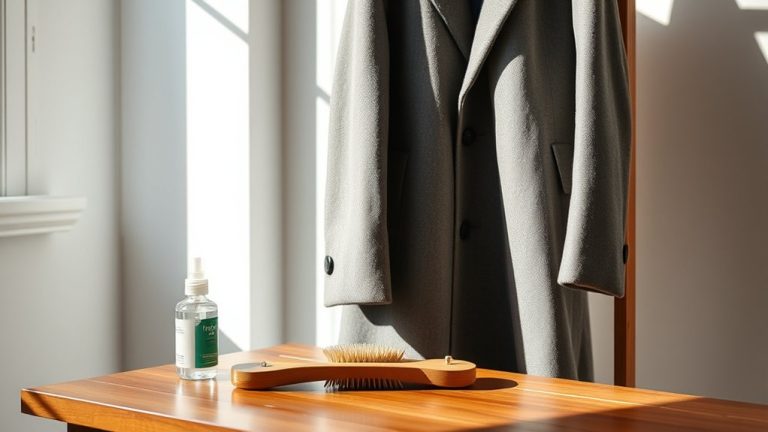
For persistent odors, spot-treat with fabric-safe neutralizers like enzyme sprays or even vodka as a DIY option.
Repeated airing and steaming considerably reduce lingering odor without needing extra cleaning cycles.
Following these steps ensures your dry-cleaned clothes smell fresh and feel comfortable to wear.
How Proper Stain Removal Extends Garment Life
Though dry cleaning is effective, you should always treat stains properly before sending garments for professional care. Proper stain removal markedly extends garment lifespan by preventing stains from setting deeper, which dry cleaning alone mightn’t address.
Here’s why proper treatment matters: Water-based stains, like perspiration, need pre-treatment to avoid lingering odors and marks. Early stain removal reduces the frequency of dry cleaning, which helps minimize fabric wear.
Plus, targeted stain removal techniques preserve fabric integrity and color.
If you neglect proper treatment, you risk permanent damage, fading, and a shorter garment life. So taking a little time to address stains early really pays off in keeping your clothes looking great longer.
Frequently Asked Questions
Can Dry Cleaning Damage Delicate Fabrics?
Yes, dry cleaning can damage delicate fabrics like silk or wool. The chemicals and agitation involved may cause shrinkage, fading, or texture loss.
If your garment has a label advising against dry cleaning, you should avoid it to preserve its integrity.
While skilled professionals adjust methods to reduce risks, you should still be cautious because delicate textiles remain vulnerable to damage during the process.
Always follow care labels carefully.
How Often Should I Dry Clean My Winter Coat?
You should dry clean your winter coat at least once every 4 to 6 months to keep it fresh and in good condition.
If you wear it daily or find yourself in smoky or polluted environments, think about cleaning it every 2 to 3 months.
Between cleanings, spot clean and air out your coat to help minimize odors and dirt buildup.
Always follow the care labels to avoid damaging the fabric with too much cleaning.
Taking these simple steps will help your coat last longer and look great all season.
Are Dry Cleaning Solvents Safe for the Environment?
Think of dry cleaning solvents as a double-edged sword. They cut through grime but can threaten nature’s balance. You shouldn’t assume all of them are safe.
Traditional solvents like perchloroethylene can harm air and water quality if they’re mishandled. However, many dry cleaners now use greener alternatives like silicone-based solvents. These reduce environmental risks.
To protect the planet, choose cleaners committed to eco-friendly practices and proper solvent disposal. You hold the power to make a greener choice.
Can Dry Cleaning Remove Pet Hair From Clothes?
Yes, dry cleaning can remove pet hair from clothes effectively. The solvent and tumbling action dislodge pet hair better than home washing.
To get the best results, you should pre-treat heavily furred garments with a lint roller or brush before cleaning.
Specialized dry cleaning techniques, like extra agitation, also help. Keep in mind, some textured fabrics may still retain pet hair even after professional dry cleaning.
But overall, it’s a great option if you want your clothes looking fresh and fur-free.
What Is the Cost Difference Between Dry Cleaning and Wet Cleaning?
You might think dry cleaning costs a fortune compared to wet cleaning, but it usually runs between $10 and $20 per item.
Wet cleaning often saves you a few bucks, thanks to cheaper detergents and simpler equipment.
If your clothes are delicate or heavily stained, dry cleaning fees can climb higher.
For everyday garments, wet cleaning is typically more wallet-friendly.
Dry cleaning suits luxury fabrics that need special care.
Conclusion
Dry cleaning can banish many stubborn odors, but it’s not a magical eraser for every smell, especially water-based ones. Think of it as a skilled surgeon—precise but with limits.
When odors linger, combining dry cleaning with wet cleaning or hand washing often does the trick. Remember, freshening your clothes isn’t just about scent; it’s about preserving their life and look.
So, choose the right method and keep your wardrobe smelling and looking its best.