Does Dry Clean Shrink Clothes – What To Know
You don’t have to worry much about dry cleaning shrinking your clothes since it uses gentle chemical solvents, not water. This reduces the risk of shrinkage quite a bit.
Wool and cotton are a bit more sensitive because they’re natural fibers. But professional dry cleaning controls heat and moisture well to keep your garments’ shape intact.
Equipment malfunctions can cause issues, but those are pretty rare with reputable cleaners. Understanding these factors helps you protect your clothes better. Knowing more can guide you to care for fabrics wisely.
Does Dry Cleaning Cause Clothes to Shrink?
Although many people worry about shrinkage, dry cleaning actually reduces this risk because it uses chemical solvents instead of water. Water absorption and agitation during washing cause fabrics like wool and cotton to shrink, but dry cleaning avoids these issues.
When you choose dry cleaning, controlled heat levels in professional machines prevent the heat-related shrinkage common in home laundering. Properly maintained equipment ensures fabrics retain their original size and shape by minimizing fiber relaxation and swelling.
While malfunctions or overheating during dry cleaning can cause shrinkage, these problems are rare and usually preventable with regular maintenance. So, when done correctly, dry cleaning is a reliable method that protects your garments from shrinkage and preserves fabric integrity over time.
What Causes Shrinkage During Dry Cleaning?
What causes your clothes to shrink during dry cleaning? Shrinkage usually happens because of too much heat or moisture during the process. Dry cleaning machines that work properly use controlled temperatures and solvents to keep fibers from contracting too much.
But if something goes wrong, like a broken chiller or a faulty water separator, it can cause extra heat or moisture. That’s when shrinkage can happen.
Also, fabrics that have manufacturing defects or some built-in tension are more likely to shrink during cleaning.
Sure, all fabrics can shrink, but those sensitive to heat and moisture are at a higher risk. Knowing these reasons helps you see why it’s important to keep the equipment in good shape and check your clothes before cleaning.
This way, you can avoid unwanted shrinkage and keep your clothes fitting and looking great.
Why Wool and Cotton Shrink More Easily
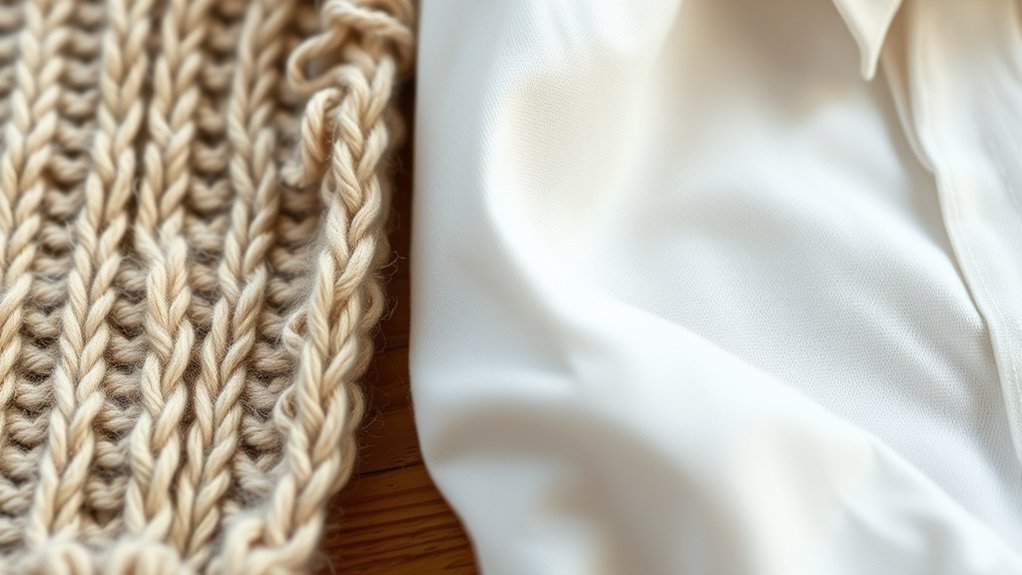
Because wool and cotton are natural fibers, they respond differently to heat, moisture, and agitation compared to synthetic fabrics. Wool’s scales trap air and moisture, which causes felting and shrinkage when heated or agitated. Cotton swells when wet, and drying tightens its fibers, leading to shrinkage.
Unlike synthetic fibers, wool and cotton don’t have chemical treatments that prevent shrinkage, so they’re more vulnerable. Heat exposure relaxes and contracts these natural fibers, which speeds up shrinkage. Knowing these differences helps you take better care of your clothes and avoid unwanted size changes.
| Fiber Type | Cause of Shrinkage | Key Characteristic |
|---|---|---|
| Wool | Felting from heat/agitation | Scaly fibers trap moisture |
| Cotton | Swelling and tightening | Fibers swell when wet |
| Synthetic | Minimal shrinkage | Chemically stabilized |
| Wool | Heat exposure contracts | Natural fiber relaxation |
| Cotton | Drying tightens fibers | No anti-shrink treatment |
Common Myths About Dry Cleaning and Shrinkage Explained
When you think about dry cleaning, you might assume it causes clothes to shrink, but that’s actually a common misconception. Dry cleaning uses gentle, eco-friendly solvents, not water and heat, so fabrics don’t swell or shrink like they might with washing.
Here are some common myths about dry cleaning and shrinkage:
- Dry cleaning always shrinks clothes.
- Harsh chemicals in dry cleaning damage fabrics quickly.
- Dry cleaning causes more shrinkage than water washing.
- Only suits and dresses need dry cleaning.
In reality, modern dry cleaning techniques prevent shrinkage and help preserve garment size.
Lots of everyday fabrics, like wool sweaters, also benefit from solvent-based cleaning.
Knowing these myths helps you trust dry cleaning to protect your clothes better than you might think.
How Dry Cleaning and Washing Differ in Shrinkage Risk
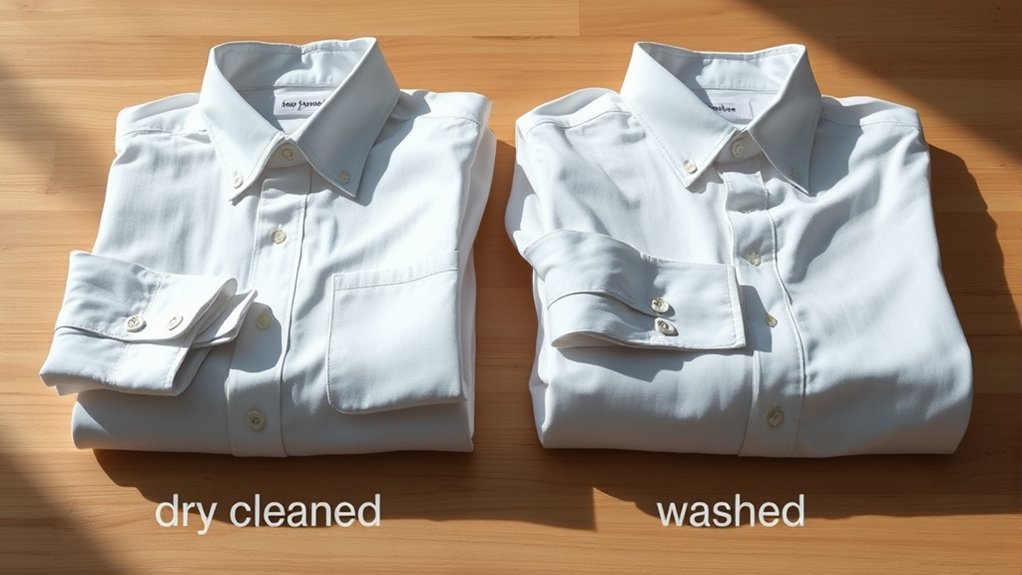
Understanding the myths about dry cleaning sets the stage for comparing how dry cleaning and washing impact fabric shrinkage differently. Dry cleaning uses chemical solvents instead of water, which notably lowers the shrinkage risk for your delicate fabrics.
In contrast, washing machines expose fabrics to water and agitation, especially with heat. This causes fibers to swell and tighten, leading to shrinkage. Water-based laundering can also weaken natural fibers over time, increasing that risk.
Properly done dry cleaning maintains a garment’s original size and shape by avoiding water absorption that makes fibers contract. While shrinkage risk exists during dry cleaning, it mainly comes from machine issues or mishandling, not the process itself.
When and Why Does Shrinkage Happen During Dry Cleaning?
You usually don’t have to worry about shrinkage during dry cleaning because it avoids water altogether. But sometimes, things can go wrong.
If the machine malfunctions and causes too much heat or moisture, your clothes might end up shrinking. So, knowing how equipment problems can affect the process is a good way to keep your garments safe.
Causes Of Shrinkage
Why does your favorite wool sweater sometimes shrink after dry cleaning? Shrinkage often happens because of malfunctions in dry cleaning equipment, like overheating solvents or faulty temperature controls. High temperatures can make natural fibers like wool contract, which leads to the sweater getting smaller.
Also, fiber relaxation can occur when garments with manufacturing defects or tension aren’t handled properly during cleaning. Excess moisture in the solvent might swell the fibers, and then they shrink once the garment dries.
Here are the main causes of shrinkage: malfunctions that cause solvent overheating or poor temperature regulation, high temperatures contracting natural fibers like wool and cotton, fiber relaxation from improper handling or garment tension, and residual moisture swelling fibers before they shrink.
Knowing these things can help you take better care of your delicate clothes during dry cleaning.
Machine Malfunctions Impact
Shrinkage during dry cleaning doesn’t just stem from fabric properties or handling. It often results from machine malfunctions. When a dry cleaning machine malfunctions, overheating components or a broken chiller can raise solvent temperatures, causing fibers to contract and shrink.
Excess moisture from a faulty water separator may swell fibers initially but leads to shrinkage once dried. Improper maintenance or uneven heat distribution inside the machine can cause localized shrinkage in garments.
Clothes with manufacturing defects become more vulnerable to shrinkage when the equipment operates outside ideal parameters.
To minimize shrinkage risks, make sure you regularly maintain your dry cleaning machine. Also, watch for signs of malfunctions that affect heat and moisture control during the cleaning process. Taking these steps can really help protect your garments.
How Professionals Prevent Shrinkage in Dry Cleaning
Although dry cleaning uses solvents instead of water, professionals still take careful measures to prevent fabric shrinkage. They know that different fibers react in unique ways, so they tailor the cleaning method to avoid shrinkage and fiber damage. Each garment gets a careful inspection to choose the right solvents and cycles for its fabric type.
To keep the garment’s size and fit just right, they control temperature, humidity, and machine agitation very precisely. Making sure the equipment is working properly is super important because overheating or too much moisture can cause shrinkage.
They also use custom finishing techniques like gentle pressing and stretching to help restore the garment’s shape.
Here are some key steps professional dry cleaners take:
- Selecting solvents and cycles based on fiber type
- Monitoring temperature and humidity levels
- Maintaining machine parts to avoid malfunctions
- Applying finishing techniques to preserve garment shape
Tips to Prevent Shrinkage When Dry Cleaning Clothes
Professionals take many careful steps to protect your clothes from shrinking during dry cleaning, but you can also play a key role in preserving your garments. Always follow the care label instructions to confirm your clothes are suitable for dry cleaning, reducing the chance they’ll shrink.
Professionals work to prevent shrinkage, but following care labels ensures your clothes stay safe during dry cleaning.
Choose reputable cleaners who use gentle dry cleaning solvent and maintain their equipment properly. Communicate any concerns about delicate items or fit to ensure extra caution.
After cleaning, opt for air drying or low heat to avoid fiber contraction that causes shrinkage.
Finally, store your clothes only when completely dry, folding or hanging them correctly to maintain their original shape. By taking these steps, you’ll help protect your garments from unwanted shrink and keep delicate items looking their best.
Fabrics That Rarely Shrink in Dry Cleaning
You’ll find that synthetic fibers like polyester and nylon rarely shrink during dry cleaning. They hold their shape really well because of their durable construction and shrink-resistant qualities.
Synthetic Fibers Resistance
Why do synthetic fibers like polyester, nylon, and acrylic rarely shrink during dry cleaning? It’s because these fabrics have inherent resistance to shrinkage thanks to their stable chemical and physical properties. When you dry clean them, synthetic fibers maintain their size and shape much better than natural fibers.
Here’s why synthetic fibers resist shrinkage so well during dry cleaning:
Polyester has a stable chemical structure and low moisture absorption, which prevents distortion. Nylon doesn’t swell or contract much with heat or solvents. Acrylic’s thermoplastic nature stops fiber contraction under dry cleaning conditions.
Overall, synthetic fibers hold their form because of this combined resistance.
Knowing this can help you feel confident that dry cleaning won’t change the fit or look of your synthetic clothes.
Polyester Shrinkage Resistance
Among synthetic fibers, polyester stands out for its exceptional resistance to shrinkage during dry cleaning. Because polyester doesn’t absorb water, it avoids swelling that causes shrinkage in natural fibers. The solvents used in dry cleaning are gentle on polyester, helping it maintain shape retention without fiber relaxation.
When you dry clean polyester garments properly, you can expect minimal to no size changes. This really shows off its superior shrinkage resistance.
| Feature | Polyester | Natural Fibers |
|---|---|---|
| Water Absorption | Very Low | High |
| Shrinkage in Dry Cleaning | Minimal | Moderate to High |
| Shape Retention | Excellent | Variable |
Polyester remains among the fabrics least prone to shrinkage. That’s what makes it ideal for dry cleaning.
Nylon Durability Benefits
Although many fabrics can suffer shrinkage during dry cleaning, nylon stands out for its remarkable durability and stability. You’ll find nylon resists shrinkage because its synthetic fibers maintain dimensional stability, even after repeated cleaning. Unlike natural fabrics, nylon doesn’t swell or contract under typical dry cleaning conditions.
This durability makes nylon a top choice when you want garments that hold their shape and size.
Key benefits of nylon’s durability include:
- High resistance to shrinkage during dry cleaning
- Maintains dimensional stability despite heat and moisture exposure
- Chemical solvents used in dry cleaning don’t affect nylon fibers considerably
- Ideal for frequent cleaning without risk of distortion
Why Picking the Right Dry Cleaner Prevents Shrinkage
How can you prevent your favorite clothes from shrinking during dry cleaning? Start by choosing reputable dry cleaners who prioritize proper handling and fabric-specific care.
Experienced professionals use controlled temperatures and specialized equipment, which greatly reduces heat-related shrinkage risks.
They understand delicate fibers and tailor processes accordingly, making sure your garments don’t shrink. It helps to clearly communicate your fabric type and garment history so they can customize the care.
Picking a dry cleaner with positive reviews and proper certification shows they follow best practices to keep your clothes’ size and fit.
When you trust knowledgeable experts, you minimize shrinkage and help your wardrobe last longer.
Choosing the right dry cleaner isn’t just about convenience; it’s key to preserving your clothes’ integrity.
Frequently Asked Questions
Can Dry Cleaning Restore Shrunken Clothes to Their Original Size?
Dry cleaning won’t fully restore shrunken clothes to their original size. It can help relax fibers and gently stretch certain fabrics like wool or cotton, which might improve the fit somewhat.
But if the shrinkage is severe or the fibers have felted, dry cleaning won’t reverse that. It’s best to consult a professional dry cleaner for the best chance at minimizing shrinkage.
Just keep in mind, you shouldn’t expect complete restoration to the garment’s original dimensions.
How Does Dry Cleaning Affect the Color of Clothes?
You’d think dry cleaning would bleach your clothes, but actually, it’s designed to protect their color. Dry cleaning uses gentle solvents and avoids hot water, so it preserves dyes better than washing.
However, if your garment has poor-quality dyes or the cleaner isn’t careful, color fading can still happen. So, while dry cleaning generally keeps colors vibrant, you should always trust reputable professionals to handle your clothes.
Is It Safe to Dry Clean Clothes With Embellishments or Sequins?
Yes, it’s safe to dry clean clothes with embellishments or sequins if you take precautions. Make sure you inform your dry cleaner about the decorations so they can use gentle solvents and low-temperature processes.
To protect fragile embellishments, turn your garment inside out or use a protective bag. Keep in mind that glued or loosely sewn sequins might still loosen.
How Often Should Delicate Fabrics Be Dry Cleaned to Avoid Damage?
You’d think delicate fabrics want daily spa treatments, but ironically, less is more. Aim to dry clean silk or wool every 4 to 6 wears to avoid damage. Overdoing it can actually weaken fibers and cause shrinkage.
If you wear those pieces lightly, stretch it to 8 to 10 wears. Always follow care labels and consult pros when unsure.
Proper storage and inspection reduce cleaning needs, keeping your clothes fresh longer.
What Should I Do if My Clothes Shrink After Dry Cleaning?
If your clothes shrink after dry cleaning, first check if the size change is permanent or temporary. While damp, gently stretch the garment and air-dry it to help regain shape. Contact your dry cleaner to discuss the problem and the cleaning methods they used.
For delicate fabrics, ask about professional re-stretching or steaming. If shrinkage is significant, consult a tailor for alterations to restore the fit. Acting quickly usually improves the results. So, don’t wait too long to take action!
Conclusion
Think of your clothes as delicate flowers. Dry cleaning is like a careful gardener’s touch. While shrinkage can happen, especially with wool and cotton, skilled professionals use precise methods to keep your garments thriving.
By choosing the right dry cleaner and following simple tips, you protect your wardrobe’s fit and feel. So, treat your clothes with care, and they’ll bloom season after season, staying just the way you want them.