When To Use Hot Water For Laundry – Timeline & Facts
You should use hot water for laundry when dealing with heavily soiled, durable fabrics like towels, bed linens, and workout clothes. This is especially true if you need to disinfect or remove stubborn odors and stains.
Hot water works best for items exposed to bodily fluids and for brightening whites. But always check care labels first to avoid damaging delicate fabrics or causing color fading.
If you want to optimize cleaning while protecting your clothes, understanding the nuances of hot water use can help.
Key Takeaways
- Use hot water for heavily soiled, durable fabrics like towels and bed linens to enhance cleaning and disinfecting.
- Hot water effectively kills bacteria and viruses at temperatures above 130°F, ideal for laundering items exposed to bodily fluids.
- Avoid hot water on delicate fabrics to prevent shrinkage, color fading, and damage, especially wool, silk, and new garments.
- Always check care labels to ensure fabrics are hot water-safe and to avoid irreversible damage or color bleeding.
- Limit hot water use to necessary loads to save energy and prolong fabric life, air drying or low-heat drying afterward.
When Is Hot Water Best for Laundry?
Although you might be tempted to use hot water for every load, it’s best reserved for deep cleaning heavily soiled items like towels and bed linens. Hot water effectively loosens dirt and grime, making it ideal for disinfecting laundry contaminated with bodily fluids.
However, you should only wash fabrics labeled as hot water-washable to avoid fabric damage or shrinkage. Be cautious with protein stains, such as blood or sweat; hot water can set these stains, so always treat them before washing.
Using hot water also brightens whites better, especially with detergents containing optical brighteners.
Which Laundry Items Benefit Most From Hot Water?
You’ll get the best results using hot water for heavily soiled fabrics, like workout gear or kitchen towels. That’s because hot water loosens dirt more effectively.
It’s also great for disinfecting household linens that might be contaminated with bodily fluids, making sure germs are really killed.
Plus, durable cotton materials can handle hot water without getting damaged, so they’re perfect for a thorough cleaning.
Heavily Soiled Fabrics
When you tackle heavily soiled fabrics, hot water works best to break down dirt, oils, and stubborn stains. Heavy-duty items like work clothes, sports uniforms, and towels benefit from hot water’s superior cleaning power, which loosens grass, oily stains, and body oils effectively.
It also helps remove bacteria from linens exposed to bodily fluids or odors. Before washing, always check the care label to confirm the fabric can handle hot water, as delicate materials might shrink or get damaged.
Using hot water guarantees a deeper clean for heavily soiled items, especially those with tough stains, giving you a more thorough wash. This practical approach maximizes stain removal and maintains the fabric’s integrity when done correctly.
Disinfecting Household Linens
Beyond tackling tough stains on heavily soiled fabrics, hot water plays a key role in disinfecting household linens like bed sheets and towels.
Using hot water helps kill bacteria and viruses that thrive in warm, damp environments, ensuring your linens are sanitary.
You should always wash items contaminated with bodily fluids such as vomit, feces, or urine in hot water to guarantee thorough disinfecting.
Moreover, hot water boosts the cleaning power of detergents, especially on kitchen linens and dish towels that hold stubborn stains and odors.
Regularly washing household linens in hot water also reduces allergens and dust mites, contributing to a healthier home.
Just be sure to check labels. Linens marked as hot water-washable benefit most from this method, maximizing both cleanliness and fabric care.
Durable Cotton Materials
Although hot water isn’t suitable for every fabric, it works exceptionally well for durable cotton materials. It helps you remove heavy soil, odors, and tough stains.
You’ll find hot water ideal for deeply cleaning heavily soiled items like towels, bed linens, work clothes, and sports gear made from cotton. It also brightens whites and enhances detergent performance.
However, always check care labels before washing since some cotton blends might shrink or get damaged in hot water.
| Item Type | Benefit of Hot Water |
|---|---|
| Towels & Bed Linens | Removes odors and heavy soil |
| Cotton Shirts & Jeans | Disinfects and brightens whites |
| Work Clothes & Sports Gear | Loosens tough stains like grease |
Use hot water wisely for durable cotton materials to get the best clean without damage.
How Does Hot Water Tackle Tough Stains and Odors?
Hot water works wonders on tough stains like dirt, grease, and sweat because it breaks them down more effectively than cold water. This means your heavily soiled clothes come out cleaner and fresher.
Plus, it’s great at neutralizing stubborn odors since the heat helps kill the bacteria that cause those smells during the wash.
Just a quick tip though—always check your care labels first. You don’t want to accidentally damage any sensitive fabrics by using water that’s too hot.
Stain Removal Efficiency
When you need to tackle tough stains and odors, using hot water can make a big difference by loosening dirt, oil, and sweat embedded in fabrics.
Hot water works especially well for stain removal on heavily soiled items like work uniforms and sports gear. It also helps sanitize by disinfecting fabrics contaminated with biological matter.
Be cautious with protein-based stains such as blood or dairy because they can set if exposed to hot water. So, treat these stains first with cold or warm water.
Plus, hot water can boost detergents’ stain-fighting enzymes, which improves odor removal.
Always check care labels before using hot water. Delicate fabrics may shrink or get damaged, which can undo the benefits of stain removal.
Odor Neutralization Benefits
Since tough odors often cling to fabrics from sweat and bacteria, using hot water can greatly boost your laundry’s freshness. Hot water excels at odor neutralization by breaking down odor-causing bacteria in heavily soiled items like gym clothes. It also enhances stain removal by dissolving grease and oils more effectively than cold water.
Furthermore, hot water plays an essential role in disinfecting, especially for items exposed to bodily fluids or contaminants, ensuring proper sanitation.
| Benefit | Explanation |
|---|---|
| Odor Neutralization | Breaks down bacteria causing odors |
| Stain Removal | Dissolves tough grease and oils |
| Disinfecting | Kills germs on contaminated fabrics |
| Fabric Brightening | Revitalizes whites with detergents |
Use hot water for maximum cleanliness and freshness on heavily soiled items.
Why Is Hot Water Ideal for Disinfecting Laundry?
Because temperatures of at least 130°F effectively kill bacteria and viruses, you should use hot water when disinfecting laundry contaminated with bodily fluids or pathogens.
Hot water not only eliminates harmful bacteria but also loosens dirt and grime more efficiently than cooler temperatures, boosting detergent performance. This makes it particularly effective for disinfecting laundry such as towels and bed linens.
Moreover, hot water helps remove stubborn stains and brightens whites by activating detergent brighteners.
However, always check fabric care labels before using hot water to avoid damaging or shrinking delicate materials.
What Fabrics Can You Safely Wash in Hot Water?
You can safely wash durable fabrics like cotton and polyester in hot water without worrying about damage.
But when it comes to heat-sensitive fabrics like silk or wool, cooler temperatures are a must to avoid shrinking or fading.
It’s always a good idea to check the care label first.
That way, you’ll know for sure you’re using the right water temperature for each item.
Durable Fabric Types
Although hot water effectively cleans and sanitizes, it’s best reserved for durable fabrics like cotton, linen, polyester blends, denim, and canvas that can handle higher temperatures without damage.
When using hot water, always check care labels to verify your items are safe for this wash.
Here are four durable fabric types that tolerate hot water well:
- Cotton – absorbs hot water without shrinking quickly, ideal for towels and bedding.
- Linen – withstands heat, perfect for heavy-duty cleaning.
- Synthetic blends (e.g., polyester) – resist damage and maintain shape in hot water.
- Denim and canvas – robust materials that handle hot water without losing integrity.
Use hot water sparingly to avoid long-term wear even on durable fabrics.
Heat-Sensitive Fabrics
While hot water works well for sturdy fabrics, it can cause damage to heat-sensitive materials like wool, silk, and certain blends. You should avoid washing delicate items in hot water as it may cause them to shrink or lose their shape.
Always check care labels to identify heat-sensitive fabrics and follow the recommended washing temperature. Here’s a quick guide to fabric care regarding hot water:
| Fabric Type | Hot Water Safe? | Risk |
|---|---|---|
| Wool | No | Shrinkage, felt damage |
| Silk | No | Color fading, weakening |
| Cotton (durable) | Yes | Generally safe, disinfects |
Stick to cold or warm water for delicate items to maintain their integrity and avoid costly damage.
Care Label Importance
Because fabric care labels provide essential washing instructions, you should always check them before using hot water. Care labels guide you on which fabrics can safely endure hot water without damage, helping you avoid costly mistakes.
Here’s what to keep in mind:
- Wash cotton, linen, and durable synthetics in hot water for effective deep cleaning.
- Avoid hot water on delicate fabrics like silk, wool, and lace to prevent shrinkage or damage.
- Use hot water to disinfect items soiled with bodily fluids, but only if the care label permits.
- Choose hot water for heavily soiled or odorous fabrics to better loosen dirt and stains.
Following care labels guarantees safe washing while maximizing cleanliness and fabric longevity.
How Does Hot Water Cause Shrinkage and Fabric Damage?
When you wash fabrics like cotton or linen in hot water, the heat relaxes their fibers and changes their structure. This causes noticeable shrinkage, especially with repeated washes.
Hot water shrink happens because the heat warps fabric fibers, reducing garment size and altering fit.
Delicate fabrics like wool and silk face greater risks. Hot water can felt wool and strip silk’s elasticity, leading to irreversible damage.
Temperatures above 140°F make shrinkage and fiber weakening worse, which shortens your clothing’s lifespan.
Even items labeled “hot water-washable” aren’t immune to gradual shrinkage if washed too often at high heat.
To protect your clothes, always follow clothing care labels. Use cooler water for delicate fabrics to maintain shape and extend durability.
Hot water is best reserved for sturdy, shrink-resistant items.
How Does Hot Water Affect Colors and When Should It Be Avoided?
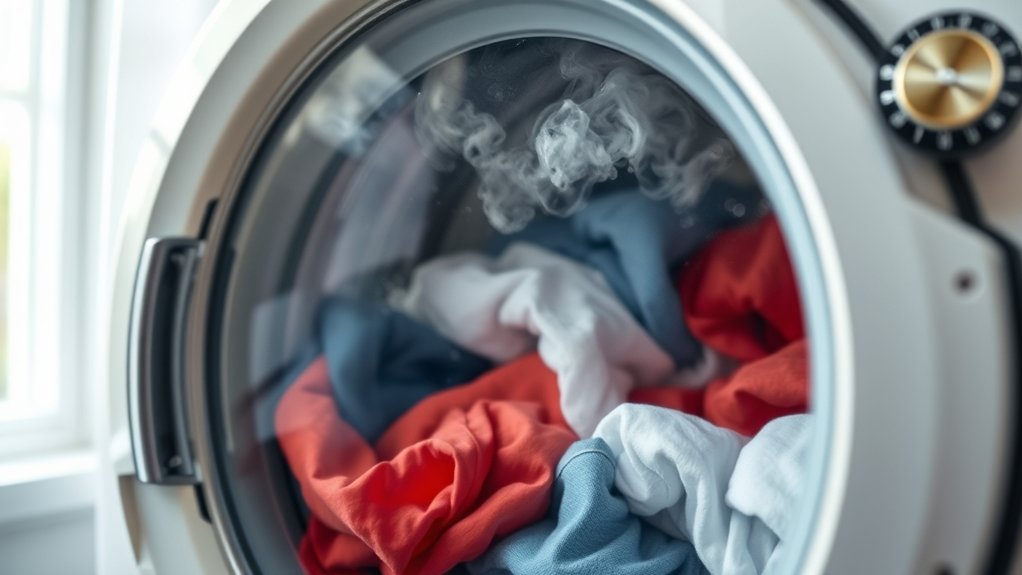
Since hot water can cause colors to fade faster and loosen dyes, you should avoid using it for dark or brightly colored garments.
Hot water may cause color bleeding, especially in new clothes, which damages their appearance.
You should also be cautious with protein-based stains like blood or sweat, as hot water can set these stains, making them tougher to remove.
Moreover, avoid hot water for delicate fabrics such as wool and silk, which can shrink or get damaged.
Here’s when to avoid hot water:
- When washing dark or brightly colored clothes to prevent fading
- For new garments prone to dye bleeding
- On protein-based stains to avoid setting them permanently
- When cleaning delicate fabrics to prevent shrinkage and damage
Use warm or cold water for better color retention and fabric care.
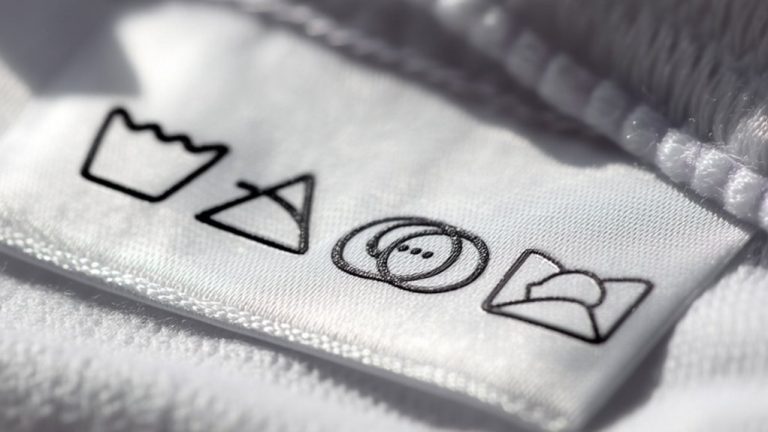
How Do You Read Care Labels Before Washing With Hot Water?
How can you be confident hot water is safe for your laundry? Start by carefully checking the care label on each item. These wash labels provide essential guidance on the appropriate temperature for your fabrics.
Look for the tub symbol with dots: one means cold, two warm, and three indicates hot water is safe. If the label explicitly says “do not wash in hot water,” avoid it to prevent damage, shrinkage, or fading.
Check the tub symbol: one dot is cold, two warm, and three means hot water is safe.
Generally, durable fabrics like cotton and some synthetics tolerate hot water well, while delicate materials such as silk or wool require cooler temperatures.
Also, pay attention to instructions like “wash separately,” since hot water can increase risks like color bleeding.
Following these care details guarantees your laundry stays in good condition.
How Does Hot Water Compare to Warm and Cold Water Washes?
Although hot water excels at disinfecting and deep cleaning heavily soiled items, you’ll find that warm and cold water each have distinct advantages depending on your laundry needs.
Modern detergents work well across temperatures, so you don’t always need hot or cold water exclusively. Consider these points:
- Use hot water for whites and heavily stained fabrics but avoid it on delicates to prevent shrinking.
- Warm water instead suits man-made fibers and moderately soiled clothes, balancing cleaning power and fabric care.
- Cold water saves energy use dramatically and protects colors and delicate items from damage.
- Modern detergents optimize cleaning in cold water, reducing the need for hot water, which accounts for most energy consumption.
Choosing the right temperature helps you clean effectively while preserving fabric longevity and saving energy.
What Are Tips for Using Hot Water Efficiently and Safely?
When you use hot water for laundry, it’s crucial to check care labels to avoid damaging or shrinking your clothes.
Reserve hot water for durable fabrics like cotton and sturdy synthetics, especially for heavily soiled items such as towels or bedding.
Hot water effectively loosens dirt, removes tough stains, brightens whites, and disinfects contaminated fabrics.
Hot water helps lift dirt, tackle tough stains, brighten whites, and sanitize fabrics effectively.
To use hot water efficiently, limit its use to specific loads that truly need it, reducing unnecessary energy consumption.
After washing, air dry or use low-heat settings to prevent shrinkage.
Avoid washing delicate fabrics in hot water, as it can cause damage.
Frequently Asked Questions
Can Hot Water Help Remove Allergens From Laundry?
Yes, hot water can help remove allergens from your laundry. When you wash items at temperatures above 130°F, you effectively kill dust mites, pet dander, and other allergens.
Using hot water also boosts your detergent’s ability to break down proteins that trap allergens in fabrics.
To reduce allergen buildup, especially on bedding and towels, wash them weekly with hot water, keeping your home cleaner and healthier for allergy sufferers.
Does Hot Water Use More Energy Than Cold or Warm Water?
Yes, hot water uses considerably more energy than cold or warm water.
When you wash clothes in hot water, your machine spends most of its energy heating the water, which drives up your utility bills.
Using cold or warm water can cut energy use by up to half, saving money and helping the environment.
Reserve hot water for heavily soiled or allergen-prone laundry to balance cleaning power and energy efficiency.
How Long Should Laundry Be Washed in Hot Water for Best Results?
You should wash your laundry in hot water for 10 to 30 minutes for the best results.
For heavy soils or odors, aim for around 10 to 20 minutes.
If you need to disinfect towels or bed linens, extend the cycle to at least 30 minutes at about 130°F or higher.
Always check care labels to avoid damaging delicate fabrics by washing them too long in hot water.
Can Hot Water Damage Washing Machines Over Time?
Just like a steam engine wears down with constant heat, your washing machine can suffer from frequent hot water use.
You’ll find that hot water accelerates wear on seals and gaskets, causing leaks over time.
It also stresses the heating element and invites mineral buildup, which impairs performance.
To keep your machine running smoothly, use hot water sparingly.
Save it for heavily soiled clothes and stick to cooler settings for everyday loads.
Is Hot Water Effective for Washing Reusable Face Masks?
Yes, hot water is effective for washing reusable face masks. It kills germs and removes oils and odors trapped in the fabric, ensuring thorough sanitation.
You should use water at least 140°F along with a strong detergent to maximize cleaning power.
Just check your mask’s care label first. Some delicate fabrics might need cooler water to prevent damage.
Using hot water helps keep your mask both clean and safe to wear.
Conclusion
When you choose hot water for your laundry, you’re turning up the heat on stains, odors, and germs, giving your clothes a deep, thorough clean. Just remember to check care labels carefully. Hot water isn’t a one-size-fits-all solution.
Use it wisely on durable fabrics to keep colors bright and fibers strong. Think of hot water as your laundry’s secret weapon, ready to tackle tough messes while protecting what matters most.