What About Oxiclean – A Closer Look
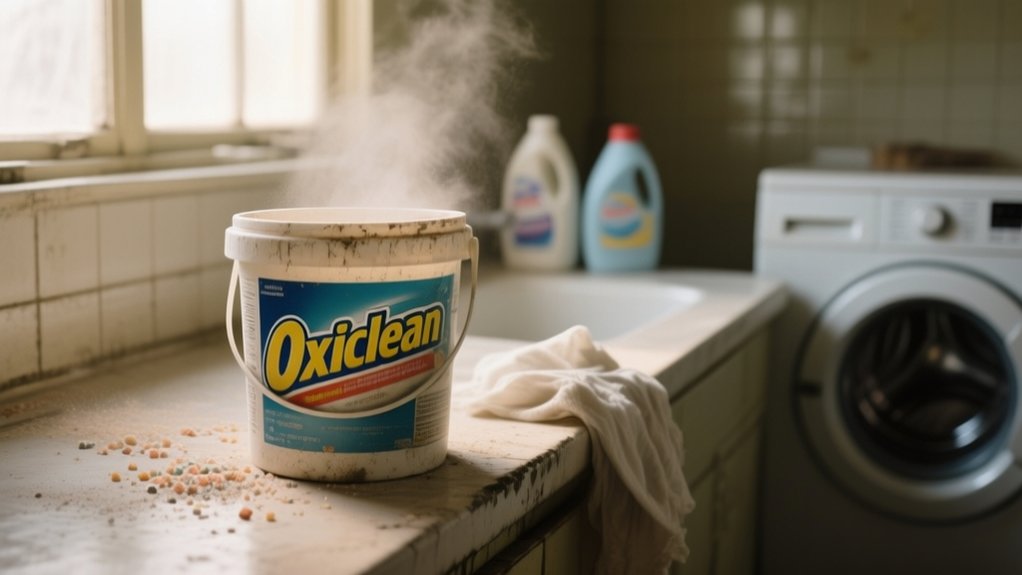
OxiClean uses oxygen-based chemistry to loosen stains, but results depend on the product and surface. Many powders contain sodium percarbonate, which releases hydrogen peroxide and washing soda in water. Some formulas also include surfactants or enzymes.
You can use suitable products on certain fabrics and surfaces, but always check the label and test a hidden spot first. Never mix cleaners, and measure carefully since extra product won’t guarantee better cleaning. A closer look can help you choose and use it wisely.
What Is OxiClean and What’s in It?
OxiClean is a brand of oxygen-based cleaning products, not a single formula. You’ll find it in powders, sprays, gels, and other formats, with ingredients that vary by product.
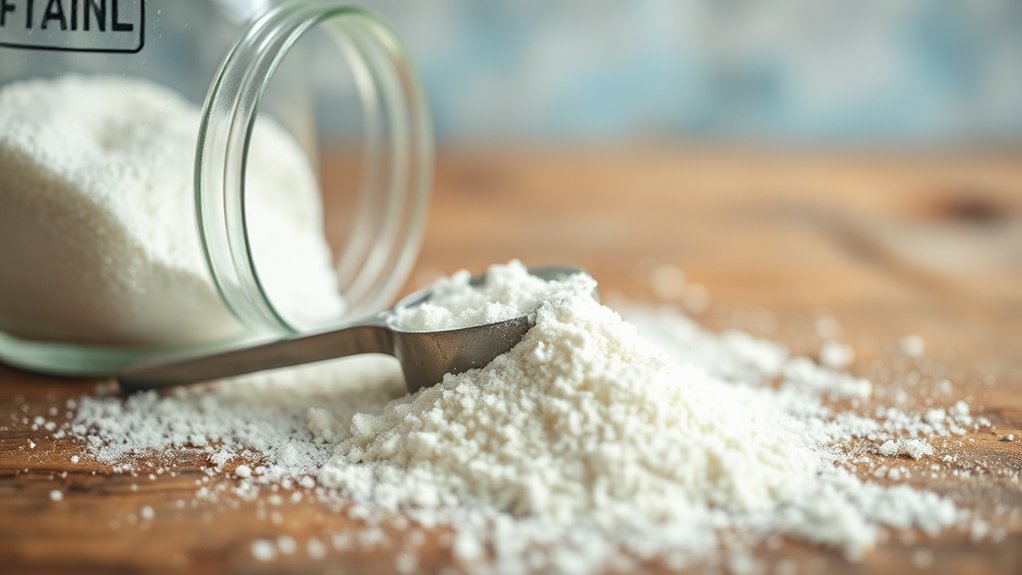
The familiar powder typically contains sodium percarbonate, which releases hydrogen peroxide when mixed with water, plus sodium carbonate, also called washing soda. Some versions include surfactants, enzymes, fragrances, or other cleaning agents.
OxiClean powder typically contains sodium percarbonate and washing soda, though some formulas include additional cleaning agents.
Check the package label to see what’s in the specific OxiClean product you’re considering. The ingredient list and directions can differ across formulas, intended uses, and regions.
You should also review warnings and handling instructions, especially if you have sensitive skin or plan to use the product around children or pets.
OxiClean isn’t chlorine bleach, and you shouldn’t assume every product has the same ingredients or uses.
How Does OxiClean Work on Stains?
Because formulas vary, OxiClean’s stain-fighting action depends on the product, but many versions use oxygen released in water to help loosen and break down stains.
When you add these products to water, sodium percarbonate can release hydrogen peroxide and soda ash.
The peroxide helps oxidize colored compounds, changing their structure so stains may become less visible or easier to remove.
Surfactants in some formulas help lift oily soil and keep loosened particles suspended, while enzymes can target specific materials, such as protein or starch.
Together, these ingredients can help tackle food, drink, and other everyday marks on washable fabrics and hard surfaces.
Results depend on the stain, surface, formula, and time since the mark formed. OxiClean doesn’t work identically on every stain, and some marks may remain.
How Do You Use OxiClean Safely?
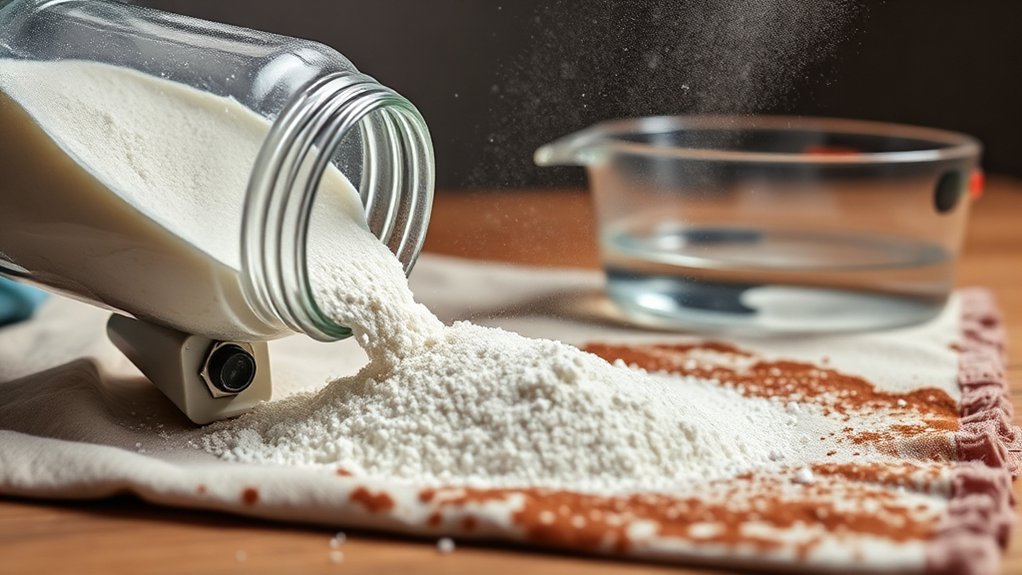
To use OxiClean safely, follow the product label and check that the formula suits the surface or fabric you’re treating. Before you begin, read all directions, including dilution, contact time, and rinsing instructions. Don’t mix OxiClean with other cleaners, especially chlorine bleach or products containing ammonia. Combining chemicals can create hazardous fumes or reactions.
> Follow the label, check that the formula suits the surface, and never mix OxiClean with other cleaners.
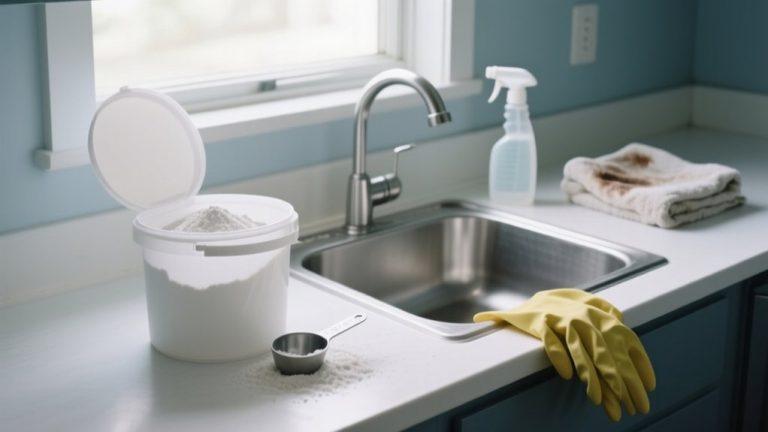
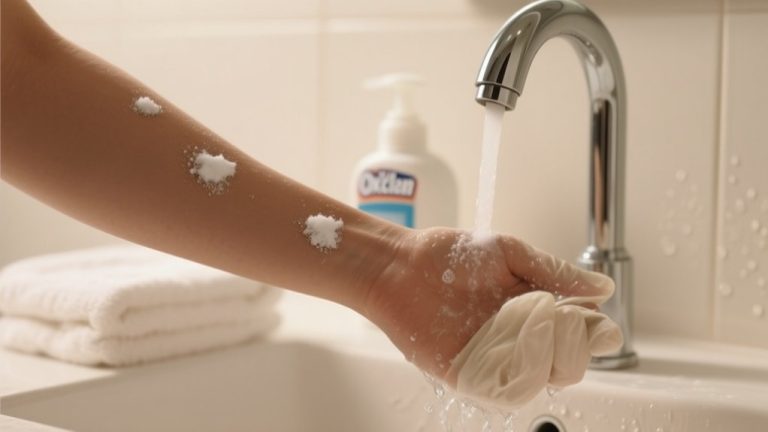
- Wear gloves if the label recommends them, and avoid getting the solution in your eyes or on your skin.
- Work in a well-ventilated area, and don’t breathe dust or mist.
- Keep the product and prepared solution away from children and pets.
- Store the powder tightly sealed in its original container, in a cool, dry place.
If you swallow any product or develop irritation, stop using it and follow the label’s first-aid guidance. Contact poison control or a medical professional as needed.
Which Stains and Surfaces Can OxiClean Clean?
Which stains and surfaces can OxiClean clean?
OxiClean can help lift many everyday stains from washable fabrics. You can use it on food spills, coffee, tea, wine, grass, mud, and perspiration marks. Its oxygen-based formula works well on organic stains, such as fruit juice and blood, though older or set-in marks may need repeated treatment. Always follow the product label and the care instructions for the item.
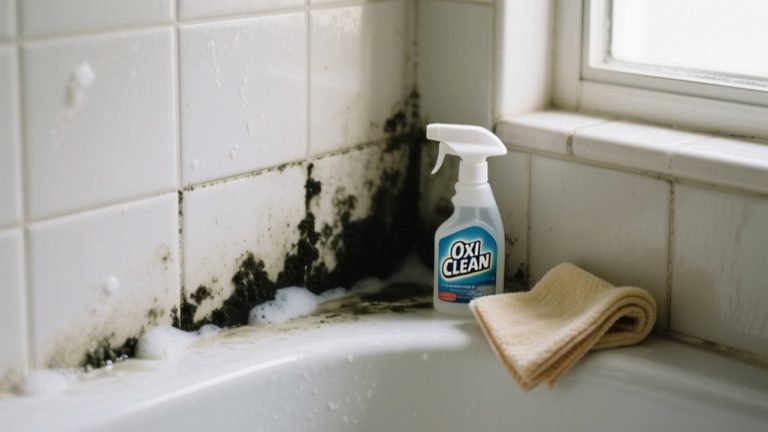
Beyond laundry, you can use certain OxiClean products on compatible household surfaces. Depending on the formula, these may include carpets, upholstery, tile, grout, and outdoor furniture.
Check the label to confirm the product suits the material, then test it on a small, hidden area first. For best results, treat stains promptly, use the recommended amount, and give the solution the label’s specified contact time before rinsing or washing.
Where Should You Avoid Using OxiClean?
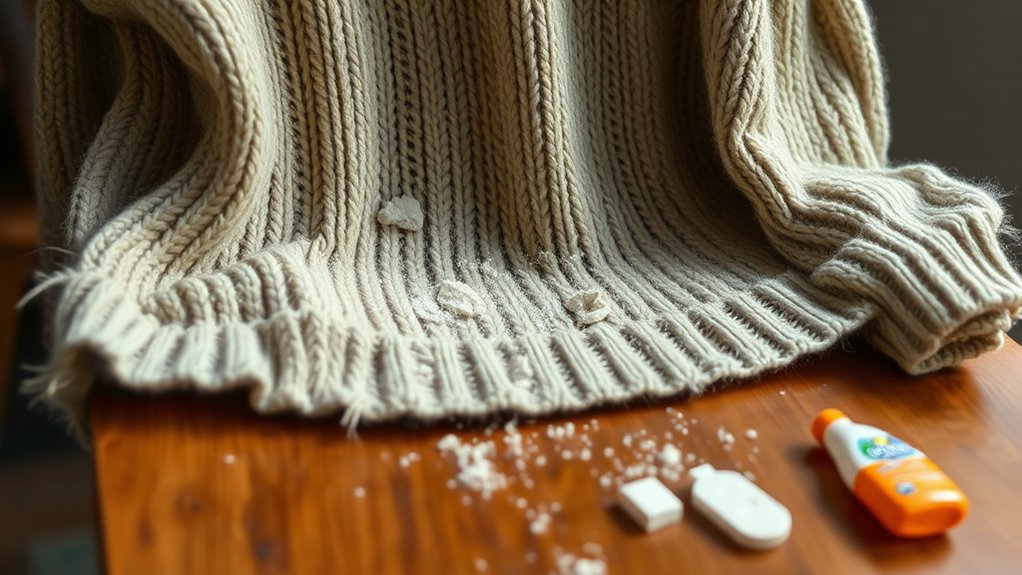
Where should you avoid using OxiClean? Check the product label and the item’s care instructions before applying it. OxiClean isn’t suitable for every material, and testing a hidden spot can help prevent damage.
- Wool and silk: Don’t use it on these delicate fibers because oxygen bleach may weaken or discolor them.
- Leather and suede: Keep the solution away since moisture and cleaning agents can stain, stiffen, or damage these materials.
- Certain metals: Avoid soaking aluminum or other metals unless the label specifically permits it. The solution may cause discoloration or corrosion.
- Unsealed or delicate surfaces: Don’t apply it to untreated wood, natural stone, or surfaces with uncertain finishes. It may dull or alter their appearance.
Never mix OxiClean with chlorine bleach, ammonia, or other cleaners.
Follow package directions, ventilate the area, and keep the product away from children and pets.
When Is OxiClean Worth Using?
OxiClean is definitely worth reaching for when you’re dealing with those stubborn stains that regular detergent just can’t handle.
It’s great for giving your laundry a bright, fresh look if things are starting to look a bit dull.
If you’ve got a bigger cleaning job, though, it’s a good idea to compare how much OxiClean you’ll need with the cost of other cleaning options to make sure you’re getting the best bang for your buck.
Stubborn Stain Removal
For stubborn stains, OxiClean is worth trying when ordinary detergent isn’t enough and the fabric can handle oxygen bleach. It can help lift food, grass, sweat, and other set-in marks, especially when you treat them before washing.
Check the care label first, and test a hidden spot if you’re unsure about colorfastness.
- Scrape or blot away excess stain; don’t rub it deeper.
- Mix OxiClean with water according to the package directions.
- Soak the garment for the recommended time, checking periodically.
- Wash as usual, then inspect the stain before drying.
If the mark remains, repeat treatment rather than using heat, which can set it.
Avoid OxiClean on wool, silk, leather, or fabrics labeled dry-clean only. For delicate items, choose a gentler method or consult a cleaner.
Laundry Brightening Needs
When whites look dingy or colors seem dull, OxiClean can brighten laundry by helping lift residue and everyday grime. It’s worth using when regular detergent leaves fabrics looking tired, especially after repeated wear or exposure to body oils.
Add it to a load as directed to help refresh towels, sheets, and everyday clothes without relying on chlorine bleach. For colored items, check the care label and test a hidden area first; colorfast fabrics are generally the safest choice.
Don’t use it on wool, silk, leather, or garments that require dry cleaning. You’ll get the best results when you follow the package directions, use the right water temperature for the fabric, and avoid overloading your washer.
If your laundry already looks bright, detergent alone may be enough.
Cost-Effective Cleaning Jobs
If a stain or dingy load needs more than regular detergent, OxiClean may be worth the extra cost. Compare the price per use with what you’d spend replacing stained clothes or buying specialty cleaners.
For best value, use it where its added cleaning power can make a clear difference:
- Treat stubborn food, grass, or sweat stains before washing; follow the label and test delicate fabrics first.
- Brighten a full load of whites or colors when detergent alone leaves them looking dull.
- Refresh washable towels and bedding that hold odors, using the product’s directions for soaking or laundering.
- Skip it for lightly soiled everyday loads; regular detergent may handle those at lower cost.
Measure carefully, since using more won’t guarantee better results. Check the package for fabric restrictions, water temperature, and dosage.
You’ll get the most value when you target a specific cleaning problem.
Frequently Asked Questions
Is Oxiclean Safe for Septic Systems?
Yes, OxiClean is generally considered safe for septic systems when you use it as directed. Its oxygen-based cleaning ingredients break down, and normal household amounts shouldn’t disrupt your tank’s beneficial bacteria.
Still, don’t pour large quantities into drains or use it excessively. Concentrated or frequent doses may affect the system’s balance.
Check the product label, follow its dosage instructions, and keep up with routine septic maintenance.
If you’re unsure, ask a septic professional.
Does Oxiclean Expire or Lose Effectiveness Over Time?
Your OxiClean can lose its punch while it waits on the shelf. Moisture and air may weaken its oxygen-based cleaning power over time.
It doesn’t usually have a strict expiration date, but you’ll get the best results by storing it tightly sealed in a cool, dry place.
Also, check the package for a date or guidance.
If the powder’s clumped, damp, or no longer dissolves well, replace it.
Don’t expect peak performance otherwise.
Is Oxiclean Tested on Animals?
OxiClean’s manufacturer, Church & Dwight, says it doesn’t test its products on animals, except where required by law.
However, that statement doesn’t necessarily mean every ingredient or supplier follows a fully cruelty-free policy.
If you want to avoid animal testing throughout the supply chain, check the specific product’s packaging and the company’s current animal-testing policy, or contact Church & Dwight directly.
You can also look for recognized cruelty-free certification before buying.
Can Oxiclean Damage Washing Machines?
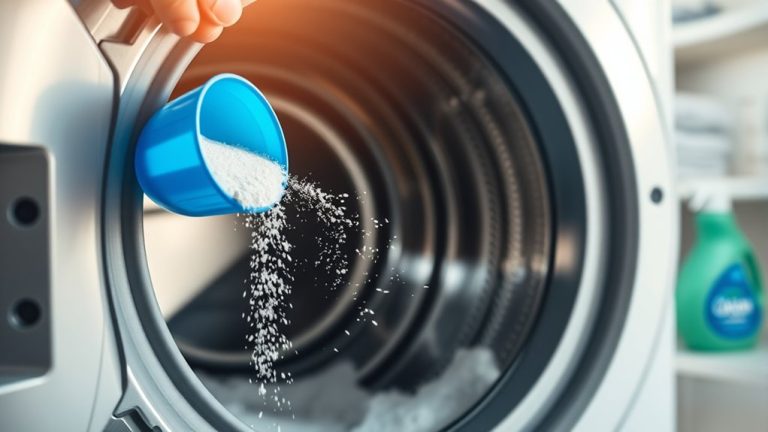
OxiClean won’t turn your washer into a smoking pile of scrap when you use it as directed. You can generally use the powder in standard and high-efficiency machines, but check your washer’s manual and the product label first.
Don’t pour powder directly into a dispenser unless its instructions allow it. Instead, dissolve or add it as directed.
Excess product or improper use can leave residue, so measure carefully and run a rinse cycle if needed.
Is Oxiclean Environmentally Friendly?
OxiClean isn’t entirely environmentally friendly, but its impact depends on the formula and how you use it.
Many versions contain sodium percarbonate, which breaks down into soda ash, oxygen, and water. However, other ingredients, packaging, and manufacturing still have environmental costs.
You can reduce your impact by using only the recommended amount, choosing a suitable product, washing full loads, and checking the label for ingredient and disposal guidance.
Don’t assume every OxiClean product has the same formulation.
Conclusion
OxiClean isn’t magic, but its oxygen-based ingredients can help lift many stains when you use them as directed. You’ll get the best results by choosing a suitable surface, testing a hidden spot, and following the label’s instructions.
Don’t assume it’s safe for every fabric or finish, though; some materials can discolor or become damaged. So, is OxiClean worth keeping around? If you match it to the mess and use it carefully, it can be a useful cleaning tool.