Persil How To Wash Sheets – Pro Tips
To wash sheets with Persil, check each care label for water temperature, cycle, and drying instructions. Sort by color, fabric, and soil level, keeping new dark sheets separate from whites.
Choose settings suited to the material: warm water for cotton, cool water and a gentle cycle for linen, or cold water and a delicate cycle for silk. Measure Persil according to the load and soil level, and treat stains first.
Dry gently; you’ll find more tips below.
Check Sheet Care Labels Before Washing
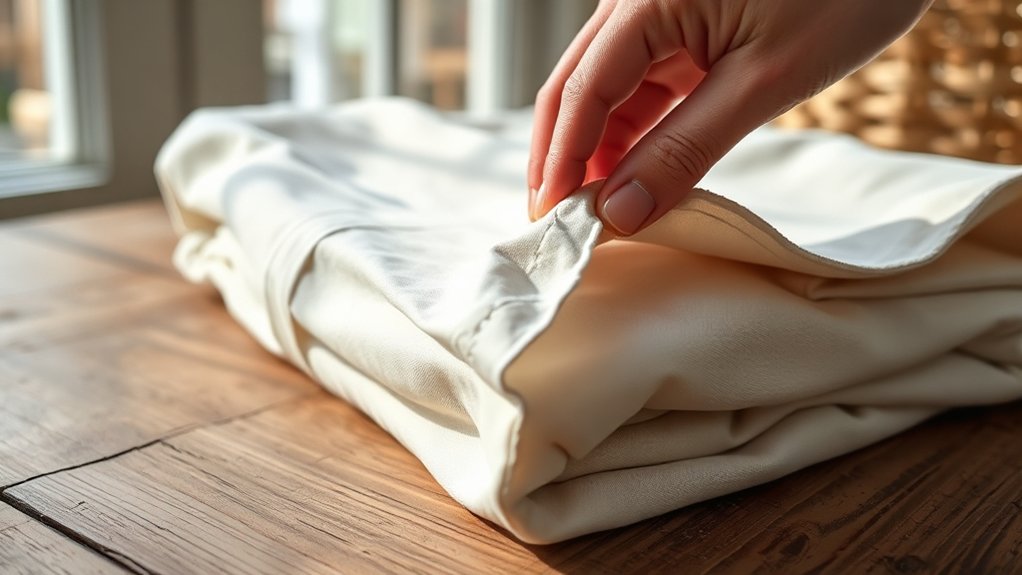
Before washing your sheets, check the care label for the recommended water temperature, cycle, and drying method. These instructions help you clean the fabric effectively while reducing the risk of shrinkage, fading, or damage. You’ll usually find the label sewn into a corner or along a seam.
Look for symbols or written directions about detergent, bleach, and ironing, too. If the label says to use a gentle cycle, choose that setting rather than a more vigorous wash. When it specifies cold water, don’t assume warmer water will clean better.
Follow any drying limits, since high heat can weaken fibers or cause sheets to shrink.
Can’t find a label? Check the manufacturer’s website or product details for care guidance. If instructions remain unclear, use a cautious approach: select a mild cycle and low heat, and avoid harsh treatments.
Sort Sheets by Color, Fabric, and Soil
Sort sheets into separate loads by color, fabric, and soil level to help prevent dye transfer and wear.
Keep new, brightly colored sheets apart from whites and pale fabrics, especially during their first washes. Group similar shades together, and separate dark colors from light ones to reduce the chance of staining.
Next, sort by fabric. Wash cotton sheets with cotton, and keep delicate linen, silk, or other fine materials separate from heavier textiles that could rub or snag them.
Check care labels for fabric details before grouping items.
Finally, consider how dirty each set is. Separate lightly used sheets from those with visible stains, body oils, or heavy soil.
This helps prevent grime from spreading and lets you treat stained areas before washing. Keep sheets with similar soil levels together for more consistent cleaning.
Choose the Right Sheet-Washing Settings

Choose the washer settings based on the sheets’ care labels and fabric. The right cycle, water temperature, and spin speed can clean thoroughly while helping your sheets last longer.
Check each label before loading, and don’t assume every fabric needs the same treatment.
Cotton: Choose a warm wash for everyday cleaning, unless the care label says otherwise.
Linen: Use a gentle cycle and cool water to reduce wear and preserve the fabric’s texture.
Silk or satin: Select a delicate cycle with cold water, or follow the label’s hand-washing instructions.
Microfiber: Use cool or warm water and a gentle cycle to protect its fibers.
Spin speed: Pick a moderate setting for delicate sheets; sturdier fabrics can usually handle a faster spin.
Don’t overload the washer. Sheets need room to move so water can reach their surfaces and rinse away soil.
Measure Persil Detergent for Your Load
Use the amount of Persil detergent listed on the product label for your load size and soil level.
Check the dosing instructions for your specific formula, since liquid, powder, and concentrated detergents may require different amounts.
If your washer has a detergent drawer, pour the measured dose into the compartment marked for the main wash.
Pour the measured detergent dose into the drawer compartment marked for the main wash.
For a top-loading machine, follow the detergent and washer instructions to add it safely.
Don’t estimate by eye; use the cap or scoop provided and read its markings carefully.
Too much detergent can leave residue on sheets and make rinsing less effective, while too little may not clean them well.
Adjust the dose only as the label directs, accounting for load size, water hardness, and soil level.
Keep detergent stored securely and follow package safety guidance.
Treat Stains Before You Wash Sheets
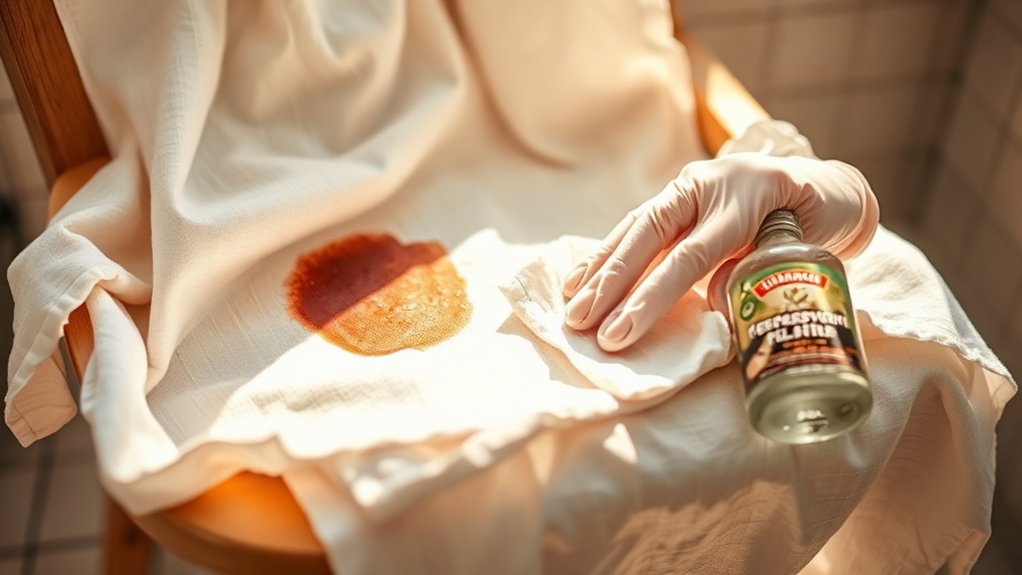
Treat stains before washing to give them the best chance of coming out. Check your sheets for marks before loading them and identify each stain so you can choose the right treatment. Always follow the care label and test products on a hidden area first.
Act quickly: Blot fresh spills with a clean cloth. Don’t rub, as that can push stains deeper into the fibers.
Rinse wisely: Flush blood or other protein stains with cold water, not hot. Hot water can set them.
Pretreat gently: Apply a suitable stain remover or a small amount of liquid Persil detergent directly to the mark.
Give it time: Let the treatment work for the time stated on its label.
Check before washing: If a stain remains, repeat pretreatment rather than washing it untreated.
Keep treated sheets separate from unstained laundry when needed.
Dry Sheets Gently to Prevent Wear
Dry your sheets on a low heat setting to reduce wear and help preserve their fibers. High heat can weaken fabric over time, so choose a gentle cycle and remove sheets promptly when they’re dry.
If you can, hang them outside or on an indoor drying rack. Air-drying limits heat exposure and keeps fibers in better shape. Check care labels first since materials may need different handling.
| Drying choice | What you should do |
|---|---|
| Tumble-dryer heat | Select low heat |
| Drying time | Remove sheets promptly |
| Air-drying | Hang sheets with room to breathe |
| Damp spots | Let sheets finish drying |
| Care label | Follow fabric-specific directions |
Don’t overload the dryer, or sheets may dry unevenly and need extra tumbling. Shake them out before drying to reduce tangles and help air circulate.
Make sure they’re fully dry before use since lingering dampness can feel uncomfortable. Choose a setting suited to your fabric and avoid unnecessary high-heat cycles.
Store Clean Sheets to Keep Them Fresh
Once your sheets are completely dry, fold them and store them in a clean, dry, well-ventilated spot to help keep them fresh.
Keep them away from damp bathrooms, direct sunlight, and strong odors that can affect their scent. A few simple habits make a difference:
Store sheets away from moisture, sunlight, and strong odors to preserve their freshness and scent.
Choose a breathable cotton bag or linen closet shelf; avoid airtight plastic, which can trap moisture.
Make sure your storage space is clean and dry before putting sheets away.
Keep sheets off the floor and away from cleaning products, pets, and dust.
Store each set inside one matching pillowcase so you can find everything easily.
Rotate your sets, using the oldest first, to prevent long-stored fabric from becoming musty.
If sheets smell stale, air them out before making your bed.
Check stored linens regularly, and refold them loosely to let air circulate.
Frequently Asked Questions
How Often Should You Wash Your Sheets?
Wash your sheets once a week to remove sweat, body oils, dead skin, and dust.
If you have allergies, sleep with a pet, sweat heavily, or are ill, wash them every three to four days.
You can stretch the interval to every two weeks if you shower before bed and your sheets stay clean, but weekly washing is a good routine for most people.
Change pillowcases weekly, too, or more often if needed.
Can You Wash Sheets With Towels?
Yes, you can wash sheets with towels, but it’s usually better to separate them.
Towels produce lint and need more room and agitation, while sheets can tangle around bulky items.
If you combine them, choose similar colors, don’t overload the washer, and use the care-label settings and detergent amounts.
Wash heavily soiled towels separately, and dry sheets and towels in separate loads so both dry evenly and thoroughly.
How Can You Remove Lingering Odors From Sheets?
Like a medieval knight charging into battle, tackle lingering sheet odors with a thorough wash.
First, check the care label and don’t overload your washer. Add your usual detergent, then use the warmest water the fabric allows.
For stubborn smells, add half a cup of baking soda to the drum or white vinegar to the rinse compartment, but not both.
Dry sheets completely before storing them, and clean your washer regularly to prevent odors from returning.
When Should You Replace Your Sheets?
Replace your sheets every one to two years, or sooner if they’re worn, stained, thinning, or no longer comfortable.
You might need new ones sooner if you wash them frequently, use harsh detergents, or notice persistent odors after cleaning.
Check for frayed edges, holes, and weakened elastic on fitted sheets.
With gentle washing and proper drying, quality sheets can last longer.
Trust what you see and feel, and replace them when they stop serving you well.
Are Fabric Softeners Safe for All Sheets?
No, fabric softeners aren’t safe for every sheet. Think of them as a waxy raincoat: they can coat fibers, reducing breathability and absorbency.
If you’ve ever noticed towels drying less effectively after repeated softener use, sheets can behave similarly.
You should skip softener on microfiber, moisture-wicking, and flame-resistant sheets since coatings may affect performance or safety.
For cotton or linen, check the care label; use sparingly or choose dryer balls for softness.
Conclusion
Follow the care label, sort thoughtfully, and choose settings that suit your sheets. Measure Persil detergent for the load, treat stains before washing, and dry fabrics gently to help prevent wear.
Once everything’s clean and fully dry, store your sheets in a cool, dry place to keep them fresh. A little care goes a long way. As the saying goes, an ounce of prevention is worth a pound of cure.
Your next bedtime will feel all the better for it.