Is Method Laundry Detergent Non Toxic – What Science Says
You might think Method Laundry Detergent is non-toxic, but science shows otherwise. It contains methylisothiazolinone, linked to neurotoxicity and allergies, and sodium lauryl sulfate, which can irritate skin.
Ethoxylated compounds present potential carcinogenic risks, raising concerns despite its “Free + Clear” claims. The Environmental Working Group rates it moderately safe, but these ingredients challenge its eco-friendly image.
If you want to understand these issues and safer alternatives, keep exploring the details.
Key Takeaways
- Method Laundry Detergent contains methylisothiazolinone (MIT), linked to neurotoxicity and allergic skin reactions, challenging its non-toxic claims.
- Sodium lauryl sulfate (SLS) and ethoxylated ingredients in Method can cause skin irritation and may produce carcinogenic byproducts.
- The product’s undisclosed fragrance components raise concerns about potential allergens and respiratory irritants.
- Despite a moderate EWG B rating, the presence of MIT and ethoxylated compounds flags safety concerns.
- Science suggests consumers seeking truly non-toxic detergents should consider alternatives with verified ingredient transparency and certifications.
Overall Safety of Method Laundry Detergent: What You Need to Know
Although Method Laundry Detergent markets itself as a safer alternative, you should be aware that it contains methylisothiazolinone. This preservative is linked to neurotoxic effects and was identified as the 2013 Contact Allergen of the Year. So, this raises concerns about the overall safety of Method Laundry Detergent, especially regarding potential health risks.
While the product excludes phthalates and parabens and promotes a “Free + Clear” label, it still contains ingredients like sodium lauryl sulfate and ethoxylated compounds. These may cause skin irritation and environmental harm.
Furthermore, ingredient transparency remains an issue, particularly with undisclosed fragrance components that could trigger allergic reactions.
Consequently, although Method Laundry Detergent is a better choice than conventional detergents, it isn’t entirely free from safety concerns or toxic exposures.
Key Ingredients in Method Laundry Detergent and Their Risks
You should know that Method Laundry Detergent contains surfactants like sodium lauryl sulfate. This ingredient can sometimes cause skin irritation and might also have some environmental impacts.
Also, the preservative methylisothiazolinone is included, which has been linked to risks like neurotoxicity and sensitization, especially for people with sensitive skin.
On top of that, there are allergens and ethoxylated ingredients in the mix. These raise some concerns about potential carcinogens and allergic reactions, even though the product claims to be non-toxic.
Harmful Surfactants Identified
When evaluating Method Laundry Detergent, it’s essential to examine its surfactant components. Several ingredients pose notable health and environmental risks. You’ll find methylisothiazolinone, a preservative linked to skin irritation and neurotoxicity.
Sodium lauryl sulfate (SLS) is known for causing skin and eye irritation and damaging aquatic ecosystems. Ethoxylated ingredients, like ethoxylated alcohols, can harbor carcinogenic byproducts such as 1,4-dioxane, which is often undisclosed.
| Ingredient | Associated Risk |
|---|---|
| Methylisothiazolinone | Skin irritation, neurotoxicity |
| Sodium Lauryl Sulfate | Skin/eye irritation, environmental harm |
| Laureth-7 | Potential carcinogenic residues |
| Ethoxylated Ingredients | Carcinogenic contaminants (1,4-dioxane) |
These surfactants challenge the detergent’s non-toxic claims, so it’s wise to be cautious if you have sensitive skin or concerns.
Preservative Safety Concerns
Since preserving product stability is essential, the inclusion of methylisothiazolinone in Method Laundry Detergent raises significant safety concerns. This is because it’s a well-documented major contact allergen and skin irritant.
This preservative safety concern is critical since methylisothiazolinone has been linked to allergic reactions and dermatitis, confirmed by the American Contact Dermatitis Society.
Moreover, sodium lauryl sulfate (SLS), another ingredient, contributes to irritation risks affecting skin and eyes and has environmental impact considerations.
While Method promotes a paraben- and phthalate-free formula, relying on methylisothiazolinone and SLS undermines its non-toxic claims.
The potential for adverse effects increases as these compounds persist in the detergent. So, you should weigh the risks of irritation and sensitization when choosing this product.
Allergens And Sensitizers
Anyone concerned about allergens and sensitizers should carefully examine the key ingredients in Method Laundry Detergent. The product contains methylisothiazolinone, a preservative linked to neurotoxicity and identified as a major contact allergen.
In addition, surfactants like sodium lauryl sulfate (SLS) and sodium laureth sulfate (SLES) act as irritants that can provoke skin reactions. The detergent’s fragrance compounds, including linalool and citral, pose risks of respiratory issues and skin sensitization, especially for allergy-prone individuals.
Furthermore, ethoxylated components may harbor carcinogenic byproducts such as ethylene oxide and 1,4-dioxane, which aren’t disclosed on labels.
Given these factors, you should weigh the potential for allergens and irritants carefully, particularly if you have sensitive skin or respiratory conditions.
Toxicity of Ethoxylated Alcohol and Sodium Borate in Method Laundry Detergent
Although Method Laundry Detergent markets itself as a non-toxic option, its inclusion of ethoxylated alcohol and sodium borate raises significant safety concerns.
You should know that:
- Ethoxylated alcohol in Method Laundry Detergent may contain 1,4-dioxane, a byproduct linked to carcinogenic risks, yet this isn’t disclosed on labels.
- Sodium borate, also present, has documented reproductive and developmental toxicity, posing potential hazards especially in household settings.
- These ingredients challenge the detergent’s “Free + Clear” label, suggesting it mightn’t be entirely safe for sensitive users.
- Scientific scrutiny urges caution, as both compounds carry health risks that contradict the product’s non-toxic marketing.
Understanding these facts helps you make informed choices about Method Laundry Detergent’s true safety profile.
Is Methylisothiazolinone Harmful in Method Laundry Detergent?
You should know that methylisothiazolinone (MIT) in Method Laundry Detergent can cause some health issues, like skin irritation and allergic reactions.
On top of that, studies have pointed to possible neurotoxic effects, which makes you wonder about its safety over the long haul.
It’s a good idea to check out the current regulations to see if MIT fits with what you consider to be a non-toxic product.
Toxicity and Health Risks
While Method Laundry Detergent promotes an eco-friendly image, the presence of methylisothiazolinone (MIT) in its formula raises valid concerns about toxicity and health risks.
You should be aware that MIT is a known cause of skin irritation and allergic reactions, especially among sensitive individuals.
The American Contact Dermatitis Society designated MIT as “Contact Allergen of the Year” in 2013, highlighting its widespread impact.
Regulatory agencies have identified MIT as hazardous, prompting restrictions due to potential health threats.
Despite claims of being non-toxic, the inclusion of MIT challenges the overall safety profile of Method’s detergent.
Given this evidence, you might question whether the detergent is truly non-toxic and safe for regular household use.
Neurotoxic Effects Evidence
Because methylisothiazolinone (MIT) is known for its skin sensitization properties, you might wonder if its impact extends to neural health. Research suggests MIT may have neurotoxic effects, damaging neural cells in laboratory models.
While MIT’s classification as a skin sensitizer is well-established, evidence of neurotoxicity remains primarily experimental and requires cautious interpretation. You should consider both skin and neural risks when evaluating safety.
| Aspect | Known Effect | Evidence Strength |
|---|---|---|
| Skin Sensitizer | Allergic reactions | Strong (clinical) |
| Neurotoxic Effects | Neural cell damage | Moderate (lab studies) |
| Regulatory Response | Usage restrictions | Strong (policy) |
This table highlights MIT’s dual concerns: clear skin sensitization and emerging neurotoxicity findings.
Regulatory and Safety Guidelines
Although methylisothiazolinone (MIT) is effective as a preservative, regulatory agencies have imposed strict guidelines due to its allergenic and potential neurotoxic effects.
When evaluating Method Laundry Detergent, consider these regulatory and safety guidelines concerning MIT:
The American Contact Dermatitis Society named MIT “Contact Allergen of the Year” in 2013, highlighting its allergy risks.
The European Union restricts MIT use in cosmetics, reflecting concerns over skin sensitization.
Studies confirm MIT exposure can cause dermatitis, especially in sensitive individuals.
These regulations raise questions about the overall safety of Method Laundry Detergent for users prone to allergies.
You should weigh these factors carefully when evaluating the non-toxicity claims of Method Laundry Detergent containing MIT.
How the Environmental Working Group Rates Method Laundry Detergent
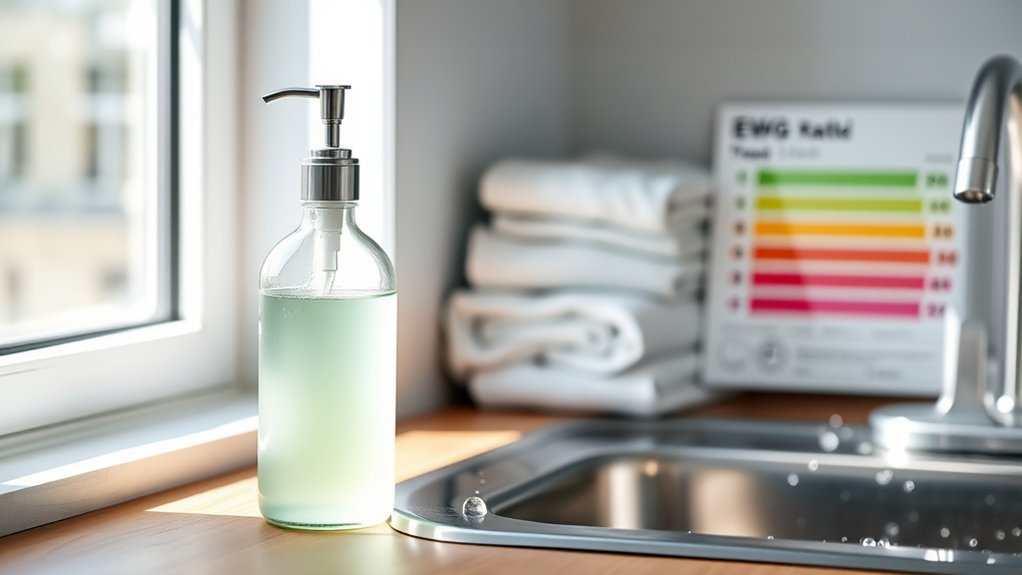
Since the Environmental Working Group (EWG) evaluates detergents based on ingredient safety, it rates Method Laundry Detergent as a B. This signals it’s safer than many conventional options but not free from concerns.
This rating reflects Method’s improvement over traditional detergents, yet highlights the presence of ingredients like methylisothiazolinone (MIT), a known irritant.
Even Method’s Free + Clear variant, which removes fragrance and dye, contains ethoxylated alcohol, raising potential safety flags due to contaminants.
The Environmental Working Group’s assessment underscores that while Method Laundry Detergent offers a cleaner formulation, it doesn’t reach the top tier of non-toxic brands.
You should see Method as a safer step forward, but remain aware that its ingredient safety profile still includes elements that might pose risks.
Consumer Experiences and Safety Concerns With Method Laundry Detergent
When you examine consumer experiences with Method Laundry Detergent, you’ll find a pattern of reported skin irritations and allergic reactions, especially among sensitive individuals.
These safety concerns arise despite the detergent’s non-toxic marketing.
Key issues include:
- Presence of methylisothiazolinone, linked to neurotoxicity and recognized as a contact allergen.
- Surfactants like Laureth-7, raising carcinogenic residue concerns.
- Inclusion of ethoxylated ingredients potentially containing ethylene oxide and 1,4-dioxane, both carcinogens.
- Consumer preference shifting toward detergents with greater ingredient transparency and confirmed non-toxic profiles.
These factors highlight that while Method Laundry Detergent promotes safety, your experience might involve risks, particularly if you have sensitive skin or prioritize truly non-toxic products.
Does Method’s Eco-Friendly Marketing Reflect Ingredient Safety?
How accurately does Method’s eco-friendly marketing mirror the actual safety of its ingredients? While Method promotes its laundry detergent as non-toxic and plant-based, ingredient labels reveal a more complex picture.
The presence of methylisothiazolinone, a known irritant and neurotoxin, alongside ethoxylated compounds that can form potentially harmful byproducts like ethylene oxide, challenges their safety claims.
Methylisothiazolinone and ethoxylated compounds raise serious questions about Method’s safety claims.
Furthermore, sodium lauryl sulfate raises concerns about both health and environmental impact.
Despite excluding parabens and phthalates, Method’s reliance on synthetic fragrances and chemical preservatives limits its classification as truly non-toxic.
A 2020 class-action lawsuit further questioned the alignment between Method’s eco-friendly image and ingredient safety.
Choosing Safer Laundry Detergents: Expert Tips and Alternatives
Although many laundry detergents claim to be eco-friendly, you need to scrutinize ingredient lists carefully to avoid harmful substances like phosphates, sulfates, synthetic fragrances, methylisothiazolinone (MIT), and sodium lauryl sulfate (SLS).
When choosing safer detergents, including Method products, focus on non-toxic formulations verified by third parties.
Here’s how you can select environmentally friendly options:
- Prioritize products free from phosphates, sulfates, MIT, SLS, and synthetic fragrances to reduce health risks.
- Seek third-party certifications like EWG Verified or Cradle to Cradle for validated safety and sustainability.
- Consider plant-based, biodegradable detergents that minimize environmental impact and are gentle on skin.
- Explore alternatives such as Branch Basics or Seventh Generation, which emphasize transparency and non-toxic formulations.
This approach guarantees you select safer, scientifically supported laundry detergents.
Frequently Asked Questions
How Does Method Laundry Detergent Affect Fabric Longevity?
Method Laundry Detergent can reduce fabric longevity due to its sodium lauryl sulfate, which aggressively cleans but weakens fibers over time.
Ethoxylated alcohols in the formula further compromise fabric strength, while fragrance components contribute to color fading.
If you don’t rinse thoroughly, methylisothiazolinone residues may degrade materials.
Frequent washing with Method might cause you to notice quicker wear and tear, so consider gentler detergents for delicate fabrics to preserve their lifespan.
Can Method Laundry Detergent Be Used Safely in Septic Systems?
Can you safely use Method Laundry Detergent in your septic system? Yes, you can, as it contains biodegradable, plant-based surfactants that break down naturally and support bacterial activity essential for septic health.
However, you shouldn’t overload your system with detergent since preservatives like methylisothiazolinone might affect microbes.
To maintain balance, use it as directed and perform regular septic maintenance to keep your system functioning efficiently over time.
What Is the Environmental Impact of Method’s Packaging Materials?
You should know that Method’s packaging reduces environmental impact by using 100% recycled plastic. This supports a circular economy and cuts demand for virgin plastic.
However, its reliance on plastic rather than fully compostable materials limits sustainability gains.
While refill options help decrease waste, the packaging still contributes to plastic pollution concerns.
Scientific analysis suggests Method’s approach is an improvement but not a complete solution to plastic waste challenges.
Does Method Laundry Detergent Require Special Storage Conditions?
You don’t need a secret vault to store Method Laundry Detergent. Just keep it in a cool, dry place away from heat and sunlight.
Always seal the bottle tightly to prevent moisture and contamination.
Storing it near extreme temperatures can degrade its effectiveness, so avoid that.
These standard precautions guarantee the detergent maintains its cleaning power without any special or extreme storage conditions.
How Does Method Laundry Detergent Perform in Hard Water?
Method Laundry Detergent performs adequately in hard water but may require you to use more product for peak cleaning.
Hard water minerals can reduce surfactant effectiveness, sometimes leaving residues on fabrics.
The detergent’s sodium borate content helps soften water, improving performance.
To get the best results, consider adding a water softener or pairing Method with a hard water detergent.
This approach guarantees your laundry stays clean despite water hardness challenges.
Conclusion
When choosing a laundry detergent, you’re not just picking a product. You’re steering through a modern Pandora’s box of chemicals. Method’s eco-friendly claims hold up fairly well, but ingredients like ethoxylated alcohol and methylisothiazolinone warrant cautious scrutiny.
Science shows Method is generally safe, yet not entirely risk-free. Stay informed, weigh expert guidance, and consider safer alternatives to guarantee your laundry routine aligns with both health and environmental values.