How To Use Persil Powder – Pro Tips
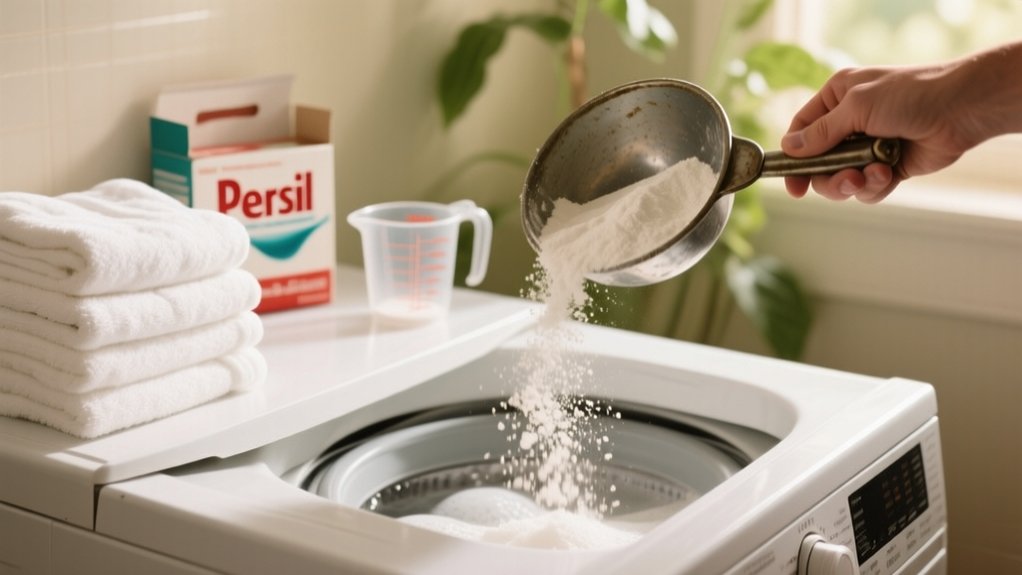
To use Persil powder, check the package dose chart and measure the amount for your load size, soil level, and water hardness. Add it to your washer’s main-wash compartment, following your machine’s manual. If there’s no dispenser drawer, put the powder in the drum before adding clothes.
Choose a cycle and temperature that suit garment care labels, and don’t overload the washer. For stains, test a cool-water powder paste on a hidden spot first. Keep these tips in mind for cleaner washes and fewer mistakes.
How Much Persil Powder Does a Load Need?

For a standard load, start with the dose shown on your Persil powder’s packaging, then adjust it for load size, soil level, and water hardness. Use less for a small or lightly soiled load; choose more for a large, heavily soiled load or hard water.
Check the package’s dose chart, since recommendations can vary by product and region.
Don’t assume extra detergent will clean clothes better. Too much powder can leave residue on fabrics, while too little may not remove dirt and odors effectively.
If your washer has a high-efficiency setting, follow the product label’s guidance for HE machines.
You can also consult your washer manual for capacity and water-hardness information. When you’re unsure, measure the recommended amount rather than estimating, and adjust gradually based on cleaning results.
How Do You Add Persil Powder to the Washer?
To add Persil powder, check your washer’s manual to find the correct dispenser compartment, then measure the dose recommended on the package.
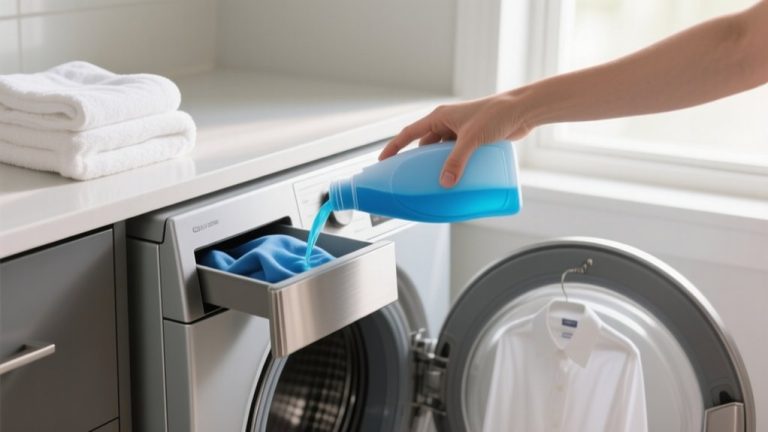
If your machine has a detergent drawer, pull it out and place the powder in the designated main-wash section. Don’t put it in a fabric-softener compartment or a prewash section unless you’re using that option and the manual directs you to do so.
Use the main-wash compartment for powder, not the softener or prewash section unless your washer’s manual directs you otherwise.
If your washer doesn’t have a suitable drawer, add the measured powder to the drum before loading your clothes, following the manufacturer’s instructions.
Keep the detergent dry and don’t pour it directly onto delicate fabrics. Close the drawer securely, or load your laundry after adding powder to the drum.
Wipe away any spilled detergent, and store the package sealed and out of children’s reach.
Which Wash Cycle and Temperature Should You Use?
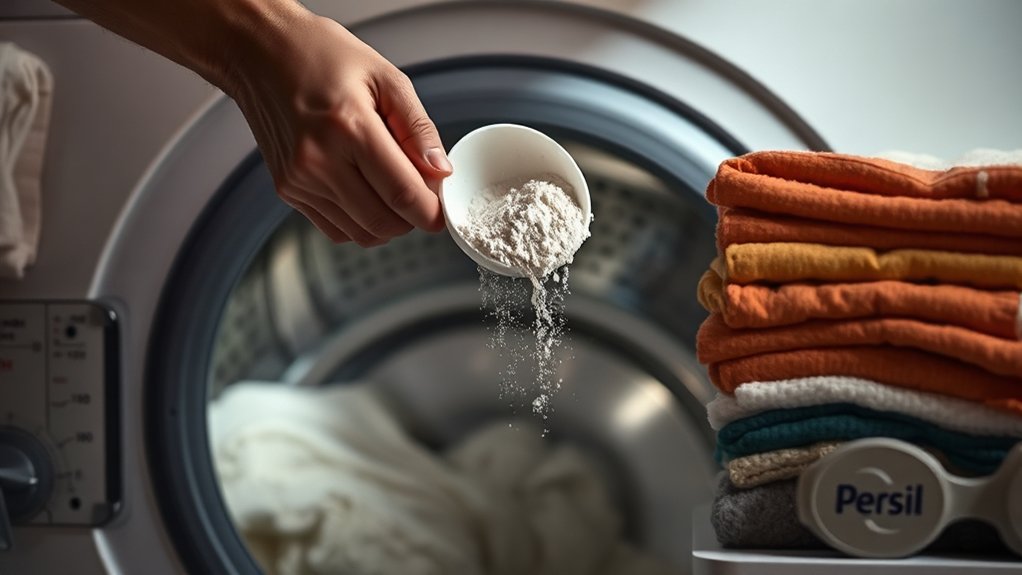
Choose a cycle and temperature based on the care labels, soil level, and fabric type, not just the detergent. Persil powder works in a range of wash settings, but the right choice helps clean clothes while protecting them.
Check each garment’s label before loading the washer, and sort items by color and fabric as needed.
- Cottons and linens: Use a normal cycle. Choose a warmer setting only if the labels allow it.
- Synthetics and blends: Select a permanent-press or gentle cycle with cool or warm water.
- Delicates and wool: Use a delicate or wool cycle and the temperature listed on the label.
- Everyday mixed loads: Choose a suitable mixed-fabric cycle and follow the lowest temperature required by the items.
When you’re unsure, use a cooler setting and a gentler cycle.
Don’t overload the drum because clothes need room to move.
How Do You Treat Stains With Persil Powder?
Treat stains as soon as you can, since dried stains are often harder to remove. Check the garment’s care label, then gently lift away any solid residue.
For washable items, mix a little Persil powder with cool water to make a paste. Test it on a hidden area first, then apply it to the stain and work it in gently. Leave it briefly, following the product label, and rinse or wash as directed.
| Stain | First step | Treatment |
|---|---|---|
| Coffee | Blot gently | Apply paste |
| Grease | Lift residue | Apply paste |
| Mud | Let dry; brush off | Apply paste |
| Blood | Rinse with cool water | Apply paste |
Check the stain before drying. If it remains, repeat treatment rather than using heat, which can set it.
How Can You Avoid Persil Powder Mistakes?
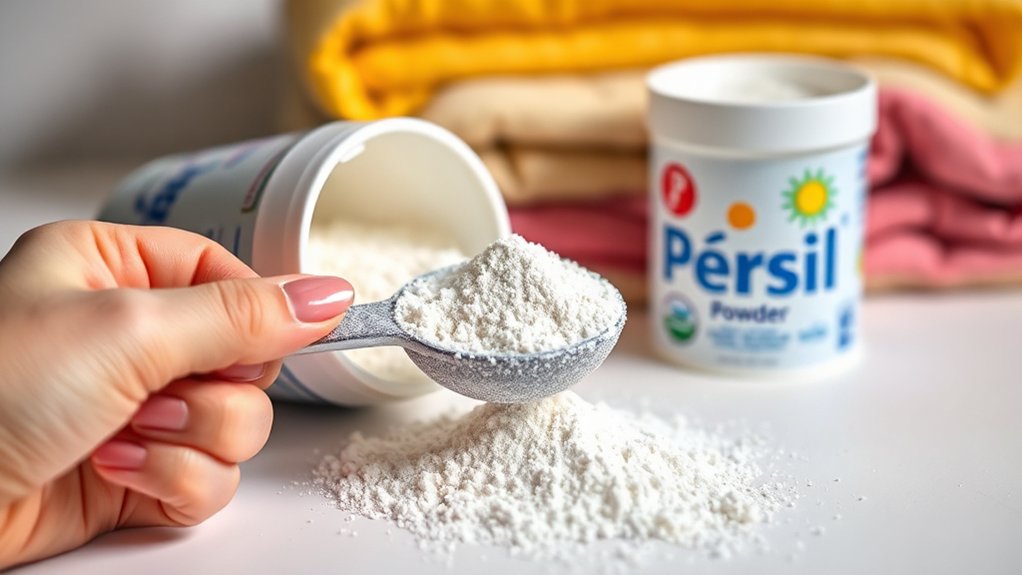
Avoid common Persil powder mistakes by checking the care label and detergent instructions before washing. Use the right amount for your load size, soil level, and water hardness. Too much can leave residue, while too little may not clean effectively.
Follow these four habits to protect your clothes and get reliable results:
- Measure Persil powder with the scoop or dosing guidance on the package; don’t guess.
- Add detergent to the correct dispenser, or follow your washer’s manual for drum dosing.
- Don’t overload the machine. Clothes need room to move so water and detergent can reach every item.
- Store powder in a dry, sealed container, away from children and pets.
If you spot undissolved powder, check your dosage, water temperature, and loading. Choose a suitable cycle, and don’t mix products unless their labels say it’s safe.
Frequently Asked Questions
Is Persil Powder Safe for Septic Systems?
Yes, Persil powder is generally safe for septic systems when you use it as directed.
You’ll help protect your system by measuring the recommended amount, avoiding excessive detergent, and choosing a formula labeled septic-safe if you’re unsure.
Don’t pour detergent directly into your tank; add it to your washing machine.
Your household’s water use and system condition also matter, so follow your septic professional’s guidance and maintain regular inspections.
Can Persil Powder Cause Skin Irritation?
Yes, Persil powder can irritate your skin, especially if you’re sensitive to fragrances or detergent ingredients, or if residue remains on clothing. You may notice redness, itching, dryness, or a rash.
Use the recommended amount, dissolve the powder fully, and choose an extra rinse if needed. Wear gloves when handling it if your skin reacts.
If irritation develops, stop using the detergent, rinse your skin, and seek medical advice for severe or persistent symptoms.
How Should Persil Powder Be Stored?
Store Persil powder in a cool, dry place where moisture can’t turn it into a stubborn lump.
Keep it in its original, tightly closed container, away from heat, direct sunlight, and damp areas like bathrooms.
Place it out of children’s and pets’ reach, and don’t store it near food.
Always follow the package’s storage instructions, and use a dry scoop so you don’t introduce moisture or leave residue behind.
Is Persil Powder Suitable for Washing Baby Clothes?
Yes, you can use Persil powder to wash baby clothes, but check the product label and your baby’s skin needs.
Choose a fragrance-free, sensitive-skin detergent if your baby is prone to irritation, and use only the recommended amount.
Wash new clothes before your baby wears them, and run an extra rinse to remove residue.
If you notice redness or itching, stop using the detergent and ask your pediatrician for advice.
Can Persil Powder Be Used in Hard Water?
Yes, you can use Persil powder in hard water.
Hard water minerals can reduce cleaning performance, so you may need to use more detergent than you’d in soft water.
Check the dosage chart on your package and follow the amount recommended for your water hardness and load size.
Don’t exceed the label’s maximum dose.
If clothes still look dull or feel stiff, consider a suitable water softener or laundry additive.
Conclusion
Using Persil powder well comes down to measuring carefully, adding it where your washer’s manual recommends, and matching the cycle to your clothes. For stains, treat the spot before washing, and avoid overfilling the drum or using too much detergent.
A useful reminder: the average household does about 300 loads of laundry each year. Small improvements can add up quickly. Follow the care labels and detergent directions, and you’ll get cleaner clothes while making each wash count.