Can I Use Oxiclean – Do’s & Don’ts
You can use OxiClean on many washable, colorfast fabrics and household surfaces, but check care labels and test a hidden spot first. Don’t use it on wool, silk, leather, dry-clean-only items, unsealed stone, or wood unless the product label specifically allows it.
Never mix OxiClean with bleach, ammonia, vinegar, acids, or other cleaners. If you’ve used another product, rinse surfaces first. Follow package directions, ventilate the area, and rinse thoroughly.
The tips below cover common uses and precautions.
What Should You Never Mix With OxiClean?
Never mix OxiClean with chlorine bleach, ammonia, or other household cleaners. Combining cleaning products can trigger dangerous reactions, release harmful fumes, or reduce their effectiveness.
Even if a mixture seems harmless, you can’t predict how its ingredients will interact. Use OxiClean only as directed on its label, and don’t add it to a product that already contains another cleaner.
If you’re treating a surface or item with a different product, rinse it thoroughly with water before using OxiClean. Don’t combine it with vinegar, acids, or products containing chlorine either.
Keep the container away from children and pets, and work in a well-ventilated area. If you accidentally mix products, leave the area, avoid breathing fumes, and contact poison control or emergency services for guidance.
Don’t try to neutralize the mixture yourself.
Which Fabrics Can You Use OxiClean On?
You can use OxiClean on lots of washable fabrics, like cotton and polyester.
Just be sure to avoid using it on wool, silk, leather, or anything labeled dry-clean only.
It’s always a good idea to check the care label on each garment before you treat it.
Suitable Fabrics
OxiClean is generally safe for colorfast, washable fabrics such as cotton, polyester, and many blends. You can use it on everyday items like T-shirts, towels, sheets, and washable table linens, provided their care labels allow water washing.
It also works on many durable synthetic fabrics, including nylon and acrylic, when they’re colorfast.
Before treating a whole garment, check its care label and test a hidden spot. Mix the product as directed, then apply it to the stain or add it to your wash according to the package instructions.
Watch the test area for color change or damage before proceeding.
For printed or dyed fabrics, testing matters because colors and finishes vary. When you’re unsure about a material or finish, follow the garment maker’s guidance and choose the gentlest suitable cleaning method.
Fabrics to Avoid
Some fabrics can be damaged by OxiClean, so don’t use it on wool, silk, leather, or fabrics labeled dry-clean only. Its oxygen-based cleaning action may weaken delicate fibers, strip protective finishes, or leave lasting marks. You’ll also want to avoid using it on garments with metal components that could corrode or discolor.
| Fabric or item | Why to avoid OxiClean |
|---|---|
| Wool or silk | Delicate fibers may weaken |
| Leather or suede | Finish may stain or crack |
Keep these materials away from OxiClean, even when you’re treating a small spot. Choose a cleaner specifically made for the material instead, or consult a professional for valuable pieces. For mixed-fiber items, don’t assume the sturdier fabric makes the whole garment safe to treat. A cautious approach can help you prevent damage that’s difficult or impossible to reverse.
Check Care Labels
Before treating a garment, check its care label for washing instructions and warnings. Look for the fabric content and any symbols that prohibit soaking, bleaching, or washing.
OxiClean’s suitability depends on both the material and the product directions, so don’t assume every washable item can handle it.
You can generally use OxiClean on colorfast, washable fabrics such as cotton, polyester, and many blends.
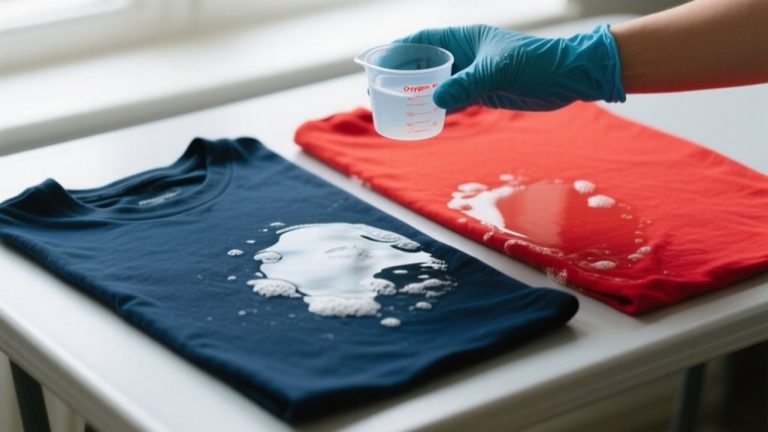
Test colored items first: mix the solution as directed, apply a small amount to a hidden spot, and wait five minutes. Rinse and check for color loss or damage before treating the stain.
Avoid using it on wool, silk, leather, or fabrics labeled dry-clean-only.
Follow the care label’s water-temperature limits, and don’t soak garments when instructions forbid it. If the label is unclear, choose a gentler method.
Will OxiClean Fade Your Colors?
OxiClean might fade some colors, so it’s a good idea to test for colorfastness before you treat a garment. Just apply a small amount to a hidden spot and see if the color changes.
To keep your bright fabrics looking their best, always follow the care label instructions and avoid soaking them longer than recommended.
That way, you can help protect those vibrant colors!
Colorfastness Test First
Colors can fade or bleed when exposed to oxygen bleach, so test OxiClean on a hidden spot first. Check the care label to confirm the fabric can be treated with oxygen bleach.
Mix the OxiClean solution according to the package directions, then dab a little onto an inconspicuous area, such as an inside seam or hem. Don’t soak the fabric during this test.
Wait five minutes, then blot the spot with a clean white cloth. Look for color transfer, fading, or a change in texture.
Rinse the test area thoroughly with cool water and let it dry completely; some changes appear only after drying. If the color shifts or transfers, don’t use OxiClean on that item.
If the test shows no change, go ahead and proceed as directed on the product label.
Protecting Bright Fabrics
Bright fabrics can fade or lose their vibrancy if OxiClean is used incorrectly, but a careful colorfastness test can help you decide whether it’s safe for your item.
Even colorfast clothing may need gentle treatment, so check its care label before using OxiClean.
To protect vivid colors, dissolve the product fully in water and follow the package directions for the correct amount, temperature, and soaking time.
Don’t pour concentrated solution directly onto fabric, and don’t leave garments soaking longer than recommended. Use the shortest effective soak, then rinse thoroughly.
Avoid OxiClean on wool, silk, leather, or items labeled dry-clean only. For delicate or valuable pieces, choose a color-safe detergent instead.
Wash bright garments separately, especially the first time, and remove them promptly.
If you notice color in the test water, don’t use OxiClean on that item.
How Do You Use OxiClean on Laundry?
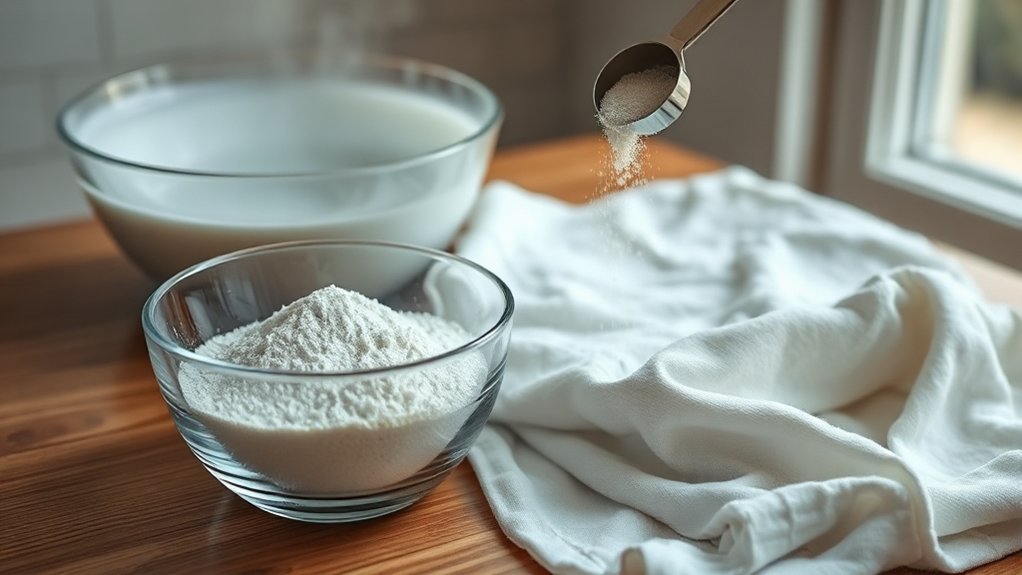
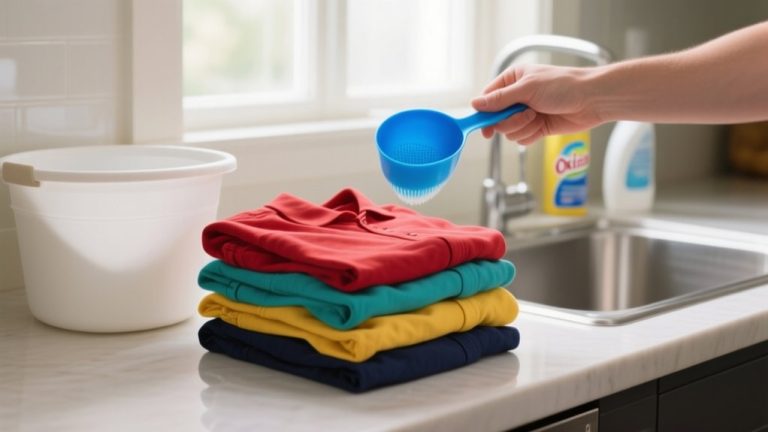
To use OxiClean on laundry, dissolve the recommended amount in water or add it to your washer’s dispenser, following the product label.
Check the care label on each garment first, and don’t use the product on items that the label says to avoid.
For a soak, mix the powder with water until it dissolves, then submerge washable fabrics for the time stated on the package.
Rinse or wash them afterward.
For a regular load, add OxiClean to the designated dispenser or drum as directed, then add detergent and clothes.
Choose the cycle and water temperature allowed by garment labels.
Don’t pour undissolved powder directly onto fabric, and don’t mix OxiClean with chlorine bleach or other cleaners.
Use the correct dose for your load size, and store the product dry and out of children’s reach.
Can You Use OxiClean on Carpets and Upholstery?
Yes, you can use some OxiClean products on carpets and upholstery, but only if the label lists those surfaces. Check the specific product’s directions before treating fabric; formulas vary, and a laundry product isn’t automatically safe for rugs or furniture.
Test the solution on a hidden spot first, following the label’s dilution and timing instructions. Let the area dry, then check for color changes, fading, or damage. If the test spot looks unchanged, treat the stain as directed, without soaking the material.
Blot rather than scrub, since friction can spread the stain or harm fibers. Don’t use the product on materials the label excludes, and don’t mix it with other cleaners.
For delicate, antique, or valuable upholstery, consult a professional cleaner before applying any stain remover.
Which Household Surfaces Can OxiClean Clean?
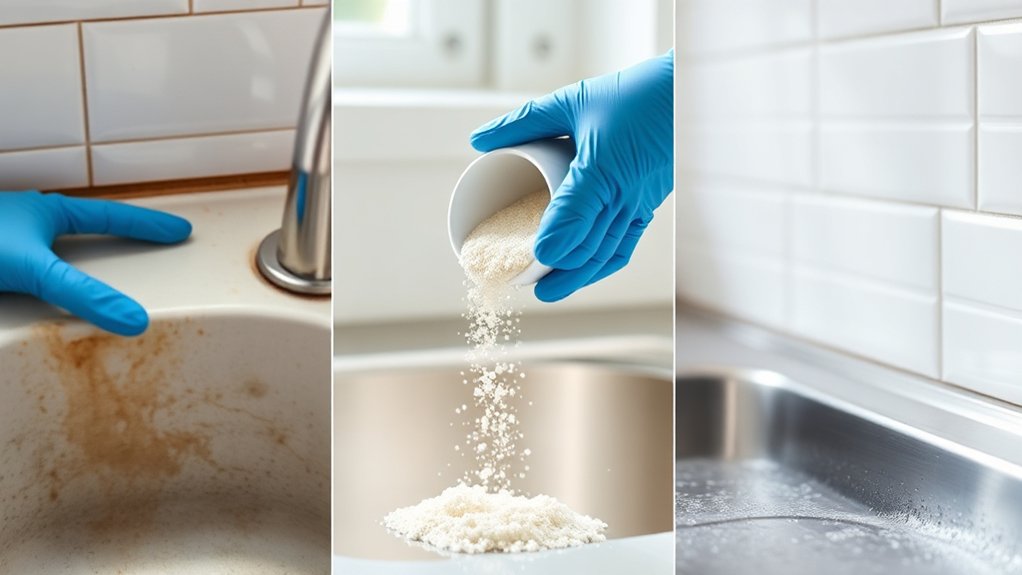
Which household surfaces can OxiClean clean? You can use OxiClean on some washable, colorfast surfaces, but check the product label first. Test a hidden spot, follow dilution directions, and rinse thoroughly. Don’t use it on delicate, damaged, or incompatible materials.
| Surface | Possible use | Key precaution |
|---|---|---|
| Tile grout | Lift stains | Test first; rinse well |
| Plastic patio furniture | Remove grime | Check colorfastness |
| Outdoor cushions | Treat washable fabric | Follow care label |
| Vinyl siding | Clean exterior marks | Avoid letting solution dry |
You can also use the appropriate OxiClean product on washable shower curtains or trash cans. Keep the solution off wood, leather, silk, and unsealed stone unless the label specifically approves it. Don’t mix OxiClean with other cleaners, especially chlorine bleach.
Wear gloves if you have sensitive skin, and keep the product away from children and pets. When you’re unsure, choose a surface-specific cleaner.
Frequently Asked Questions
Does Oxiclean Expire or Lose Effectiveness Over Time?
OxiClean doesn’t have a strict expiration date, but it can lose effectiveness over time, especially if moisture gets into the powder.
You’ll get the best results by storing it tightly sealed in a cool, dry place. Also, check the package for its date or storage guidance.
If the powder’s clumped, damp, or no longer dissolves well, it may work less effectively.
You can test a small amount before relying on it for a full load.
Is Oxiclean Safe to Use Around Pets?
OxiClean can be used around pets if you follow the label and keep them away during use.
Don’t let your pet lick the powder, solution, or treated surfaces; ingestion can cause irritation or illness.
Ventilate the area, rinse surfaces thoroughly, and let them dry before your pet returns.
Store the product securely out of reach.
If your pet swallows any or develops symptoms, contact your veterinarian or a pet poison helpline promptly.
Can Oxiclean Remove Rust Stains?
OxiClean may remove some rust stains, but it isn’t designed for rust and often won’t work well on stubborn marks.
Check the product label and test it on a hidden area first, since oxygen bleach can affect certain fabrics and surfaces.
For rust, choose a remover labeled safe for the material and follow its directions carefully.
Don’t mix cleaners, especially with bleach or acids, and rinse the treated area thoroughly afterward.
How Should You Store Oxiclean Safely?
Store OxiClean in its original, tightly sealed container in a cool, dry place away from sunlight, heat, and moisture.
Keep it out of reach of children and pets. Don’t transfer it to food or drink containers.
Avoid storing it near acids, chlorine bleach, or other cleaners.
Use a dry scoop and close the lid promptly.
Always follow the package’s storage instructions.
If the product gets damp, don’t mix or handle it unnecessarily.
Is Oxiclean Septic-System Safe?
Yes, you can generally use OxiClean with a septic system when you follow the label directions and use it in normal laundry amounts.
Its oxygen-based formula breaks down, but excessive use of any cleaner can disrupt the beneficial bacteria your system needs.
Don’t pour concentrated product directly into the tank, and avoid combining it with other chemicals.
If your system’s manufacturer gives specific restrictions, follow those instructions or ask a septic professional.
Conclusion
OxiClean can tackle laundry stains, dingy carpets, and grimy surfaces, but it isn’t a miracle potion for everything in your home. Check the label, test a hidden spot, and never mix it with other cleaners, especially bleach or ammonia.
Use it on compatible fabrics and surfaces, and follow the directions instead of pouring with wild abandon. With a little care, you can clean confidently without turning laundry day into a household science experiment or a stain disaster of legendary proportions.