Do Laundry Sheets Work – The Truth
Laundry detergent sheets offer convenience and eco-friendly packaging, but they generally don’t clean as well as liquids or powders, especially in cold water or on tough stains like lipstick and ink. They often require multiple washes and can struggle with stubborn odors, partly due to ingredients like sodium lauryl sulfate and undisclosed fragrances.
Their sustainability claims are mixed, given production and biodegradability issues. If you want a clearer picture of their performance, safety, and better alternatives, you’ll find more insights ahead.
Key Takeaways
- Laundry detergent sheets dissolve in water but generally offer weaker stain and odor removal than traditional liquid or powder detergents.
- Their cleaning performance significantly drops in cold water and struggles with tough stains like lipstick and ink.
- Many sheets contain irritants like sodium lauryl sulfate (SLS) and undisclosed fragrances, raising safety and allergy concerns.
- Environmental benefits are limited due to non-biodegradable ingredients like PVA and increased water use during production.
- Multiple washes often needed with sheets increase water and energy consumption, reducing their overall effectiveness and sustainability.
How Do Laundry Detergent Sheets Actually Work?
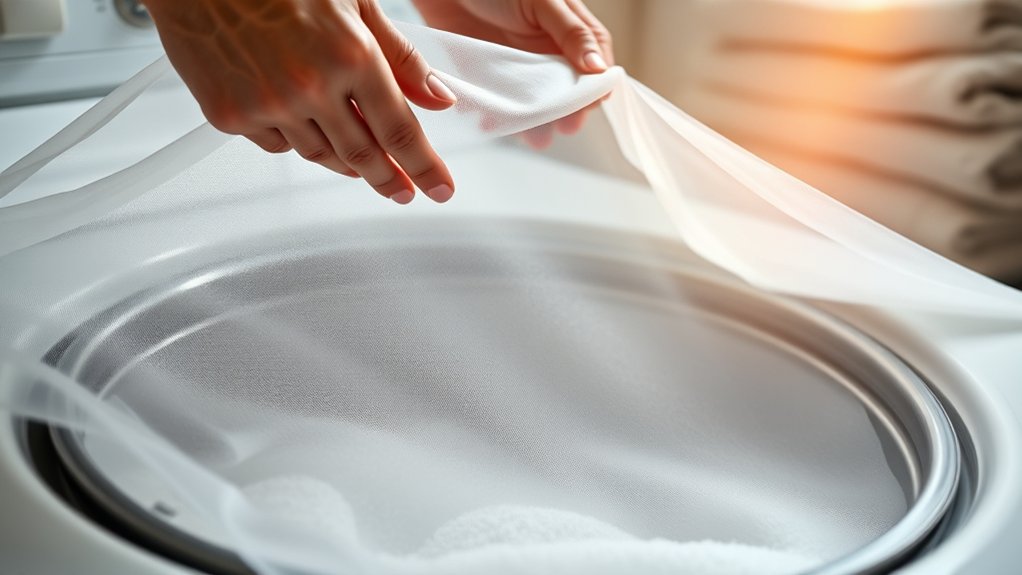
How exactly do laundry detergent sheets work? These sheets are pre-measured, concentrated detergent forms that dissolve in water, releasing cleaning agents designed to lift dirt, odors, and stains from your fabrics.
Held together by resin and dissolvable paper, they offer convenience by eliminating the need for measuring.
However, their cleaning power and stain removal often fall short compared to traditional liquid or powder detergents, especially in cold water.
Their cleaning and stain removal often lag behind traditional detergents, particularly in cold water conditions.
Laundry detergent sheets frequently contain polyvinyl alcohol (PVA/PVOH), a material that raises biodegradability concerns similar to some detergent pods.
While many brands promote eco-friendly claims, the true environmental impact depends on factors like manufacturing processes, packaging, and how effectively the sheets clean your laundry.
Understanding this balance helps you make informed choices about their use.
Do Laundry Detergent Sheets Really Clean As Well As Liquids Or Powders?
Why might you hesitate to switch from traditional detergents to laundry detergent sheets? The cleaning performance of laundry detergent sheets generally falls short compared to liquid detergents and powders, especially when tackling stains and odors.
Tests show sheets struggle in cold water cycles, requiring hot water to improve results, which mightn’t always be practical.
Even brands like Ecos, with enzyme content, only perform slightly better but don’t match liquids’ effectiveness.
Many sheets leave lingering odors, meaning you may need extra washes, reducing their convenience.
Overall, laundry detergent sheets ranked lower than even the least effective liquid or pod detergents.
If you rely on a strong stain remover or consistent odor elimination, traditional liquid detergents still provide more dependable cleaning power than laundry detergent sheets.
What Stains And Odors Are Laundry Detergent Sheets Weakest Against?
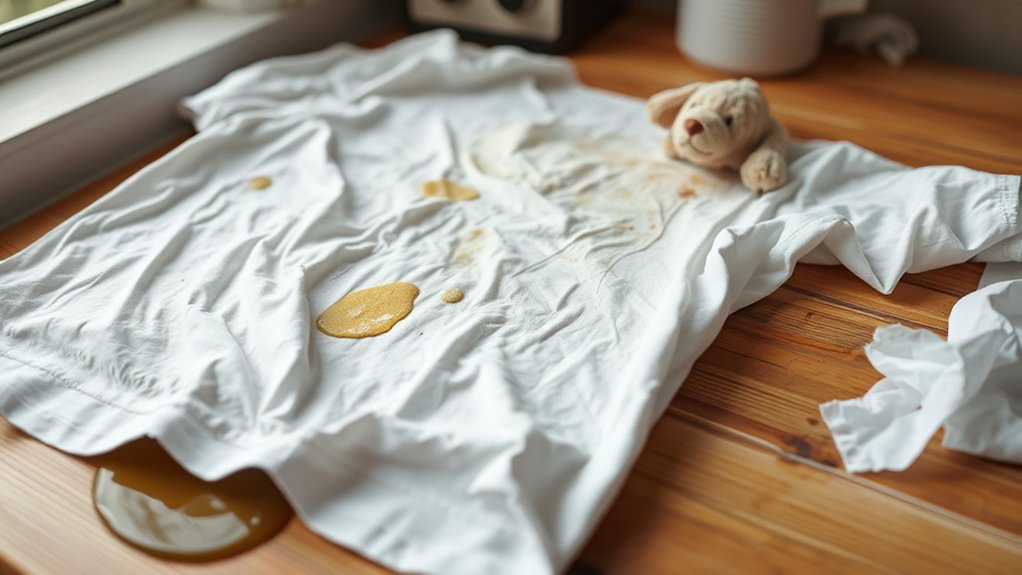
Which stains and odors pose the biggest challenges for laundry detergent sheets? You’ll find that these sheets struggle most with tough stains like lipstick and ink, often needing multiple washes to remove them effectively.
When it comes to odor removal, laundry detergent sheets show poor performance, especially against lingering smells from food items such as mustard and blood.
Laundry detergent sheets struggle to eliminate stubborn food odors like mustard and blood effectively.
Grease and oily stains also resist cleaning, as sheets are less effective on these compared to traditional detergents.
Their performance in cold water is particularly weak, with only slight improvements in warm water, making them unreliable for heavy, stubborn stains.
Are Laundry Detergent Sheets Safe And Free From Harmful Chemicals?
You’ll notice that many laundry detergent sheets have common irritants like sodium lauryl sulfate, which can be tough on sensitive skin and harmful to aquatic life.
Plus, when you see “fragrance” on the label, it often hides undisclosed chemicals because companies don’t have to list every ingredient.
On top of that, materials like polyvinyl alcohol raise questions about their environmental impact and how well they actually break down.
Common Irritants Found
Although laundry detergent sheets are marketed as a convenient and eco-friendly alternative, they often contain common irritants such as sodium lauryl sulfate (SLS), a known skin irritant that can also harm aquatic life.
You should be aware that many sheets include fragrances, which may mask harsh chemicals without disclosing their exact ingredients. This lack of transparency increases the risk of exposure to undisclosed toxic components, raising safety concerns.
Furthermore, while these sheets claim eco-friendliness, many use polyvinyl alcohol (PVA/PVOH) as a film base, a material that isn’t always biodegradable and can contribute to environmental pollution.
Understanding these irritants and hidden ingredients helps you make an informed decision about whether laundry detergent sheets truly align with your health and environmental values.
Undisclosed Fragrance Ingredients
How safe are laundry detergent sheets when it comes to their fragrance ingredients? Many products, even those marketed as eco-friendly, contain undisclosed fragrance ingredients that can hide potentially harmful chemicals.
Because U.S. regulations don’t require full ingredient disclosure for “fragrance,” you often won’t know exactly what’s inside these sheets.
Sodium lauryl sulfate (SLS), a common irritant harmful to aquatic life, frequently appears despite claims of being free from harsh substances.
These hidden components can cause allergic reactions or sensitivities, raising valid safety concerns.
Without transparent ingredient disclosure, it’s difficult for you to evaluate the true safety of laundry detergent sheets.
Being aware of these factors helps you make informed choices, balancing eco-friendly goals with personal and environmental health considerations.
Environmental Impact Concerns
When considering the environmental impact of laundry detergent sheets, it’s important to recognize that their safety and chemical composition may not be as benign as advertised. Many sheets contain sodium lauryl sulfate (SLS), a known skin irritant that also harms aquatic life, raising health risks for both users and ecosystems.
Furthermore, Polyvinyl alcohol (PVA/PVOH), often used as a film in these sheets, may not be biodegradable, contradicting their eco-friendly marketing claims. Despite promoting environmental benefits, production involves significant water use, potentially offsetting any gains.
In addition, ambiguous fragrance ingredients can conceal toxic chemicals, further complicating safety assessments.
While laundry sheets offer convenience, their chemical makeup and environmental footprint warrant careful scrutiny before you consider them a truly safe and eco-friendly alternative.
How Sustainable And Eco-Friendly Are Laundry Detergent Sheets?
When you’re thinking about how sustainable laundry detergent sheets are, there are a few key things to keep in mind. First, consider their environmental impact and how well they break down in nature.
One of the perks is that their lightweight packaging means less emissions during transportation, which is definitely a plus.
But on the flip side, some ingredients like polyvinyl alcohol and the fact that you might need to use them repeatedly can make their eco-friendly claims a bit tricky.
Environmental Impact Factors
Although laundry detergent sheets are marketed as a more sustainable alternative due to their lightweight design and reduced packaging, their overall environmental impact is more complex.
While laundry detergent sheets are manufactured primarily in China, this increases transportation emissions, offsetting some sustainability benefits.
Many sheets contain polyvinyl alcohol (PVA/PVOH), which may not fully biodegrade, raising concerns about long-term environmental impact.
Moreover, ingredients like sodium lauryl sulfate (SLS) and unspecified fragrances can harm aquatic ecosystems and human health.
The production process itself may consume significant water resources, challenging claims of reduced water use.
You should also consider that if laundry sheets are less effective, you might wash clothes multiple times, increasing energy and water consumption.
Consequently, evaluating laundry sheets’ true environmental impact requires looking beyond packaging and weight.
Biodegradability And Emissions
Because many laundry detergent sheets contain polyvinyl alcohol (PVA), you should carefully consider their biodegradability and emissions when evaluating their eco-friendliness. PVA may not break down effectively in natural environments, raising concerns about the sheets’ biodegradability and overall environmental impact.
Although laundry sheets reduce packaging waste and are lightweight, many are manufactured in China, which increases transportation emissions.
Furthermore, the water usage involved in producing these sheets can be substantial, potentially offsetting claimed sustainability benefits.
You might also need to run multiple wash cycles to achieve the best cleaning, further increasing water and energy consumption.
Given these factors, the sustainability of laundry detergent sheets remains complex and debated, with no clear evidence they’re consistently more eco-friendly than traditional liquid or powder detergents.
Which Laundry Detergent Sheets Work Best In Tests?
Which laundry detergent sheets deliver the best performance in real-world tests? Among those detergent sheets are manufactured, HeySunday stands out with a 4.9/5 rating, excelling at stain and odor removal without leaving residue.
Earth Breeze follows with a 4.3/5, praised for its scent and effectiveness on lightly soiled clothes but less successful against body odor.
Tru Earth, rated 3.9/5, is the safest for all machines and features a non-clumping design, though it has the highest price per load at $0.43.
Sheets Laundry scored 3.7/5, performing well on small loads but less so on larger ones.
Good Juju and Kind Laundry, both rated 3.3/5, offer non-toxic ingredients and appealing packaging respectively but come with higher costs.
Compared to laundry detergent pods, sheets performed variably, so choosing the best laundry detergent sheet depends on your priorities.
Common Drawbacks Of Laundry Detergent Sheets: Performance, Safety, And Sustainability
While some laundry detergent sheets perform well in stain and odor removal, many users encounter limitations that affect their overall convenience and effectiveness.
You might find that their performance drops, especially in cold water, often requiring multiple wash cycles that increase water use, which undermines sustainability.
Safety is another concern, as many sheets contain sodium lauryl sulfate (SLS), a known skin irritant, alongside undisclosed fragrances that may hide harmful chemicals.
Many detergent sheets contain skin irritants like SLS and undisclosed fragrances with potentially harmful chemicals.
Despite marketing claims, these sheets aren’t always safer than traditional detergents.
Furthermore, their sustainability is questionable since many are manufactured abroad, increasing transportation emissions.
The use of polyvinyl alcohol (PVA/PVOH) in sheets raises doubts about their biodegradability and complicates eco-friendly claims.
Understanding these drawbacks helps you make informed laundry choices.
Better Alternatives To Laundry Detergent Sheets
If you’re looking for more reliable and eco-friendly options, several alternatives to laundry detergent sheets offer superior cleaning power and sustainability.
Dirty Labs Bio Enzyme Laundry Detergent excels in stain removal and odor elimination, especially in cold water, and features plastic-free, recyclable packaging.
Tide Ultra Oxi Powder Detergent is another better alternative, highly rated for its stain removal and packaged in recyclable cardboard, making it an eco-conscious choice.
Truly Free Home Laundry Detergent uses plant-powered ingredients and patented technology to provide effective cleaning without harsh chemicals.
Compared to laundry sheets, these options reduce lingering odors and minimize multiple washes.
Choosing these alternatives not only improves stain removal but also supports sustainability by reducing plastic waste and promoting recyclable packaging, ensuring a more responsible laundry routine.
Make Your Laundry Routine Effective And Sustainable
Choosing the right detergent is just one part of making your laundry routine both effective and sustainable. While laundry detergent sheets offer convenience, their poor stain removal and cold-water performance often require extra washes. This can negate any energy-saving benefits.
To get the best results, pretreat stains before washing and use high-efficiency machines. These steps help reduce water and energy use, making your routine more eco-friendly. Being environmentally conscious also means selecting detergents with biodegradable ingredients and recyclable packaging.
| Tip | Benefit | Note |
|---|---|---|
| Pretreating stains | Better stain removal | Reduces multiple washes |
| High-efficiency machines | Lower water & energy use | Supports sustainability |
| Use eco-friendly detergents | Protects skin & environment | Avoid harsh chemicals |
Implement these strategies to make your laundry routine truly efficient and eco-friendly.
Frequently Asked Questions
Can Laundry Sheets Be Used for Hand Washing Clothes?
Yes, you can use laundry sheets for hand washing clothes. Just dissolve one sheet in lukewarm water to help it break down fully.
Tearing the sheet into smaller pieces improves detergent dispersion, especially for small loads.
Agitate your clothes in the soapy water for several minutes to let the detergent lift dirt effectively.
After washing, rinse thoroughly to avoid any detergent residue, ensuring your clothes come out clean and fresh.
Do Laundry Sheets Work in All Water Temperatures?
Laundry sheets do dissolve in all water temperatures, but their cleaning power varies.
You’ll find they work best in warm or hot water, where they remove stains and odors more effectively.
In cold water, they often struggle, requiring multiple washes or pre-treatment to get clothes truly clean.
Are Laundry Sheets Compatible With All Washing Machines?
You might be surprised to learn laundry sheets are compatible with virtually all washing machines, including high-efficiency (HE) models.
You just need to place the sheet directly in the drum with your clothes, not the detergent tray, to guarantee it dissolves properly.
Keep in mind, though, some sheets perform better in warm water, and heavy stains might need pre-treatment.
Follow the manufacturer’s dosage instructions to get the best results every time.
How Should Laundry Sheets Be Stored for Best Results?
You should store laundry sheets in a cool, dry place to prevent moisture from causing them to clump or dissolve early.
Keep them in their original packaging or an airtight container to protect from humidity and light, which can degrade their effectiveness.
Avoid placing them near heat sources like dryers or radiators.
Always handle sheets with dry hands to prevent sticking, and check expiration dates to guarantee maximum cleaning performance.
Can Laundry Sheets Cause Fabric Fading or Damage?
Think of laundry sheets like a double-edged sword. They clean but can also wear down your fabrics.
Yes, some sheets contain harsh surfactants like sodium lauryl sulfate that may cause fading or damage, especially on delicate clothes.
Residue buildup and synthetic fragrances might also weaken fibers or discolor fabric over time.
To protect your garments, you should monitor your sheet choice and consider pre-treatment carefully to avoid unnecessary wear.
Conclusion
Laundry detergent sheets might seem less powerful than liquids or powders, but they clean effectively for everyday loads while being safer and more eco-friendly. You might worry they won’t tackle tough stains or odors, yet they work well on most common laundry challenges.
If you need heavy-duty stain removal, combining sheets with pre-treatments helps. Overall, detergent sheets offer a convenient, sustainable choice that balances cleaning power with environmental benefits for your routine.