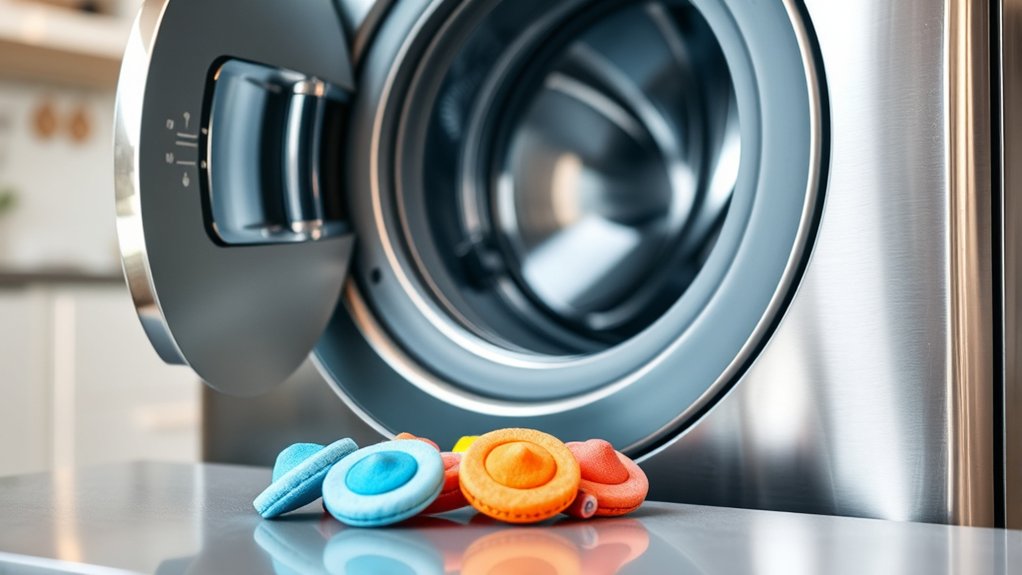
Can You Use Dishwasher Pods To Clean Washing Machine – Guide
You shouldn’t use dishwasher pods to clean your washing machine because they’re not designed for that purpose. They create excess foam, risk buildup, and can damage your washer’s components and fabrics.
Their chemical agents don’t fully dissolve at laundry temperatures, which causes residue and odors. Instead, use specialized washing machine cleaners or natural remedies like baking soda and vinegar.
Proper maintenance protects your machine’s performance and lifespan. Here’s what you need to know to keep your washer in top shape.
Can You Use Dishwasher Pods To Clean Your Washing Machine?
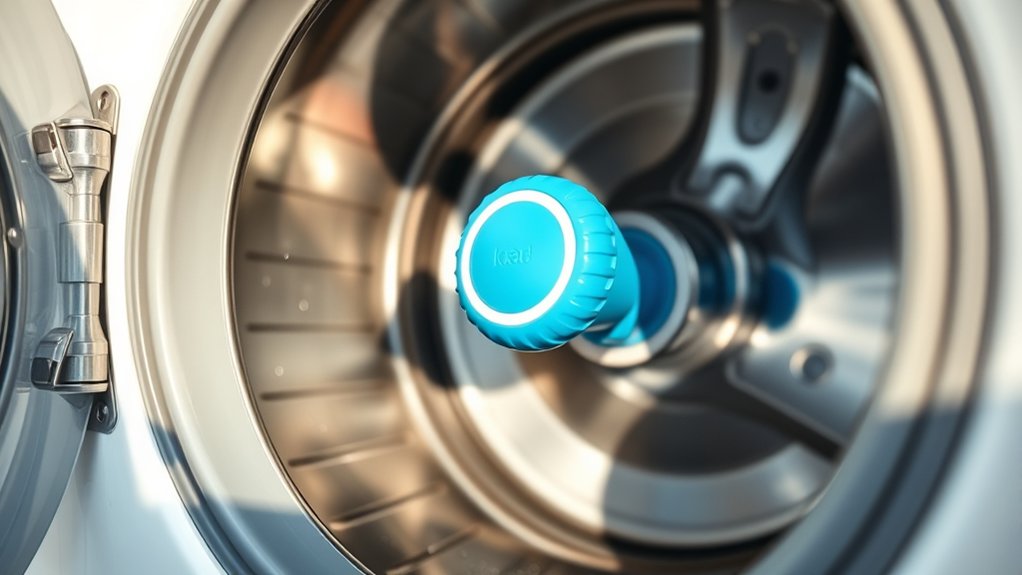
Although it might seem convenient, you shouldn’t use dishwasher pods to clean your washing machine. Dishwasher tablets aren’t formulated to tackle the specific buildup and residues found inside washers.
Dishwasher pods aren’t designed to clean washing machines and can cause buildup and damage.
When you use them, you risk excessive foaming, which can damage your appliance over time.
Experts and manufacturers, including Bosch, strongly advise against this practice because dishwasher pods may leave behind chemical residues that worsen buildup or cause unpleasant odors.
If you want to clean your washing machine effectively, it’s best to use specialized cleaners designed for this purpose, like Bosch Washer Cleaner.
These products target washer-specific issues safely and efficiently, ensuring your machine stays in ideal condition without risking damage or lingering smells.
Why Aren’t Dishwasher Pods Made For Washing Machines?
Why don’t dishwasher pods work well in washing machines? Dishwasher pods are specifically formulated for the high-temperature cycles of a dishwasher, not the cooler water typical of laundry machines.
Their detergent contains chemical agents designed to produce foaming, which can cause overflow problems in washers.
Plus, dishwasher pods may not dissolve fully during a laundry cycle, leaving behind residues.
The cleaning agents inside target food grease and stains, making them ineffective for fabric dirt and laundry residues.
Since the detergent isn’t tailored for clothes or washing machine conditions, you’ll likely see poor cleaning results.
In short, dishwasher pods aren’t made for washing machines because their detergent formula and design don’t match the needs or operating conditions of laundry appliances.
It’s best to stick with detergents made for your washer to get the best clean.
What Risks Come With Using Dishwasher Pods In Your Washer?
You might think using dishwasher pods in your washer is a good idea to clean it, but that’s not really the case. They often leave behind chemical residue that builds up over time.
On top of that, they can cause excessive foaming, which might lead to overflow and even damage your machine.
And here’s the thing—the formula in dishwasher pods isn’t made for laundry cycles. So, they won’t clean your clothes or the washer effectively like laundry detergent would.
It’s better to stick with products designed specifically for your washing machine.
Chemical Residue Build-Up
When you use dishwasher pods to clean your washing machine, chemical residues can linger in the drum and rubber seals, causing buildup over time. This buildup may trigger unpleasant odors and reduce your machine’s efficiency if not fully rinsed out.
Since dishwasher pods are designed for higher temperatures, they mightn’t dissolve completely in cooler wash cycles, increasing chemical residues.
These leftover chemicals can interact with your laundry detergent, potentially forming harmful compounds or damaging fabrics.
Over time, repeated use of dishwasher pods can lead to clogging and deterioration of internal parts due to chemical accumulation.
To keep your washer running well and lasting longer, it’s best to avoid dishwasher pods. Instead, use products that are specifically made for cleaning washing machines. This way, you’ll protect your machine and your clothes at the same time.
Foaming And Overflow Risks
Although dishwasher pods are formulated for tough grease removal in dishwashers, using them in your washing machine can lead to excessive foaming that risks overflow. Dishwasher tablets contain chemical agents designed for high-temperature cycles, but washing machines often run on lower temps, which may not fully dissolve these pods.
This incomplete dissolution increases chemical buildup, triggering unpredictable foam overflow. Such excessive foaming can damage your washer’s internal parts, cause leaks, or even flooding.
Furthermore, chemical reactions between dishwasher detergent residues and laundry soils can worsen foaming. You should also know that using dishwasher pods improperly might void your washing machine’s warranty due to potential damage from foam overflow.
To avoid these risks, it’s best to stick with detergents specifically designed for your washer. It’s really the safest bet to keep your machine running smoothly without any unexpected mess.
Ineffective Cleaning Performance
Since dishwasher pods are designed for high-temperature cycles, they often fail to dissolve properly in your washing machine’s cooler settings. This leads to ineffective cleaning.
When they don’t dissolve completely, residues remain inside your washer, encouraging buildup and foul odors instead of eliminating them.
Instead of acting as an effective washer cleaner, dishwasher pods can leave behind soap scum that’s tough to rinse out. This reduces your washing machine’s efficiency over time.
Plus, leftover detergent from these pods can affect how well your future laundry loads get cleaned.
If you want to keep your washing machine clean and working well, it’s better to use products made specifically for washers. Relying on dishwasher pods risks ineffective cleaning and might cause more harm than good in the long run.
How Dishwasher Pods Compare To Washing Machine Cleaners
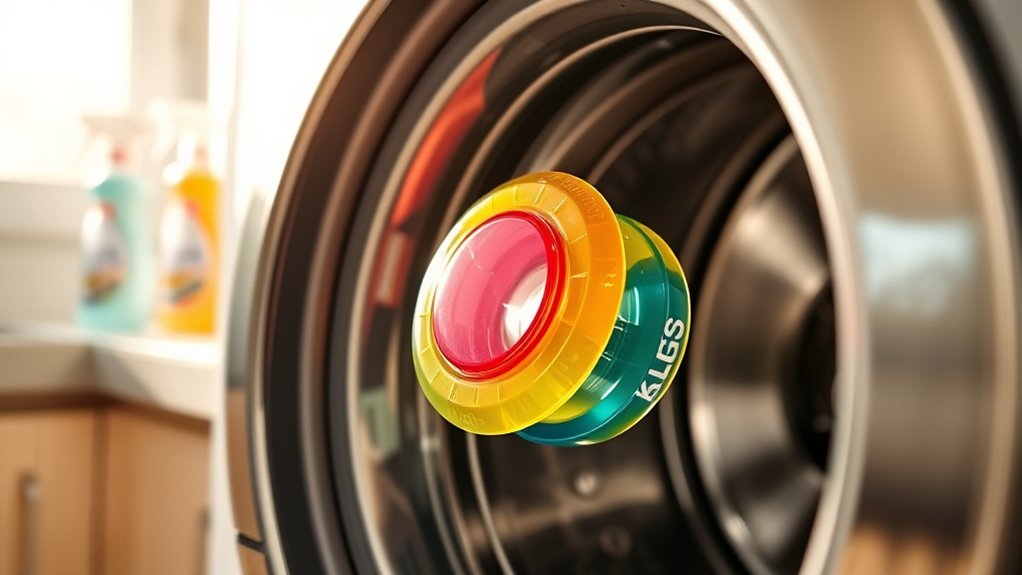
Because dishwasher pods are designed for high-temperature dishwashing, they don’t effectively target the detergent residue, mold, or limescale that build up inside washing machines.
Dishwasher tablets lack the enzymes and descaling agents found in washing machine cleaners, which are specifically formulated to break down soap scum, grease, and mineral buildup within your washer.
Using dishwasher pods in your washing machine can cause excessive foaming and leave behind residues that may damage internal components.
In contrast, washing machine cleaners are engineered to maintain appliance hygiene and performance without risking harm.
Experts recommend relying on washing machine cleaners rather than repurposing dishwasher tablets because they provide a more thorough, safe, and effective clean tailored to your washing machine’s needs.
It’s just a smarter way to keep your washer running smoothly.
Effective Alternatives For Cleaning Your Washing Machine
You can keep your washing machine fresh by running a hot cycle with baking soda and vinegar. This combo helps break down residues and odors, making your machine smell clean again.
There are also specialized products, like Bosch Washer Cleaner, that offer a thorough and safe cleaning experience designed just for your machine. These can be really handy if you want something made specifically for the job.
And don’t forget the little things—manually cleaning the rubber gaskets and crevices is important. Sometimes, stubborn buildup hides in those spots, and liquids alone mightn’t get rid of it. A quick wipe can go a long way!
Baking Soda And Vinegar
How can you effectively clean your washing machine without harsh chemicals? Using baking soda and vinegar is a simple, natural solution.
Add 1/4 cup of baking soda to the detergent drawer and pour 2 cups of white vinegar directly into the drum.
Run a hot cycle to break down soap scum, mineral deposits, and odors. Vinegar disinfects and helps prevent mold or mildew buildup, while baking soda neutralizes odors and softens drum surfaces.
This combination dissolves residues efficiently, improving your machine’s performance.
Regular use of baking soda and vinegar not only keeps your washing machine fresh but also extends its lifespan. It’s an easy, effective cleaning routine that avoids harmful chemicals and keeps your appliance running smoothly.
Give it a try and see the difference!
Bosch Cleaning Products
While natural remedies like baking soda and vinegar offer a gentle way to clean your washing machine, specialized products can provide a more targeted approach. Bosch recommends using their Washer Cleaner and Descaler for effective maintenance.
These cleaning products remove grease, detergent residues, and mineral buildup safely. Unlike dishwasher tablets, which aren’t designed for washing machines, Bosch’s Descaler specifically tackles limescale deposits, helping maintain peak performance.
Using Bosch cleaning products regularly not only keeps your machine spotless but also extends its lifespan. Plus, Bosch offers helpful support, how-to videos, and accessories to guide you through proper cleaning routines.
For reliable, precise care, stick to Bosch’s specialized products rather than improvising with dishwasher tablets or other generic options.
Manual Gasket Cleaning
Although many cleaning methods focus on the drum and detergent compartments, the washing machine’s gasket needs regular manual attention to prevent mold and residue buildup.
Manual gasket cleaning involves wiping and scrubbing the rubber seal with a soft brush or cloth to remove dirt, detergent residues, and mold. You can use a mixture of water and white vinegar or baking soda to disinfect and break down grime effectively.
Dishwasher tablets are great for cleaning the drum, but they won’t reach the gasket’s crevices. So, manual cleaning is really essential here.
After you finish, leave the door open to let the gasket dry completely. This helps reduce moisture that encourages mold growth.
It’s a good idea to regularly inspect and clean the gasket. Doing this protects the rubber and keeps your machine odor-free and working well.
Taking a little time for this makes a big difference!
Step-by-Step Guide To Proper Washing Machine Cleaning
Before you start cleaning your washing machine, run an empty hot water cycle at 90°C to loosen and dissolve grime inside.
Begin by running an empty hot water cycle at 90°C to break down grime inside your washing machine.
Next, mix 1/4 cup baking soda with 1/4 cup water and pour it into the detergent compartment. This helps break down residues effectively.
Then, add 2 cups of white vinegar directly into the drum to disinfect and remove odors.
Once the cycle finishes, take a damp sponge dipped in vinegar solution and scrub around the door gasket and any stubborn spots manually.
While some suggest dishwasher tablets for cleaning, they aren’t ideal for washing machines due to different chemical formulations.
Repeat this process every few months to keep your machine fresh and residue-free.
This way, you’ll ensure the best washing performance and longevity without risking damage.
When Should You Call A Professional For Washing Machine Maintenance?
Keeping your washing machine clean is a great way to maintain its performance, but some issues require professional attention. You should call a professional if your washer makes unusual noises or vibrates excessively during cycles. This could signal mechanical problems that need expert care.
If persistent odors or mold continue despite your cleaning efforts, it’s time to get expert maintenance. They can address hidden issues you mightn’t see.
When the machine fails to fill or drain properly, don’t wait. Consult a technician to check for blockages or pump failures.
Visible leaks or water damage around seals and hoses also mean you need immediate professional service.
And finally, if your washer’s performance noticeably declines despite routine cleaning and troubleshooting, scheduling professional maintenance is the way to go. It helps keep your machine running efficiently and prevents costly repairs down the line.
Tips To Maintain Your Washing Machine’s Performance Long-Term
To maintain your washing machine’s performance long-term, you should adopt a few simple habits that prevent common issues like mold buildup and mineral deposits.
Always leave the door open after cycles to let the drum dry and avoid mold growth. Use recommended cleaning agents such as Bosch Washer Cleaner and descalers every few months.
Running high-temperature cleaning cycles with these products helps remove residues effectively.
Regularly clean the door gasket and seals manually to prevent mildew buildup.
You should also schedule routine maintenance and descaling to extend your machine’s lifespan and keep it efficient.
By following these practical steps and choosing the right products to clean and maintain your washer, you’ll guarantee reliable performance and avoid costly repairs over time.
It’s easier than you might think and well worth the effort!
Frequently Asked Questions
Can Dishwasher Pods Damage Different Types of Washing Machines?
Yes, dishwasher pods can damage different types of washing machines. You’ll risk corrosion on rubber seals and gaskets because their chemicals aren’t designed for washing machine materials.
Front-loading and high-efficiency washers may experience excessive foaming, which can harm the drum and sensors.
Plus, repeated use might cause residue buildup or damage electronic parts and water valves.
It’s best to use detergents made specifically for your washing machine to avoid these issues. That way, you keep your machine running smoothly and avoid costly repairs.
Are Dishwasher Pods Safe for Front-Load Washers?
You might think dishwasher pods are a quick fix, but they’re not safe for front-load washers. While they clean dishes effectively, their harsh chemicals can damage your washer’s rubber seals and cause excessive sudsing.
Instead, use products designed specifically for front-load machines to avoid buildup and maintain your washer’s lifespan. Choosing the right cleaner protects your investment and keeps your laundry fresh without risking costly repairs.
It’s all about using the right product for the job! That way, your washer stays in great shape and your clothes come out clean every time.
How Often Should Washing Machines Be Cleaned?
You should clean your washing machine every 1 to 3 months, depending on how often you use it. If you wash clothes frequently or notice musty smells or residue, aim for monthly cleaning.
Regularly running a cleaning cycle with a specialized cleaner or vinegar helps keep your machine fresh and efficient. Staying on top of this prevents buildup and foul odors.
Plus, it guarantees your washer performs at its best over time. So, keeping it clean isn’t just about looks—it’s about making sure your machine lasts longer and works better.
Can Dishwasher Pods Cause Odors in Washing Machines?
Yes, dishwasher pods can cause odors in your washing machine. They often leave behind chemical residues that trap moisture, which encourages mold and mildew growth.
If the pods don’t dissolve completely, they’ll leave lingering smells in the drum and seals.
Using them repeatedly can also introduce strong chemical scents that transfer to your clothes.
To avoid unpleasant odors, stick to detergents designed for washing machines. And don’t forget to clean your machine regularly.
What Ingredients in Dishwasher Pods Are Harmful to Washers?
The ingredients harmful to washers in dishwasher pods include bleach, chlorine compounds, and enzymes. These can corrode metal parts and degrade rubber seals.
Phosphates and fragrances may leave residues that encourage mold growth.
Foaming agents cause excessive suds, which can risk damage. Plus, plastic polymers and stabilizers mightn’t dissolve fully. This can lead to clogs or buildup inside your machine.
You should avoid these pods to protect your washing machine’s longevity and performance. It’s better to choose gentler formulas that won’t harm your appliance over time.
Conclusion
Using dishwasher pods to clean your washing machine might seem like a quick fix, but it’s like using a flashlight to light up a stadium. It’s ineffective and risky. These pods aren’t designed for washers and can cause damage or residue buildup.
It’s better to stick to products made specifically for washing machines or try natural alternatives instead. This will help keep your appliance running smoothly. With proper care, your washer will stay in top shape.
That way, you save time and money in the long run. Taking care of your machine properly really pays off!