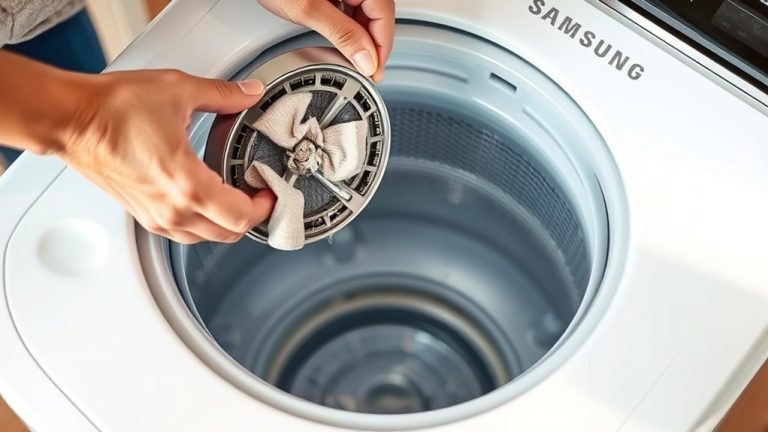
How Much Citric Acid To Clean Washing Machine – Proper Amount Guide
You should use 1/2 cup of citric acid for a top-loading washing machine and 1/4 cup for a front-loading one to clean effectively. Add the citric acid directly into the drum and run a hot wash cycle to remove limescale and odors. Adjust the amount if you have harder water or heavy buildup.
Using the hottest cycle enhances the cleaning power, and repeating the cycle may be necessary for first-time deep cleans. More tips on optimizing your washing machine maintenance follow.
How Much Citric Acid To Use For A Standard Washing Machine
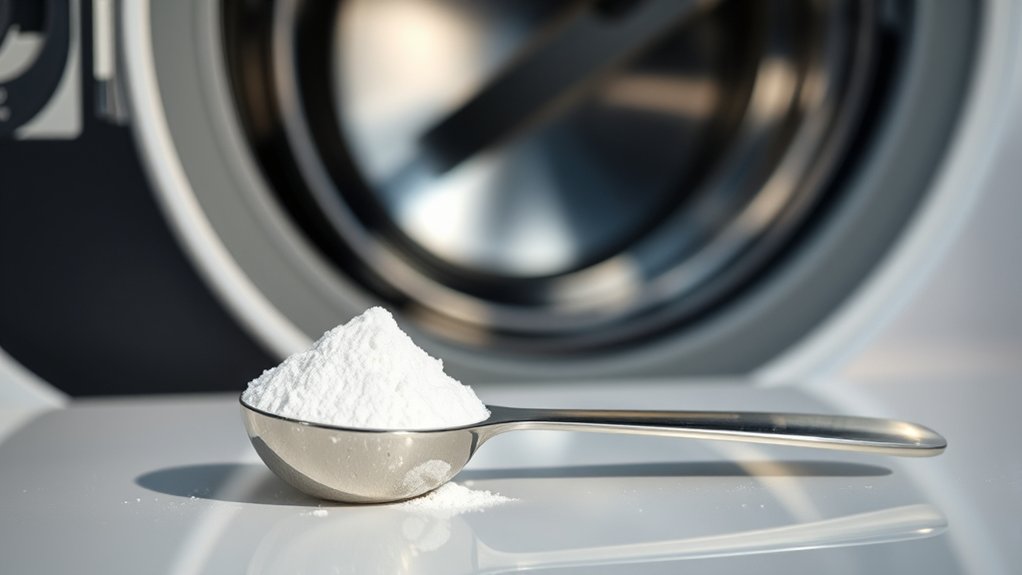
How much citric acid should you use to clean your washing machine effectively? For a standard washing machine, use between 1/4 and 1/2 cup of citric acid to descale and clean efficiently.
If you have a top-loading machine, go for 1/2 cup since it uses more water. Front-loaders only need 1/4 cup because they use less water.
Run a hot wash cycle with the citric acid to dissolve limescale and get rid of odor-causing bacteria. This is especially important if you live in a hard water area.
If it’s your first deep cleaning, you might need to run multiple cycles to fully remove built-up grime.
Using this amount of citric acid every few months helps keep your washing machine running at its best. It also extends the lifespan of your standard washing machine.
Regular maintenance like this really pays off!
Why Citric Acid Dosage Varies By Machine Type
Because top-loading and front-loading washing machines differ in water usage and design, the amount of citric acid needed for effective cleaning varies accordingly. Citric acid works by dissolving limescale and buildup, but top-loading machines require more due to their larger water capacity.
Front-loading machines use less water and clean more efficiently, so they need less citric acid. Also, the hardness of the water in your area affects dosage. Harder water means you’ll need more frequent or higher doses to keep your machine healthy.
| Machine Type | Water Usage |
|---|---|
| Top-loading | Higher water volume |
| Front-loading | Lower water volume |
| Citric Acid Dosage | 1/2 cup (top-load) |
| Citric Acid Dosage | 1/4 cup (front-load) |
Measuring Citric Acid Dosage For Top-Loading Washers
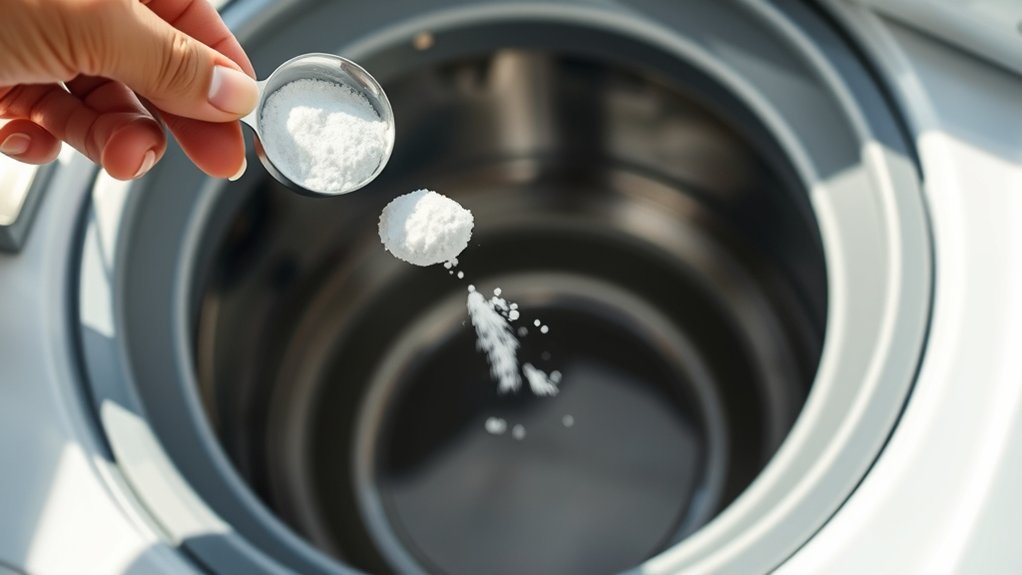
For top-loading washers, start with about half a cup of citric acid.
This amount works well to break down limescale and get rid of odors. If you see a lot of buildup or are doing a deep clean for the first time, you might want to use a bit more.
Just keep in mind the size of your machine and how tough the residue is, and adjust the dosage accordingly.
Ideal Citric Acid Quantity
Using 1/2 cup of citric acid in your top-loading washer provides an effective balance to dissolve limescale and eliminate odor-causing bacteria during a deep clean. Add the citric acid directly into the drum, not the detergent drawer, to enhance contact with internal surfaces. Run a long hot cycle to maximize cleaning efficacy.
For heavy mineral deposits, multiple cycles may be necessary until the water is clear. Regular cleaning every 2-3 months helps maintain performance and prevents buildup.
| Dosage | Cycle Type | Purpose |
|---|---|---|
| 1/2 cup | Long hot cycle | Removing mineral deposits |
| 1/2 cup | Multiple cycles | Heavy limescale removal |
| 1/2 cup | Regular cleaning | Odor elimination |
| 1/2 cup | Drum addition | Ideal cleaning contact |
Dosage Adjustment Factors
When measuring citric acid dosage for top-loading washers, you should tailor the amount to your machine’s condition and local water hardness. For standard cleaning purposes, start with 1/2 cup of citric acid during a long hot cycle.
If your washer has heavy soiling or visible limescale buildup, increase the dosage to 1 cup for more effective descaling.
Water hardness plays an essential role in dosage adjustment; harder water requires more citric acid to break down mineral deposits efficiently. Always measure accurately to avoid residue issues.
Too little won’t clean properly, and too much can cause buildup.
After cleaning, monitor your washer’s performance. If odors or scale persist, repeat the treatment with the same or slightly adjusted dosage based on observed results and water conditions.
Just keep an eye on how your machine responds and tweak the amount as needed.
Citric Acid Dosage For Front-Loading Washers
For front-loading washers, just use about 1/4 cup of citric acid for each cleaning cycle.
You’ll want to add it directly into the drum. Then, run the washer on its hottest and longest cycle to make sure you get rid of limescale and any odors.
It’s a good idea to adjust how often you do this depending on how hard your water is.
That way, you can keep your machine running efficiently without any hassle.
Recommended Citric Acid Amount
To effectively clean a front-loading washing machine, add 1/4 cup of citric acid directly into the drum before starting the cycle. This amount is ideal for dissolving limescale and eliminating odors without causing residue.
Avoid placing citric acid in the detergent drawer, as it won’t distribute evenly.
Use a long hot cycle or hygiene wash to maximize citric acid’s effectiveness, ensuring thorough contact with internal components. In hard water regions, repeat this cleaning process every 1-3 months to keep your washing machine clean and running efficiently.
Citric acid outperforms many conventional cleaning agents by targeting mineral buildup.
Always check for residual odors or deposits after the cycle. If you notice any, running additional cycles with citric acid might be necessary to restore optimal performance and hygiene.
It’s a simple step that can make a big difference in how well your machine works!
Optimal Wash Cycle Settings
Maintaining your front-loading washer’s cleanliness depends heavily on selecting the right cycle settings for citric acid cleaning. For effective descaling, add 1/4 cup of citric acid directly to the empty drum.
Set your washing machine to a long hot cycle or hygiene wash to guarantee maximum contact time between citric acid and internal components. Using warm water enhances the dissolving action, improving cleaning efficiency.
Follow these steps for best results:
- Use 1/4 cup of citric acid per wash cycle.
- Select a long hot cycle or hygiene wash setting.
- Run the citric acid wash every 2-3 months, especially in hard water areas.
This routine keeps your washing machines free from limescale and grime, maintaining performance and longevity.
Adjusting Citric Acid Use For Frequent Vs. Occasional Cleaning
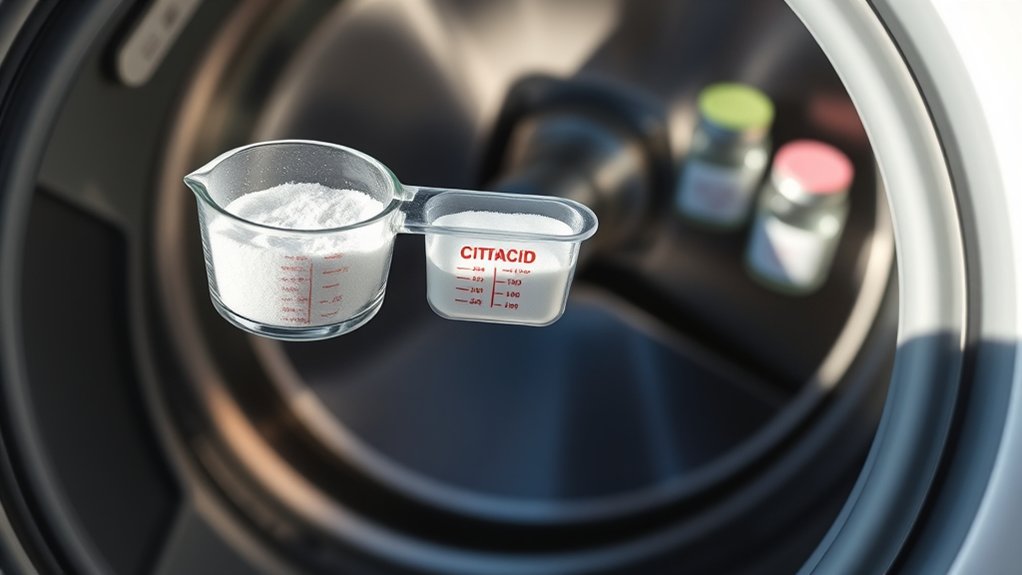
Although citric acid is effective for both occasional deep cleans and frequent maintenance, you’ll need to adjust the quantity and frequency based on your machine’s usage and water hardness.
For occasional deep cleaning, use 1/2 cup for top loaders and 1/4 cup for front loaders to remove rust, limescale, and grime. A first-time deep clean may require multiple cycles to fully dissolve buildup.
For frequent cleaning, especially in hard water areas, run a citric acid wash every 1-2 months using about 1/4 cup to maintain efficiency without overloading the machine.
These cleaning tips guarantee you prevent heavy deposits while protecting your washer. Adjust the amount based on buildup severity, using less acid for regular maintenance and more for stubborn residues.
How To Know If You’re Using The Right Amount Of Citric Acid
Adjusting the amount of citric acid based on your washing machine type and cleaning frequency sets the foundation.
But knowing if you’ve used the right quantity requires observation.
After running a cleaning cycle, check for these signs to confirm proper dosing:
After your cleaning cycle, look for signs that confirm you’ve used the right amount of citric acid.
- No lingering odors or visible grime inside the drum indicates effective removal of buildup with the correct tablespoons of citric acid.
- Residue-free surfaces after the cycle suggest you’ve used enough citric acid. Always rinse thoroughly to prevent deposits.
- If odors or limescale persist, increase the citric acid amount slightly in subsequent runs.
Just be careful not to overdo it—you don’t want to risk damage.
Tips For Adding Citric Acid The Right Way
You’ll want to measure citric acid carefully—about 1/2 cup for top-loaders and 1/4 cup for front-loaders. This helps avoid any residue or ineffective cleaning.
Just add it directly to the drum or the detergent drawer, but don’t mix it with other cleaning agents.
Then, always run a long, hot cycle to get the best results for descaling and sanitation.
Measuring Citric Acid
Two key measurements of citric acid guarantee effective washing machine cleaning: 1/2 cup for top-loaders and 1/4 cup for front-loaders.
When measuring citric acid, accuracy is essential to avoid residue or insufficient cleaning. Use standard measuring cups from your cleaning supplies to maintain consistency.
Follow these guidelines for measuring citric acid:
- Measure dry citric acid with a leveled cup, no packing or heaping.
- Add citric acid directly into the drum or detergent drawer. Never mix it with other agents like vinegar.
- Adjust usage frequency based on soil level. Regular maintenance requires fewer cycles, while heavy buildup may need repeated treatments.
Accurate measuring of citric acid guarantees ideal limescale removal and germ elimination, keeping your washing machine efficient and clean.
Just stick to these steps, and your machine will stay in great shape!
Optimal Washing Settings
When you add citric acid for cleaning, always select the hottest washing cycle available to maximize its descaling efficiency and odor removal. The hot setting enhances the dissolving power of citric acid, guaranteeing peak removal of limescale and buildup.
For top-loading machines, use 1/2 cup of citric acid per cycle, while front-loading machines require only 1/4 cup due to their smaller drum size.
If it’s your first deep clean, be prepared to run multiple cycles to fully eliminate thick grime.
For ongoing maintenance, schedule a citric acid wash every few months on the hot setting to keep your washing machine performing effectively.
Following these peak washing settings guarantees thorough cleaning and prolongs your machine’s lifespan.
Safely Combining Citric Acid With Other Cleaning Agents
Although citric acid is an effective cleaner on its own, combining it with other agents requires caution to avoid chemical reactions that reduce cleaning power or create hazards.
When safely combining citric acid with other cleaning agents to clean your home, follow these key guidelines:
- Never mix citric acid with baking soda, as they neutralize each other and lose effectiveness.
- Avoid combining citric acid with bleach to prevent toxic gas release.
- Use citric acid with Castile soap safely, as they complement each other without adverse reactions.
Always perform a patch test on a small area before full application to prevent surface damage.
Test on a small spot first to avoid any potential surface damage before full use.
For washing machines, rely primarily on citric acid alone for descaling and odor removal to maximize cleaning performance.
Just a little caution goes a long way to keep your cleaning safe and effective!
How Water Hardness Affects Citric Acid Dosage
Since water hardness directly impacts limescale buildup in your washing machine, adjusting the citric acid dosage is essential for effective descaling. Water hardness is measured by the concentration of calcium and magnesium ions, which speed up limescale formation.
In hard water areas, use 1/2 cup of citric acid to efficiently dissolve mineral deposits. For moderately hard water, 1/4 cup usually does the trick to prevent limescale buildup and keep your machine running smoothly.
To figure out the right dosage, check your local water hardness with testing kits or look up municipal data. Regularly adjusting the citric acid amount based on water hardness not only boosts descaling efficiency but also helps extend your washing machine’s life by reducing limescale damage.
Always match the dosage precisely to your water conditions for the best results.
Maintaining Your Washing Machine With Regular Citric Acid Washes
Adjusting citric acid dosage based on water hardness sets the stage for ongoing maintenance that keeps your washing machine in prime condition.
Regularly using citric acid helps remove limescale and odor-causing bacteria, ensuring your machine stays clean and runs efficiently.
To maintain ideal performance, follow these steps:
- Use 1/2 cup of citric acid for top-loading washers and 1/4 cup for front-loading models during a long hot cycle.
- Run a citric acid cleaning cycle every few months to prevent mineral buildup and grime accumulation.
- Monitor for lingering odors or visible residue, and repeat the wash if necessary.
This routine minimizes wear on components, extends your machine’s lifespan, and consistently removes contaminants.
Keeping up with this simple habit helps your washing machine operate at peak efficiency.
Frequently Asked Questions
Can Citric Acid Damage My Washing Machine’s Rubber Seals?
Yes, citric acid can damage your washing machine’s rubber seals if used in high concentrations or undiluted.
For effective rubber seal maintenance, make sure to dilute citric acid properly and avoid letting it sit on the seals for too long.
If you’re worried about damage, you might want to consider gentler alternatives like vinegar for cleaning.
To keep your washing machine in good shape, try to clean it monthly or follow the recommended schedule.
Taking proper care helps prevent buildup and mold, which protects the seals and keeps your machine running smoothly without any damage.
Is Citric Acid Safe for All Washing Machine Brands?
Yes, citric acid is generally safe for most washing machine brands. It offers benefits like effective limescale removal and eco-friendly cleaning.
However, washing machine compatibility varies, so it’s a good idea to check your manufacturer’s guidelines before use.
Compared to harsher alternative cleaners, citric acid is gentler but still requires safety precautions. For example, avoid prolonged contact with rubber seals.
If you’re unsure, try conducting spot tests first. This way, you can maintain your machine without risking damage.
How Often Should I Clean My Washing Machine With Citric Acid?
You should set your cleaning frequency to every 2-3 months to maximize citric acid benefits and guarantee effective washing machine maintenance.
If you frequently wash heavily soiled clothes or have pets, increase this to monthly. Regular use prevents limescale buildup and odors, prolonging your appliance’s life.
Incorporate this into your laundry tips for hassle-free upkeep and peak performance.
Keep an eye out for any smells or residue, so you can adjust how often you clean as needed. This way, your washing machine stays fresh and efficient without any extra hassle.
Can I Use Citric Acid to Remove Mold From the Washing Machine?
Think of citric acid as a key that opens mold’s stronghold in your washing machine. You can definitely use it for mold removal techniques. Its acidic nature breaks down mold spores effectively.
Incorporating citric acid benefits into your washing machine maintenance routine offers a practical, household cleaning alternative that prevents further growth.
Just apply it carefully, let it sit, then rinse thoroughly to keep your machine clean and running smoothly.
What Should I Do if Citric Acid Doesn’T Remove All Buildup?
If citric acid doesn’t remove all buildup, try increasing the amount or running a second cycle. This is especially useful for stubborn limescale or mold.
You can also let the solution sit longer to boost its effectiveness.
If that still doesn’t work, consider alternative methods like oxygen bleach for really tough grime. It’s all about finding what works best for your situation.
Make sure to keep up with cleaning every 2-3 months to stop buildup from getting out of hand.
Regularly check your machine and follow prevention tips so you don’t end up with deep deposits that need professional cleaning.
Conclusion
Now that you know how much citric acid to use, you might wonder if more always means better cleaning. In truth, overdosing can damage seals and leave residues. On the other hand, underdosing won’t remove buildup effectively.
It’s best to tailor the amount to your washer type, water hardness, and how often you clean it. Stick to the recommended dosages and add it correctly. That way, you’ll maintain your machine efficiently without any risk or waste.