How To Clean Washing Machine Lint Filter – Easy Guide
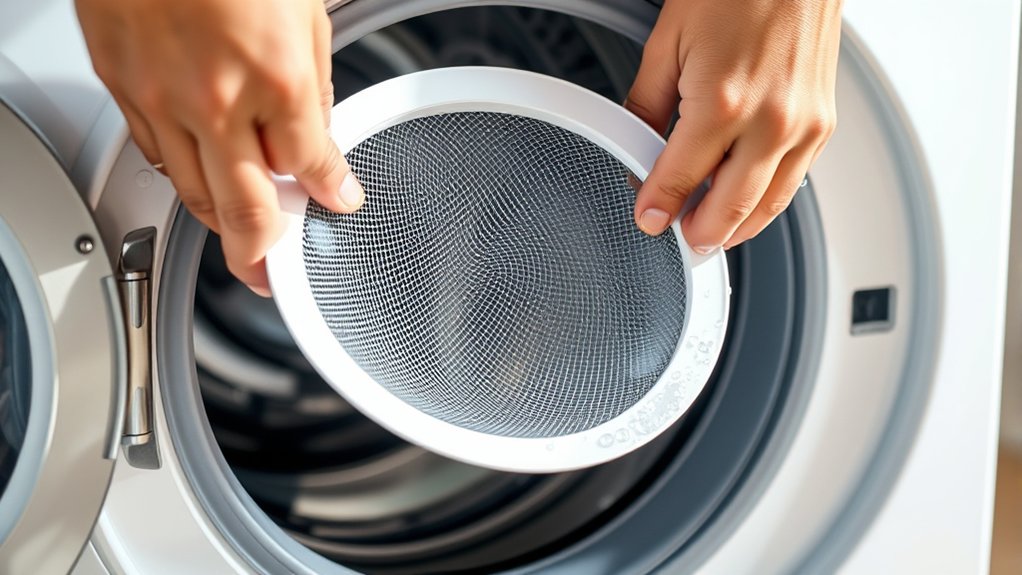
To clean your washing machine lint filter, first unplug the machine for safety. Locate the filter, usually inside the agitator on top-loaders or behind a bottom hatch on front-loaders. Remove it carefully, rinse under warm water, and use a soft brush to clear debris.
If you need to, use the emergency drain hose to release any excess water. Regular cleaning every few months keeps your machine running efficiently and helps prevent clogs.
Keep following for detailed steps and maintenance tips to extend the filter’s life. It’s easier than you think, and your machine will thank you!
What Is a Washing Machine Lint Filter and Why It Matters
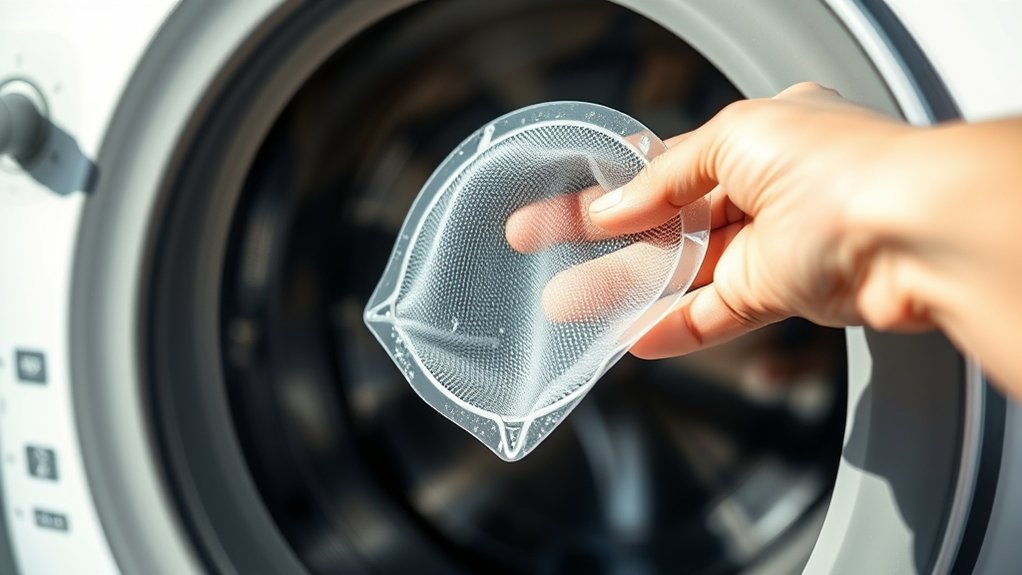
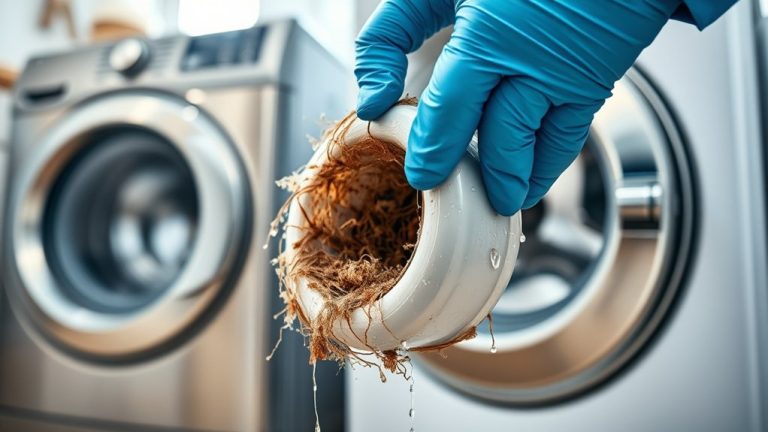
A washing machine lint filter traps lint, hair, and debris during each wash cycle to prevent drain clogs and keep your clothes clean. This component is essential for maintaining washing machine efficiency.
When the lint filter becomes clogged, it restricts water flow, causing drainage issues and reducing peak performance.
To guarantee your machine runs smoothly, you need to clean the filter regularly as part of routine maintenance. Neglecting this task can lead to unpleasant odors, mold growth, and potential damage to the appliance.
By keeping the lint filter clear, you not only preserve the quality of your clothing but also extend the lifespan of your washing machine.
Where Can You Find the Lint Filter in Your Washer?
Keeping your washing machine’s lint filter clean starts with knowing exactly where to find it. In top-load washers, the lint filter is often located inside the center agitator or near the drum’s top rim. Look for removable filters hidden under covers for easy access.
Locate your washing machine’s lint filter inside the agitator or near the drum’s top rim for easy cleaning.
For front-load washers, the lint filter typically sits behind a small hatch at the machine’s bottom corner. This design makes maintenance straightforward and hassle-free.
Some high-efficiency models may not have a traditional lint filter, though. Instead, they use built-in debris capture systems.
Since filter locations vary by brand and model, always check your user manual for precise instructions.
And don’t forget to inspect the drainage hose too. It may have a mesh screen that traps lint and debris, helping keep your washer clean and running at its best.
How Often Should You Clean Your Washing Machine Lint Filter?
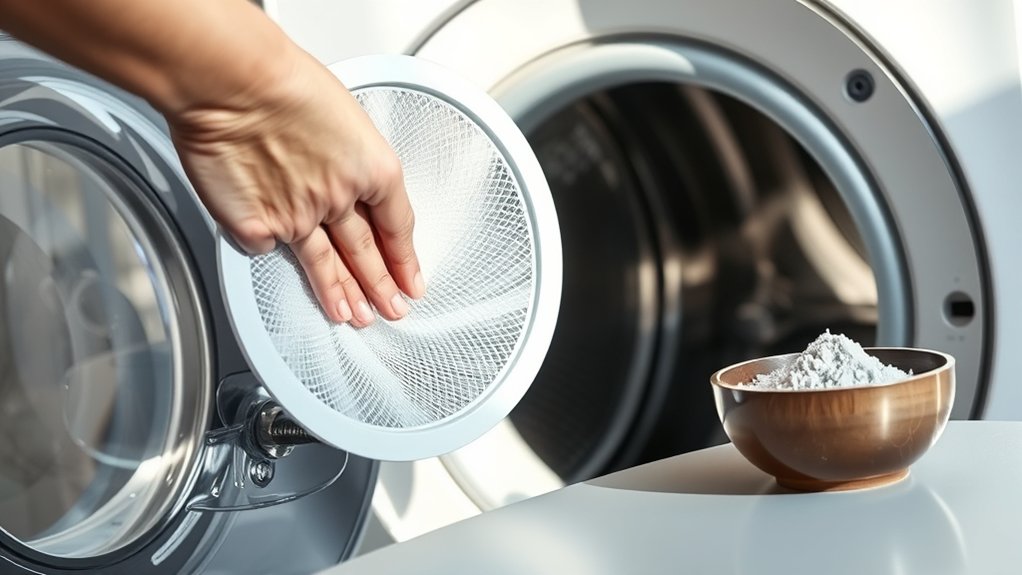
You should clean your washing machine lint filter at least every three to four months if you’re using it normally.
But, if you have pets or do heavy laundry loads, it’s a good idea to clean it every month. This helps keep clogs from building up.
It’s also smart to check the filter regularly for any visible lint or hair.
That way, you can tweak your cleaning schedule depending on what you see.
Recommended Cleaning Frequency
Washing machine lint filters require regular cleaning to keep things running smoothly and to avoid clogs. For the best results, try to clean your washing machine lint filter at least once every three to four months. Doing this helps reduce clogs and keeps the filter clean, which prevents drainage problems and keeps your washing efficient.
If your household uses the washing machine a lot, it’s a good idea to clean the filter more often—about once a month. Checking the lint filter regularly means you can spot any buildup early and take care of it before it causes issues.
Following this schedule not only helps your machine last longer but also keeps your laundry free of lint. Keeping your washing machine lint filter clean is key for smooth, trouble-free operation and effective lint removal.
Signs Filter Needs Cleaning
Although regular cleaning every three months is recommended, certain signs indicate your washing machine lint filter needs immediate attention. Key signs include visible lint buildup on or around the filter, which restricts water flow.
You may also notice longer wash cycles as the machine works harder to compensate for reduced drainage caused by a clogged filter.
If your clothes come out wetter than usual, this also suggests the filter needs cleaning. Furthermore, unpleasant odors originating from the machine often signal trapped debris and bacterial growth within a clogged filter.
Ignoring these signs can lead to drainage issues and potential machine malfunctions.
Regularly inspecting and addressing these indicators guarantees peak performance and prevents costly repairs related to lint buildup and clogged filters.
Cleaning Schedule Tips
Cleaning your washing machine lint filter at least once a month guarantees peak performance and prevents clogs. This cleaning schedule tip guarantees your machine operates efficiently and avoids a clogged washing machine filter that can impair drainage.
For heavy-use households, clean your washing machine lint filter every 2-3 weeks to prevent lint buildup.
Always inspect the lint filter for visible debris or hair during laundry cycles. Frequent debris may signal the need for more regular filter cleaning. Some models require cleaning every 3-4 months, so consult your manual.
Adhering to a consistent cleaning schedule enhances superior performance, extends your machine’s lifespan, and prevents unpleasant odors.
Prioritize regular lint filter maintenance to maintain system integrity and avoid costly repairs. It really pays off in the long run!
How to Tell If Your Lint Filter Needs Cleaning or Replacement
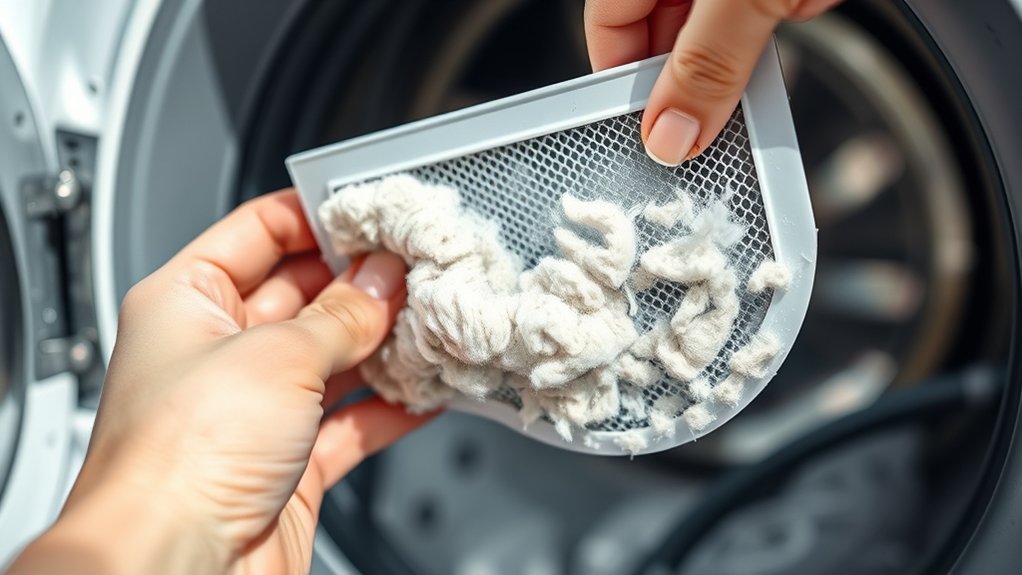
How can you tell when your lint filter needs attention? Start by inspecting for visible accumulation of lint, hair, or debris. This clearly signals the need for cleaning the filter.
If your washing machine performance declines, like longer wash cycles or clothes staying damp, your lint filter may be clogged.
Also, a musty smell or signs of mold inside the machine often mean the filter isn’t working right and needs cleaning or replacement.
Take a close look at the lint filter for any damage such as tears or cracks. These defects can stop it from capturing lint properly and mean you should replace it.
To keep your washing machine running at its best, clean the lint filter at least once a month.
Regular checks and timely action help your machine run smoothly and avoid performance problems.
How to Safely Remove Your Washing Machine Lint Filter
First, make sure you power off and unplug your washing machine to prevent any electrical hazards.
It’s really important to keep things safe before you start.
Next, you’ll want to find the lint filter.
For top-loaders, it’s usually inside the agitator, while for front-loaders, you’ll often find it behind the bottom corner hatch.
Take a moment to check those spots.
Finally, when you’re ready to remove the filter, do it carefully.
You might need to unscrew it or gently pull it out.
Just be gentle to avoid damaging any parts.
Power Off Machine
Before you begin removing the lint filter, always power off and unplug your washing machine. This prevents accidental operation and guarantees your safety. It’s a vital step before accessing the washing machine filter or opening any access panel.
Cutting power eliminates electrical hazards and makes sure the machine won’t start unexpectedly. It’s a good idea to consult your user manual to verify the correct procedure for your model.
Once powered off and unplugged, you can safely proceed to locate and open the access panel without risk.
Locate Filter Access
With the machine powered off and unplugged, you can locate the lint filter by consulting your user manual, as its position varies by model and type. To clean a washer effectively, you need to locate filter access precisely to avoid damage. Top-load models usually house the lint trap inside the agitator or along the drum’s top rim.
Front-load washing machines typically have the filter behind a hatch near the bottom right corner. Some high-efficiency washers may not have a traditional lint filter, so check your owner’s manual carefully.
| Washer Type | Common Lint Trap Location | Notes |
|---|---|---|
| Top-load models | Inside agitator or drum rim | Check agitator cap |
| Front-load washing | Bottom right hatch | Use a towel to catch spills |
| High-efficiency | May lack traditional filter | Inspect design in manual |
Remove Filter Carefully
Although locating the lint filter is vital, you must verify the washing machine is turned off and unplugged before attempting removal to eliminate any electrical risk.
To remove the filter carefully, first prepare for water by placing a towel or shallow pan beneath the filter access area to catch potential water spillage.
Depending on your model, the washing machine filter may be inside the drum or behind a hatch.
Gently unscrew or pull out the filter, avoiding damage to components. Once removed, inspect the filter thoroughly for debris or damage.
Cleaning the filter regularly is essential to maintain machine efficiency.
How to Clean Your Washing Machine Lint Filter
Since lint filters trap debris that can impair your washing machine’s performance, you need to clean them regularly.
Start by unplugging the machine to guarantee safety. Locate the washing machine filter, which is commonly in the drum rim, near the agitator, or behind a front hatch.
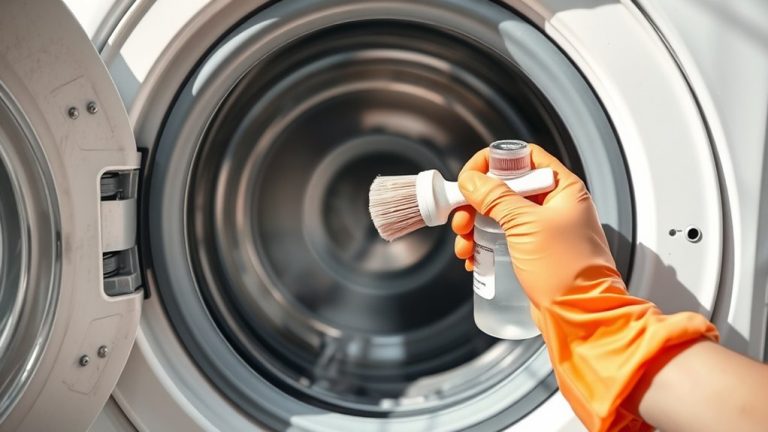
Remove the filter carefully and rinse it under warm water to loosen lint and debris. Use a soft brush to scrub away any stubborn buildup, making sure to get it nice and clean.
Afterward, dry the filter completely to prevent mold and odors before putting it back in.
Try to make this part of your regular maintenance routine by checking and cleaning the filter at least once a month.
Following these steps will help you clean your washing machine effectively, keep it running smoothly, and prevent drainage problems caused by clogged lint filters.
Managing Water Drainage During Filter Cleaning
After you’ve removed and cleaned the lint filter, managing water drainage becomes a key step to avoid spills and damage.
Before detaching the filter, place a towel handy or a shallow pan beneath the access point to catch any water escaping from the washing machine’s drainage system. If your machine includes an emergency drain hose, use it to release residual water first.
Always keep a container ready to collect water flowing out when you remove the filter.
Once reassembled, run an empty hot water cleaning cycle to flush out debris and verify that the drainage system functions properly. Proper water management prevents messes and protects your flooring during filter maintenance.
Run an empty hot water cycle after reassembly to clear debris and ensure proper drainage.
- Place a towel or pan under the filter area
- Drain residual water using the emergency hose
- Run an empty hot water cleaning cycle afterward
Maintenance Tips to Prolong Your Washing Machine Filter’s Life
To prolong your washing machine filter’s life, you should inspect it at least once a month to catch buildup early and maintain peak function.
Regularly clean the washing machine filter using hot water and dish soap to remove lint buildup and debris, ensuring ideal drainage.
Avoid overloading your machine, as excess load strains the filter, increasing lint accumulation and potential damage.
Follow manufacturer guidelines for replacing disposable lint filters, typically every 3-4 months, to sustain filtration efficiency.
Also, keep the area around the filter clean and free from obstructions to prevent clogging.
These maintenance tips help you prolong lifespan, maintain washing efficiency, and avoid costly repairs by ensuring your washing machine filter operates effectively over time.
What Happens When Your Lint Filter Is Dirty
When your lint filter gets dirty, water drainage slows down, so your clothes end up wetter than they should be.
You might also start noticing some mold growing inside the machine, along with unpleasant odors.
On top of that, your washing machine won’t work as well—it’ll take longer to finish cycles and the parts could wear out faster.
Drainage Problems Increase
If you neglect cleaning your washing machine’s lint filter, you’ll likely face significant drainage problems. Clogged filters restrict water flow, causing poor drainage and water pooling inside the machine. This hinders the washing cycle, forcing it to run longer as the system compensates for inefficiency.
Plus, stagnant water trapped by lint buildup can lead to unpleasant odors. That’s a clear sign your machine needs some maintenance.
Here’s what happens with clogged filters:
- Drain pump struggles or fails due to lint blockage.
- Wash cycles extend, wasting time and energy.
- Clothes remain damp and inadequately rinsed.
Regular cleaning of the lint filter prevents these drainage problems. It guarantees efficient water flow and keeps your washing machine functioning properly without unpleasant odors or mechanical issues.
Mold And Odor
Although you mightn’t notice it immediately, a dirty lint filter traps moisture that promotes mold growth inside your washing machine. This mold then transfers to your clothes during wash cycles, which is pretty gross.
This buildup causes unpleasant odors, making even freshly washed laundry smell musty. Plus, clogged lint filters restrict water flow and drainage. This creates stagnant water conditions that encourage odor-causing bacteria to thrive.
To prevent these issues, make it a habit to clean the lint filter thoroughly after every few washes. This simple step stops mold from spreading, gets rid of trapped moisture, and keeps your washing machine smelling fresh.
Consistent lint filter cleaning doesn’t just improve hygiene—it also helps extend your appliance’s lifespan by reducing microbial growth and maintaining ideal internal conditions.
Machine Performance Drops
A dirty lint filter directly impairs your washing machine’s performance by obstructing water flow and drainage. When the lint filter isn’t clean, you’ll face several performance issues that reduce washing efficiency and may promote mold growth inside the machine.
Here’s what happens: poor drainage causes water to back up, extending wash cycles and wasting energy. Clothes may come out soaking wet due to ineffective rinsing, which usually means the lint filter is clogged.
Mold and mildew can develop from trapped moisture, leading to unpleasant odors and potential damage.
To keep your machine running smoothly, clean your lint filter regularly. This simple step ensures proper drainage, prevents mold buildup, and helps avoid costly repairs.
It’s an easy way to maintain peak washing efficiency without any extra strain on your machine.
When Should You Call a Professional for Filter Cleaning or Repair?
When should you call a professional for washing machine filter cleaning or repair? If you keep having drainage issues even after cleaning the filter yourself, it’s a good idea to get expert help. Sometimes, those problems don’t go away on their own.
Also, if you hear unusual noises like grinding or rattling while your machine is running, it could mean there’s an issue with the internal filter or pump. These kinds of problems usually need a professional to diagnose and fix them.
If bad smells stick around after you’ve cleaned the filter, that might mean mold or mildew has built up inside. That’s definitely something a pro should handle with a thorough cleaning.
And if your machine shows frequent error codes related to the filter, it’s best to have a technician take a look for an accurate repair.
Finally, if your filter is hard to reach or fixed in place, don’t try to force it. You could cause damage. Calling a professional is the safer option.
Getting help early on will keep your washing machine working well, prevent bigger problems, and help it last longer.
Frequently Asked Questions
Can Using Fabric Softener Affect the Lint Filter’s Performance?
Yes, fabric softener impact can reduce your lint filter’s efficiency by leaving detergent residue and oils that clog it.
This buildup hinders lint capture, affecting washing machine efficiency and prolonging cycles.
For ideal lint filter maintenance, use fabric softeners sparingly and consider fabric type effects when choosing products.
Follow laundry room tips like regular filter cleaning to prevent performance drops and maintain your machine’s effectiveness over time.
Is It Safe to Use Bleach When Cleaning the Lint Filter?
You might find bleach’s effectiveness tempting, but it’s not the best choice for your lint filter materials. Bleach safety concerns come from the fact that it can degrade the filter, cutting down its lifespan and performance.
Instead, keep your washing machine happy by cleaning the filter regularly with mild soap and warm water.
If you run into stubborn odors, try alternative cleaners like diluted vinegar. This way, you get great washing machine maintenance without harming your lint filter’s integrity.
Do All Washing Machines Come With a Lint Filter?
Not all washing machines come with lint filters. Top load washers usually have lint filter types inside the agitator or around the drum.
Front load washers often feature external filters near the drain pump.
Either way, regular lint filter cleaning is super important for keeping your washing machine in good shape. It helps avoid common laundry issues like poor drainage or lint buildup.
Can Lint Buildup Cause Bad Odors in the Washing Machine?
Ever noticed how a tiny spark can start a wildfire? Similarly, lint buildup causes washing machine odors by trapping moisture and debris, which breed mold and mildew.
You can prevent musty smells by following regular maintenance tips, like cleaning the lint filter effectively and promptly.
Watch for signs of trouble, like slow drainage or sour smells, so you can act quickly.
Using effective cleaning methods keeps your machine fresh and running efficiently.
Plus, it helps extend its lifespan.
How Do Different Fabric Types Impact Lint Filter Clogging?
Different fabric types impact lint filter clogging through their fabric shedding characteristics. Natural fibers like cotton shed more, which increases lint filter material buildup.
On the other hand, synthetics tend to shed less.
Washing machine settings and load size also play a role in lint buildup. Heavier loads and high-shedding fabrics usually need more frequent lint removal.
You should perform preventive maintenance by checking and cleaning the lint filter regularly. This is especially important after washing lint-prone materials.
Doing this helps maintain peak machine performance and prevents drainage issues.
Conclusion
Keeping your washing machine lint filter in top shape guarantees smooth cycles and prevents unexpected hiccups. By routinely checking and gently cleaning the filter, you’re quietly extending your washer’s lifespan and efficiency.
Remember, a well-cared-for filter quietly does its job, sparing you from unwelcome surprises. When in doubt, don’t hesitate to seek professional assistance. Sometimes, a little expert intervention is the wisest maintenance choice.