How To Clean A Top Loading Washing Machine With Agitator – Guide
To clean your top-loading washing machine with an agitator, start by emptying the washer and gathering cleaners like vinegar or bleach. Make sure they’re safe for your model before you use them.
Pour the cleaner into the drum and run the hottest, longest cycle. After that, let the machine sit for an hour before running an extra rinse cycle.
Wipe down the agitator and hard-to-reach areas with a damp cloth and mild soap. Doing this regularly helps prevent buildup and odors, and it keeps your machine running efficiently.
Keep reading to find out more about detailed maintenance and prevention techniques.
Why You Should Clean Your Washer’s Agitator
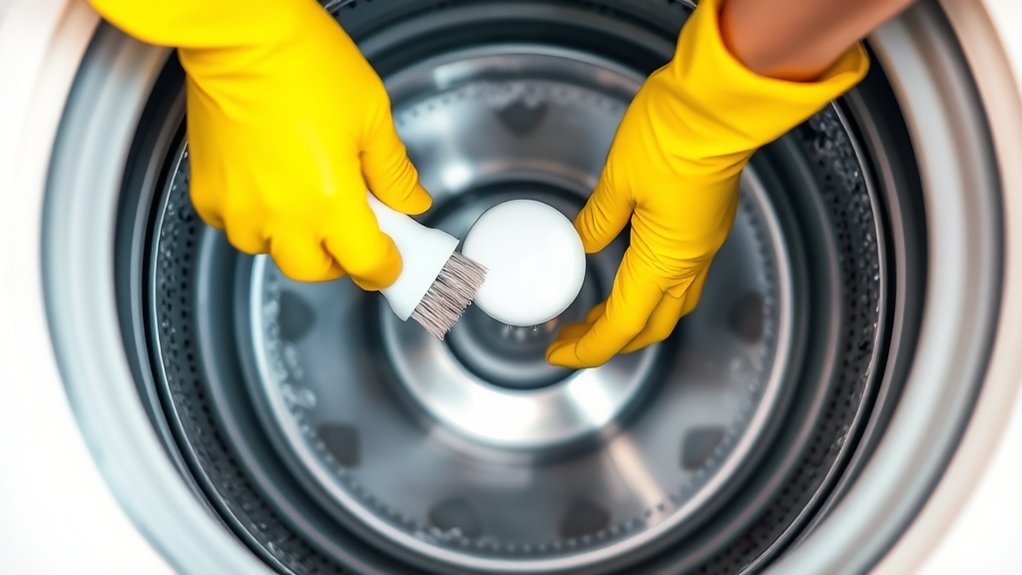
Regularly cleaning your washer’s agitator is crucial to prevent mold and mildew buildup. This buildup can compromise your laundry’s cleanliness and your machine’s performance. When you neglect cleaning the washing machine’s agitator, detergent buildup and soil accumulate, creating odors and residue that affect your laundry’s freshness.
By regularly cleaning, you stop buildup that hampers the agitator’s ability to thoroughly clean clothes. Many top-load washers have removable agitator caps, which makes it easier for you to access and clean hard-to-reach areas.
Monthly maintenance not only guarantees peak washing efficiency but also extends your machine’s lifespan. This helps reduce the risk of costly repairs.
How to Prepare Your Top Load Washer for Cleaning
Before you start cleaning your top load washer, make sure it’s completely empty. This helps the cleaning agents reach all surfaces effectively.
To get your washer ready, gather all the supplies you’ll need. This might include washing machine cleaner, white vinegar, or bleach—depending on the method you choose.
It’s a good idea to check your washer’s owner’s manual for any instructions specific to your model. For example, some agitators can be removed for a deeper clean.
Following these steps will help you clean your washer thoroughly and safely. Don’t skip this prep work if you want the cleaning to be as effective as possible.
Once you’re all set, go ahead and run the appropriate cleaning cycle. This targets odors and buildup inside the tub and agitator, keeping your washer hygienic and working great.
Choosing the Best Cleaner for Agitator and Tub
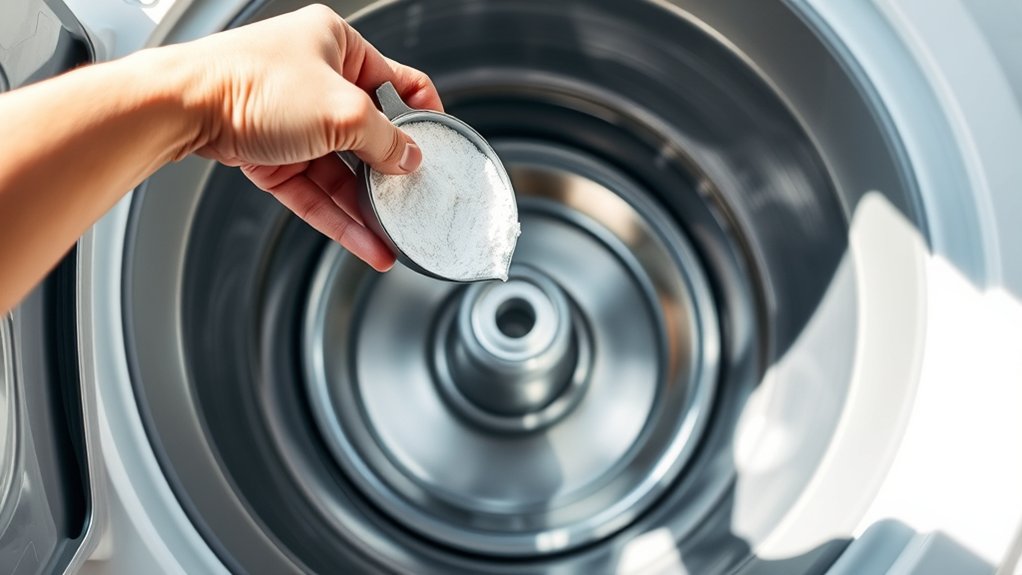
When you’re picking a cleaner for your top-loading washer’s agitator and tub, you want something that gets rid of buildup without harming any parts.
You could go with natural options like distilled white vinegar, which works well and is gentle.
Or, if you prefer, there are chemical cleaners made specifically for washers, including some with bleach.
Just make sure to check your machine’s manual before using anything to confirm it’s safe.
It’s a good idea to choose formulas that are agitator-safe so your washer keeps working smoothly and doesn’t end up with leftover residue.
Effective Cleaning Agents
Choosing the right cleaning agent is essential for maintaining both the agitator and tub of your top-loading washing machine. Effective cleaning agents remove detergent residue, neutralize odors, and prevent mineral buildup.
To clean your top load efficiently, consider the following options:
| Cleaning Agent | Key Benefits |
|---|---|
| Vinegar | Neutralizes odors, removes minerals |
| Bleach | Disinfects, eliminates mold/mildew |
| Borax | Breaks down stains, neutralizes odors |
| Affresh Tablets | Penetrate deep, remove odor residues |
Cleaning tablets like Affresh are designed specifically for washing machines. They ensure thorough cleaning without damaging parts.
Always check your machine’s manual before use to avoid compatibility issues. Picking the right cleaner helps prevent residue buildup and extends your washer’s lifespan.
Agitator-Safe Solutions
Anyone maintaining a top-loading washing machine with an agitator should select cleaning agents that effectively remove residues without harming the machine’s components.
Specialized washing machine cleaner products like Affresh target buildup safely and efficiently, making them ideal agitator-safe solutions.
Vinegar offers a natural, non-toxic alternative that dissolves mineral deposits and controls odors without damaging plastic or metal parts.
While liquid chlorine bleach can disinfect and tackle stains, use it cautiously to avoid contact with the agitator’s plastic, preventing deterioration.
Borax is another option to neutralize odors and maintain cleanliness monthly, but make certain it doesn’t accumulate in agitator crevices.
Always consult your washer’s manual before choosing any cleaner to clean your washer properly and preserve agitator integrity and performance.
Natural Vs. Chemical
How do you decide between natural and chemical cleaners for your top-loading washer’s agitator and tub?
Natural cleaners like vinegar effectively remove odors and mineral buildup inside. They’re safe for routine maintenance.
However, they mightn’t work as well against heavy buildup or mold.
Chemical cleaners, including bleach and specialized products like Affresh, offer stronger disinfecting power. They can eliminate stubborn stains and residue efficiently.
Before choosing, always check your washing machine’s manual. This helps you verify compatibility with cleaning agents and avoid damage or warranty issues.
Regular cleaning with either natural or chemical methods is key to keeping the agitator working well and the tub clean.
Add Cleaner to Washer Drum
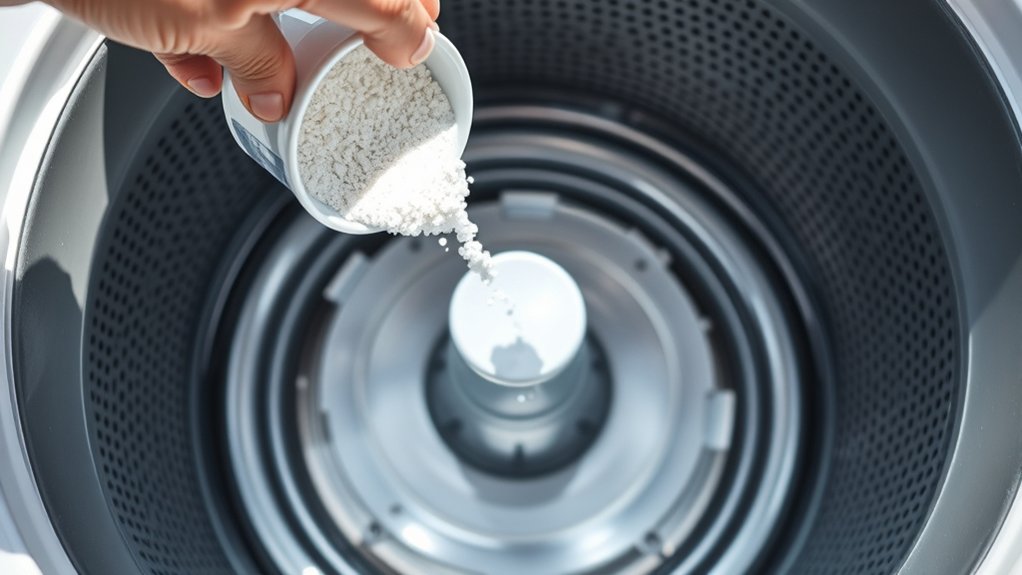
Start by making certain your washing machine is completely empty to prevent dilution of the cleaner and guarantee maximum effectiveness.
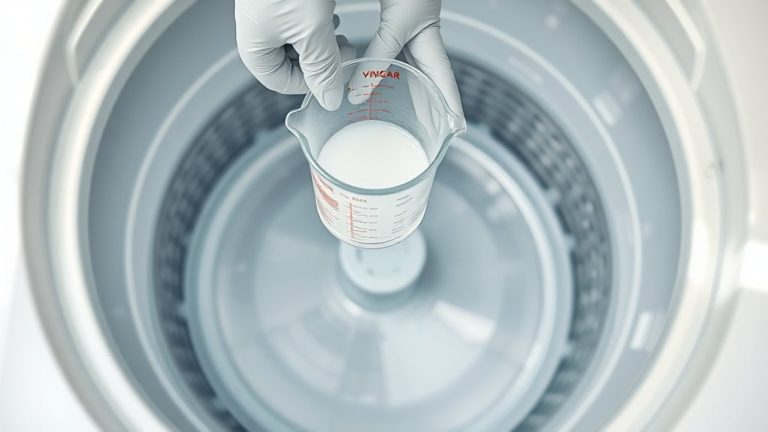
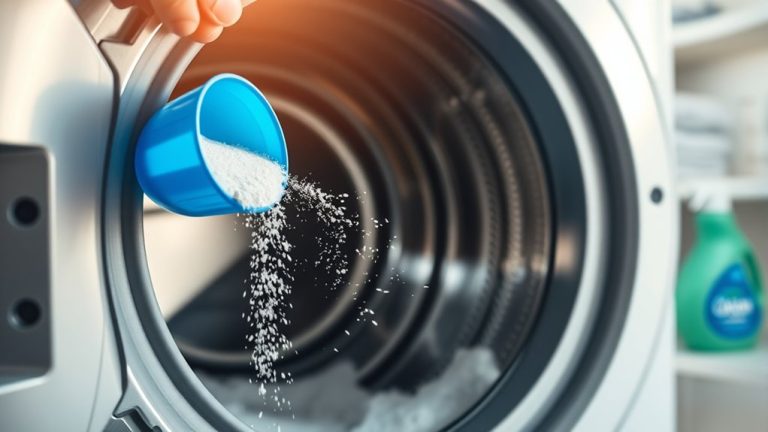
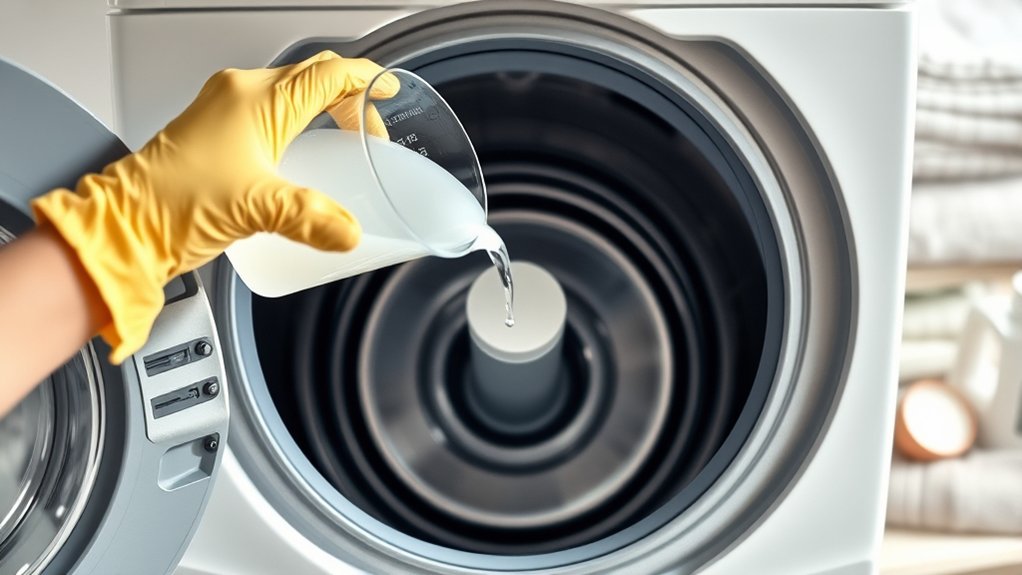
To add cleaner to the washer drum, pour the recommended amount of washing machine cleaner directly into the drum rather than the detergent dispenser. For a natural alternative, use 2 cups of white vinegar; for a chemical option, 1 cup of liquid chlorine bleach works well.
Pour cleaner directly into the drum—2 cups vinegar for natural or 1 cup bleach for chemical cleaning.
These agents target built-up grime and odors effectively.
After adding the cleaner, select the hottest and longest cycle available to maximize cleaning power. This cycle with hot water enhances the breakdown of residues inside the drum and agitator.
Allow the machine to sit for about an hour once the cycle starts, giving the cleaner time to work thoroughly during cleaning your washing machine.
Just let it do its thing, and your washer will be fresh and clean in no time!
Run a Self-Clean or Hot Wash Cycle
Initiate the self-cleaning cycle by making sure your washer is empty.
Then, select the “Clean Washer” option or choose the hottest and longest wash available. Add a washing machine cleaner or two cups of white vinegar directly into the drum to boost the cleaning process.
For best results, pause the cycle after a few minutes. This lets the solution soak in and break down residue buildup inside the agitator and drum.
Once that’s done, resume and complete the cycle.
Afterwards, run an additional rinse and spin cycle to wash away any leftover cleaning agents thoroughly.
Doing this self-cleaning or hot wash cycle every 30 loads helps keep your washing machine running efficiently. It also prevents unpleasant odors, making sure your top-loading washer with agitator stays clean and works at its best.
How to Remove the Agitator for Deep Cleaning?
Removing the agitator from your top-loading washing machine involves a few precise steps that guarantee you don’t damage any components.
First, consult your washer’s manual to understand any model-specific instructions before you remove the agitator. Most agitators feature a removable cap at the top; if it resists, refer to the manual for guidance.
Then, use a socket wrench to unscrew the bolt securing the agitator to the base.
Finally, carefully lift the agitator straight up to avoid harming the tub or surrounding parts.
- Check the owner’s manual for model-specific removal instructions.
- Remove the agitator cap and unscrew the securing bolt with a socket wrench.
- Lift the agitator straight up to remove it safely for deep cleaning.
Inspecting and Wiping Down the Agitator
Start by taking a good look at the agitator to see if there’s any visible residue, buildup, or even odors that might mean it’s time for a clean.
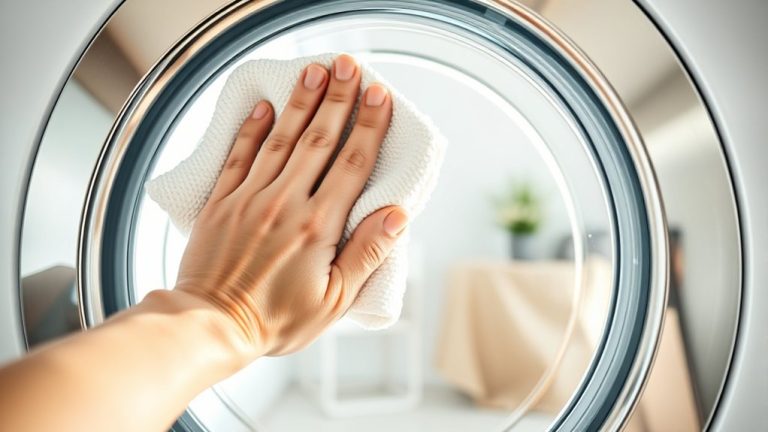
Next, grab a cloth along with some mild soap or a gentle cleaning solution. Use these to wipe down both the outside and inside surfaces.
If your agitator has a removable cap, go ahead and take it off.
This way, you can get into those hidden crevices and make sure everything gets thoroughly cleaned.
Agitator Condition Check
Regularly inspecting the agitator is essential for maintaining your washing machine’s performance and preventing unpleasant odors. You need to check the agitator’s condition monthly to catch any build-up or damage early.
Focus on these key steps:
- Examine the agitator for visible build-up, mold, or mildew, especially in crevices where dirt accumulates.
- If the agitator has a removable cap, take it off to clean the interior thoroughly with a damp cloth and mild soap.
- Wipe down the exterior with a mild soap solution to remove grime and residue.
After cleaning, carefully inspect the agitator for signs of wear or damage that could impair washing efficiency.
Keeping the agitator clean and in good condition guarantees peak machine function and prevents odor issues.
It’s a simple routine, but it makes a big difference. Just a little attention each month keeps your washer running smoothly!
Cleaning Tools Needed
When you clean the agitator, having the right tools guarantees you reach every nook and cranny effectively. The essential cleaning tools needed include a damp cloth or rag and mild soap, which help you thoroughly wipe down the agitator’s surface and crevices.
If your agitator has a removable cap, remove it to access and clean the interior properly.
Inspect the agitator for visible build-up or odors, as this indicates the need for deeper cleaning. For stubborn build-up, a washing machine cleaner or a vinegar-water solution enhances your ability to remove bacteria and residues that affect laundry freshness.
Don’t forget to clean detergent dispensers regularly, as they also harbor bacteria.
These tools and practices guarantee you clean a washing machine effectively and maintain ideal hygiene. It’s easier than you might think once you have everything you need.
Wiping Techniques Overview
Although it may seem straightforward, inspecting and wiping down the agitator requires careful attention to detail to remove all visible build-up and mold. This is especially important in crevices where residues tend to accumulate.
To effectively clean your top load washer, focus on these wiping techniques:
- Examine the agitator thoroughly, paying close attention to crevices that often harbor buildup and mold.
- Use a damp cloth with mild soap to wipe all accessible surfaces, including the agitator’s exterior and interior.
- Remove the agitator cap if possible to access and clean hard-to-reach areas beneath it.
Try to perform this process regularly, ideally every 30 wash cycles. This helps prevent detergent and fabric softener residues from compromising your washer’s performance.
Sticking to these wiping techniques will keep your agitator working efficiently and can really help prolong the lifespan of your machine.
How Often Should You Clean Your Washing Machine Agitator?
| Cleaning Frequency | Purpose |
|---|---|
| Monthly / 30 cycles | Prevent buildup and odors. |
| As needed | Address visible residue or mold. |
| Manufacturer’s advice | Guarantee longevity and efficiency. |
Tips to Prevent Washing Machine Agitator Build-Up
You should clean your washing machine agitator regularly—ideally every 30 cycles or at least once a month—to prevent buildup.
It’s a good idea to use mild detergents because they help minimize residue that can get stuck around the agitator’s crevices.
Sticking to this routine will keep your machine running smoothly and cut down on the risk of mold and unpleasant odors.
Regular Cleaning Schedule
Since the washing machine agitator is prone to mold and detergent buildup, cleaning it at least once a month or every 30 wash cycles is essential to maintain peak performance.
Adhering to a regular cleaning schedule prevents residue and buildup that impair agitator function and cause odors.
To effectively manage cleaning and upkeep, start by inspecting the agitator after each wash cycle for visible residue or odors that signal buildup.
Next, wipe the agitator, focusing on removable caps and crevices, using a damp cloth with mild soap.
Then, run a self-cleaning or normal wash cycle with a washing machine cleaner to disinfect and remove internal residue.
It’s always a good idea to consult your owner’s manual for model-specific cleaning instructions.
This way, you can optimize your washing machine’s longevity and efficiency without any guesswork.
Use Mild Detergents
Although it might seem minor, choosing the right detergent greatly reduces buildup on your washing machine agitator. Using a mild soap or high-efficiency (HE) detergent minimizes residue accumulation, which can otherwise build up over time and impair agitator performance.
For effective clean top load washing, avoid harsh detergents that leave deposits contributing to grime and odors. Incorporate mild detergents into your regular maintenance routine, wiping down the agitator every 30 cycles to remove any surface residue.
Overloading the machine also promotes detergent buildup, so load it appropriately to maintain ideal agitation. Monthly self-cleaning cycles or specialized washing machine cleaners complement mild detergent use, ensuring thorough removal of hidden dirt in the agitator.
This approach preserves agitator efficiency and extends your machine’s lifespan. It’s a simple step that really makes a difference in keeping your washer working smoothly.
Maintenance Tips for a Fresh, Efficient Washing Machine Agitator
To maintain a fresh and efficient washing machine agitator, clean it regularly. Ideally, do this every 30 wash cycles or at least once a month. This helps prevent mold, mildew, and detergent buildup.
Regularly cleaning your washing machine agitator prevents mold, mildew, and detergent buildup for better performance.
Focus on keeping your washing machine’s agitator as clean as possible. That way, you avoid stubborn buildup that can reduce its performance.
Here are some maintenance tips to help you out:
- Wipe the agitator with a damp cloth and mild soap. Pay close attention to crevices where soil tends to accumulate.
- Remove the agitator cap if your model has one. Follow your owner’s manual for thorough cleaning instructions.
- Run a washer clean cycle using vinegar or bleach. Then, do a rinse and spin cycle to get rid of any residues and odors.
Frequently Asked Questions
Can I Use Bleach to Clean My Washing Machine Agitator?
Yes, you can use bleach to clean your washing machine agitator effectively. It disinfects and prevents odors. Just be careful not to overuse it to protect your machine.
Cleaning frequency should be monthly or as needed.
If you prefer, bleach alternatives like vinegar or baking soda can help with odor prevention and agitator maintenance. But never mix them with bleach.
Regular maintenance guarantees your agitator stays efficient and your washer stays fresh. It’s a simple way to keep everything working smoothly.
What Should I Do if My Washing Machine Smells Bad After Cleaning?
If your washing machine smells bad after cleaning, think of it like a hidden swamp that needs some serious odor removal.
Start by running an extra rinse cycle to flush out any leftover residues. Then, disinfect the machine using a cleaner made specifically for agitators.
Don’t forget to clean the detergent dispensers thoroughly to get rid of buildup.
For ongoing maintenance, leave the lid open after each use so it can air dry. Try to clean your machine monthly to keep things fresh.
These simple disinfecting methods and preventive steps will help keep your washing machine smelling great and stop odors from coming back.
It’s all about staying on top of it!
Is It Safe to Use Homemade Cleaning Solutions for the Agitator?
Yes, homemade solutions can be safe for cleaning the agitator if used correctly. They do a good job removing odors and residues without using harsh chemicals.
Just be careful not to mix vinegar with bleach or hydrogen peroxide because that can be dangerous. Always check your machine’s manual before trying any homemade cleaner.
If you’re unsure, using mild soap and water is a safe and effective option for regular maintenance. This way, you avoid any risk of damaging your machine.
How Long Does a Typical Cleaning Cycle Take for a Top Loader?
A typical cleaning cycle for a top loader rarely feels like it takes an eternity. It usually runs between 30 minutes to an hour.
You should stick to the recommended cleaning frequency to maintain peak machine performance and prevent odors.
Proper detergent choices and regular maintenance keep your washer fresh.
Some models offer special “Clean Washer” cycles or self-cleaning features. These adjust time based on agitation speed and water temperature, ensuring thorough odor prevention and system upkeep.
Can Regular Detergent Buildup Damage the Washing Machine Agitator?
Yes, regular detergent buildup can damage the washing machine agitator by causing detergent residue to accumulate. This buildup can hamper the agitator’s movement and reduce cleaning efficiency.
To keep your agitator working well and make sure your washing machine lasts a long time, you need consistent maintenance. It’s a good idea to adjust how often you clean based on how much you use the machine.
Try to remove any buildup before it leads to clogs or odors. Using the right amount of detergent along with regular cleaning helps prevent damage and keeps your machine running smoothly over time.
Conclusion
Keeping your top-loading washer’s agitator clean isn’t just a chore. It’s actually the key to maintaining peak performance and extending your machine’s lifespan.
By regularly following the steps outlined, you’ll nip grime and buildup in the bud. This way, every load comes out fresh and spotless.
Remember, a stitch in time saves nine. Taking care of your washer now prevents costly repairs down the road and keeps it running smoothly.
Stay consistent with your cleaning, and your agitator will work efficiently for years to come. It’s definitely worth the effort!