Should I Use Oxiclean In Every Load – Yes or No?
No, you don’t need OxiClean in every load. Use it as a laundry booster when you’re tackling stubborn stains, lingering odors, or dingy whites. Everyday clothes washed with detergent usually don’t need extra treatment.
Check the product label and garment care instructions because some fabrics and colors may not tolerate oxygen bleach. Don’t use it on wool or silk, and never mix it with chlorine bleach or other cleaners.
A few simple guidelines can help you use it safely and effectively.
Should You Use OxiClean in Every Load?
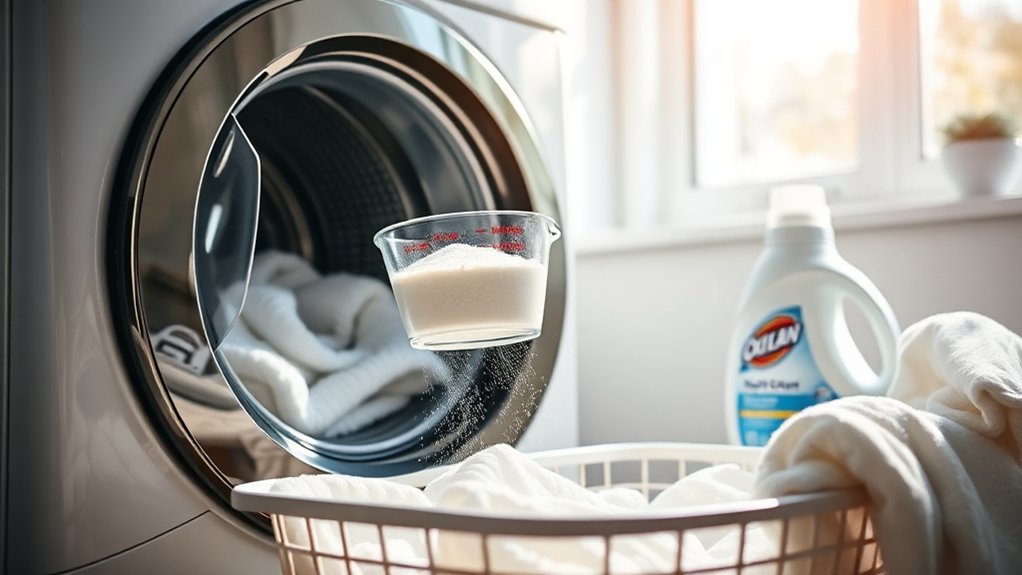
Not necessarily. OxiClean can help with stains and odors, but you don’t need it in every load. Whether you use it depends on your laundry’s needs, your detergent, and the product label.
For everyday clothes that aren’t heavily soiled, you can usually skip it. Add OxiClean when you’re tackling stubborn spots, dingy whites, or lingering odors. Choose a formula suited to the fabric and color. Check care labels first, since some materials may need gentler treatment.
Don’t assume more product means cleaner clothes. Follow the package directions and avoid overfilling your washer.
Using it selectively can save money and reduce unnecessary exposure to additives. If your laundry routinely comes out clean and fresh without it, there’s no reason to add OxiClean to every cycle. Treat it as an occasional booster, not a required laundry staple.
How Does OxiClean Work With Detergent?
When you do add OxiClean, use it alongside your regular detergent as a laundry booster, not as a replacement. Your detergent handles everyday soil, oils, and odors, while OxiClean’s oxygen-based ingredients help loosen certain stains and brighten washable fabrics. Together, they support cleaning in different ways.
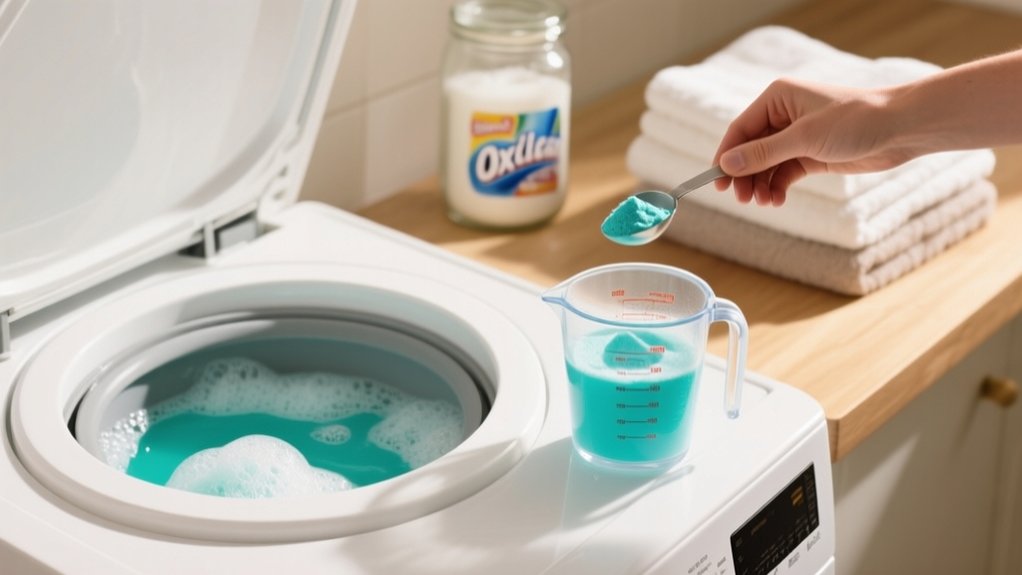
Check your product label before adding it. Some OxiClean formulas go directly into the washer with detergent; others may call for a separate dispenser or a pretreatment step. Follow the package directions for the amount, water temperature, and placement, and don’t exceed the recommended dose.
If your washer has a designated bleach or additive compartment, use it only as the label and machine manual allow. You can also dissolve the powder as directed before adding it, which helps prevent residue. Keep OxiClean away from chlorine bleach and never mix cleaning products.
When Does OxiClean Help Most?
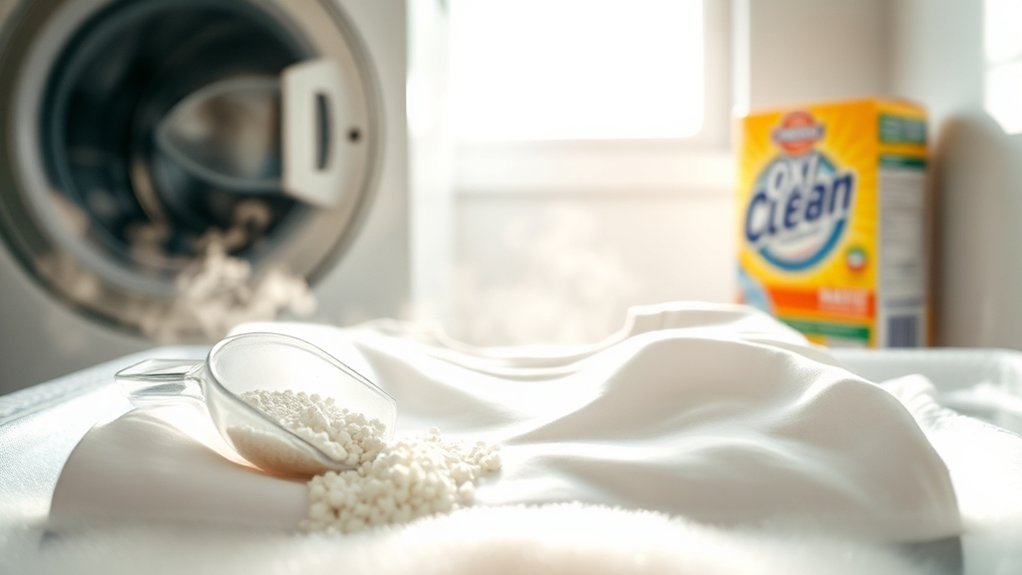
OxiClean really shines when you’re dealing with those stubborn stains that regular detergent just can’t handle.
Plus, it’s great for cutting down on odors, especially in workout clothes, towels, and other fabrics that tend to hold onto smells.
Stain Removal
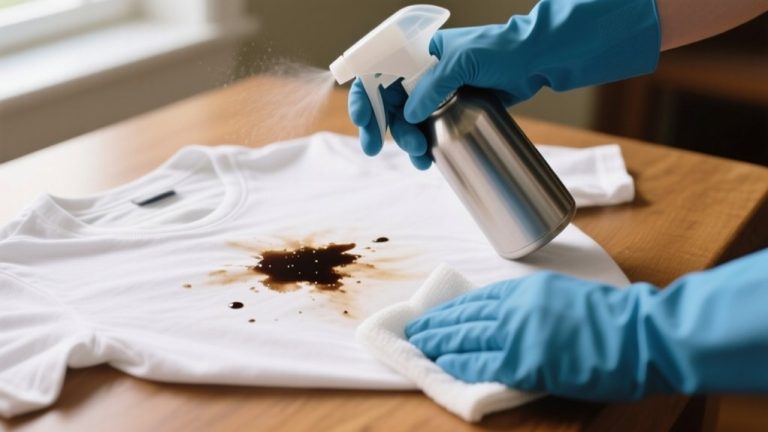
For stains, OxiClean helps most when you treat them promptly and choose a formula suited to the fabric and stain.
Check the care label first, then test the product on a hidden area to make sure it won’t affect the color.
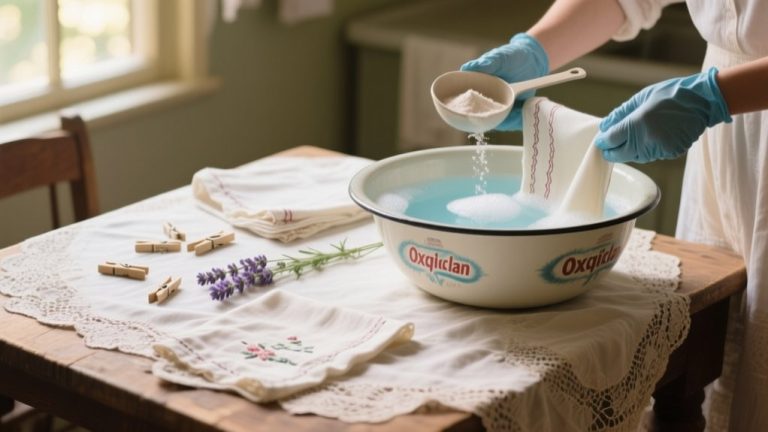
For washable clothes, dissolve the recommended amount in water and soak the item for the time listed on the package before washing.
You can also add a measured dose to your machine’s load, following its instructions.
Oxygen bleach often works well on food, grass, and many everyday stains, but it may not remove set-in marks, dye, or stains that need a specialized treatment.
Don’t use it on wool, silk, leather, or other materials the label excludes.
Avoid mixing it with chlorine bleach or other cleaners.
Odor Control
Odors from sweat, food, and everyday wear often respond well to OxiClean, especially when you treat washable fabrics promptly. Its oxygen-based formula can help lift odor-causing residue from towels, workout clothes, bedding, and kitchen linens.
You’ll get the best results when you follow the product label, use the right amount, and choose a cycle suited to the fabric.
- Pre-soak stubborn smells: Dissolve OxiClean as directed, then soak washable items before laundering.
- Wash promptly: Don’t let sweaty or damp clothes sit in a hamper where odors can set.
- Check before drying: If a smell remains, rewash; heat may make lingering odors harder to remove.
- Use it selectively: For delicate fabrics, wool, or items with special care instructions, check the label first.
OxiClean can support odor control, but it won’t replace detergent or fix every source, such as mildew or a dirty washer.
Which Fabrics Should You Keep OxiClean Away From?
Keep OxiClean away from wool and silk because its cleaning agents can damage these fabrics.
You’ll also want to avoid using it on leather or any delicate materials.
Before you treat any item, make sure to check the care label to be safe.
Wool And Silk
Keep OxiClean away from wool and silk, since its oxygen-based bleach can damage these delicate fibers, weaken them, or alter their color.
Even a short soak may leave your garment rough, misshapen, faded, or permanently stained. Check the care label before treating either fabric, and choose a cleaner specifically approved for it.
- For wool: Use cool water and a wool-safe detergent. Hot water and harsh treatment can shrink or felt the fibers.
- For silk: Select a silk-safe product and follow its directions. Strong cleaners can dull the sheen or affect dyes.
- For stains: Blot gently with a clean cloth instead of scrubbing, which can distort delicate fabric.
- For uncertainty: Test an approved cleaner on a hidden spot, or take the garment to a professional cleaner.
Don’t add OxiClean to a wash containing wool or silk.
Leather And Delicate Fabrics
Leather, suede, and other delicate fabrics shouldn’t come into contact with OxiClean. Its oxygen-based bleach can strip color, dry out natural hides, or leave permanent marks. You shouldn’t use it on leather jackets, shoes, handbags, or suede accessories, even when you spot a stain.
These materials need cleaners made specifically for their surfaces. Check garment care labels before treating any delicate item. If a label says “dry clean only,” don’t soak or pretreat the fabric with OxiClean; take it to a professional cleaner instead.
For washable delicates, test an appropriate cleaner on a hidden area first, then follow the care instructions. If you’re unsure about a fabric blend or finish, skip OxiClean and ask the manufacturer or a cleaner.
Choosing a fabric-safe method helps you avoid damage and costly repairs.
How Do You Use OxiClean Safely?
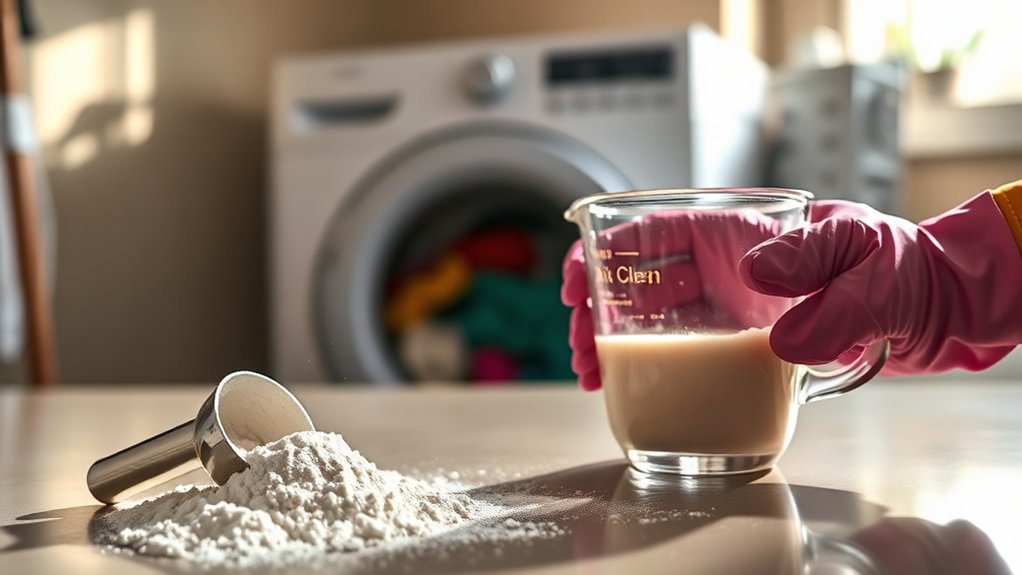
To use OxiClean safely, follow the product label and choose the right amount for your load. Check each garment’s care tag first, and test the solution on a hidden area if you’re unsure about colorfastness. Keep these steps in mind:
- Measure carefully. More powder won’t necessarily clean better, and excess can leave residue.
- Dissolve the product as directed before soaking or adding it to your washer. Avoid pouring concentrated solution directly onto fabric.
- Use the recommended water temperature and soaking time. Don’t let treated items soak longer than the label allows.
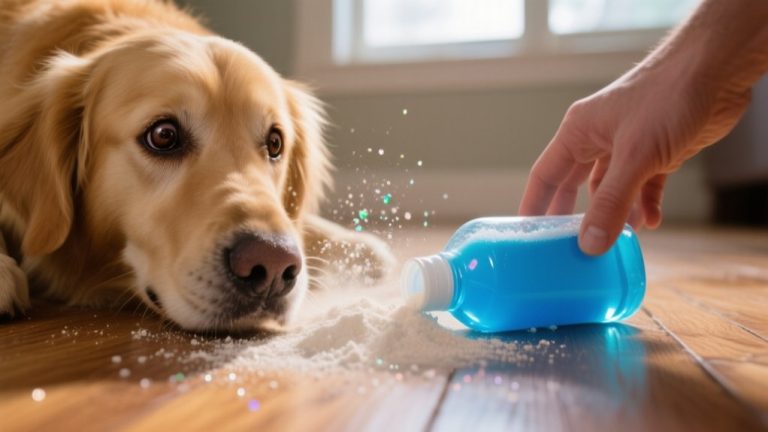
- Protect yourself and your space. Avoid getting powder or solution in your eyes, keep it away from children and pets, and wash your hands after handling it.
Never mix OxiClean with chlorine bleach or other cleaning products. Store it sealed and dry.
Can You Use OxiClean With Any Detergent?
Yes, you can generally use OxiClean with most laundry detergents, including liquid and powder formulas. Add both products to your wash according to their package directions, and use the detergent amount recommended for your load. OxiClean works as a booster, helping lift stains and odors while your detergent cleans.
OxiClean works with most liquid and powder detergents to boost stain and odor removal when used as directed.
You can usually place powder or liquid OxiClean in the washer drum or dispenser, but check the product label and your machine’s manual for the right method.
Don’t mix OxiClean directly with detergent in a separate container or combine it with other cleaning products. Instead, add each product to the washer as directed.
For high-efficiency machines, choose an OxiClean product labeled HE-compatible and follow its dosing instructions. If you use detergent pods, add them as your washer’s manual recommends, then add OxiClean separately.
What If OxiClean Damages Your Clothes?
If OxiClean leaves a faded spot, discoloration, or weakened fabric, stop using it on that item. Rinse the garment thoroughly with cool water, then check the care label before trying any treatment.
Don’t add more cleaner or scrub aggressively because you could make the damage worse. Some color loss or fiber damage can’t be reversed, but you can limit further harm.
- Separate the garment: Keep it away from other clothes to prevent transfer from any remaining product.
- Rinse promptly: Flush the affected area with cool water to remove residue.
- Assess the damage: Once dry, look for lasting color changes, holes, or thinning.
- Choose your next step: Contact a textile-care professional for valuable items. Otherwise, consider dyeing or repurposing the garment.
Before using OxiClean again, test a hidden area and follow package directions.
Frequently Asked Questions
Does Oxiclean Expire or Lose Effectiveness Over Time?
Yes, OxiClean can lose effectiveness over time, especially if moisture gets into the product.
You’ll get the best results when you store it tightly sealed in a cool, dry place and use it within the timeframe on the package.
Powdered OxiClean doesn’t necessarily become unsafe after that period, but its active oxygen may weaken.
If it’s clumpy, damp, or no longer dissolves well, replace it.
Check the label for product-specific guidance.
Can Oxiclean Remove Odors From Laundry?
Yes, OxiClean can send many laundry odors packing like they’ve been banished to another planet.
Its oxygen-based formula helps lift odor-causing residues and stains from washable fabrics, especially when you follow the label’s directions.
Add the recommended amount to your wash, or soak suitable items first for extra help.
For stubborn smells, use the warmest water the care label allows, and don’t mix OxiClean with chlorine bleach or other cleaners.
Is Oxiclean Safe for Septic Systems?
Yes, you can generally use OxiClean in laundry with a septic system when you follow the product label.
Its oxygen-based ingredients break down, but excessive use of any cleaning product can disrupt the system’s helpful bacteria or add unnecessary chemicals.
Measure the recommended amount, avoid pouring concentrated product directly into drains, and don’t combine it with other cleaners.
If your system is delicate or you’re unsure, check the manufacturer’s guidance or ask a septic professional.
Can Oxiclean Be Used to Clean Washing Machines?
Yes, you can use OxiClean to clean your washing machine, but check your washer’s manual and the product label first.
For a maintenance clean, add the recommended amount to the drum or detergent dispenser, then run a hot cleaning cycle.
Don’t mix OxiClean with bleach, vinegar, or other cleaners.
If your washer has a dedicated cleaning cycle, follow its instructions, and wipe the door seal and dispenser afterward to remove residue and buildup.
Does Oxiclean Work in Cold Water?
Lo, yes, OxiClean works in cold water, though you may get better results with warm water.
You can dissolve the powder in warm water first, then add it to your cold-water load. This helps it activate and mix evenly.
Always follow the product label, use the recommended amount, and check garment care tags.
For stubborn stains, pre-soak items or choose a longer cycle since cold water may clean less effectively.
Conclusion
You don’t need OxiClean in every load. Use it when you’re tackling stains, odors, or dingy whites, and follow the package directions for the product and fabric. For everyday laundry, your detergent may be enough.
Check care labels, test delicate or dark items first, and skip OxiClean on fabrics the label warns against. If you notice fading or damage, stop using it and rinse the garment.
When in doubt, play it safe. Your clothes will thank you.