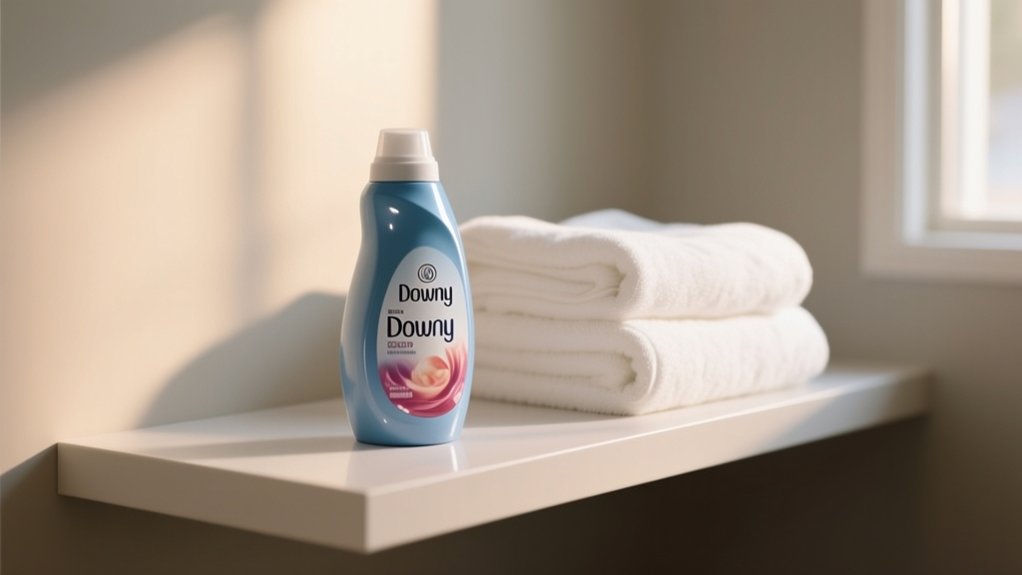
Is Downy A P&g Product – Behind the Brand
Many people struggle to keep laundry smelling fresh for more than a day or two, and it can be frustrating when your clothes still don’t feel as clean as you want. If that sounds familiar, you’re not alone. The good news is that some brands are built specifically to solve that problem, and Downy is one of them.
Yes, Downy is a Procter & Gamble (P&G) product, known globally as the leading fabric softener brand. When you choose Downy, you’re getting P&G’s quality and innovation, including popular features like scent beads that keep your laundry fresh.
Despite market challenges, Downy stays relevant through continuous innovation and a strong focus on sustainability. If you want to understand how Downy leads the market and supports eco-friendly goals, there’s plenty more to discover.
What Is Downy and Who Owns It
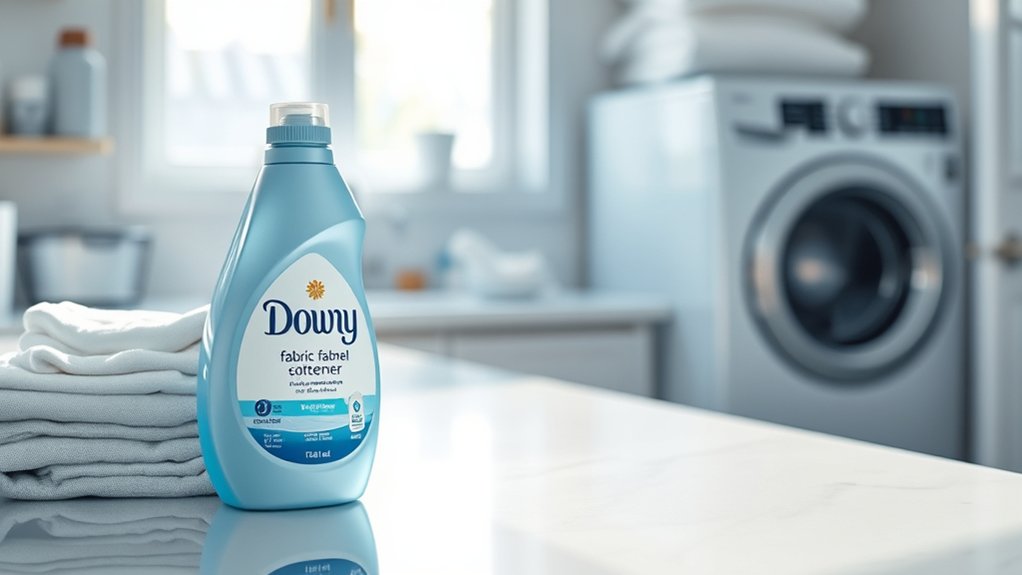
Downy is a leading brand of fabric softeners owned by Procter & Gamble (P&G), one of the world’s largest consumer goods companies. You’ll find Downy dominating the U.S. fabric softener market, holding over half of the $1.3 billion share.
Even though liquid softener sales dropped 26% from 2007 to 2015 due to changing tastes, especially among millennials, Downy still ranks as the #1 fabric conditioner brand worldwide.
Despite a 26% drop in liquid softener sales, Downy remains the top fabric conditioner brand globally.
Recently, sales have picked up again, thanks to innovations like scent beads that make your laundry smell fresher for longer.
If you want to learn more or engage with the brand, Downy’s website, downy.com, offers helpful product information.
When you choose Downy, you’re trusting a proven leader backed by P&G’s expertise.
Downy’s Role in P&G’s Laundry Care Portfolio
As a standout fabric softener brand, Downy plays a significant role in Procter & Gamble’s laundry care lineup. You’ll find Downy leading the global fabric conditioner market, thanks to its unmatched ability to soften fabrics and reduce static cling.
Even with a 26% drop in liquid softener sales between 2007 and 2015, Downy holds strong as P&G’s flagship fabric softener, driving over half of the $1.3 billion U.S. market share.
You’ll appreciate how innovations like Downy’s scent beads, which generate $250 million in annual sales, keep it relevant and appealing.
Plus, P&G’s clever marketing targets millennials effectively, boosting sales and ensuring Downy remains a key player in your laundry routine, blending tradition with fresh, consumer-focused innovation.
Market Challenges Facing Downy
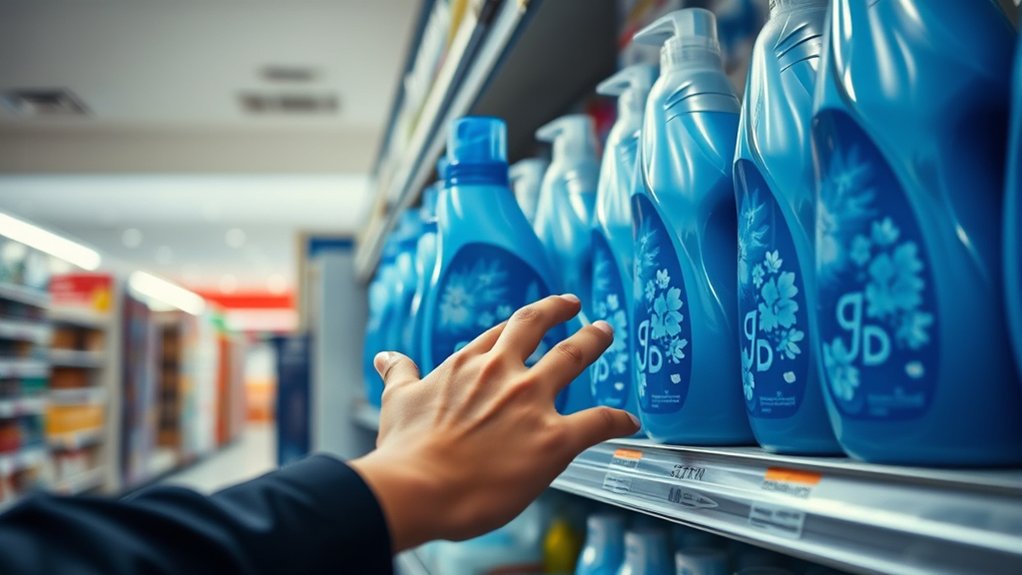
Although the fabric softener market has contracted markedly, with liquid softener sales dropping 26% between 2007 and 2015, P&G continues to dominate over half of the $1.3 billion U.S. segment.
Despite a 26% drop in liquid softener sales, P&G still leads over half of the $1.3B U.S. market
You face significant challenges as a Downy user, especially with millennials showing low awareness and preference for fabric softeners. Their shift toward natural detergents and environmental concerns means traditional products like Downy must evolve to stay relevant.
You’re also maneuvering a market where liquid softener demand has dropped 15%, pushing you to adjust strategies.
While recent innovations and witty marketing have sparked an 8% global sales boost, overcoming changing consumer habits and sustainability expectations remains essential for Downy’s continued success.
Why Downy Leads the Fabric Softener Market
When you choose a fabric softener, you want a product that delivers consistent freshness and softness. Those are the qualities that have kept Downy at the top of the market. Owned by P&G, Downy commands over half of the $1.3 billion U.S. fabric softener market and remains the #1 brand globally.
Despite a decline in liquid softener sales, Downy’s innovative scent beads have reignited growth, generating $250 million annually.
P&G’s clever marketing targets millennials, boosting awareness and use despite environmental concerns.
You’ll appreciate Downy’s ability to enhance laundry freshness and fragrance, which keeps it ahead of competitors.
Thanks to its proven efficacy and strategic brand positioning, Downy continues to lead, making it a reliable and popular choice for your fabric care needs.
Downy Innovation: How P&G Keeps It Relevant
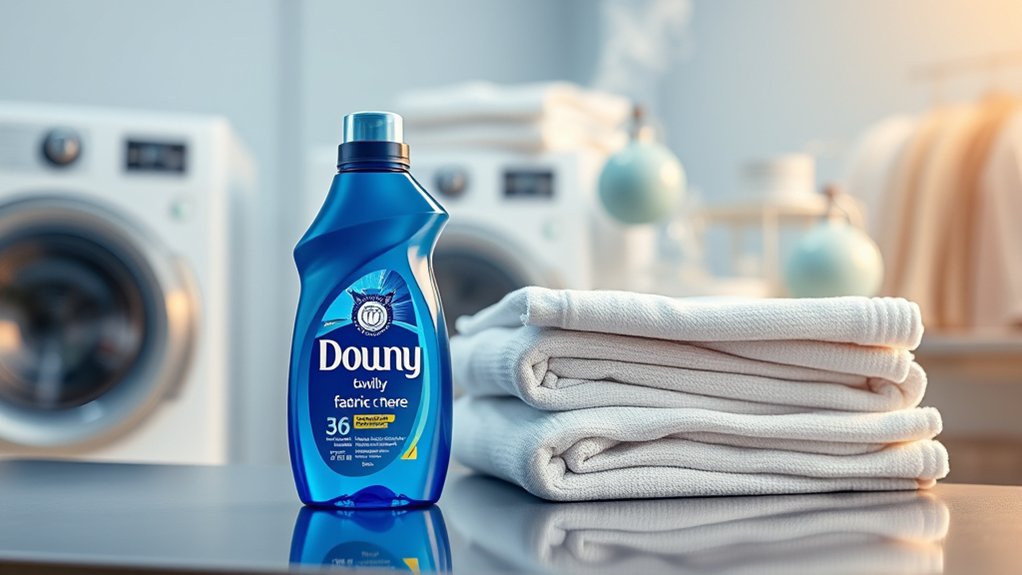
Because consumer preferences constantly evolve, P&G keeps Downy fresh and relevant through continuous innovation. You’ll notice this in their introduction of scent beads in 2014, which now generate over $250 million annually worldwide. This innovation reflects P&G’s commitment to meeting your desire for long-lasting freshness.
P&G’s innovation, like scent beads introduced in 2014, keeps Downy fresh and delivers lasting freshness worldwide.
P&G also uses creative marketing, like GoPro videos inside washing machines, to engage millennials and educate you on fabric softener benefits. By listening closely to your concerns, especially about sustainability, they’ve developed environmentally conscious products that resonate with younger consumers.
Despite past dips in liquid softener sales, Downy remains the global leader, thanks to this blend of innovative products and smart marketing.
Through ongoing R&D and your feedback, P&G guarantees Downy stays relevant in a changing market, delivering exactly what you want.
Alternatives to Downy Fabric Softeners
Plant-based softeners, vinegar, and dryer balls each work differently for your laundry.
Sustainable Fabric Softener Options
Although Downy remains a popular fabric softener, you can choose sustainable alternatives that protect both your clothes and the environment. Many eco-friendly options use plant-based ingredients and biodegradable packaging, reducing pollution. Brands like Seventh Generation and Mrs. Meyer’s Clean Day offer natural, chemical-free softeners that appeal to health-conscious users.
You might also try wool dryer balls, which soften fabrics naturally and cut drying time. Look for products certified by the EPA’s Safer Choice program to guarantee safety and environmental responsibility.
| Option | Key Feature | Benefit |
|---|---|---|
| Seventh Generation | Plant-based ingredients | Gentle on skin & environment |
| Mrs. Meyer’s Clean Day | Chemical-free formulas | Safe for sensitive skin |
| Wool Dryer Balls | Natural fiber softening | Saves energy & reduces waste |
| Biodegradable Packaging | Eco-conscious packaging | Less plastic pollution |
| EPA Safer Choice | Certified safety & eco | Verified environmental impact |
Local And Eco-Friendly Choices
When you seek fabric softeners that align with your values, local and eco-friendly options offer compelling alternatives to Downy. Many local brands use biodegradable, plant-based ingredients and minimal packaging to reduce environmental impact.
These smaller producers often create products in limited batches, ensuring transparent sourcing and sustainable practices.
You can also explore DIY fabric softeners using vinegar and baking soda, which provide a natural, chemical-free solution. The growing demand for eco-conscious products has sparked innovation, with brands adopting recycled packaging and water-saving methods during production.
Choosing these alternatives not only supports local businesses but also helps protect your health and the environment.
P&G’s Sustainability Impact on Downy Products
These initiatives set the stage for the next section on product performance and consumer use.
Sustainable Packaging Innovations
Since sustainability is at the core of P&G’s innovation, Downy’s packaging has evolved to reduce environmental impact while meeting consumer needs.
You’ll find that P&G focuses on cutting resource use and plastic waste by incorporating recycled materials and pioneering water-activated packaging.
These innovations don’t just minimize Downy’s carbon footprint; they also earned recognition at the PAC Global Awards for accessible, eco-friendly design.
When you choose Downy, you support P&G’s bold commitment to net zero emissions by 2040.
Their sustainable packaging solutions demonstrate how convenience and environmental responsibility can go hand in hand.
Water Positive Future Efforts
Although water challenges pose significant risks worldwide, P&G tackles these issues head-on through its Water Positive Future strategy, which directly influences how Downy products are formulated and manufactured.
You’ll find that P&G focuses on sustainable water use by reducing water consumption and restoring water in critical regions like China and India. This commitment guarantees Downy’s production supports healthier ecosystems.
Partnering with WWF for over 15 years, P&G advances impactful water initiatives.
Additionally, P&G is optimizing Downy’s manufacturing to align with its broader goal of achieving net zero emissions by 2040.
These efforts show you how sustainability is embedded in every step of Downy’s lifecycle, making it a brand you can trust to minimize environmental impact while delivering quality.
Reduced Resource Use
When P&G designs Downy products, it prioritizes reducing resource use to support a sustainable future.
You’ll notice this commitment in every step, from ingredient sourcing to packaging innovation. Downy’s sustainable approach reflects P&G’s broader environmental goals, focusing on minimizing water and energy consumption while cutting waste.
Here’s how P&G drives reduced resource use in Downy products:
- Formulates products to minimize water use during production
- Develops accessible, eco-friendly packaging to lower environmental impact
- Introduces concentrated formulas that reduce packaging waste and carbon footprint
- Partners with organizations like WWF to improve water resource management
Frequently Asked Questions
What Are the Ingredients Used in Downy Fabric Softeners?
Downy fabric softeners typically use cationic surfactants to soften fabrics, along with fragrances for scent. Some formulas also include biodegradable ingredients, dyes, or enzymes, and there are versions made for sensitive skin and high-efficiency machines.
The exact ingredients vary by product, so you should check the label if you need a specific formula for your laundry needs.
How Does Downy Affect Sensitive Skin?
Downy may help reduce static and make fabrics feel softer, which can make laundry feel less scratchy on sensitive skin. If your skin reacts easily, the effect can vary by person and product, so it may help to try it on a small amount of laundry first and see how your skin responds.
Can Downy Be Used in All Types of Washing Machines?
Yes, you can use Downy in all washing machines. Follow the dosage instructions, add it during the rinse cycle, and choose the right formula, such as Downy Professional for commercial machines, to get the best fabric-softening results.
What Is the History Behind the Downy Brand Name?
Downy’s name comes from the softness of down feathers. The brand debuted in 1960 and was meant to suggest fabrics that feel fluffy and gentle.
Are There Any Special Storage Instructions for Downy Products?
Store Downy in a cool, dry place away from sunlight and heat. Keep the container tightly sealed to help prevent moisture from getting in.
For best fragrance and effectiveness, use it within a year after opening.
Conclusion
You might be surprised to learn that Downy, a trusted name in fabric softeners, is proudly owned by P&G, a giant in the laundry care industry. With over 30% market share, Downy leads because P&G consistently innovates to meet your needs while pushing sustainability.
If you want softness and freshness you can rely on, Downy stands out. Choosing it means supporting a brand that evolves with you and cares for the planet.