How Often To Clean Washing Machine Filter – Maintenance Guide
You should clean your washing machine filter every 3 to 4 months or after 30 to 40 wash cycles to keep your machine running efficiently and avoid clogs. If you handle heavily soiled or pet laundry, clean it monthly.
Watch for slow drainage, odors, or water pooling as signs it’s time to clean. Regular maintenance prevents costly repairs and extends your machine’s lifespan.
Explore further to understand filter locations, cleaning steps, and common mistakes to avoid.
How to Clean Your Washing Machine Filter Step-by-Step
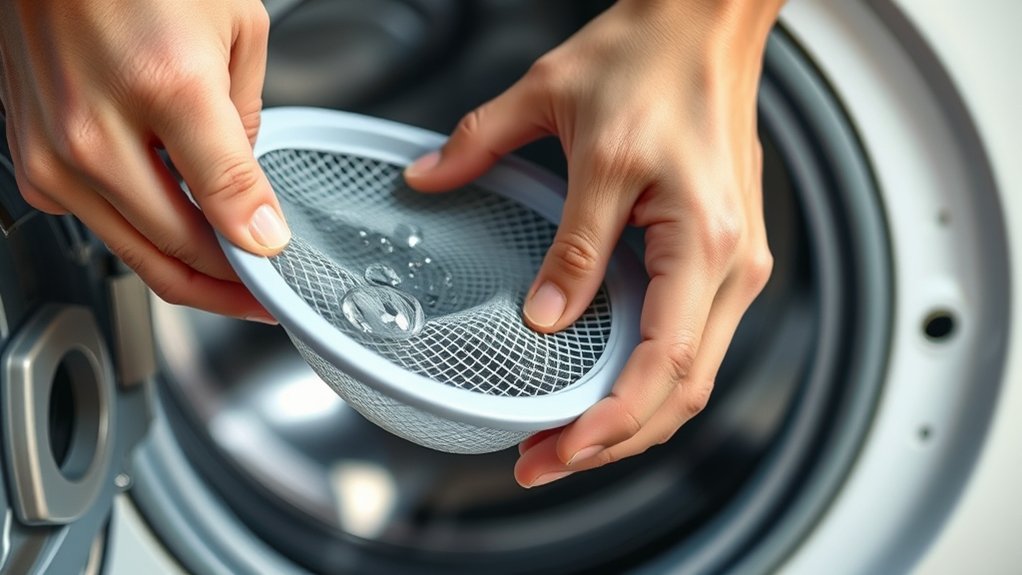
Start by unplugging your washing machine and turning off the water supply to confirm safety before you begin cleaning the filter.
Locate the filter, which is usually behind a small hatch at the bottom in front-loaders or inside the agitator or drum rim in top-loaders.
The filter is typically found behind a hatch in front-loaders or inside the agitator or drum rim in top-loaders.
Place a towel or container beneath the filter area to catch any water spills during removal.
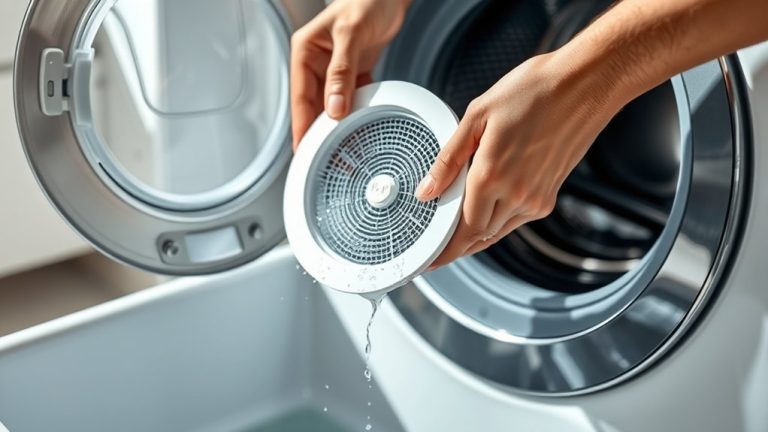
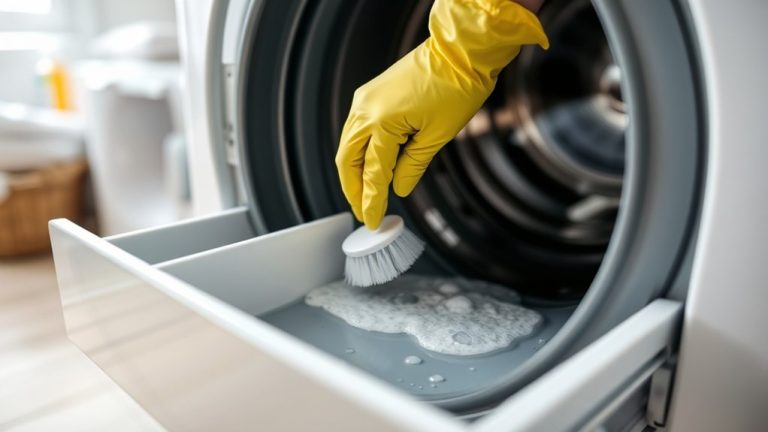
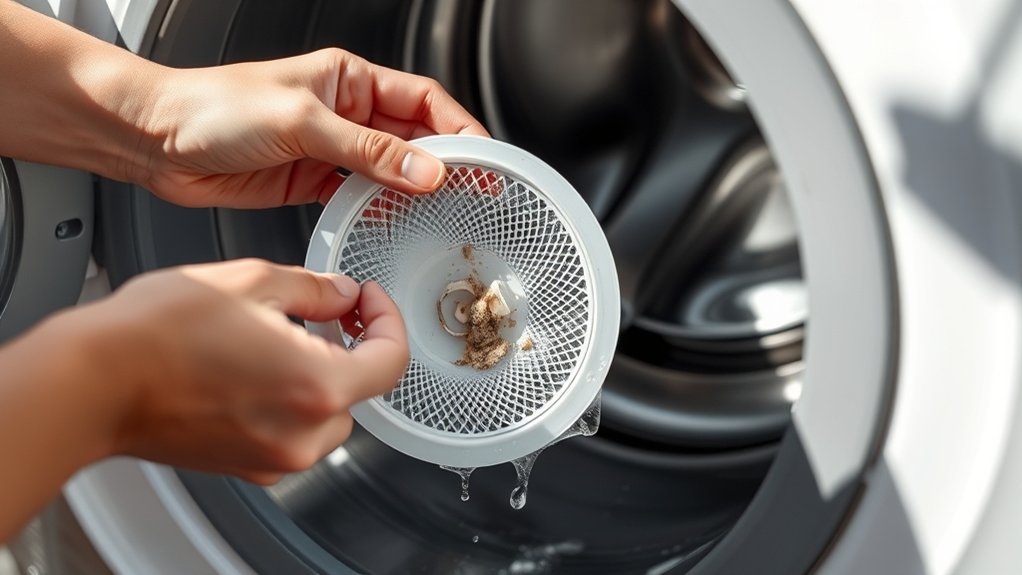
Carefully remove the filter and rinse it thoroughly under warm running water. Use a soft brush to dislodge any stubborn lint or debris, making sure the filter is completely clean.
Once clean, securely reinstall the filter to maintain proper sealing.
Finally, run an empty wash cycle with hot water to flush out any leftover particles.
Regular filter maintenance helps your washing machine run efficiently and can extend its lifespan.
Why You Need to Clean Your Washing Machine Filter Regularly
You should clean your washing machine filter regularly because it helps prevent clogs that can slow down drainage and make your clothes less clean.
When you keep up with this simple task, you avoid annoying problems that might cause your machine to break down sooner than it should.
Plus, by making sure the filter stays clear, you’re helping your washing machine run at its best and last longer.
It’s an easy way to protect your appliance and save yourself some hassle down the road.
Preventing Drainage Issues
Although often overlooked, regularly cleaning your washing machine filter is vital to prevent drainage issues caused by lint, hair, and detergent buildup that obstruct water flow.
Neglecting this maintenance can lead to slow drainage, longer wash cycles, and unpleasant odors.
To keep your machine running smoothly, focus on these key points:
- Remove accumulated lint and hair that block water passages.
- Clear detergent residue that contributes to buildup inside the filter.
- Inspect the filter every three months, or monthly if you use the machine heavily.
- Make sure water drains freely to avoid inefficiencies and potential damage.
Taking these simple steps can save you time and hassle down the road.
It’s a quick fix that makes a big difference!
Extending Machine Lifespan
Maintaining a clean washing machine filter every 3 to 4 months directly extends your appliance’s lifespan by preventing clogs and mechanical strain.
When you clean the filter regularly, you enhance the machine’s performance by ensuring efficient water flow and preventing lint buildup that can cause blockages.
Neglecting this maintenance leads to clogged filters, which force the motor and pump to work harder, increasing wear and tear.
This strain can cause malfunctions and costly repairs, ultimately shortening your washing machine’s operational life.
To maximize performance and extend lifespan, clean the washing machine filter as part of routine maintenance.
If you wash heavily soiled items or have pets, increase cleaning frequency to avoid accelerated clogging and keep your machine running smoothly.
Signs Your Washing Machine Filter Needs Cleaning Now
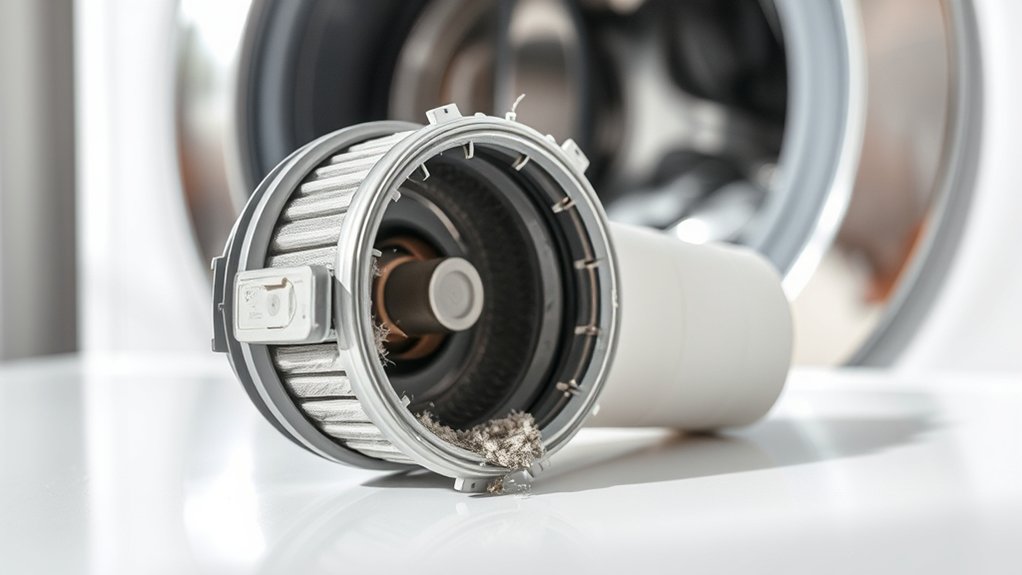
If your washing machine is draining slowly after a cycle, that’s a pretty clear sign the filter is clogged and needs cleaning right away.
You might also catch some unpleasant odors coming from inside the washer—this usually happens because of debris and lint building up in the filter.
Taking care of these issues as soon as you notice them helps keep your machine running smoothly and stops bigger problems down the line.
Slow Drainage Symptoms
A slow drainage after completing a wash cycle clearly signals that your washing machine filter may be clogged and requires immediate cleaning. This clogged filter hinders water flow, causing stagnant water and inefficient spin cycles.
Debris buildup inside the filter impedes drainage and can provoke an unpleasant smell, which further indicates maintenance is overdue.
Watch for these slow drainage symptoms:
- Water pooling inside the drum after the cycle ends.
- Extended cycle times due to inefficient draining.
- Visible lint or debris accumulation around the door seal.
- Washed clothes feeling damp or less fresh, signaling stagnant water retention.
Addressing these signs promptly through filter cleaning prevents damage and restores peak washing performance.
Regular maintenance keeps your washer running efficiently and avoids costly repairs.
Unpleasant Washer Odors
Detect unpleasant odors coming from your washing machine? These odors often signal a clogged filter trapping lint, hair, and debris.
When the filter clogs, slow drainage occurs, causing stagnant water that fosters musty smells.
If your clothes come out smelling less fresh, it’s a clear sign you need to clean the filter immediately.
Studies show 83% of users neglect this task, which compromises washing machine performance and increases odor risks.
To prevent these issues, clean the filter every 3 to 4 months.
Regular cleaning guarantees efficient water flow, eliminates trapped debris, and maintains peak washing machine performance.
Addressing unpleasant odors promptly helps keep your machine hygienic and your laundry fresh.
Where to Find Your Washing Machine Filter (Top-Load & Front-Load)
Locating your washing machine filter depends on the type of washer you own.
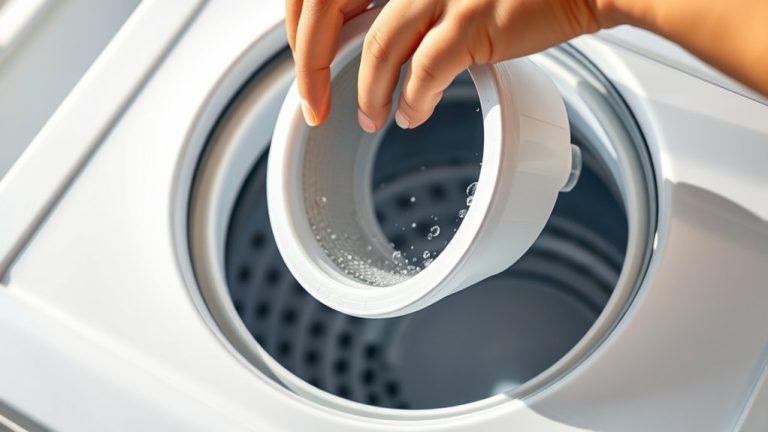
For top-load washing machines, you’ll often find the filter inside the center agitator or along the top rim. Sometimes it’s hidden under a removable cover or screen.
Front load washers usually have the filter behind a small hatch on the bottom front right corner. You can access it by a push-to-release latch.
Some high-efficiency washers may not have a removable filter, so it’s a good idea to check your owner’s manual.
Here’s how to visualize it:
- Inside the agitator (top-load washing machines)
- Along the washer’s top rim (top-load)
- Behind the bottom front right hatch (front load washer)
- No removable filter (high-efficiency washers)
Knowing this helps you clean your washing machine efficiently and keep it running at its best.
How Often Should You Clean Your Washing Machine Filter?
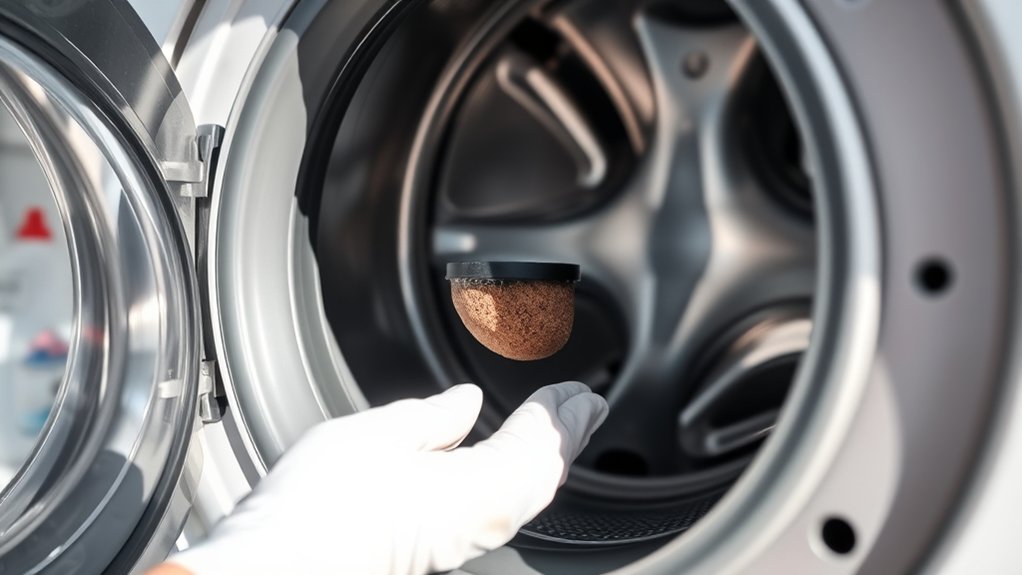
You should clean your washing machine filter every three to four months or after about 30 to 40 wash cycles to keep it working at its best.
If you have pets that shed a lot or often wash heavily soiled clothes, you’ll want to clean the filter more frequently to prevent clogs.
Keep an eye out for signs like slow drainage, unpleasant odors, or lint buildup—these are clear hints that it’s time to give your filter a good cleaning.
Recommended Cleaning Frequency
Although many users overlook this maintenance step, cleaning your washing machine filter every 3 to 4 months, or after about 30 to 40 wash cycles, is crucial to keep the appliance running efficiently.
Maintaining this cleaning frequency guarantees peak performance and prevents costly repairs caused by clogged filters.
If you have pets or heavily soiled laundry, increase the clean filter frequency to once a month for better maintenance.
Keep an eye out for these signs indicating it’s time to clean your filter:
- Slow water drainage during cycles
- Lingering unpleasant odors
- Visible lint accumulation around the door seal
- Reduced washing efficiency or unusual noises
Regularly cleaning your washing machine filter enhances performance and extends the appliance’s lifespan.
Factors Affecting Cleaning
The recommended cleaning interval of every 3 to 4 months provides a general guideline, but several factors can influence how often you should clean your washing machine filter.
If your household has shedding pets or heavily soiled laundry, your washer filters need to be cleaned at least every 1 to 2 months to avoid drainage problems. Regular maintenance prevents clogging and extends the lifespan of your machine.
| Factor | Impact on Cleaning Frequency | Maintenance Tip |
|---|---|---|
| Pet Hair | Increases debris buildup | Clean filters monthly |
| Load Soil Level | Heavily soiled loads clog faster | Clean after 20-30 cycles |
| Usage Frequency | More washes mean quicker buildup | Clean filters regularly to avoid drainage problems |
Signs To Clean
How often should you clean your washing machine filter to keep it running effectively? Regular maintenance is crucial to prevent clogs and guarantee peak performance.
While cleaning every 3 to 4 months or after 30 to 40 wash cycles is typical, certain signs indicate it’s time to clean the filter sooner.
Watch for these clear indicators: slow drainage following a wash cycle, unpleasant odors coming from inside the washer, visible lint or debris around the door seal, and clothes coming out not smelling fresh.
These signs suggest your filter is clogged and needs immediate cleaning. Ignoring them can lead to bigger problems and reduce your machine’s lifespan.
How a Clogged Washing Machine Filter Affects Drainage and Performance
When your washing machine filter gets clogged with lint, hair, and detergent residue, it restricts water flow and slows drainage considerably. This obstruction causes water to drain ineffectively, often leaving your clothes soaked at the end of a cycle.
A clogged filter also forces the machine to work harder, which can extend cycle times and reduce overall performance.
Over time, stagnant water trapped by the blockage can lead to unpleasant odors and potential mold growth inside the machine.
Neglecting regular filter maintenance, like cleaning it every 3 to 4 months, really increases the risk of operational issues and even potential machine failure.
Extra Tips to Keep Your Washing Machine Filter and Drain Clear
Maintaining a clear washing machine filter and drain requires consistent attention beyond routine cleanings. To prevent lint buildup and guarantee peak drainage, follow these extra maintenance tips:
- Inspect and clean the filter every 3 to 4 months, or monthly if you have pets or heavily soiled clothes.
- Consult your owner’s manual to tailor the cleaning frequency to your washing machine model.
- After filter cleaning, run an empty hot water cycle to flush out residual debris from the drain.
- Monitor for slow drainage or foul odors, signaling immediate cleaning is necessary.
Regularly applying these steps helps you avoid clogging issues, maintain efficient filter function, and extend your washing machine’s lifespan by keeping both filter and drain clear.
Consistent care prevents clogs, boosts filter efficiency, and prolongs your washing machine’s life.
It’s easier than you think and really pays off in the long run!
What to Do If Your Washing Machine Has No Removable Filter
Some washing machines don’t come with a removable filter. Instead, they rely on a self-cleaning system to manage lint and debris automatically. If your model has self-cleaning filters, it usually uses internal mechanisms to prevent clogging without needing you to step in.
For effective washer cleaning, it’s a good idea to follow maintenance tips like regularly cleaning the detergent dispenser. Running a TubClean or Sanitary Cycle also helps remove residue and keep things fresh.
Always check your owner’s manual for care instructions specific to your model since designs can vary a lot.
Keep an eye out for drainage problems or unusual odors. These could mean it’s time to call in a professional, even if there’s no removable filter to clean.
Sticking to these guidelines helps your washer run smoothly and last longer, especially when you don’t have easy access to a filter.
How Your Household Size Affects Filter Cleaning Frequency
Household size directly influences how often you need to clean your washing machine filter, as more laundry generates greater lint and debris buildup.
Adjusting your filter cleaning frequency according to household size guarantees peak appliance performance and prevents drainage issues.
Consider these guidelines:
- Single-person households: clean the filter every 6 months due to lower laundry volume.
- Families of four: clean every 3 to 4 months, balancing moderate debris buildup.
- Larger households: clean monthly to manage increased laundry and lint accumulation.
- Pet owners: clean every 2 to 3 weeks to combat pet hair clogging the filter.
Regularly monitor your filter’s condition and adapt cleaning frequency based on laundry soil levels and debris buildup for efficient maintenance.
It really helps keep things running smoothly!
Common Mistakes to Avoid When Cleaning Your Washing Machine Filter
Anyone who cleans their washing machine filter should be aware of common mistakes that can compromise the cleaning process and appliance performance.
First, neglecting regular cleaning reduces efficiency and increases lint buildup. So, follow manufacturer recommendations to clean every 3 to 4 months.
Next, not verifying the filter location specific to your machine model can lead to incomplete cleaning. The filter is often behind a hatch at the bottom front for front-loaders. Make sure you know exactly where it’s before you start.
Using improper tools, like harsh brushes instead of soft ones, risks damaging the filter or surrounding components. It’s best to use gentle tools to keep everything intact.
Finally, after cleaning the filter, always run an empty rinse cycle with hot water to flush out any leftover debris.
Avoiding these errors guarantees peak filter maintenance and helps prolong your washing machine’s lifespan.
Frequently Asked Questions
Can Using Fabric Softener Cause My Washing Machine Filter to Clog?
Yes, fabric softener effects can cause filter clogging by leaving a chemical film that traps lint and debris. This buildup reduces washing machine performance and may cause odors or inefficient cycles.
To prevent filter clogging, follow maintenance tips like cleaning the filter every 3 to 4 months and using fabric softener sparingly.
It’s a good idea to keep an eye on your machine to avoid any issues.
You might also want to consider softener alternatives like dryer balls or vinegar. These options help minimize residue and can extend your machine’s lifespan.
Does Cleaning the Filter Improve Washing Machine Energy Efficiency?
Yes, cleaning your washing machine filter directly improves energy savings by guaranteeing ideal water flow and reducing strain on the motor.
Regular maintenance about every 3 to 4 months extends the filter’s lifespan and boosts your machine’s performance.
Doing this kind of proactive care really supports eco-friendly practices by lowering energy consumption and minimizing repair needs.
Keeping the filter clean helps your machine run efficiently, which not only saves you money on utility bills but also reduces your environmental impact.
Are There Specific Detergents That Reduce Filter Buildup?
You’d think all detergents are the same, but choosing the right detergent types can drastically reduce filter buildup!
High-efficiency (HE) detergents and enzyme-based formulas excel in buildup prevention by minimizing residue and breaking down organic matter.
Avoid fabric softeners and opt for liquid detergents to ease filter maintenance.
Adjust your cleaning frequency based on these products, and always follow product recommendations to keep your filter clog-free and your machine running smoothly.
Can a Washing Machine Filter Be Cleaned With Vinegar?
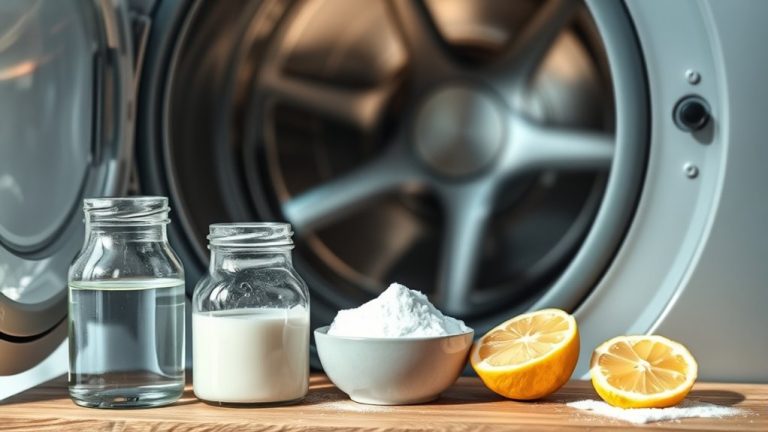
Yes, you can clean your washing machine filter with vinegar. Vinegar works well because it dissolves mineral deposits and grime, making it a top choice for filter cleaning.
For best results, soak the filter in a vinegar-water solution for 30 minutes, then rinse it thoroughly.
Vinegar is excellent, but you can also use baking soda or commercial cleaners if you prefer.
Just be sure to follow the recommended cleaning frequency and maintain your filter regularly. This will help keep your washing machine running smoothly and extend its lifespan.
How Do Hard Water Deposits Affect the Washing Machine Filter?
Hard water causes mineral deposits to accumulate, leading to filter buildup that restricts water flow and clogs your machine.
This buildup reduces washing machine performance by impairing drainage and causing inefficient cycles. You’ll notice longer wash times and unpleasant odors if you ignore it.
For effective appliance maintenance, you should clean the filter regularly using descalers or vinegar to dissolve these deposits.
This helps ensure your washing machine runs smoothly and lasts longer. It’s a simple step that can save you from bigger problems down the line.
Conclusion
Keeping your washing machine filter clean is essential to maintaining peak performance and avoiding costly repairs. Just like a knight regularly sharpens his sword, you should clean your filter every 1-3 months. Adjust this based on your household size and usage.
Don’t ignore signs of clogging or foul odors. Follow the steps carefully and avoid common mistakes. This way, you guarantee your machine runs efficiently for years to come.
Regular maintenance saves time and money. It’s a simple habit that pays off big in the long run. So, keep your filter clean and your washing machine happy!