How To Clean A Washing Machine With Bleach – Safe Cleaning Guide
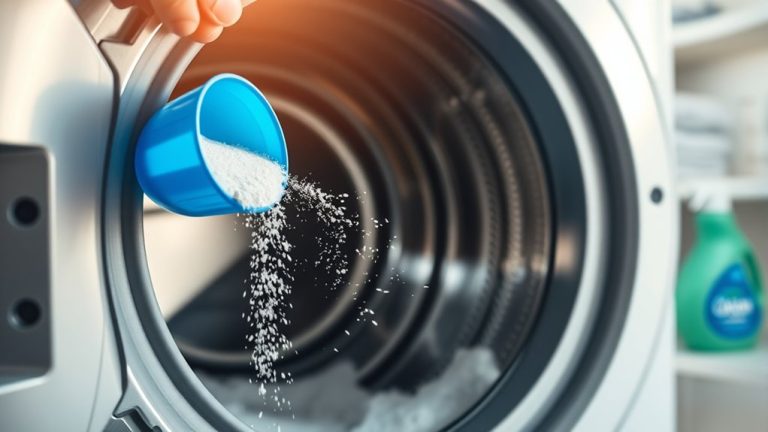
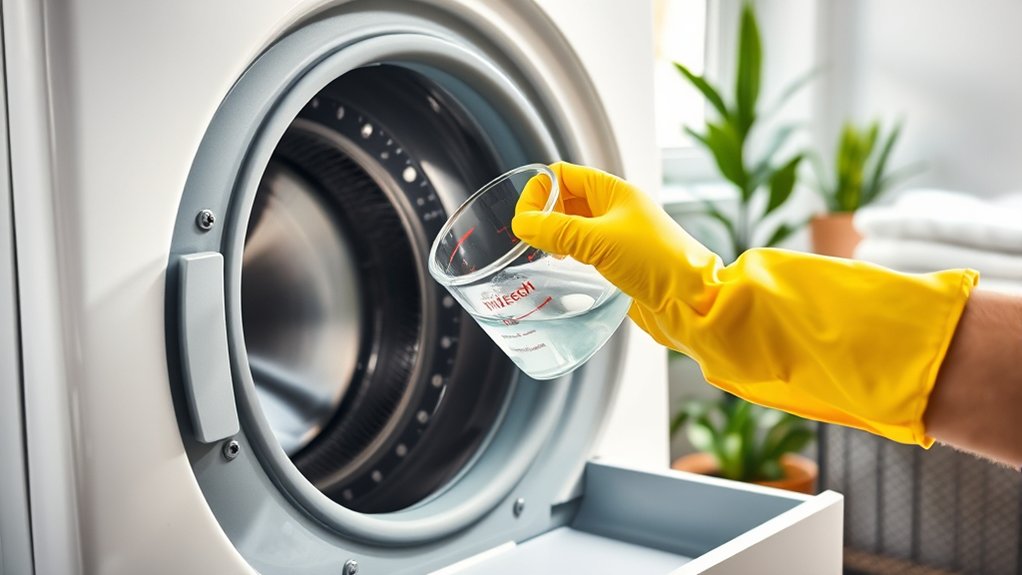
To clean your washing machine with bleach safely, run an empty hot water cycle using ½ cup bleach for standard washers or ¼ cup for HE models. Pour the bleach into the dispenser or drum. Make sure the washer is empty before you start.
Also, ventilate the area and wear gloves to protect your skin. After the cycle finishes, leave the door open to let it dry. It’s a good idea to run an extra rinse cycle to remove any leftover residue.
Proper cleaning helps prevent mold, odors, and buildup. This keeps your washer fresh and working efficiently. Want to keep your machine in top shape? Discover tips for thorough care and mold prevention.
Why Clean Your Washing Machine With Bleach?
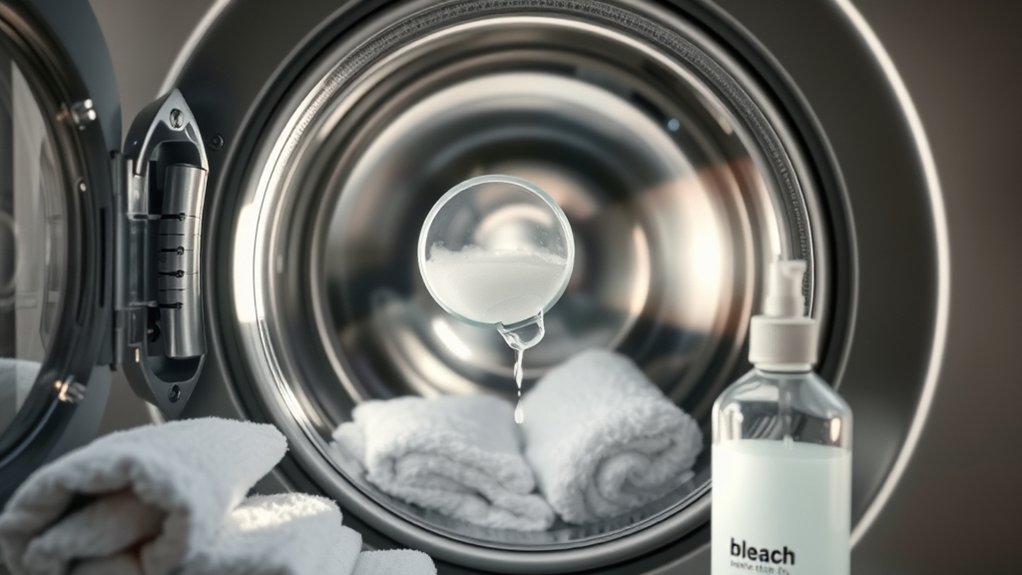
Although your washing machine cleans your clothes, it can harbor bacteria, mold, and mildew over time. Using bleach for cleaning is a practical way to disinfect your washer thoroughly. Bleach targets and eliminates mold and mildew, preventing unpleasant odors and keeping your laundry fresh.
It also tackles detergent buildup, which can affect your machine’s performance and contribute to bad smells. When you run a hot water cycle with bleach, it reaches hidden areas like rubber gaskets and the drum, ensuring a deep clean. This process not only disinfects but also maintains your washer’s efficiency.
By regularly using bleach in your cleaning routine, you create a hygienic environment that protects your clothes and extends your machine’s lifespan.
How Often Should You Clean Your Washer With Bleach?
How often should you clean your washing machine with bleach to keep it running smoothly? You should use bleach to clean your washer at least once a month to prevent odors, bacteria, and mold buildup.
Clean your washing machine with bleach monthly to prevent odors, bacteria, and mold buildup.
During this cleaning cycle, add ½ cup of bleach for standard washers or ¼ cup for HE models. Always run a hot cycle to guarantee the bleach disinfects thoroughly and removes residue.
If you notice persistent unpleasant smells or after severe color bleeding, clean your washer more frequently. Once the cycle finishes, leave the washer door open to allow ventilation and help prevent future mold growth.
Regular monthly cleaning with bleach is a simple, effective way to maintain your washer’s performance and keep your laundry fresh. It’s easy to make this a routine so your machine stays in great shape over time.
How To Prepare Your Washer For Bleach Cleaning
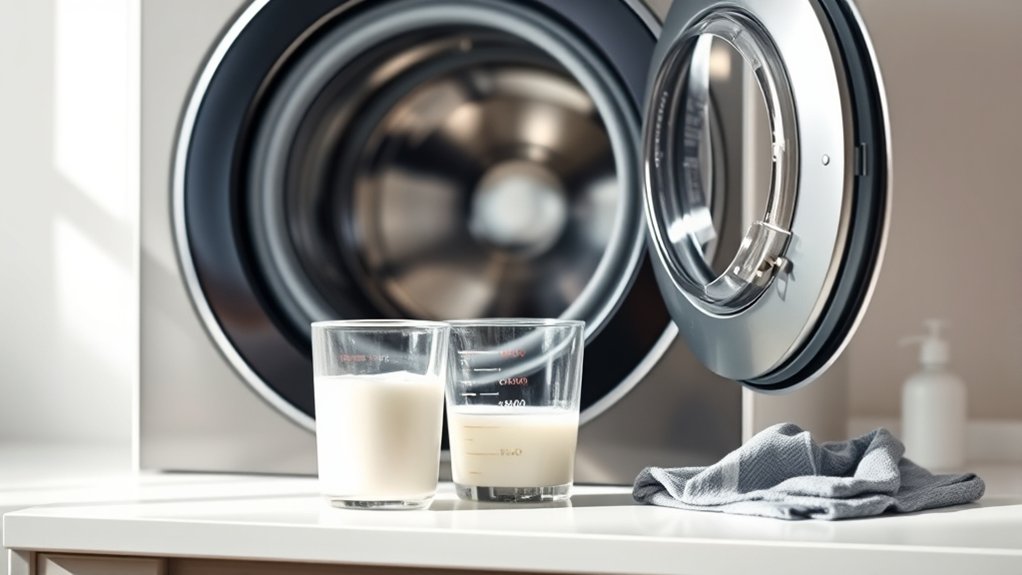
Before you start cleaning, make sure to take out all the laundry from your washer. This helps prevent any damage and ensures the bleach can do its job properly.
Also, it’s a good idea to open a window or turn on a fan to get some fresh air flowing because bleach fumes can be pretty strong and not so great to breathe in.
Following these simple steps will help you clean your washer safely and thoroughly.
Remove Laundry Items
Start by removing every piece of laundry from your washing machine to confirm it’s completely empty before you begin the bleach cleaning process. This step guarantees the bleach can effectively clean the drum without interference.
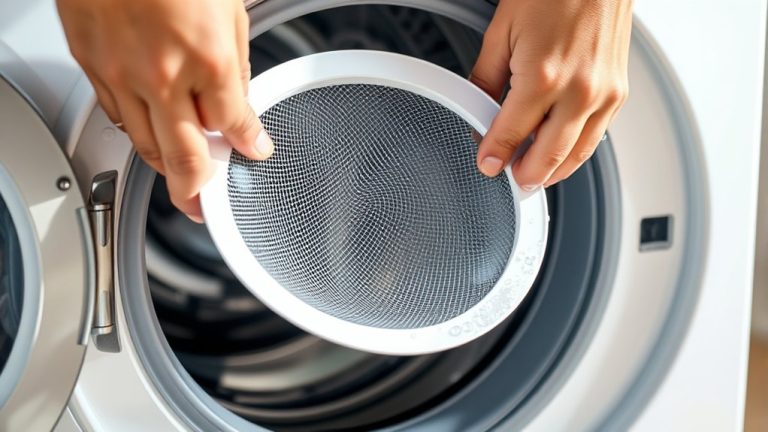
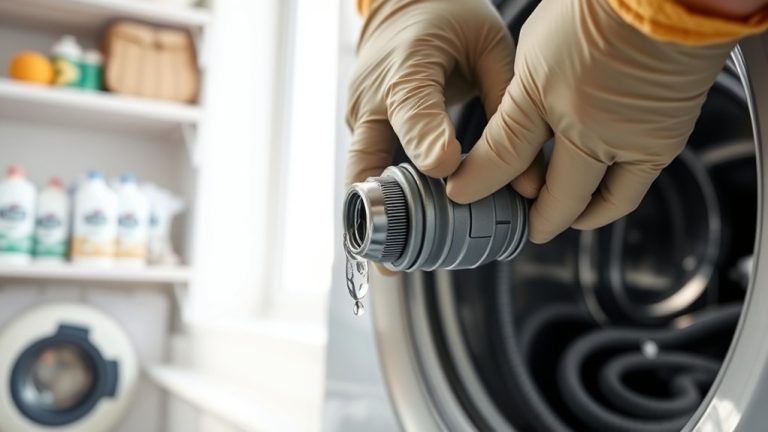
Next, check the detergent dispensers for buildup and clean them thoroughly. Don’t forget to inspect the rubber door gasket, as mildew smell often originates there due to trapped moisture and debris.
After clearing everything out, leave the washer door open briefly to let moisture evaporate. This helps prevent mold growth during cleaning.
| Step | What to Check | Tip |
|---|---|---|
| Remove laundry | Drum is empty | Avoid bleach contact with fabrics |
| Clean dispensers | Remove detergent residue | Use warm water and brush |
| Inspect gasket | Look for mold or debris | Wipe with bleach solution |
| Leave door open | Air dry interior | Prevent mildew smell |
| Measure bleach | Use correct amount | ½ cup standard, ¼ cup HE washer |
Ventilate Cleaning Area
To prepare your washing machine for bleach cleaning, make sure you create a well-ventilated environment by opening multiple windows and doors. This helps fresh air circulate throughout the area. Proper ventilation is key because it reduces bleach fumes and limits your exposure to harmful vapors.
Here’s how to ventilate effectively: First, open windows and doors to allow continuous airflow and fresh air into the cleaning space. Next, use a fan to boost ventilation and help disperse bleach fumes faster.
Also, remove any items that might be sensitive to bleach vapors, like fabrics or cleaning supplies, from the area.
Don’t forget to wear protective gear such as rubber gloves and a mask to protect your skin and respiratory system from bleach exposure. Following these steps will make sure you have a safe and comfortable environment for cleaning your washer with bleach.
How To Clean Your Washing Machine With Bleach Safely
To clean your washing machine with bleach safely, you’ll want to use just the right amount—about half a cup for standard washers and a quarter cup for HE models.
Pour it into the dispenser or directly into the drum before you start a hot cycle.
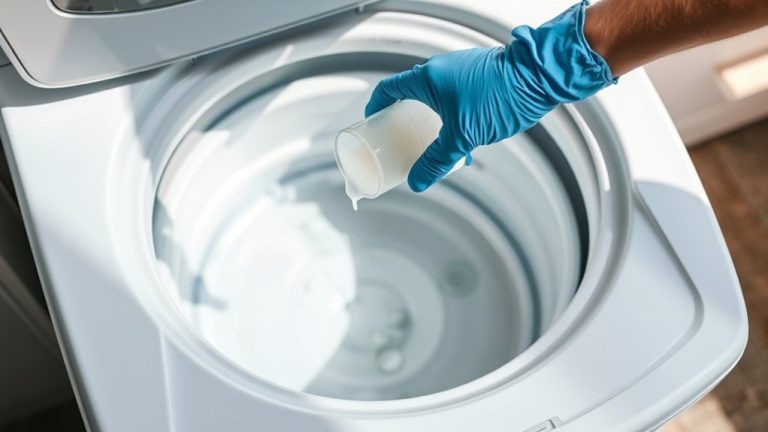
Make sure the area is well-ventilated, and don’t forget to wear rubber gloves to protect your skin.
Let the bleach circulate for at least 10 minutes during the cycle so it can do its job.
Once the cycle is done, leave the door open to let the machine air out.
It’s also a good idea to run an extra rinse cycle afterward to get rid of any leftover bleach. Easy and safe!
Bleach Usage Guidelines
Using bleach to clean your washing machine can effectively eliminate bacteria and odors when done correctly.
To get the best disinfecting results, follow these bleach usage guidelines:
Use ½ cup of bleach for standard washers or ¼ cup for HE washers, pouring it into the dispenser or drum. Always run a hot water cycle to maximize bleach’s disinfecting power and tackle mildew buildup.
Let the bleach circulate for at least 10 minutes during the cycle to thoroughly eliminate odors and bacteria.
After the cycle, leave the washer door open to help the interior dry and prevent new mold growth.
Remember to wear rubber gloves when handling bleach to protect your skin and avoid direct contact.
It’s a simple way to keep your machine fresh and safe!
Safety Precautions Needed
While bleach is highly effective for disinfecting your washing machine, handling it safely is just as important to protect yourself and your home.
First, always follow safety precautions by ensuring the area is well-ventilated to avoid inhaling fumes. Be sure to wear rubber gloves to shield your skin from irritation.
When using bleach, dilute it properly. Use ½ cup for standard washers and ¼ cup for HE models to prevent damage.
If bleach contacts your skin, rinse immediately with water for 15 to 20 minutes. And if irritation sticks around, make sure to get medical help.
Finally, store bleach in a cool, dry place away from children and pets to prevent accidental exposure.
These steps will help you clean your machine safely and effectively. It’s all about being careful and protecting yourself while getting your washer fresh and clean!
Post-Cleaning Care
After you add bleach and start the cleaning cycle, make sure to run a full hot water cycle lasting at least 10 minutes. This helps the bleach circulate properly and disinfect your machine.
For effective post-cleaning care, follow these steps:
- Leave the washer door open to let air circulate. This helps prevent mold and mildew buildup.
- If bleach fumes linger, run an additional rinse cycle with hot water to clear any residue.
- Always make sure the area is well-ventilated during and after cleaning. This keeps you from inhaling bleach fumes.
- Dispose of bleach responsibly. Dilute small amounts and pour down an indoor drain, or take larger quantities to a hazardous waste facility.
Following these steps keeps your washing machine fresh and safe for future use. It’s a simple routine that really makes a difference!
How Much Bleach Should You Use For Your Washer?
How much bleach should you add to your washing machine for a thorough clean? For standard washers, use ½ cup of bleach. If you have a high-efficiency (HE) washer, stick to ¼ cup to avoid excess sudsing.
Always pour the bleach into the dispenser or directly into the drum before starting a hot water cycle. This guarantees the bleach mixes well for effective cleaning and disinfecting.
Let the cycle run so the bleach circulates for at least 10 minutes. This maximizes its ability to eliminate odors, bacteria, and mildew.
Using the right amount of bleach regularly, about once a month, keeps your washer fresh and hygienic without damaging its components.
It’s a simple step that really helps maintain your machine in great shape.
Running An Effective Bleach Cycle To Disinfect Your Washer
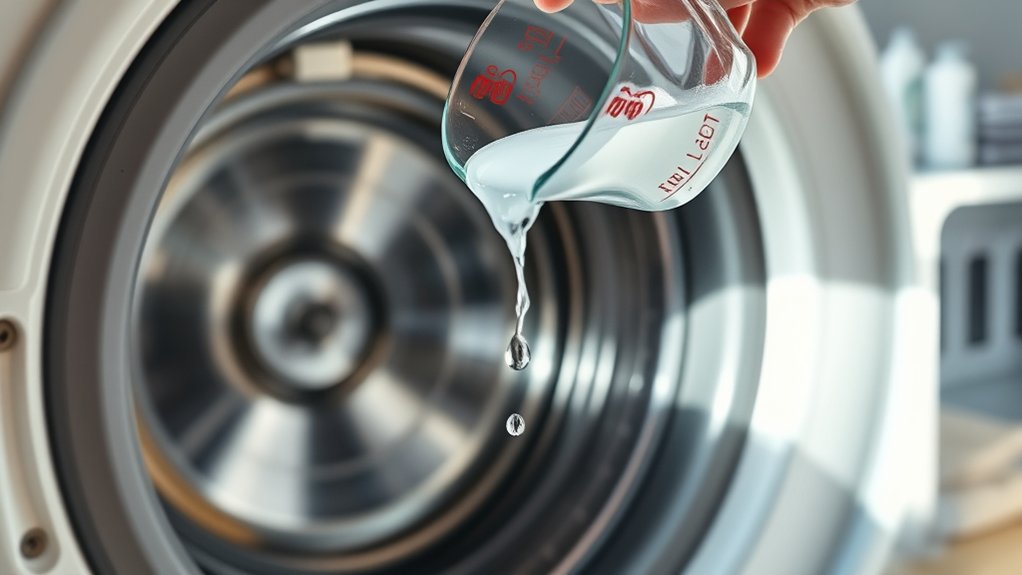
To disinfect your washing machine effectively, you’ll want to add the right amount of bleach. Use ½ cup for standard washers or ¼ cup for HE models, and put it directly into the bleach dispenser or drum.
Then, follow these steps for a thorough clean: Select the hottest water cycle available on your washer. Run the cycle for at least 10 minutes to make sure the bleach circulates and disinfects properly.
Choose the hottest water cycle and run it for at least 10 minutes for effective bleach disinfection.
Keep the laundry area well-ventilated to reduce bleach fumes during the cycle.
It’s a good idea to repeat this bleach cycle monthly to maintain a clean, odor-free washer.
This process uses bleach to thoroughly disinfect your washer. It kills bacteria and prevents mold buildup, keeping your machine fresh and safe to use.
How To Rinse And Dry Your Washer After Bleach Cleaning
After you’ve finished running a bleach cleaning cycle, it’s important to run a hot water rinse next. This helps get rid of any leftover bleach that might still be hanging out in the drum and dispensers.
Once that’s done, make sure to leave the washer door open. Doing this lets air circulate inside and helps the interior dry out properly.
Lastly, don’t forget to wipe down the rubber gasket with a dry cloth. This step is key to preventing moisture buildup and stopping mold from growing.
Thoroughly Rinse Residual Bleach
Run a second cycle using hot water to flush out any leftover bleach from the drum and hoses. This helps guarantee your washer is safe for future loads.
To thoroughly rinse residual bleach, follow these steps:
- Select the extra rinse option if your washer has one. This will help remove all bleach traces completely.
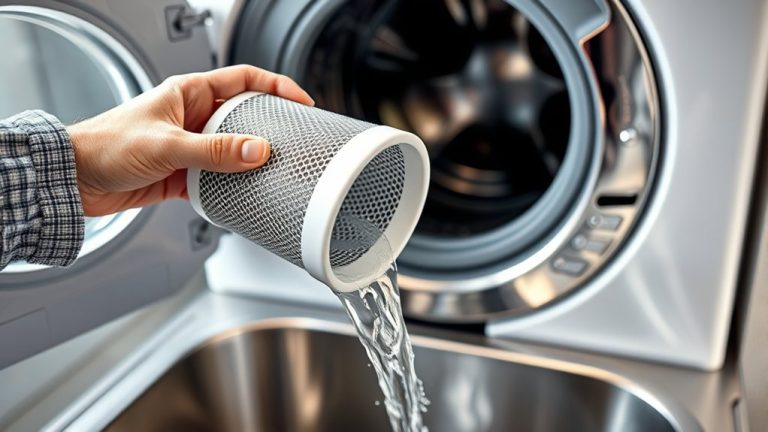
- Clean the bleach dispenser with warm, soapy water to clear any trapped bleach residue.
- Wipe down rubber seals and gaskets with a damp cloth. This removes bleach remnants that can cause damage or odors.
- After rinsing, allow the washer to air dry. This keeps it clean and fresh for your next laundry.
Doing this ensures your washing machine stays bleach-free and safe for all your clothes.
It’s an easy way to protect both your machine and your laundry.
Leave Door Open
Although you’ve finished rinsing out the bleach, you shouldn’t close the washing machine door right away. To prevent mold and mildew, always leave the door open for a few hours to promote proper air circulation and drying.
Pay special attention to the rubber door gasket. Wipe it down thoroughly since moisture can hide in its folds, encouraging unpleasant odors.
Leaving the door open also helps dissipate any lingering bleach smell, keeping your washer fresh for the next load.
While the door is open, check and clean detergent dispensers, as they tend to retain moisture and contribute to odors if left damp.
Make it a habit to leave the door open after every wash, not just after bleach cleaning. This way, you consistently eliminate dampness and keep your machine odor-free.
Air Dry Rubber Gasket
Make sure to leave the washer door open for at least 30 minutes once the bleach cleaning cycle finishes so the rubber gasket can air dry completely. This step prevents moisture buildup that can lead to mold and unpleasant odors.
After airing out, use a clean, dry microfiber cloth to wipe the gasket thoroughly. Follow these steps:
- Open the washer door immediately after the bleach cycle ends.
- Wipe the rubber gasket with a microfiber cloth to remove moisture and bleach residue.
- Inspect the gasket for mold or damage; if mold appears, clean it with a water and bleach mixture.
- Keep the door ajar between washes to maintain airflow and keep the gasket dry.
Regular care keeps your rubber gasket clean and mold-free. It’s a simple routine that makes a big difference!
Bleach Safety Tips For Your Washing Machine
When you use bleach to clean your washing machine, you should always work in a well-ventilated area to avoid harmful fumes. Proper ventilation helps reduce the risk of irritation to your eyes, nose, and throat.
Before handling bleach, put on rubber gloves to protect your skin from irritation and potential burns. Always dilute bleach correctly. Use ½ cup for standard washers and ¼ cup for HE washers to prevent damage to your machine.
Wear gloves and dilute bleach properly—½ cup for standard washers, ¼ cup for HE models.
If bleach accidentally touches your skin, rinse the area with water for 15–20 minutes. Seek medical advice if irritation continues.
Finally, store bleach in a cool, dry place out of reach of children and pets.
Following these bleach safety tips guarantees a safe and effective cleaning process for your washing machine. It’s simple, but it makes a big difference!
Tips To Prevent Mold And Mildew Between Bleach Cleanings
How can you keep mold and mildew from taking hold in your washing machine between bleach cleanings? To keep your washer fresh and free from mold, focus on reducing moisture and residue buildup.
Here are four practical tips:
- Keep the washer door open after each use to improve air circulation and let moisture escape.
- Use only the recommended amount of detergent to avoid detergent residue that fosters mold growth.
- Regularly clean the rubber door gasket and dispensers to remove grime where mold and mildew thrive.
- Store your washing machine in a dry, well-ventilated area to minimize humidity and maintain a clean washer.
Following these steps will help you prevent mold and mildew buildup and keep your washing machine in top condition between bleach cleanings. It’s pretty simple, but it really works!
Safe Alternatives To Bleach For Cleaning Your Washing Machine
Although bleach is a popular choice for cleaning washing machines, you don’t have to rely on it exclusively. There are several safe alternatives to bleach that work effectively.
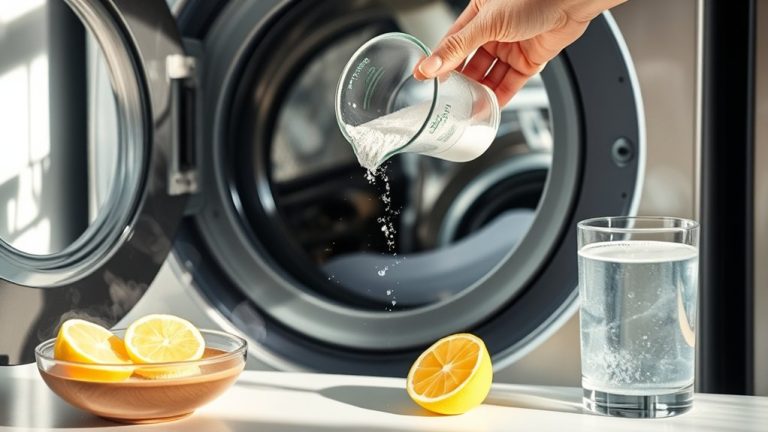
White vinegar acts as a natural deodorizer and disinfectant. Just add ¾ cup during a hot water cycle to remove odors and residues.
Baking soda neutralizes smells and breaks down grime. You can toss in ½ cup during the wash.
Soda crystals are great for tackling soap scum and mineral buildup. Use them bi-weekly in an empty hot wash.
Dishwashing tablets designed for washing machines provide a strong clean without harsh chemicals.
For added freshness and antibacterial benefits, add a few drops of essential oils like tea tree or lavender to your cleaning routine.
These alternatives keep your machine fresh and safe without the risks that come with bleach.
Frequently Asked Questions
Can Bleach Damage My Washing Machine’s Rubber Seals?
Yes, bleach can damage your washing machine’s rubber seals if you don’t manage bleach concentration levels carefully.
For effective rubber seal maintenance, use diluted bleach sparingly and consider safe cleaning alternatives like vinegar or mild soap to protect seal elasticity.
This approach helps with odor prevention and extends washing machine longevity.
Keep an eye out for seal replacement signs like cracks or leaks to avoid costly repairs and maintain peak performance.
Is It Safe to Use Bleach in a Front-Loading Washer?
Oh sure, just douse your front loader in bleach and watch it sparkle, said no one who cares about washer safety tips.
Yes, it’s safe to use bleach in your front-loading washer if you stick to proper front loader maintenance.
Use bleach sparingly, about once a month, to prevent mold and odors.
If bleach scares you, try bleach alternatives.
Regular cleaning frequency keeps your machine fresh and odor-free without damage.
How Long Should I Wait Before Using the Washer After Bleaching?
You should wait at least 30 minutes before using your washer after bleaching to guarantee proper odor prevention and avoid damage.
Keep the door open during this time for ventilation.
For washing machine care, consider running an extra rinse cycle to remove bleach residue.
To reduce cleaning frequency and support preventive maintenance, you might try bleach alternatives or other cleaners that are gentler but still effective.
Always check your manual for specific guidelines.
It’s a good idea to follow those to keep your washer in great shape!
Can I Use Bleach if My Water Is Hard or Contains Minerals?
You can use bleach if your water is hard or contains minerals, but you’ll face hard water effects like reduced bleach strength and mineral buildup.
To fight this, dilute bleach with water, run a cycle with vinegar or a water softener beforehand, and follow safe cleaning practices.
For washing machine maintenance, use descaling agents regularly.
If bleach isn’t effective, consider bleach alternatives for odor prevention tips and better mineral buildup solutions.
Will Bleach Remove All Types of Odors From My Washing Machine?
Bleach won’t remove all odor types from your washing machine. It’s great for mold prevention and killing bacteria but may miss smells from detergent buildup or minerals.
Your cleaning frequency matters. Doing a monthly bleach cycle helps maintain freshness.
For stubborn odors, try alternative cleaners like vinegar or baking soda.
Listen to user experiences and combine methods for better machine maintenance. Regular care keeps your washer smelling clean and working well.
Conclusion
Cleaning your washing machine with bleach keeps it fresh, mold-free, and running efficiently. But how often do you really think about it?
By following simple steps and safety tips, you can easily maintain a spotless washer without risking damage or health hazards. Just remember to rinse thoroughly. And if bleach isn’t your thing, there are alternatives you can try.
Regular care prevents unpleasant odors and extends your machine’s life. That way, every laundry day turns into a better experience for you.