How Long Can Laundry Sit In Washer – Full Breakdown
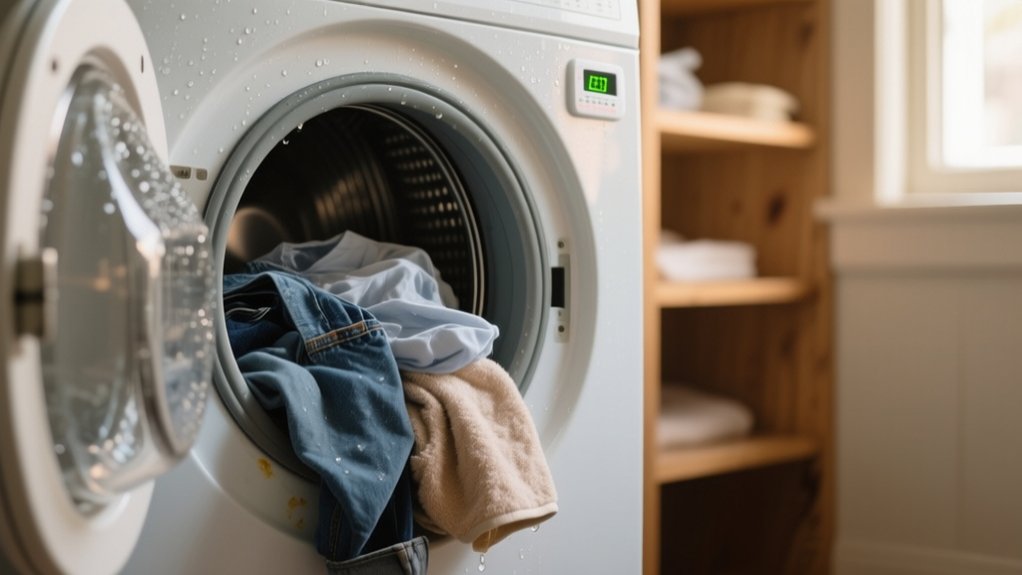
You can leave wet laundry in your washer for up to 8 to 10 hours. But bacteria start growing after 2 to 4 hours, causing odors, especially in thick fabrics like towels.
Beyond 12 hours, you’ll likely need a full rewash. Factors like temperature, humidity, and washer type accelerate smells, so check clothes promptly and avoid overloading.
Simple habits like setting reminders and maintaining your washer prevent odors and keep fabrics fresh. Keep going to uncover tips for managing laundry efficiently.
Key Takeaways
- Wet clothes can sit in the washer for 8 to 10 hours without significant odors, but bacteria start multiplying after 2 to 4 hours.
- Clothes left over 12 hours in the washer usually need a full rewash due to mildew and sour odors.
- Thick fabrics like towels and gym clothes develop mildew smells faster in warm, humid conditions.
- Performing a quick smell test before drying helps prevent setting in unpleasant odors from clothes left too long.
- To avoid odors, check laundry within 2 to 4 hours, use proper detergent amounts, and keep the washer door slightly open for airflow.
How Long Can Wet Clothes Safely Sit in the Washer?
How long can wet clothes safely sit in the washer before they start to develop unpleasant odors?
Generally, wet clothes can sit in the washer for up to 8 to 10 hours without significant odor issues.
However, after 2 to 4 hours, odor-causing bacteria begin to multiply, which leads to sour smells and can harm the fabric.
To prevent this, it’s best not to leave clothes longer than a few hours.
Thicker fabrics, like towels, tend to sour faster, so keep that in mind.
You should perform regular checks and transfer wet clothes to the dryer within 2 to 4 hours to maintain freshness.
If you leave clothes for more than 12 hours, you’ll likely need a full rewash to remove odors and guarantee proper cleanliness.
Why Do Wet Clothes Start to Smell Mildew?
Leaving wet clothes in the washer for too long not only leads to unpleasant odors but also encourages the growth of mildew.
When your wet clothes sit damp in a warm, humid environment, it creates the perfect setting for microbial growth.
Bacteria and fungi thrive in this moisture-rich space, feeding off residues like dirt, body oils, and detergent left on fabrics.
This process causes the mildew smell you notice, especially in thicker materials like towels or gym clothes that hold moisture longer.
To prevent this, you should remove laundry promptly and regularly clean your washer to reduce residue buildup.
Signs Wet Clothes Have Been Left Too Long in the Washer
If your clothes start to emit a sour or mildew-like odor, it’s a clear sign they’ve been sitting in the washer too long, usually beyond four hours.
Wet laundry left for extended periods, especially towels and heavier fabrics, often develops a sour smell due to trapped moisture and bacterial growth.
You might also notice your clothes feel stiff or slimy, which indicates mildew formation.
Furthermore, if the washer drum smells unpleasant after unloading, it’s another clue your clothes have been left too long.
These signs show the wet laundry isn’t fresh anymore and needs attention.
Be sure to perform a quick smell test before drying. Detecting this early can prevent setting in odors and fabric damage.
Recognizing these indicators helps you decide when to act promptly.
When and How to Rewash Wet Clothes Left Too Long
If your wet clothes have been sitting in the washer for more than eight hours, you’ll probably need to rewash them to get rid of any odors and bacteria.
Just do a quick smell test first—if you notice any sour or musty smells, it’s time to run a full wash cycle with detergent. You can even add some vinegar or baking soda to give them an extra boost of freshness.
Now, if your clothes have been left for over twelve hours, it’s definitely best to do a complete rewash to make sure they’re really clean and hygienic.
That way, you won’t have to worry about any lingering smells or germs.
Signs Clothes Need Rewashing
When clothes develop a sour or mildew-like odor after sitting too long in the washer, you need to rewash them to eliminate bacteria and unpleasant smells.
Recognizing when to rewash saves you from wearing damp, smelly garments. Here are key signs:
- Persistent sour or mildew odor on clothes indicates bacterial growth due to moisture.
- Clothes that still smell damp after drying often need a rewash to remove trapped moisture odor.
- Stiff or less fresh-feeling fabrics suggest laundry sat too long, requiring rewashing for softness.
- A musty smell detected during a sniff test after 4-8 hours signals the need to rewash.
If your laundry’s been in the washer over 12 hours, a full rewash is essential to restore freshness and hygiene.
Effective Rewash Techniques
Although wet clothes left too long in the washer can develop unpleasant odors, you can restore their freshness by rewashing them properly. If your clothes have sat for over 8 hours, it’s best to rewash them to prevent mildew and sour smell.
For clothes left less than 10 hours, a quick rinse and spin cycle may suffice.
When rewashing clothes with a stubborn sour smell, add a cup of baking soda or vinegar to the wash to neutralize odors effectively.
Use the light soil setting for lightly soiled clothes to save water while cleaning thoroughly.
After rewashing, always perform a sniff test. If any unpleasant odors persist, consider an additional wash to guarantee your clothes come out fresh and clean.
How Temperature, Humidity, Detergent, and Washer Type Affect Odors
Because temperature and humidity directly impact bacterial growth, you’ll notice odors develop faster if wet laundry sits in a warm, humid environment.
Wet laundry left in warm, humid conditions encourages faster odor-causing bacterial growth.
Here’s how key factors affect odors in your washer:
- Temperature: Higher temperatures accelerate bacteria and mildew growth, intensifying smells if clothes stay too long.
- Humidity: Moist, humid environments promote quicker bacterial activity on damp fabrics.
- Detergent: Using high-efficiency detergents reduces residue, helping prevent odor retention.
- Washer Type: Front-load washers often trap moisture around seals, increasing odor risk compared to top-load washers.
How to Refresh Clothes Left Overnight in the Washer
If your clothes have been sitting overnight in the washer, you’ll want to give them a quick rewash to get rid of any odors or mildew.
Adding a bit of white vinegar or baking soda during the cycle really helps neutralize smells and freshen up the fabric.
If the odors are stubborn, you might want to try a full wash with a presoak, or just run a rinse and spin cycle before drying.
And for an extra boost of freshness, hang your clothes out in the sunlight once they’re done.
Quick Rewash Tips
When clothes have sat overnight in the washer, you’ll want to rewash them quickly to eliminate odors and refresh the fabric. A quick rewash helps neutralize odors and removes excess moisture, preventing mildew buildup.
Here’s how to tackle it effectively:
- Run a light wash cycle with detergent to refresh the fabric and remove musty smells.
- Use the presoak option if odors are stubborn, allowing detergent to penetrate deeply.
- Add a cup of vinegar or baking soda during the wash to neutralize odors naturally.
- If clothes smell only slightly musty, use a quick rinse and spin cycle to remove excess moisture before drying.
Following these tips guarantees your laundry stays fresh and ready to wear.
Odor Removal Methods
Three simple odor removal methods can quickly refresh clothes left overnight in the washer.
First, rewashing your clothes safely with detergent often eliminates unpleasant smells. To boost odor removal methods, add a cup of vinegar during the wash cycle; vinegar neutralizes stubborn odors and helps prevent mildew buildup.
Second, for persistent odors, use a full wash cycle with a presoak option to target mildew and bacteria effectively.
Finally, hang your clothes outside in sunlight to naturally deodorize and reduce any lingering smells.
Remember, maintaining a clean washer prevents odors from transferring to fabrics, ensuring fresher laundry every time.
These steps make it easy to restore freshness and keep your clothes smelling clean without damaging them.
Simple Habits to Prevent Odors in Clothes and Washers
Developing a few simple habits can greatly prevent odors in both your clothes and washing machine.
To keep your washer fresh and avoid musty smells from wet clothes or laundry in the washer, follow these practical steps:
- Keep the washer door slightly open between loads to allow airflow and prevent moisture buildup.
- Avoid overloading the washer to guarantee every garment gets properly cleaned and rinsed, reducing trapped odors.
- Use the correct amount of detergent to prevent residue that can cause lingering smells and stiffness.
- Clean your washing machine monthly to remove buildup and maintain freshness.
These habits help prevent odors effectively, assuring your laundry stays clean and your washer runs odor-free.
Tips for Setting Laundry Reminders and Avoiding Forgotten Loads
Although laundry can slip your mind during busy days, setting effective reminders guarantees you won’t leave clothes sitting in the washer too long. To stay on track, set a timer on your phone or smart device to alert you when a cycle ends, prompting you to transfer clothes promptly.
You can also schedule regular laundry days using calendar reminders or household apps to maintain consistency. A simple visual cue, like a sticky note on your washer, serves as an extra prompt to check your laundry during hectic times.
If you have a smart washer, take advantage of its notification features to receive alerts directly on your phone.
Establish a routine that includes a quick washer check before leaving home or bedtime to avoid forgotten loads.
Best Practices for Managing Laundry and Keeping Fabrics Fresh
To keep your laundry fresh and free from odors, you should check your clothes within 2 to 4 hours after the wash cycle ends. This helps prevent mildew growth.
Laundry experts recommend these best practices to keep your clothes in top condition and avoid the common mistake of forgetting a load in the washer:
- Set a timer or reminder to avoid leaving laundry too long in the washer. This prevents odor and mildew.
- Keep the washer door slightly open between loads to promote airflow and reduce moisture buildup.
- Use high-efficiency detergents in recommended amounts to avoid residue that causes odors.
- Separate activewear from other clothes to prevent odor transfer and keep fabrics smelling fresh.
Following these steps helps you maintain fabric freshness and prolong your washer’s efficiency.
Frequently Asked Questions
Can Fabric Softener Prevent Mildew Smell in Wet Clothes?
No, fabric softener can’t prevent mildew smell in wet clothes. It might make your clothes feel softer and mask odors temporarily, but it doesn’t stop bacteria or mold from growing in damp fabric.
In fact, residue from softeners can trap moisture, making mildew worse.
To avoid that smell, you need to wash your clothes promptly and keep your washer clean. Relying on softener alone won’t solve the problem.
Does Leaving Laundry in the Dryer for Too Long Cause Odors?
Leaving laundry in the dryer too long is like leaving a window closed on a rainy day. It traps moisture and breeds odors.
You’ll notice musty, sour smells, especially in thick fabrics like towels. Warm, humid conditions speed this up, so your clothes might need rewashing.
To avoid this, clean your dryer regularly and leave the door open between loads. Dryer sheets can mask smells, but they won’t fix dampness-caused odors.
Are Certain Fabrics More Prone to Mildew After Sitting Wet?
Yes, certain fabrics are more prone to mildew after sitting wet. You’ll find thicker fabrics like towels and gym clothes hold moisture longer, increasing mildew risk.
Natural fibers such as cotton and linen absorb more water, making them more susceptible to bacterial growth.
Synthetic fabrics dry faster but can still develop odors if left damp.
To prevent mildew, you should avoid leaving any wet laundry in the washer for too long, especially in humid conditions.
How Do Washing Machine Brands Differ in Odor Prevention?
Washing machine brands differ in odor prevention by using unique technologies. Some have FreshFlow Vent Systems that reduce moisture and block odors.
Others use antimicrobial materials in seals to stop bacterial growth.
High-efficiency models often drain better, preventing mildew. Front-loaders might need more ventilation to avoid smells.
Plus, machines with self-cleaning cycles or maintenance alerts help you stay ahead of odors, keeping your washer fresher longer without extra effort.
Can Adding Vinegar to the Wash Help Eliminate Mildew Smells?
Adding vinegar to your wash can help eliminate mildew smells like a revitalizing breeze clearing a stuffy room.
You’ll want to add about one cup of white vinegar during the rinse cycle to break down bacteria and odors effectively. It also softens fabric and reduces static cling.
Just avoid mixing vinegar with bleach, as that creates harmful fumes. Regular use helps keep your laundry and washer smelling fresh.
Conclusion
Just like Cinderella’s midnight deadline, your laundry has its own ticking clock. Leaving wet clothes in the washer too long invites mildew and odors, turning fresh fabrics into a chore.
By staying mindful, setting reminders, rewashing if needed, and adjusting for temperature and humidity, you’ll keep your clothes smelling clean and feeling fresh. With these simple habits, you’ll avoid the laundry nightmare and enjoy the reward of crisp, odor-free garments every time.