Why Does My Laundry Smell Musty – The Real Story
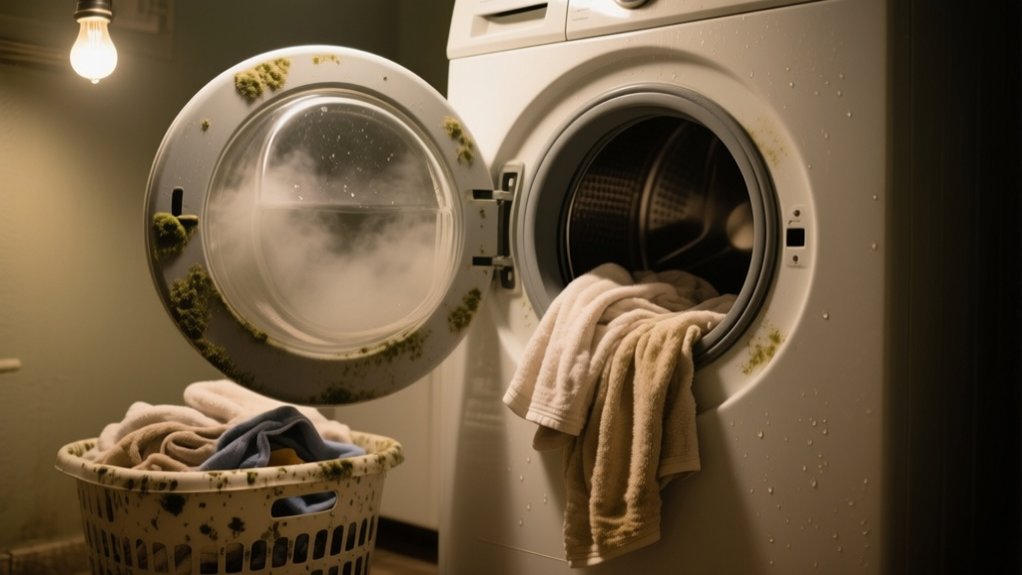
Your laundry smells musty because bacteria and mold thrive in damp, overcrowded washers and on clothes left wet too long. Detergent residue and trapped moisture, especially in front-load machines’ seals, also cause odors.
Overloading limits rinsing, and a poorly maintained hot water tank can add mildew smells from bacteria buildup. To fix this, you need timely washing, proper drying, and regular machine cleaning.
Keep going to uncover practical steps for fresh-smelling laundry every time.
Key Takeaways
- Musty laundry smells mainly arise from bacteria and mold growing in damp clothes left too long in the washer.
- Overloaded washers and detergent residue buildup reduce cleaning efficiency, trapping odors in clothes and the machine.
- Front-loading washers retain moisture in rubber seals, encouraging bacteria and mildew growth that causes musty smells.
- Poor hot water tank maintenance, including a deteriorated anode rod, can release odors and promote bacteria growth affecting laundry freshness.
- Promptly removing clothes, using correct detergent amounts, and regularly cleaning washers prevent musty odors in laundry.
Common Causes of Musty Smells in Laundry
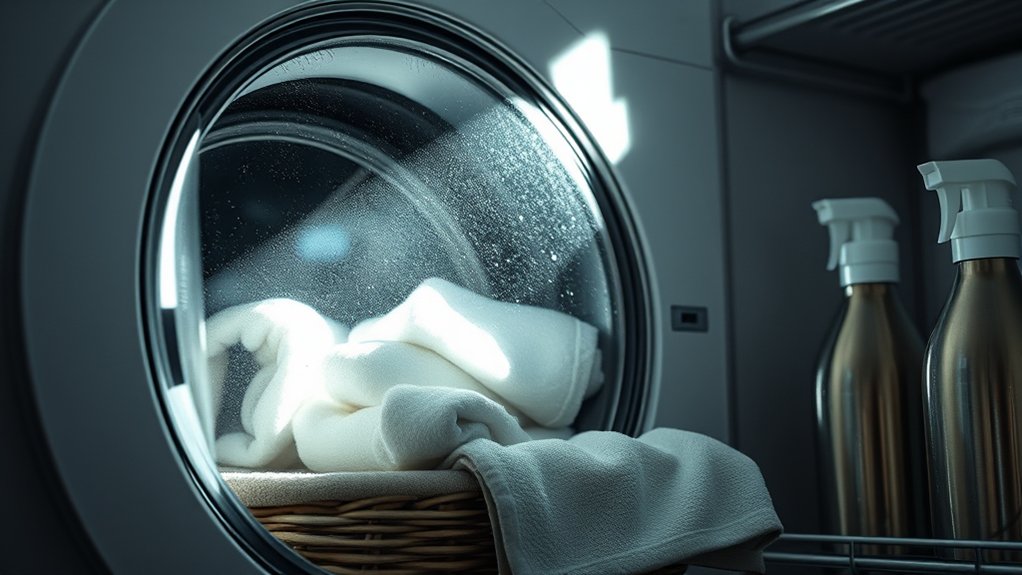
If you’ve ever noticed a musty smell clinging to your laundry, it’s often caused by bacteria and mold growing in damp conditions. When damp clothes sit too long in the washer, especially thick fabrics like towels, moisture gets trapped and encourages this growth.
Overloading your machine limits water and detergent circulation, so your laundry doesn’t get fully clean, leaving behind that unpleasant odor. Detergent residue can also build up inside the washer and on your clothes, creating a perfect environment for bacteria and mold to thrive.
To prevent this, make sure to clean your washer monthly and leave the washer door open after each cycle to let moisture escape.
These simple steps help keep your laundry fresh and free from musty smells.
How Washing Machines Cause Laundry Odors (And What to Do)
You mightn’t realize it, but bacteria and detergent residue can build up inside your washing machine, causing that musty smell.
It’s kind of sneaky because it happens inside the machine where you can’t easily see it.
And if you overload your washer or leave wet clothes sitting inside for too long, it just makes things worse.
The moisture and lack of airflow create the perfect environment for odors to develop.
So, what can you do about it?
Well, regular cleaning and letting your washer air out can really help keep your laundry smelling fresh.
Plus, try not to leave clothes in the machine too long after the cycle ends.
It’s a simple fix that makes a big difference!
Bacteria Growth Inside Washer
Because washing machines, especially front-loaders, often retain moisture and stagnant water, they create the perfect environment for bacteria, mold, and mildew to thrive.
This bacteria buildup inside your washing machine produces musty odors that cling to your clean laundry.
The rubber seal is a common hotspot where odor-causing bacteria hide, feeding on trapped moisture and detergent residues.
To keep your laundry smelling fresh, focus on these habits:
- Avoid leaving wet clothes in the washer for more than a few hours to prevent mildew growth.
- Regularly wipe down the rubber seal and door to remove moisture and bacteria.
- Clean your washing machine every 30-90 days using vinegar or a specialized cleaner to eliminate odor-causing bacteria.
These steps reduce bacteria buildup and keep your laundry smelling fresh.
Detergent Residue Buildup
When washing machines accumulate detergent residue, they create sticky deposits that trap bacteria and odors, making your laundry smell musty.
This detergent residue buildup often gathers in hidden spots like rubber door gaskets, detergent dispensers, and drain filters. These areas become breeding grounds for mold and mildew, worsening the smell.
To prevent residue accumulation, use the right amount of HE detergent if you have a high-efficiency washing machine. Too much detergent or overloading your washer limits rinsing, leaving behind residue that causes odors.
Make regular cleaning part of your routine every 30 to 90 days to remove buildup and keep your washing machine fresh.
Staying on top of these steps helps you avoid that unpleasant musty smell and keeps your laundry smelling clean.
Improper Washing Practices
Although washing machines are designed to clean your clothes thoroughly, improper washing practices can lead to stubborn musty odors. To prevent clothes that smell musty, you need to address common washing mistakes that cause odor buildup.
Here’s what you should focus on:
- Avoid leaving wet clothes in the machine for more than 30 minutes to prevent mildew and bacterial growth that make laundry smell musty.
- Don’t overstuff your washing machine; detergent and water need space to circulate properly and avoid detergent build-up on fabrics.
- Regularly clean detergent and fabric softener residue from rubber gaskets and dispensers.
Also, leave the door open after washing to air out and prevent mildew.
Following these steps helps keep your washing fresh and your clothes odor-free.
How Detergent and Fabric Softener Contribute to Smelly Clothes
If you use too much liquid detergent, you might unknowingly invite residue buildup in your washing machine, creating a breeding ground for odor-causing bacteria.
This buildup traps moisture and encourages mildew, leading to musty smells in your laundry.
Fabric softeners, while great for softness, can also leave oils and fragrances on fabrics, especially synthetics, which hold onto odors and dampness.
Together, leftover detergent and softener residues create an environment where mildew thrives, making your clothes smell less than fresh.
To combat this, try reducing your detergent amount or switch to powder detergent, which rinses cleaner.
Also, be mindful of how fabric softeners affect your fabrics, as their residue can worsen odors over time if not managed properly.
Why Overloading and Improper Drying Make Laundry Smell Worse
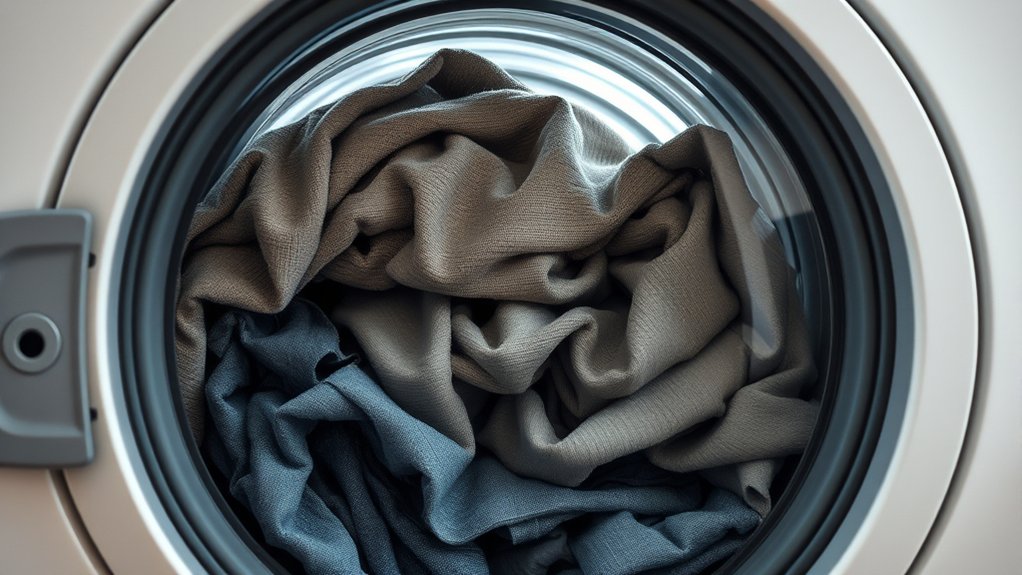
Since overloading your washing machine restricts water and detergent from circulating properly, your clothes won’t get as clean as they should. This leads to bacteria buildup and a persistent mildew smell.
Overcrowding also prevents proper agitation during the wash cycle, leaving detergent residues behind.
Plus, damp clothes stuffed tightly in the laundry basket or washer create the perfect environment for bacteria and mildew to thrive.
To keep your laundry fresh, remember these key points:
- Avoid overloading by filling your washer only to ¾ capacity for maximum wash cycle performance.
- Remove damp clothes promptly to prevent mildew smell caused by stagnant moisture.
- Dry clothes thoroughly and avoid improper drying habits like leaving laundry in the washer too long.
Following these steps helps prevent musty odors and keeps your clothes smelling clean.
How to Remove Musty Smells From Clothes Quickly
When you notice a musty smell lingering on your clothes, acting quickly can make all the difference.
Start by soaking the affected items in a solution of one cup vinegar mixed with a gallon of water for an hour.
Then, wash your clothes in the hottest water safe for the fabric with one cup of vinegar to neutralize odors effectively.
If musty smells persist, rewash using half a cup of baking soda alongside your regular detergent to absorb stubborn odors.
After washing, make sure to fully dry your clothes on high heat in the washer and dryer to prevent mildew and odors from returning.
Taking these steps helps your laundry smell fresh again quickly and keeps musty smells at bay.
Washer Maintenance Tips to Keep Laundry Fresh
Keeping your washer clean plays a big role in preventing musty smells from returning to your clothes. Effective washer maintenance stops mildew buildup and keeps your laundry smelling fresh.
Here’s how you can maintain a clean washing machine:
- Clean your washer every 30-90 days using hot water and bleach or vinegar to remove bacteria and mildew buildup.
- Regularly check and clean the detergent dispenser and rubber door gaskets to prevent residue that causes odors.
- Always leave the washer door open between uses to allow airflow and reduce moisture buildup.
Also, practice proper loading by not overstuffing the machine to guarantee thorough rinsing.
Could Your Hot Water Tank Be Causing Laundry Odors?
If your laundry has a musty smell, your hot water tank might be to blame.
You see, a deteriorating anode rod inside the tank can release odors that affect your water quality and end up sticking to your clothes.
So, it’s a good idea to check your tank regularly.
That way, you can keep your laundry smelling fresh and clean.
Anode Rod Deterioration
Because the anode rod in your hot water tank plays a key role in preventing corrosion, its deterioration can directly impact the smell of your laundry.
When the anode rod starts deteriorating, it releases hydrogen sulfide gas, causing your hot water and laundry to smell like mildew or rotten eggs. This can also encourage bacteria growth, leading to unpleasant odors in your clothes.
To keep your laundry smelling fresh, focus on these three steps:
- Schedule regular maintenance by inspecting and replacing the anode rod every 3-5 years.
- Drain and flush your hot water tank periodically to remove sediment buildup.
- Monitor for any unusual odors and address them promptly to prevent worsening smells.
Taking these actions helps you avoid musty laundry caused by a failing anode rod.
Water Quality Impact
The condition of your hot water tank doesn’t just affect its lifespan. It can also impact the quality of your water and the smell of your laundry.
If the anode rod inside your tank deteriorates, it can release rust and minerals that degrade water quality. This buildup encourages bacteria growth, which often causes that musty smell clinging to your laundry.
Sediment accumulation in the tank also worsens the problem by providing a breeding ground for bacteria. To tackle this, drain your hot water tank regularly to remove sediment and replace the anode rod when needed.
Also, check your water temperature settings. If it’s too low, bacteria can survive, leading to persistent odors.
If water quality remains poor, consider installing a water softener or filtration system to improve your laundry’s freshness.
Frequently Asked Questions
Can Hard Water Affect the Smell of My Laundry?
Yes, hard water can affect the smell of your laundry. The minerals in hard water often leave behind residue that traps bacteria and mildew, causing that musty odor.
It also makes your detergent less effective, so clothes don’t get fully clean.
To fix this, you can use water softeners and regularly clean your washing machine.
These steps help keep your laundry fresh and smelling great.
Do Certain Fabrics Retain Odors More Than Others?
Certain fabrics do hold onto odors more than others, like a sponge soaking up water.
Synthetic materials like polyester and nylon trap oils and moisture deep in their fibers, making smells linger.
Thick fabrics such as towels can stay damp longer, causing mustiness. Athletic wear can harbor bacteria if you don’t wash it quickly.
In contrast, natural fibers like cotton breathe better and usually stay fresher.
How Often Should I Replace My Washing Machine Filter?
You should replace your washing machine filter every 6 to 12 months, depending on how often you use it.
Some machines have built-in filters that don’t need replacing but still need regular cleaning every 1 to 3 months.
Keep an eye out for poor drainage or persistent odors. These signs mean it’s time to clean or replace the filter.
Always check your manufacturer’s guidelines for your specific model to keep things running smoothly.
Can Using Vinegar in Laundry Prevent Musty Smells?
Using vinegar in your laundry can prevent musty smells like a superhero battling stubborn odors. You just need to add a cup of white vinegar to your rinse cycle, and it’ll neutralize bacteria and mildew causing those unpleasant scents.
Vinegar also softens fabrics and boosts detergent power, making your clothes fresher and cleaner.
Regular use keeps mustiness at bay, especially in synthetic fabrics that trap moisture and odors.
It’s simple, natural, and cost-effective!
Does Water Temperature Affect Bacterial Growth in Clothes?
Yes, water temperature definitely affects bacterial growth in clothes. When you wash with warmer water, ideally around 130°F to 140°F, you kill most bacteria and remove oils that cause odors.
Cold water won’t eliminate all bacteria, especially on sweaty or heavily soiled fabrics. This can lead to musty smells.
Conclusion
Now that you know why your laundry smells musty, don’t let it become a medieval mystery. You can tackle odors by keeping your washer clean, avoiding overloads, and drying clothes properly.
Watch your detergent and fabric softener use, and don’t forget to check your hot water tank. With these simple steps, you’ll keep your laundry smelling fresh and inviting. Just a bit of care goes a long way!