Is Grey Light Or Dark For Laundry – The Truth
Grey clothes aren’t simply light or dark for laundry. They fall across a spectrum from light silver to deep charcoal. You need to identify their exact shade and fabric.
Light greys can usually wash safely with whites using cold water. Dark greys, on the other hand, require separate washing to prevent dye transfer and fading. Sorting by fabric type also matters because cotton, wool, and synthetics react differently to washing.
Keep these factors in mind to maintain your clothes’ vibrancy and durability. This way, you’ll get the best care results.
Why Grey Clothes Can Be Tricky To Sort
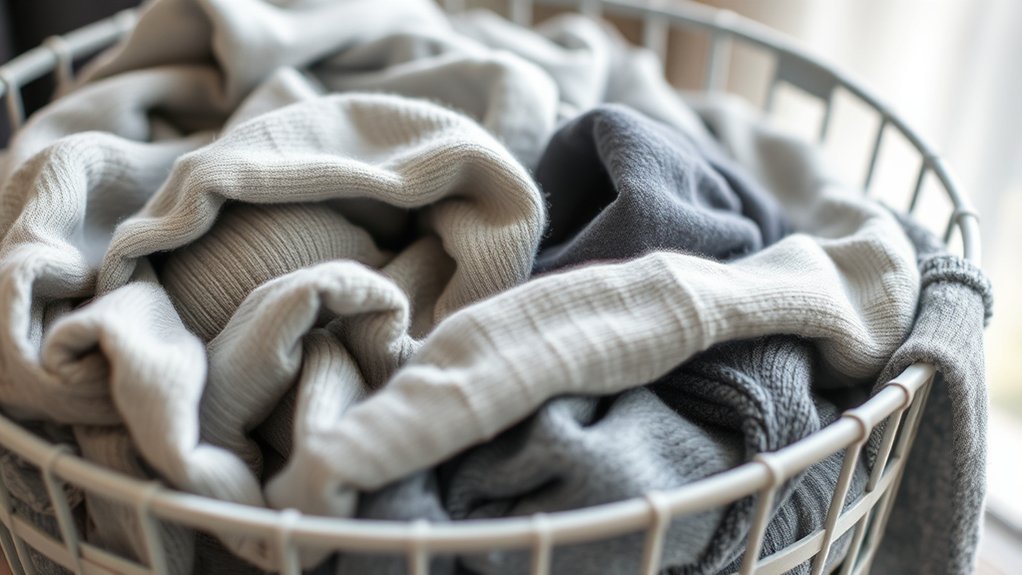
Why can sorting grey clothes be so tricky? Grey garments cover a wide range of shades, from light to dark. This makes it essential for you to identify their specific tone before washing.
Light grey clothes usually wash safely with whites or other light colors. Dark grey pieces, however, often contain dyes that can bleed. This risks discoloration of lighter fabrics.
New grey clothes, especially those dyed with reactive dyes, are more prone to leaking color during initial washes. So, you need to separate them carefully.
Understanding whether your grey clothes lean light or dark helps you avoid dye transfer. It also preserves the fabric’s appearance and integrity.
Sorting grey laundry isn’t just about color. It’s about protecting your entire wash load from unwanted staining.
How To Identify Light Grey Vs. Dark Grey Clothes
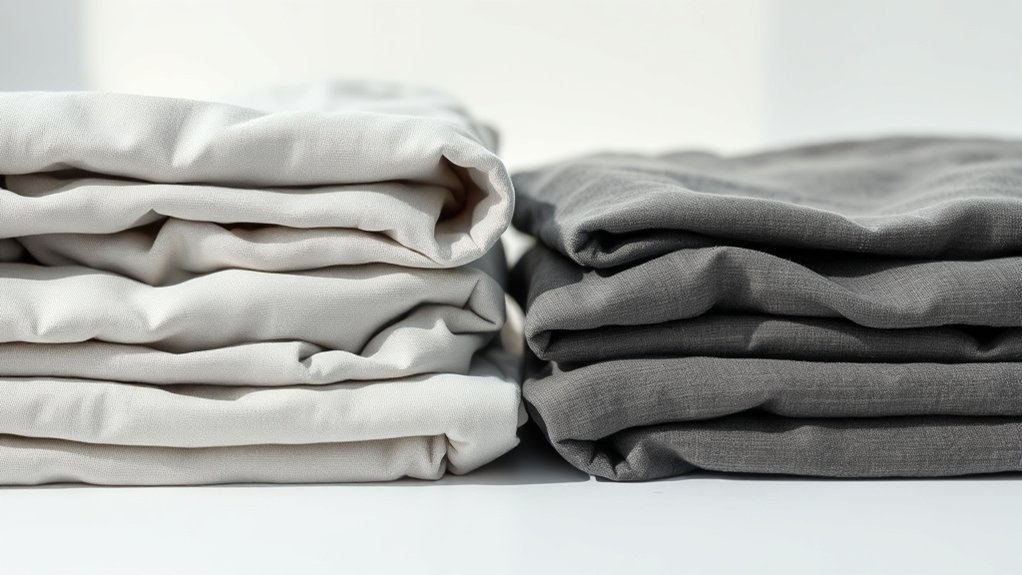
Sorting grey clothes correctly starts with knowing how to tell light grey from dark grey. Light grey clothes have a softer, paler hue, often resembling silvery or ash tones. Dark grey garments appear deeper, like charcoal or slate.
Sorting grey clothes begins by distinguishing light, silvery hues from deeper charcoal or slate tones.
To identify them, compare the item to a white or black reference. Light grey sits closer to white, and dark grey is nearer to black. Check manufacturer labels too. Lighter greys might say “stone” or “silver” and darker greys “charcoal” or “graphite.”
Inspect your clothes under natural light to accurately judge brightness and color depth. Remember, light grey fabrics show stains and fading more easily.
Dark greys are prone to dye bleeding, so distinguishing them properly helps you handle laundry care more effectively.
Sorting Grey Clothes By Fabric: What You Need To Know
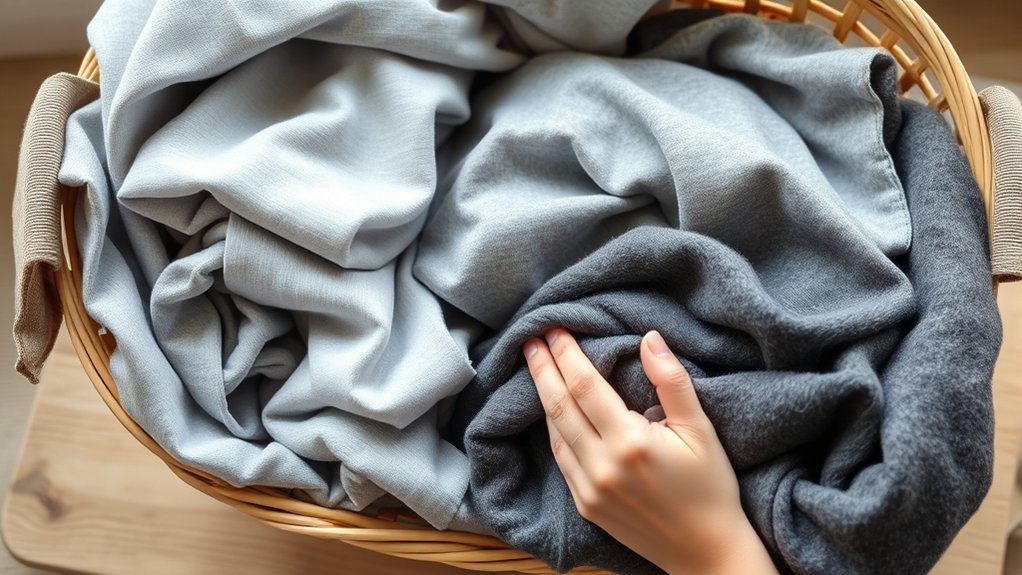
When you’re sorting grey clothes, it’s important to pay close attention to the fabric types, like cotton, wool, or synthetics. Each kind needs a little different care.
So, try to choose washing cycles that match the fabric to keep its texture and color looking good.
Grey Fabric Types
Although grey fabrics vary widely in shade, understanding their fabric type is essential for proper laundry care. Different fibers react differently to washing, so sorting by fabric can help maintain your clothes’ appearance and longevity. Here’s what you need to know:
- Natural fibers (like cotton): These tend to fade more quickly, especially in light grey shades. Wash them with similar colors to avoid uneven fading.
- Synthetic blends: These hold color better and resist fading, but you should still separate light and dark greys to prevent dye transfer.
- Mixed fabrics: Treat these based on the dominant fiber and shade. Group light greys with whites and dark greys with darks.
Washing Cycle Selection
Understanding the fabric type of your grey clothes is key to selecting the right washing cycle. Grey garments vary from cotton to wool and synthetics, each needing a specific approach.
For wool, choose a delicate cycle to prevent damage, while synthetics require a gentle wash.
Light grey clothes can often join light-colored loads, but darker greys should stay with darks to avoid dye transfer.
Grouping similar fabrics helps preserve texture and color integrity by preventing uneven wear.
Always check care labels for cycle recommendations, like cold water or gentle wash, tailored to fabric and color stability.
Fabric Care Tips
Since grey clothes come in various fabrics, sorting them properly before washing is essential to maintain their quality and color. Treat light grey and dark grey garments differently to prevent dye transfer and fading. Always check care labels to confirm fabric type and washing instructions.
Here’s what you need to know:
- Wash light grey clothes with whites or light colors only if they’re colorfast; otherwise, separate them.
- Group darker grey items like charcoal with other dark fabrics to preserve vibrancy and prevent bleeding.
- Separate delicate fabrics such as wool or knits and use gentle cycles with cold water to avoid shrinking or damage.
Following these sorting tips will help you keep your grey clothes looking fresh and lasting longer. Just a little extra care goes a long way!
Can You Wash Grey And White Clothes Together Safely?
If you want to wash grey and white clothes together safely, you need to take into account the shade of grey and the water temperature.
Light grey items are generally safe to wash with whites, especially as they fade and approach a similar tone over time. However, dark grey clothes should be washed separately to avoid dye transfer and discoloration.
Always use cold water when mixing light grey and white laundry because it reduces the risk of dyes bleeding.
Before washing, check garment labels and perform a colorfastness test if you’re unsure about dye stability. Taking these precautions helps prevent damage and keeps your whites bright while maintaining your greys’ color integrity.
Why Dark Grey Clothes Need Separate Washing
While you can usually wash light grey and white clothes together using cold water, dark grey items need more careful handling. Dark grey fabrics often contain dyes that bleed easily, especially when mixed with lighter colors. Washing them separately helps prevent staining and keeps their deep hue intact.
Dark grey clothes require separate washing to prevent dye bleeding and preserve their rich color.
Here’s why you should separate dark grey clothes:
- Prevent Dye Transfer: Dark grey dye can stain lighter garments, causing unwanted discoloration.
- Maintain Color Vibrancy: Washing dark grey clothes separately helps keep them looking rich and fresh for longer.
- Control Washing Conditions: You can avoid bleach or hot water, which might cause color run. Plus, you get to choose detergents that are just right for dark fabrics.
How To Pick The Best Detergent For Grey Clothes
When you’re picking out detergent for your grey clothes, it’s best to go for one that’s made specifically for dark or colored fabrics. This helps keep their shade looking fresh.
You’ll want something mild and color-safe that doesn’t have any harsh chemicals. That way, the fabric stays vibrant for longer.
Oh, and definitely avoid bleach or whiteners—they can mess up the color and cause uneven fading.
Detergent Types For Grey
Choosing the right detergent plays an essential role in keeping your grey clothes looking fresh and vibrant. To preserve the shade and fabric quality, pick detergents designed for dark or color-safe laundry.
Here’s how to choose the best detergent for your grey garments:
- Use color-preserving detergents like Tide Darks & Colors to maintain vibrancy and prevent fading.
- Avoid bleach or harsh whiteners, which can cause uneven discoloration or lightening on grey fabrics.
- Select detergents formulated for your garment’s fabric type, whether wool, cotton, or synthetics, to protect texture and reduce pilling.
Protecting Grey Fabric
Maintaining the look of your grey clothes goes beyond picking the right detergent. You also need to safeguard the fabric itself during washing. Always separate grey fabrics from whites to prevent dye transfer since grey is considered a dark color.
Choose a detergent specifically formulated for dark or colored clothes. These help preserve vibrancy and minimize fading. Wash your grey garments in cold water to reduce dye bleeding and keep their original shade.
Avoid bleach and harsh whiteners because they can discolor and damage the fabric. Instead, opt for detergents with color-safe ingredients and color-preserving properties. This will keep your grey clothes looking fresh and true to their shade.
Following these steps guarantees your grey fabric stays in great condition wash after wash.
How To Choose Water Temperature For Grey Clothes
Although grey clothes might seem straightforward to wash, selecting the right water temperature is essential to preserving their color and fabric quality. Choosing the wrong temperature can cause fading or dye transfer, especially with dark greys.
Here’s how to pick the best setting:
- Wash light grey clothes with whites or light colors using cold or warm water to protect the fabric and prevent fading.
- Always use cold water for dark grey garments, washing them separately to avoid dye bleeding and maintain vibrancy.
- For new grey clothes, particularly dark shades, stick to cold water until the dye stabilizes to prevent color leakage.
Following these guidelines ensures your grey clothes stay true to their shade and last longer in your wardrobe.
Common Mistakes When Washing Grey Clothes
Picking the right water temperature is just one part of keeping your grey clothes looking their best. Avoid washing grey with whites to prevent dulling from dye transfer. Don’t mix new grey garments with lighter clothes initially, as dye bleeding is common.
Using hot water can fade colors quickly, so stick to cold water. Also, separate dark, heavily dyed grey clothes to avoid staining lighter items. Finally, sorting greys by shade helps prevent color transfer and dullness.
| Common Mistake | Effect |
|---|---|
| Washing grey with whites | Subtle dulling over time |
| Mixing new grey with whites | Dye bleeding risk |
| Using hot water | Color fading and bleeding |
| Not separating dark greys | Staining lighter garments |
| Not sorting greys by shade | Color transfer and dullness |
Tips To Keep Grey Clothes Looking Fresh Longer
When you wash grey clothes, separating them from whites and darks prevents dye transfer and keeps their shade true.
To keep your grey garments looking fresh longer, follow these essential tips:
- Use cold water and color-safe detergents to minimize color bleeding and preserve fabric vibrancy.
- Turn grey clothes inside out before washing to reduce pilling and maintain the fabric’s appearance.
- Avoid over-drying on high heat, which can cause fading and damage; instead, opt for low heat or air drying.
Also, make sure to pre-treat stains promptly and always check care labels to ensure proper maintenance.
These practical steps help your grey clothes retain their softness and original color. They’ll extend their life and keep them looking their best.
Frequently Asked Questions
Does Grey Laundry Fade Faster Than Other Colors?
Yes, grey laundry fades faster than darker colors but slower than light shades. You’ll want to wash it in cold water and use color-preserving detergents to keep it looking fresh longer.
This helps prevent premature fading, so your clothes stay nice for a while. Taking these little steps really makes a difference.
Can Grey Clothes Be Bleached Safely?
You can bleach grey clothes safely only with color-safe or oxygen-based bleach, avoiding chlorine bleach. Always check the care label and test a small area first. Bleach may lighten or damage darker grey fabrics over time.
How Does Fabric Softener Affect Grey Clothing?
Think of fabric softener like fog on a window. It dulls grey clothing by leaving residue, reducing softness, and causing greasiness.
You’ll notice less vibrant colors and weakened fabric if you use it too often or incorrectly. Just something to keep in mind when you’re doing laundry!
Are Grey Clothes More Prone to Lint Buildup?
Yes, your grey clothes are more prone to lint buildup because lighter shades show lint clearly. Fabrics like cotton attract lint, especially when washed with fuzzy items. Use lint rollers and wash inside out to reduce buildup.
It’s a good idea to separate your laundry by fabric type to keep lint at bay. Also, try using a fabric softener or dryer sheets—they can help minimize static and lint. Keeping your washing machine clean can make a difference too!
Should Grey Workout Clothes Be Washed Differently?
Shouldn’t you protect your grey workout clothes by washing them separately or with similar darks? You should use cold water and color-safe detergent. Avoid mixing them with whites to keep the color and fabric quality intact.
It really helps to treat your grey workout gear a bit more gently. That way, they last longer and look better each time you wear them. Simple steps like these make a big difference!
Conclusion
So, is grey light or dark for laundry? Well, it’s the moody middle child that refuses to play by simple rules. Treat it like a diva: sort by shade, separate dark greys, and pick your detergent like a pro.
Ignore these tips, and your once-proud grey tees might turn into laundry day disasters. Keep it fresh, keep it smart because grey deserves more than just a toss and go approach.
Don’t let your laundry pile become a drama!