Does Dry Shampoo Clean Hair – Truth And Benefits Explained
Dry shampoo doesn’t truly clean your hair. Instead, it absorbs excess oil and grease, giving your hair a fresher, less greasy look without actually removing dirt or buildup.
It temporarily masks oil and odors while adding volume and texture. This makes it a quick and easy solution when you need a touch-up between washes.
But be careful not to overuse it. Too much dry shampoo can lead to residue and scalp issues.
Knowing its benefits and limitations, as well as how to use it properly, can help you keep your hair and scalp healthier for longer.
What Is Dry Shampoo and How Does It Work?
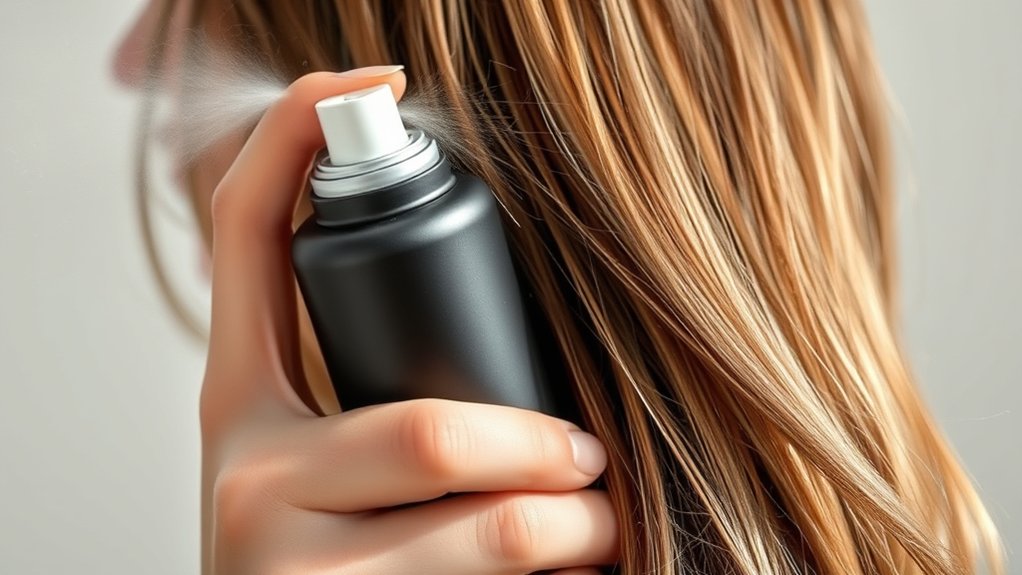
Although dry shampoo doesn’t wash your hair with water, it effectively absorbs excess oil and grease using starches or alcohols that bind to oil molecules. When you apply dry shampoo, these ingredients latch onto oils on your scalp and hair, minimizing greasy buildup and enhancing volume without wetting your strands.
Be mindful that dry shampoo’s formulation can interact differently depending on your hair color. Lighter shades might reveal residue more easily, while darker tones may mask it better.
Also, if you have scalp sensitivity, choose products with gentle, hypoallergenic components to avoid irritation or dryness. Proper application involves targeting oily zones, allowing absorption time, then distributing the product evenly.
This method maintains a visually cleaner appearance without fully cleansing or removing dirt and bacteria from your scalp. So, it’s great for a quick refresh but not a substitute for washing your hair regularly.
Does Dry Shampoo Clean Hair or Just Mask Oil?
When you apply dry shampoo, it mainly soaks up excess oil and grease from your scalp. This creates the illusion of freshly cleaned hair but doesn’t actually remove dirt, sweat, or product buildup. Most dry shampoos work by masking oil and odor temporarily rather than giving you a deep clean.
So, they don’t get rid of residues that can build up over time and affect your hair color’s vibrancy or make your scalp more sensitive. Using too much dry shampoo can cause buildup, which traps dirt and bacteria and might irritate sensitive scalps.
That said, some advanced dry shampoo formulas do a better job by actively removing oils and impurities, offering a deeper cleanse than the usual products. But remember, dry shampoo isn’t a substitute for traditional washing. It’s more like a helpful tool to manage oiliness while keeping your hair color fresh and your scalp calm when you use it right.
Benefits of Using Dry Shampoo
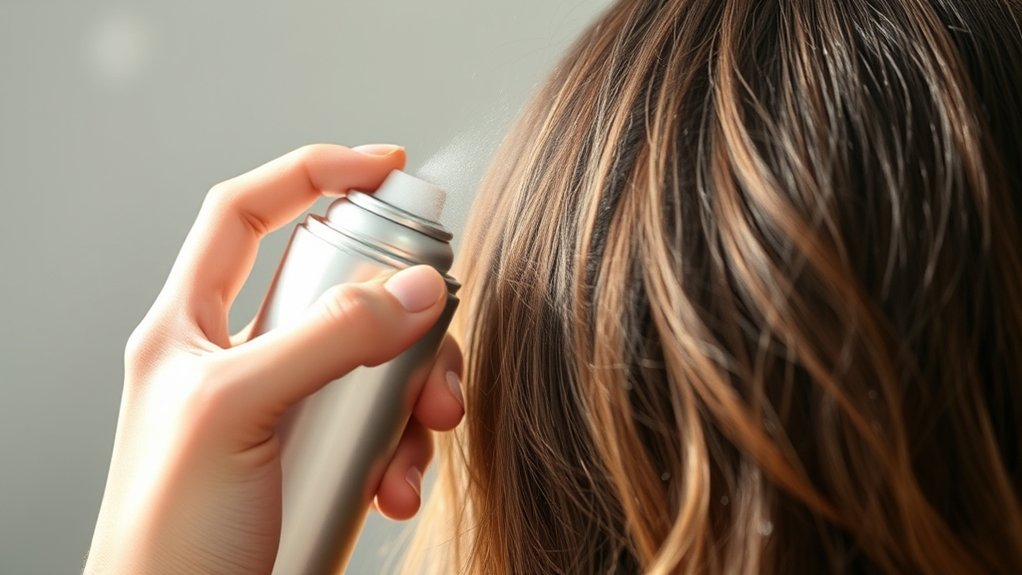
Because dry shampoo absorbs excess oil and sweat from your scalp, it effectively refreshes your hair without requiring water. This means you don’t have to wash your hair as often, which helps preserve your hair color and reduces scalp irritation.
It also adds volume and texture, making your hair look fuller and more vibrant. Plus, by extending the time between washes, dry shampoo helps maintain the natural oils that are essential for a healthy scalp.
Its starch or alcohol-based ingredients temporarily mask odors and grease, boosting your hair’s freshness and your confidence. So, it’s a quick and convenient way to keep your hair looking and feeling great.
| Benefit | Effect on Hair | Impact on Scalp |
|---|---|---|
| Oil Absorption | Cleaner appearance | Reduces buildup |
| Volume & Texture | Fuller, more vibrant | Less irritation |
| Wash Extension | Preserves hair color | Maintains natural oils |
| Odor Masking | Fresher scent | No harsh stripping |
| Convenience | Saves time | Supports scalp balance |
Risks, Drawbacks, and Scalp Health Effects of Dry Shampoo
While dry shampoo offers convenient benefits like soaking up oil and adding volume, relying on it too much can actually mess with your scalp health. Using it excessively leads to buildup of dirt, bacteria, yeast, and leftover product, which can raise the chances of scalp infections.
The alcohol and other ingredients in dry shampoo often dry out your hair and scalp. This can cause itchiness, rashes, and sensitivity. Over time, that dryness weakens your hair strands and makes breakage more likely.
Plus, if you use dry shampoo often without washing your hair properly, it can throw off your scalp’s natural balance. This might cause inflammation and dandruff.
Long-term use can clog pores and even slow down hair growth.
When and How Often Should You Use Dry Shampoo?
Although dry shampoo offers a convenient way to refresh your hair, you should limit its use to about two to three times per week to maintain scalp health and avoid buildup. Excessive application disrupts natural oil production, potentially causing irritation and a rebound effect that increases oiliness.
Limit dry shampoo to 2-3 times weekly to prevent scalp irritation and oil buildup.
Focus dry shampoo use on oily roots, avoiding hair ends to prevent dryness, especially if your hair texture is fine or chemically treated. Hair color treatments can also be affected by frequent dry shampoo use, as buildup may dull color vibrancy.
Remember, dry shampoo doesn’t replace regular washing; it only extends the interval between washes.
Tailor your dry shampoo routine to your hair texture and color to preserve scalp balance and maintain healthy-looking hair.
How to Use Dry Shampoo Effectively
To use dry shampoo effectively, start by holding the can about six inches from your scalp. Spray directly onto oily areas like the crown, nape, and behind the ears. Make sure to shake the can well before use and apply in short, controlled bursts to avoid product buildup.
These precise application techniques help you absorb oil without leaving any residue. Then, let the dry shampoo sit for 2-3 minutes so it can soak up the excess sebum.
After that, use your fingertips to massage the product into your scalp, which helps spread it evenly.
Next, brush through your hair with a clean brush or comb to get rid of any leftover powder and give your hair a natural finish. Try to avoid putting dry shampoo on the ends of your hair since that can cause dryness and static.
Picking the right product also makes a big difference for getting the best results.
Choosing the Right Dry Shampoo for Your Hair Type
Selecting the right dry shampoo tailored to your hair type markedly enhances its effectiveness and minimizes potential drawbacks.
If you have dark hair, choose tinted dry shampoos designed to prevent white residue, ensuring a natural finish that suits your hair color.
For oily scalps, opt for powders with high oil absorption, such as those containing rice starch or kaolin clay. These ingredients help reduce excess sebum effectively.
If you experience scalp sensitivity, select alcohol-free, pH-balanced formulas to minimize irritation and maintain scalp health.
Curly or textured hair benefits from moisturizing sprays rather than powders because powders can cause buildup and dryness.
Additionally, consider eco-friendly, aerosol-free options with natural ingredients if you prefer sustainable products for daily use.
Matching your dry shampoo to these specific needs optimizes results and scalp comfort.
Tips to Avoid Common Dry Shampoo Mistakes
When you apply dry shampoo, holding the can about six inches from your scalp guarantees an even distribution and prevents product buildup in one spot. Proper application techniques and informed product selection are crucial to avoid common mistakes that diminish effectiveness or harm hair health.
Focus on oily roots, not hair ends, and allow at least 30 seconds for absorption before styling.
Use gentle brushing to evenly distribute powder and minimize damage. Limit use to two consecutive days to prevent scalp issues.
Hold the can 6 inches from scalp for uniform application
Target oily roots, avoid hair ends to reduce dryness
Wait 30 seconds post-application for optimal oil absorption
Use gentle brushing to distribute product and remove excess
Limit usage to two days to prevent buildup and irritation
Frequently Asked Questions
Can Dry Shampoo Replace Traditional Shampoo for People With Sensitive Skin?
You shouldn’t replace traditional shampoo with dry shampoo if you have sensitive skin, as it can cause product buildup and increase allergic reactions. Instead, use gentle shampoo regularly and dry shampoo sparingly to protect scalp health.
It’s really about finding the right balance for your scalp. Dry shampoo is great for those in-between wash days, but it shouldn’t be your only go-to. Taking care of sensitive skin means being a bit more cautious with what you put on your scalp.
Does Dry Shampoo Affect Hair Color or Chemical Treatments?
You should know 60% of users report dullness from residue buildup.
Dry shampoo minimally impacts hair color preservation if used sparingly. But overuse risks affecting chemical treatments, causing dryness, fading, and reduced vibrancy over time.
How Should Dry Shampoo Be Stored to Maintain Its Effectiveness?
You should store dry shampoo in cool, dry storage conditions between 59°F and 77°F. Keep it away from heat and sunlight to preserve its shelf life. This helps maintain the active ingredients and ensures the nozzle works properly.
Doing this will make sure your dry shampoo stays effective for as long as possible. So, find a nice spot in your bathroom or bedroom that isn’t too warm or humid. It’s an easy way to get the best performance out of your product!
Can Dry Shampoo Cause Hair Loss or Thinning Over Time?
Yes, dry shampoo can cause hair loss over time. Hair residue buildup clogs follicles, and scalp irritation from ingredients disrupts natural oil balance. This can weaken hair and increase the risk of thinning.
If you overuse dry shampoo without proper washing, these problems can get worse. So, it’s important to use it in moderation and keep your scalp clean. Taking care of your scalp helps maintain healthy hair growth.
Are There Natural or Homemade Dry Shampoo Alternatives That Work Well?
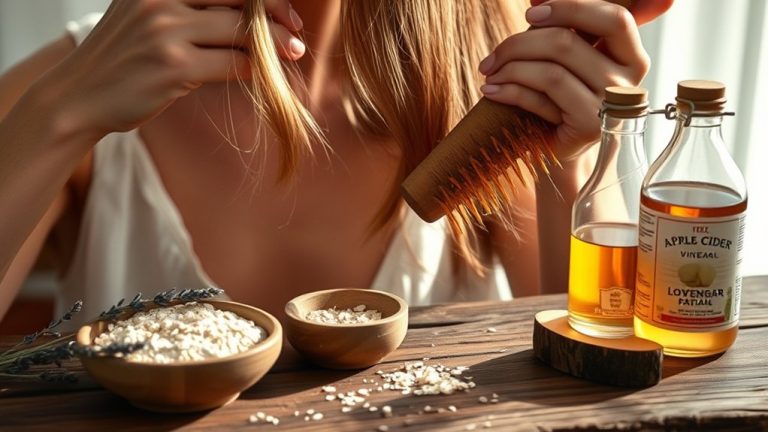
Imagine powder gently absorbing oils as you brush. Yes, DIY remedies like cornstarch or rice starch work well.
Herbal alternatives offer safe, natural cleansing. Just make sure you apply carefully and brush thoroughly to avoid residue buildup.
Conclusion
Remember, “a stitch in time saves nine.” Dry shampoo doesn’t truly clean your hair; it just absorbs excess oil and refreshes your look between washes.
Used wisely and sparingly, it offers convenience and helps you keep your hairstyle longer without damaging your scalp. But if you overuse it, it can clog your pores and cause buildup, which isn’t great for scalp health.
So, by understanding how to use it properly and picking the right product for your hair type, you’ll keep both your hair clean and your scalp healthy. It’s all about balance!